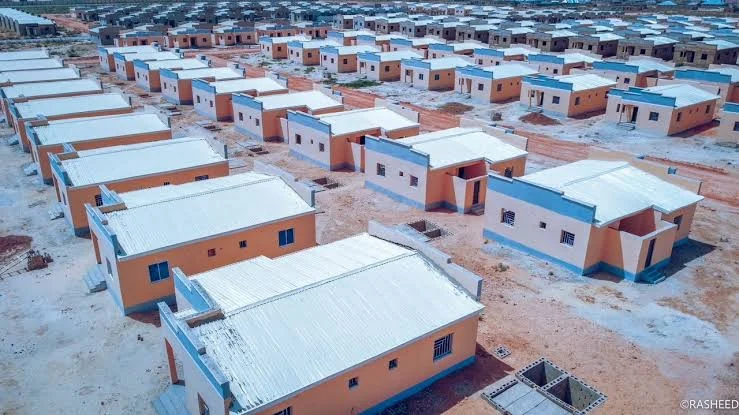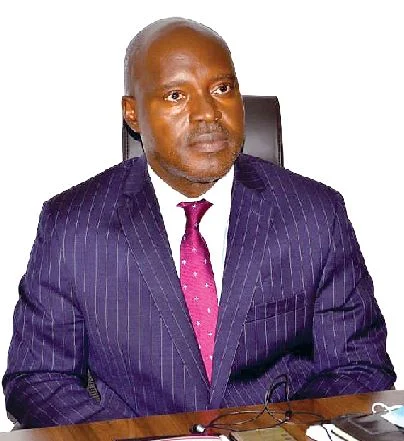
Chairman of Exclusive Estates, Peter Adobamen, discusses the challenges facing Nigeria’s real estate sector and possible solutions in this interview with ANOZIE EGOLE
What are the major challenges preventing the private sector from addressing Nigeria’s housing deficit, which is estimated to be in the millions of units?
The major barriers include high construction costs, expensive land acquisition processes, limited access to long-term financing, inadequate infrastructure, regulatory bottlenecks, and low purchasing power among citizens. Developers often finance projects through short-term commercial loans with high interest rates, while homebuyers lack affordable mortgages. The result is a mismatch between housing supply and effective demand. Although demand for housing is enormous, the number of people who can afford newly built homes remains relatively low.
What impact have rising inflation rates had on construction expenses, property values, and housing affordability for ordinary Nigerians?
Inflation has significantly increased the cost of cement, steel, roofing materials, electrical fittings, labour, and transportation. Developers are forced to transfer these additional costs to buyers, leading to higher property prices and rents. For average Nigerians whose incomes have not grown at the same pace as inflation, housing affordability has worsened considerably. Consequently, many people have moved from homeownership aspirations to rental accommodation.