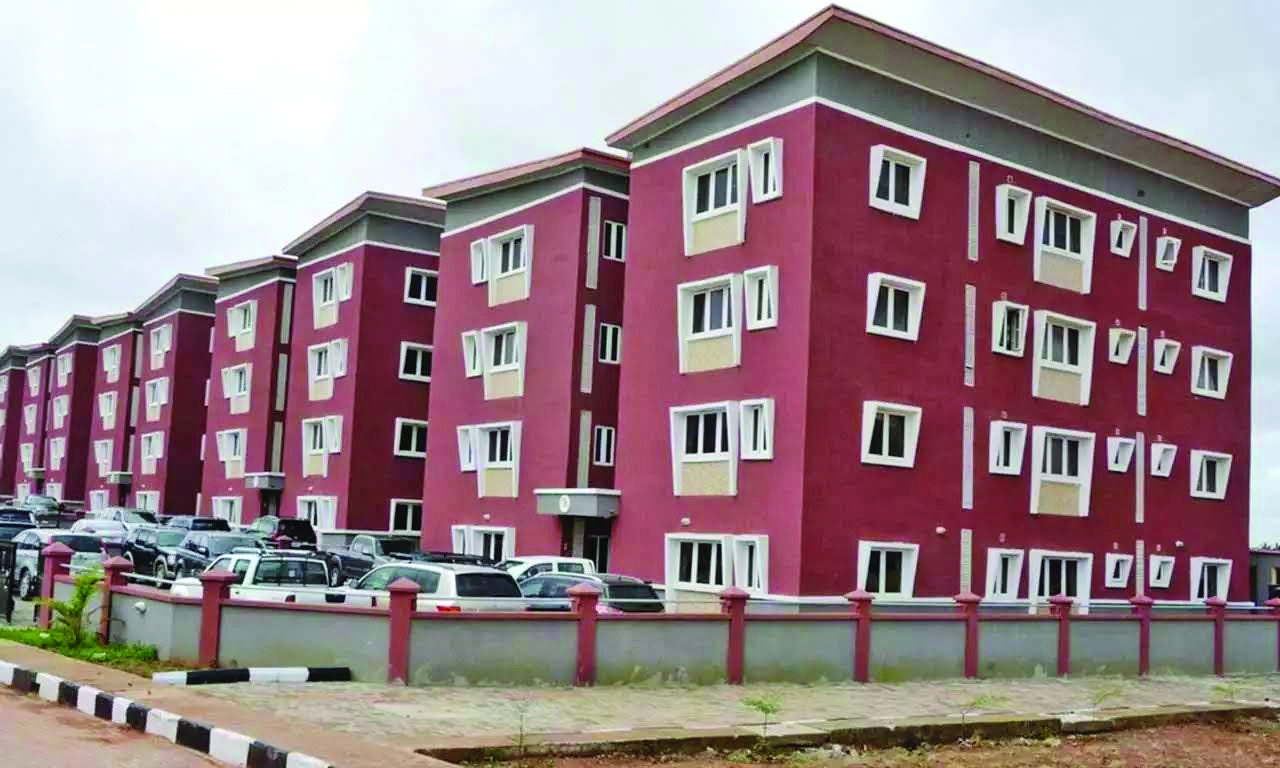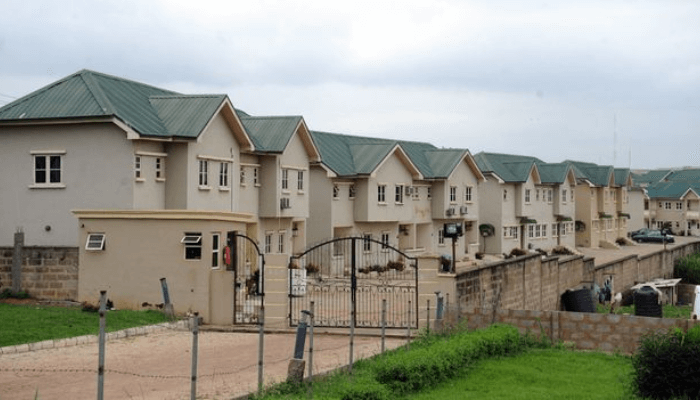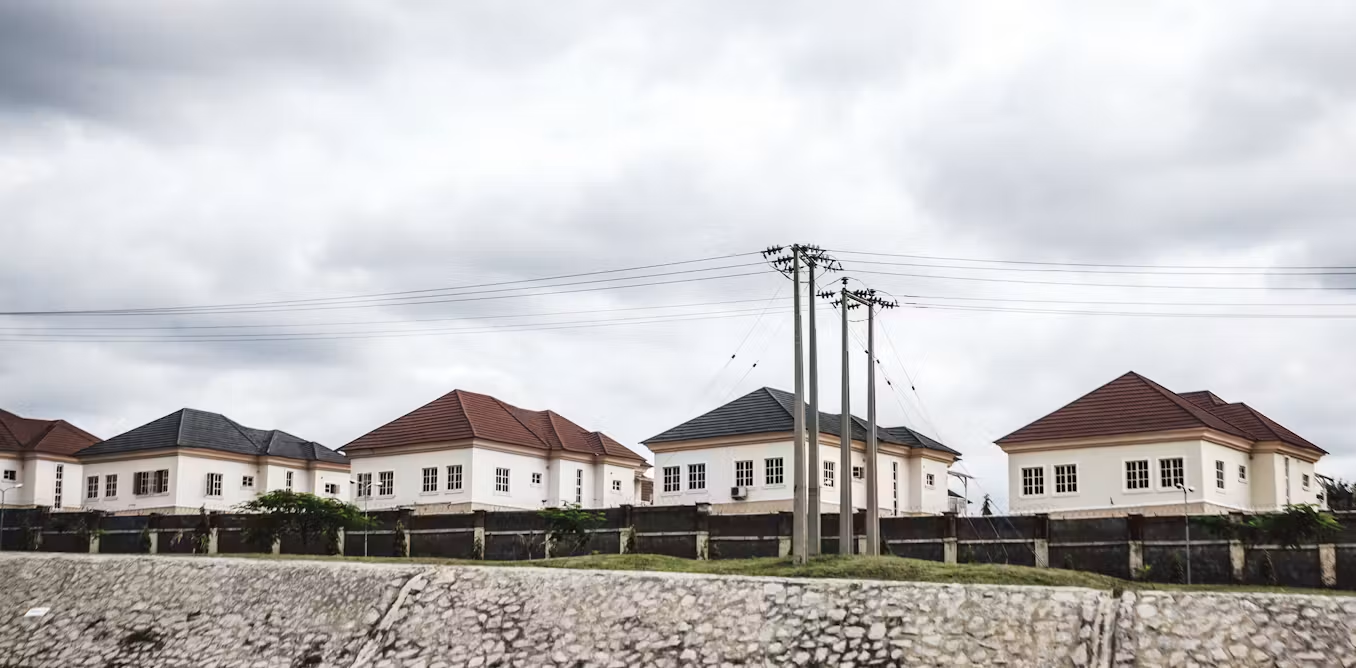
A property expert’s perspective on Nigeria’s housing situation offers a sober moment. Indeed, Meckson Okoro’s warning that within the next five years, the average Lagosian may no longer be able to afford rent in the state’s urban centres should not be dismissed as alarmist. It is a reality that mirrors what lies ahead of the average Nigerian.
It is a sobering assessment of a housing market that is increasingly at odds with the realities of ordinary workers. If current trends continue unchecked, the prediction may well become Nigeria’s next social and economic emergency.
Lagos reflects Nigeria’s deepening housing crisis.
Across the metropolis, tenants are groaning under relentless rent increases. Many receive abrupt notices demanding double or triple their previous rents or are served quit notices simply because landlords can obtain higher-paying tenants. This is troubling.
Even the suburbs, once regarded as affordable alternatives, are rapidly becoming inaccessible to low- and middle-income earners. Some of those communities now command well above N1 million annually for modest two- or three-bedroom apartments, excluding other fees.