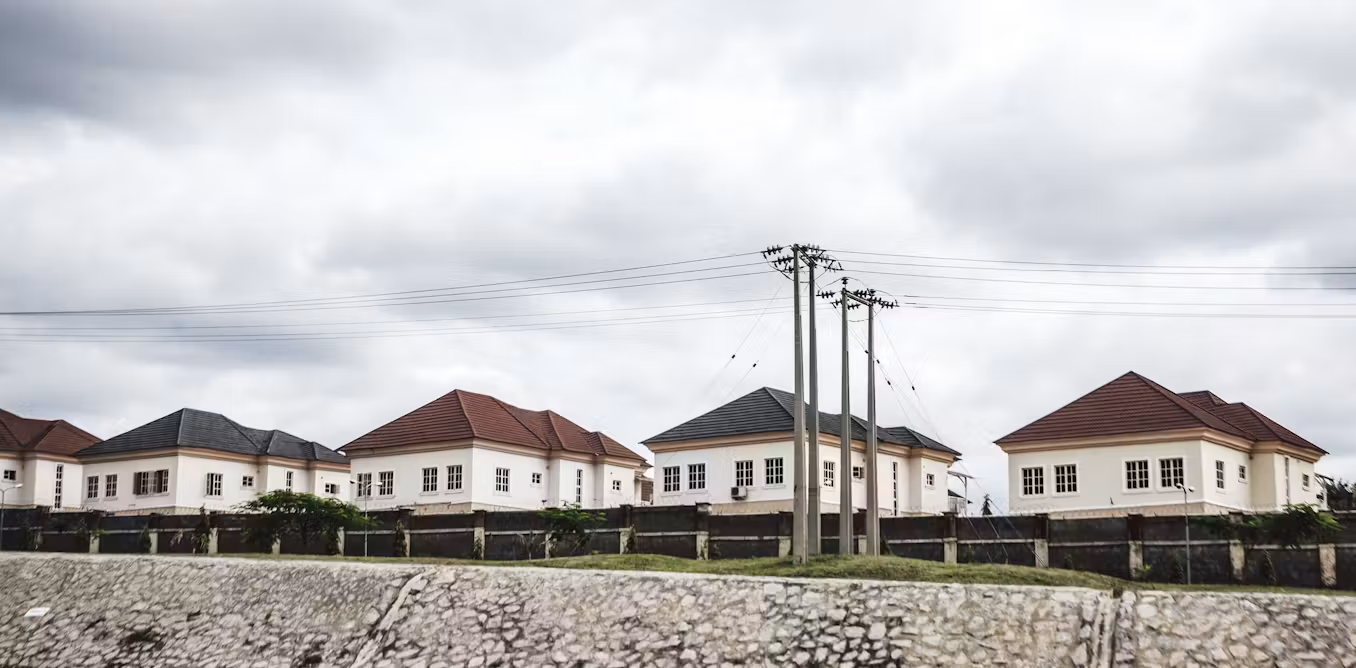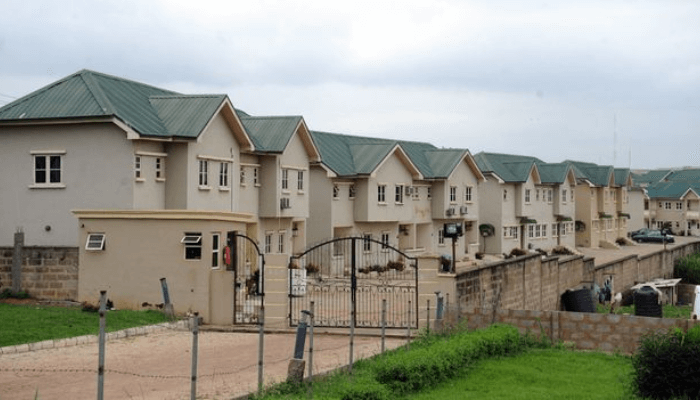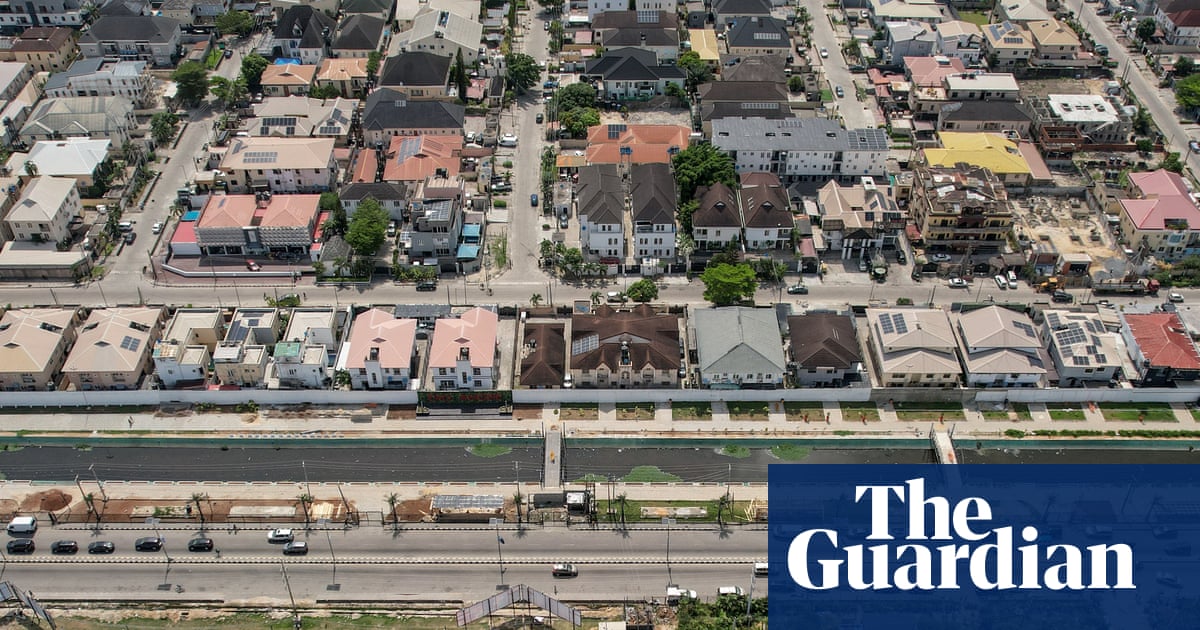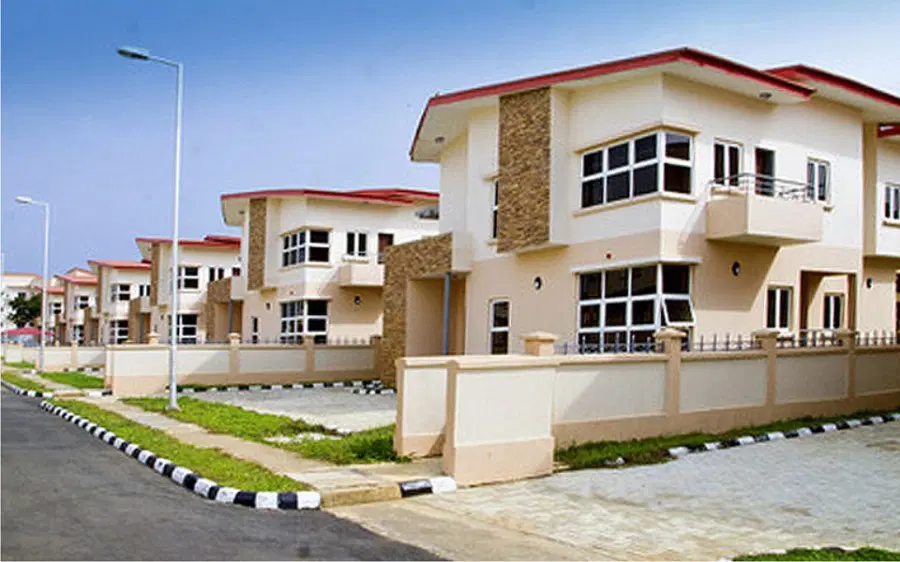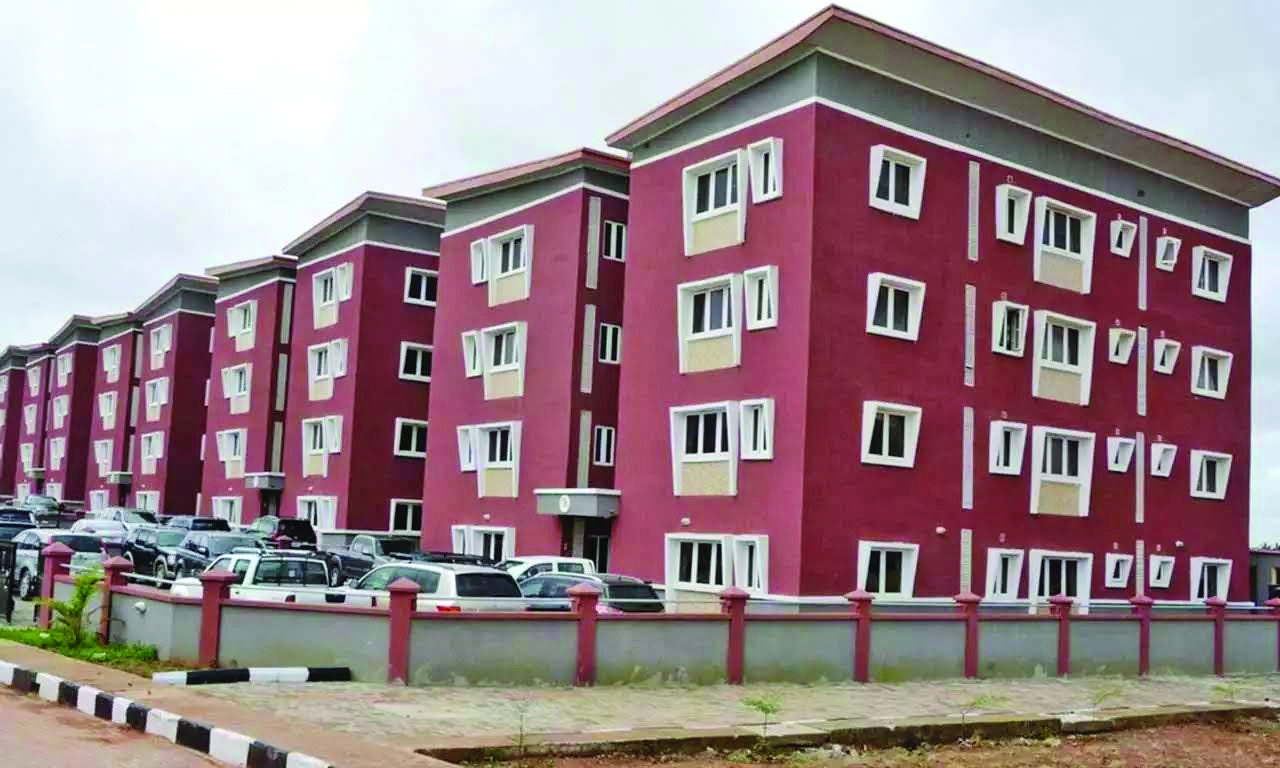
Nigeria’s housing crisis is forcing workers into offices, vehicles, and overcrowded shelters as soaring rents widen the gap between incomes and the cost of living, Festus Akanbi reports
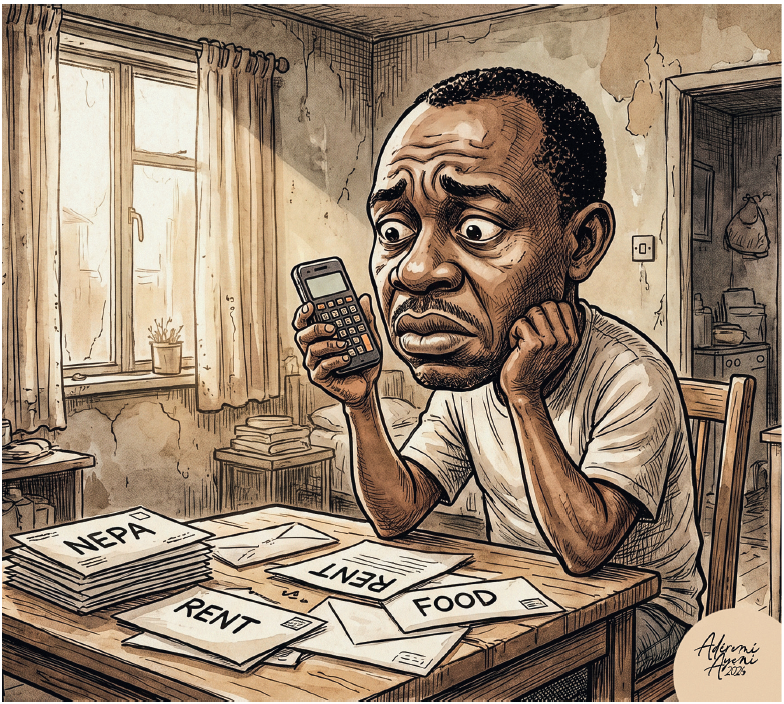
for millions of Nigerians, the struggle for survival no longer ends with finding food, paying school fees, or affording transportation. It now extends to securing a roof over their heads. Across Lagos, Abuja, Port Harcourt, Kano, Ibadan and other urban centres, rent has risen so sharply that even workers with steady incomes are finding themselves trapped between homelessness and financial ruin.
What was once a housing challenge has evolved into a full-scale social and economic emergency.
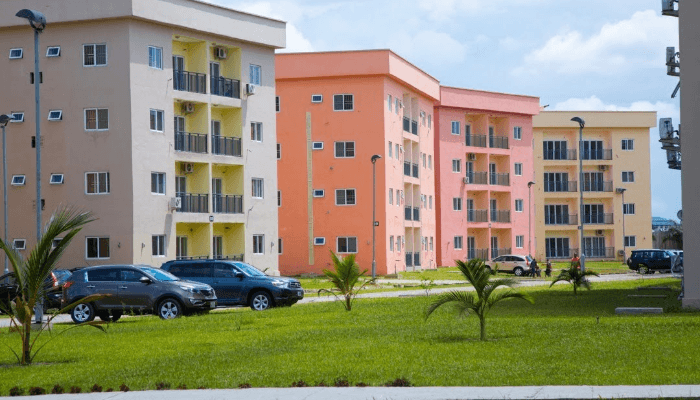
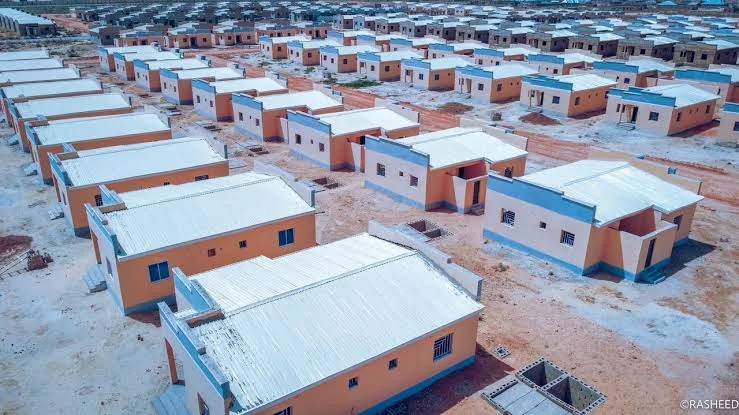
The figures paint a grim picture. Nigeria’s housing deficit is estimated at between 15 million and 28 million units, depending on the methodology adopted. The Federal Ministry of Housing and Urban Development recently disclosed that about 15.2 million housing units in the country are structurally inadequate, lacking acceptable standards of safety, infrastructure, habitability, and access to basic services.
Yet behind the statistics are painful human stories.