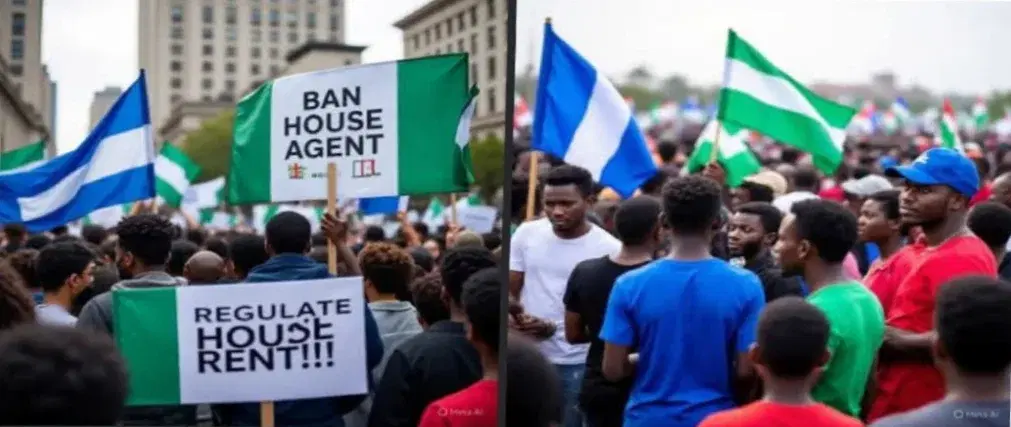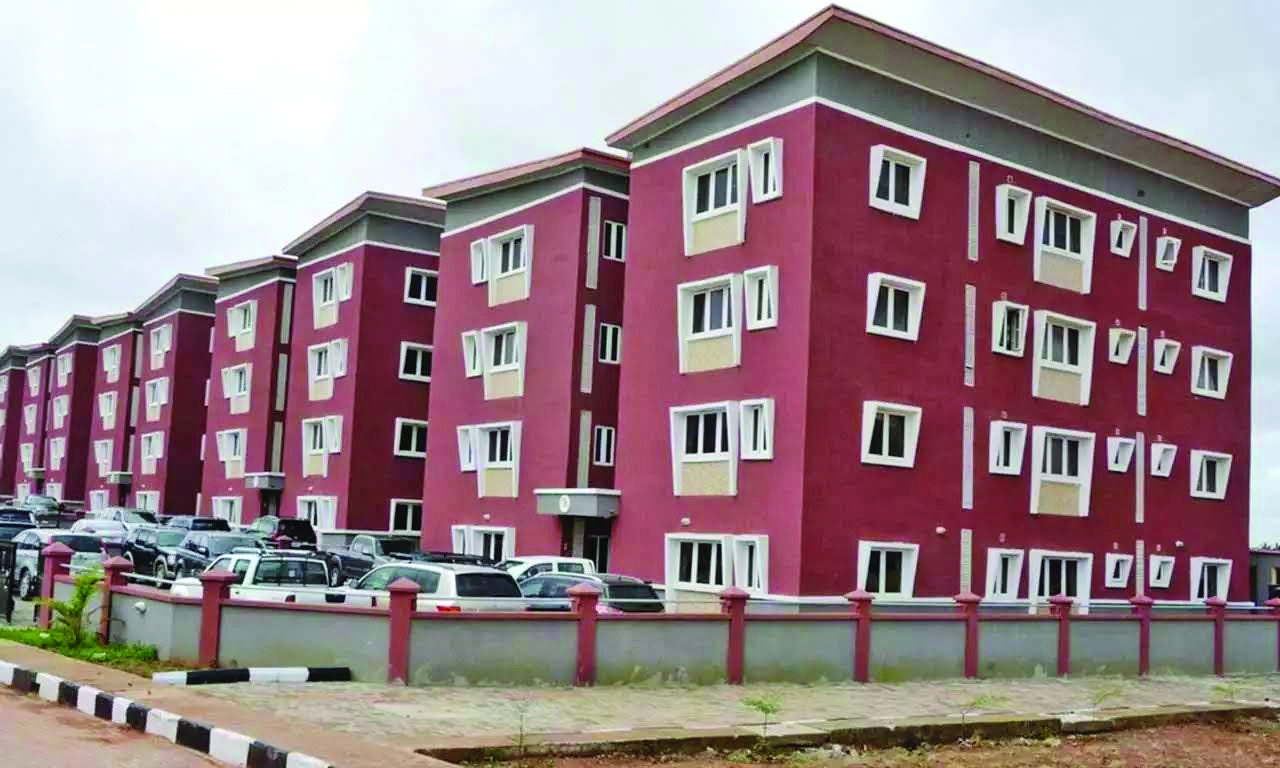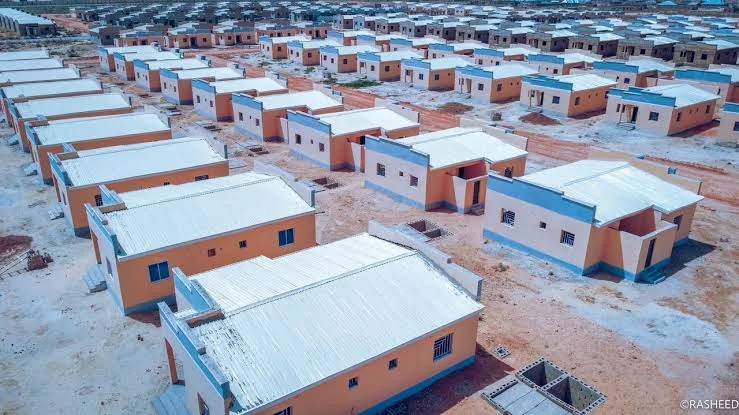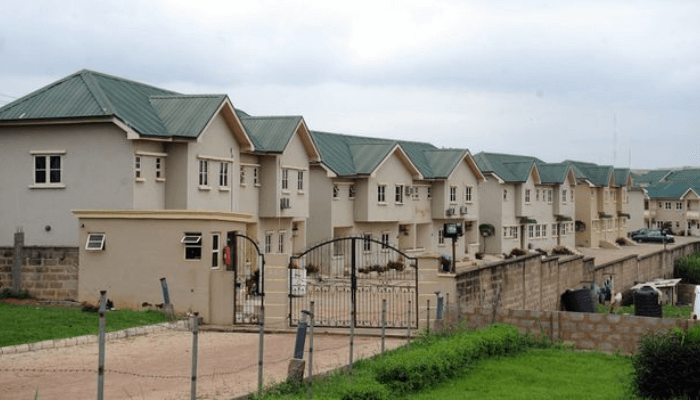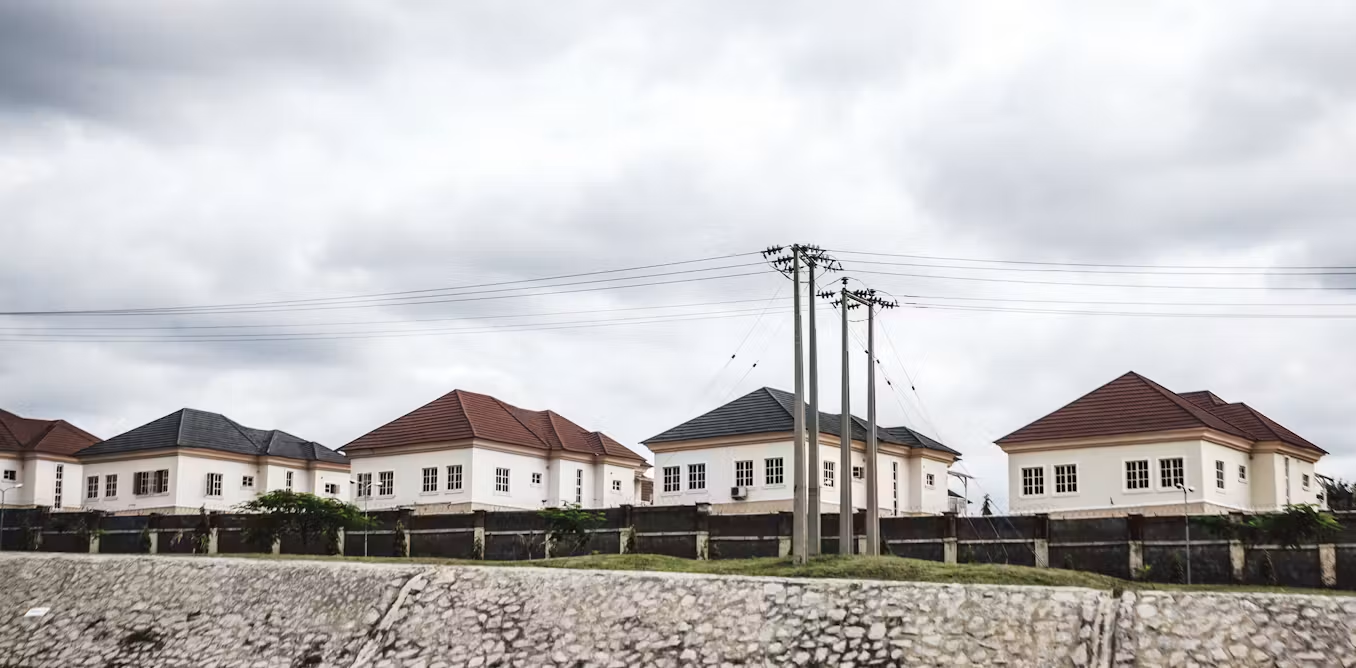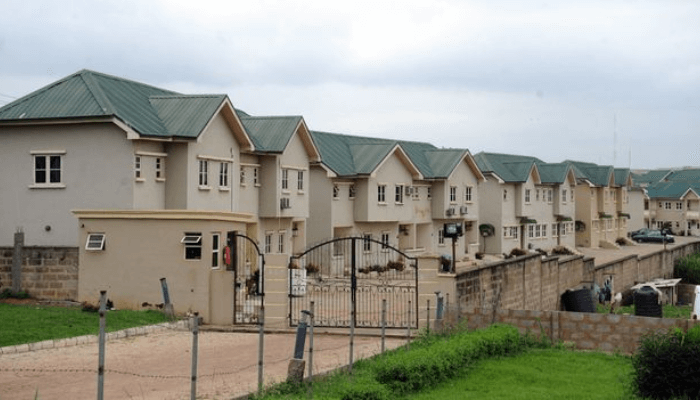
Nigeria’s housing crisis remains a huge concern. But of greater concern is the burden this crisis places on renters. The crisis has remained one of the country’s most persistent developmental problems for decades. Despite repeated policy pronouncements by successive administrations, the gap between available housing stock and growing demand continues to widen.
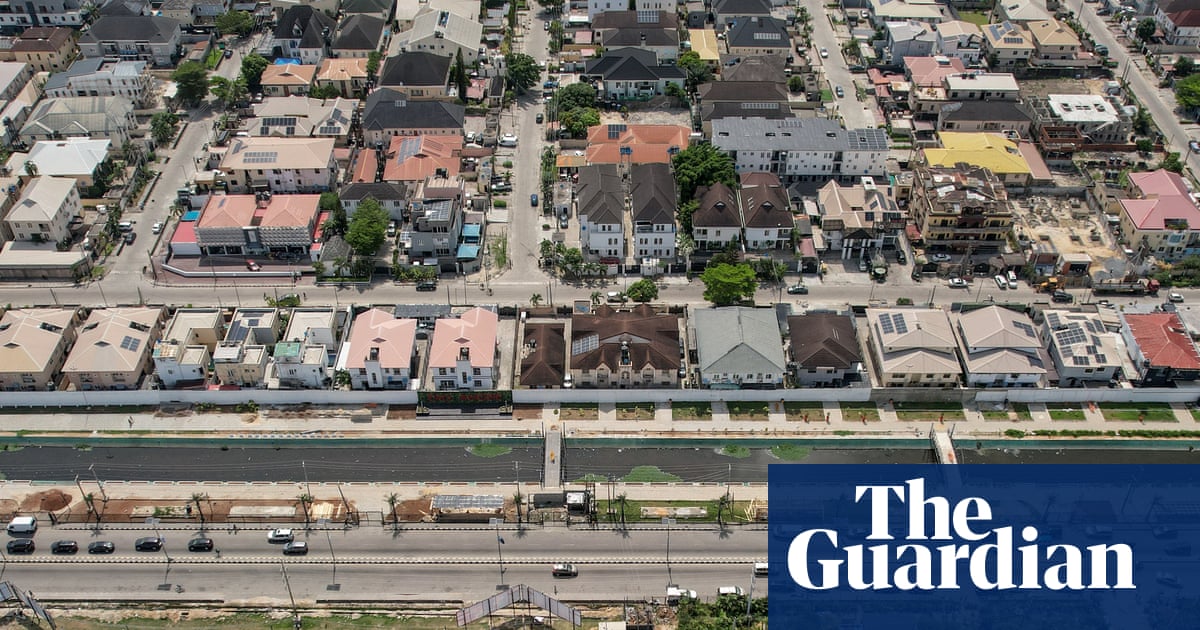
Rapid urbanisation, population growth, rising construction costs, and inadequate housing finance structures have combined to deepen the crisis. Millions of Nigerians remain unable to access decent, affordable housing, especially in urban centres, where employment opportunities are concentrated.
Although estimates of Nigeria’s housing deficit vary, stakeholders generally agree that the shortfall runs beyond 15 million units. The implication is that millions of families either live in overcrowded accommodation, makeshift shanties, substandard housing or remain perpetually trapped within the rental market.
Across Nigeria’s major cities, including Abuja, Lagos, Port Harcourt and Kano, rent prices have surged dramatically over the past few years. Workers are increasingly spending large portions of their salaries simply trying to secure accommodation.