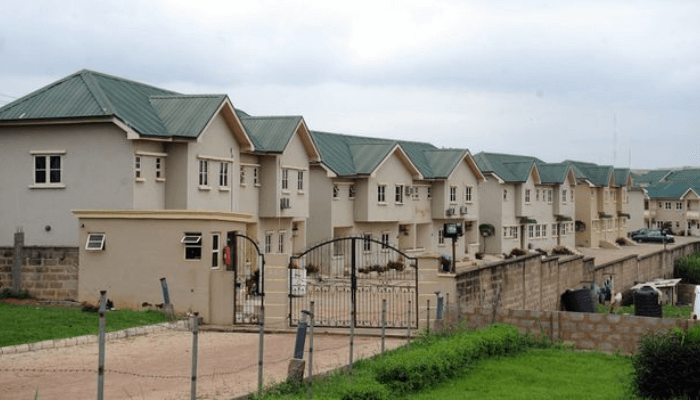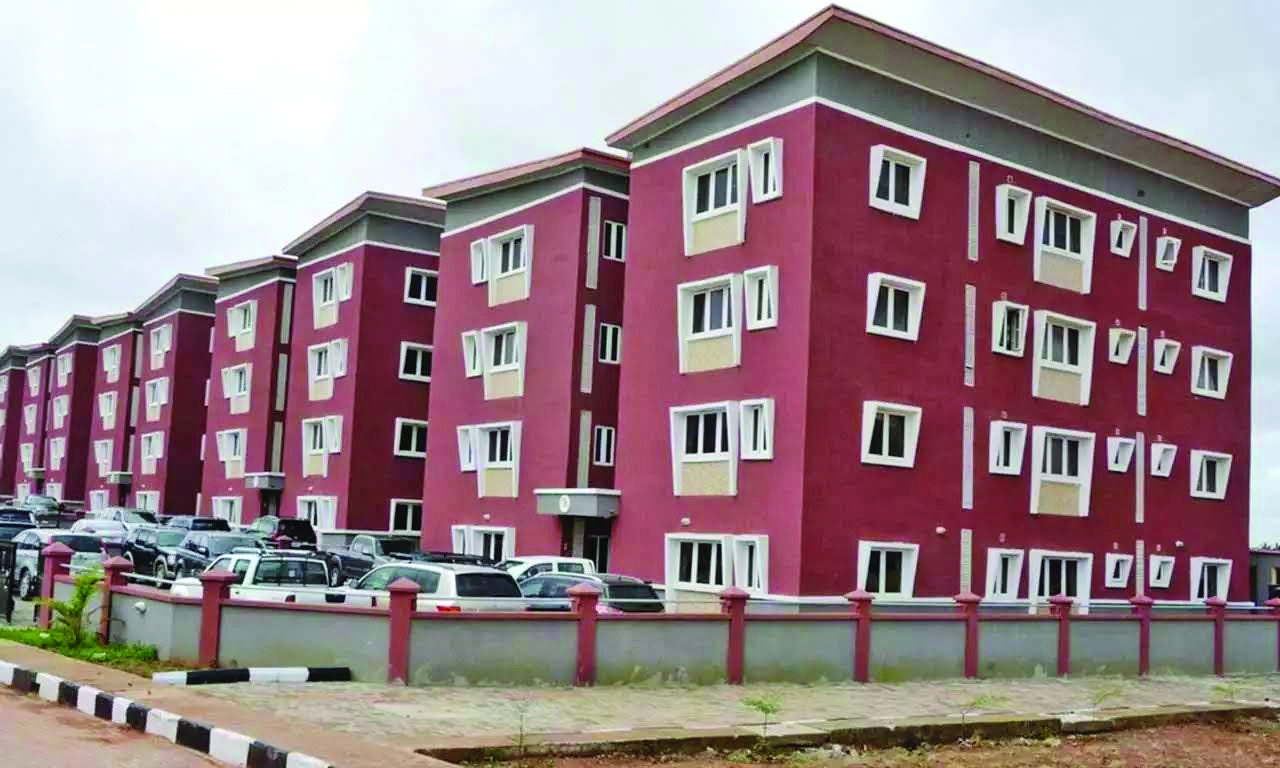
Abuja, Nigeria’s federal capital city, has witnessed remarkable urban growth since its development in the 1980s. The city’s population has increased from 776,298 in 2006 to an estimated 2,057,985 in 2026.
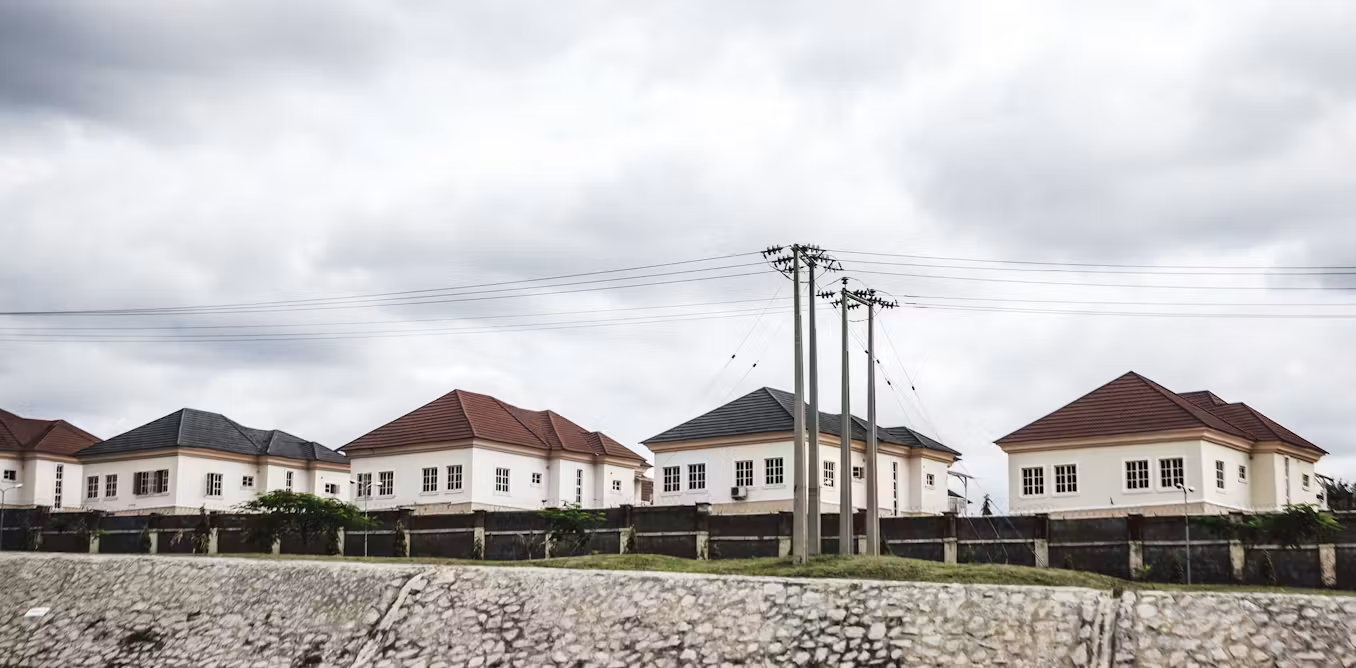
A serious housing crisis has developed: high rents and developments focused on luxury force lower income earners into peripheral settlements.
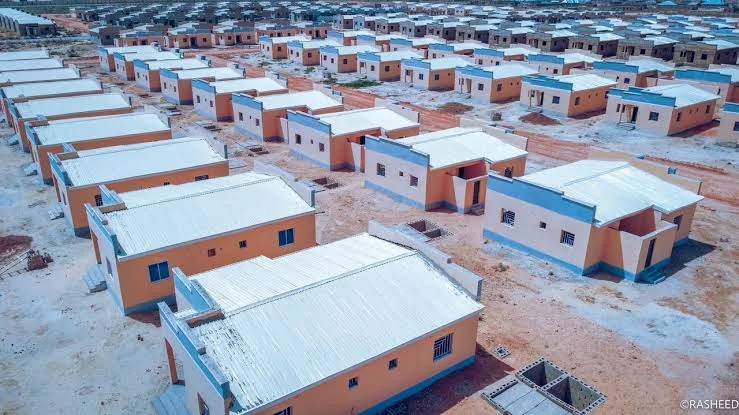
Over the decades the city’s authorities have taken steps to address the challenge. They have followed national housing policies and encouraged private sector investments, yet there are still gaps in addressing housing challenges in Abuja. Abuja has a housing deficit of over 1.7 million units.
My doctoral thesis focused on access to housing for low-income earners in one of the six councils that make up Nigeria’s Federal Capital Territory.
In a recent paper I looked at how state-led policies in Abuja shape access to housing for low earners. I argue that state-led housing intended to correct market failure reinforces inequality. It puts high-income earners first and neglects the majority in society.