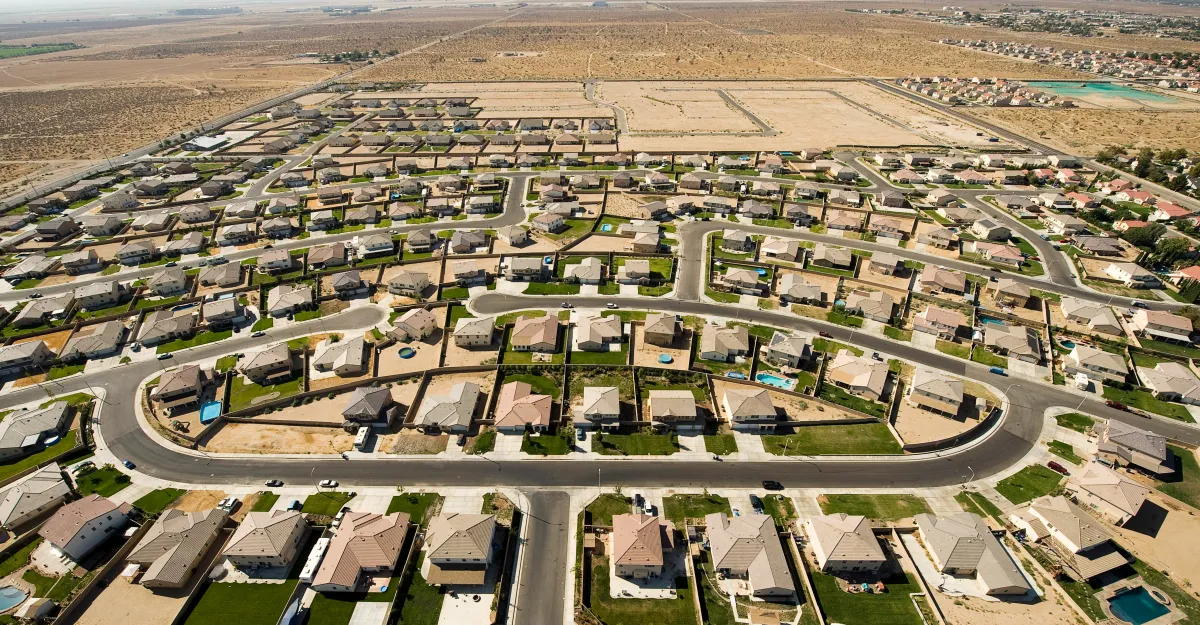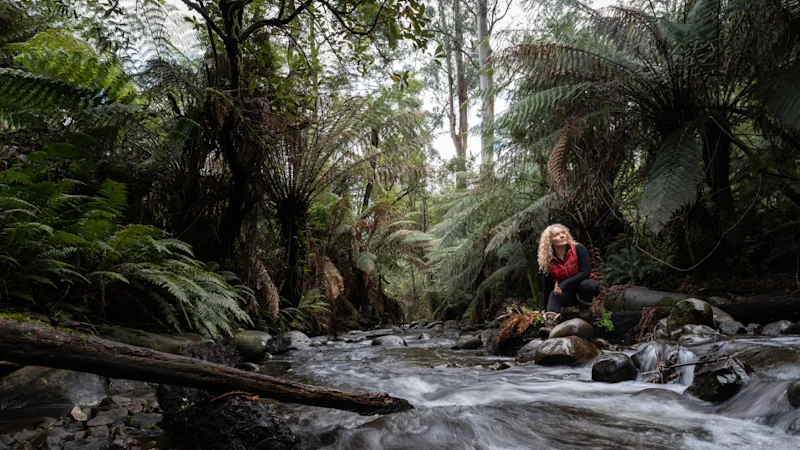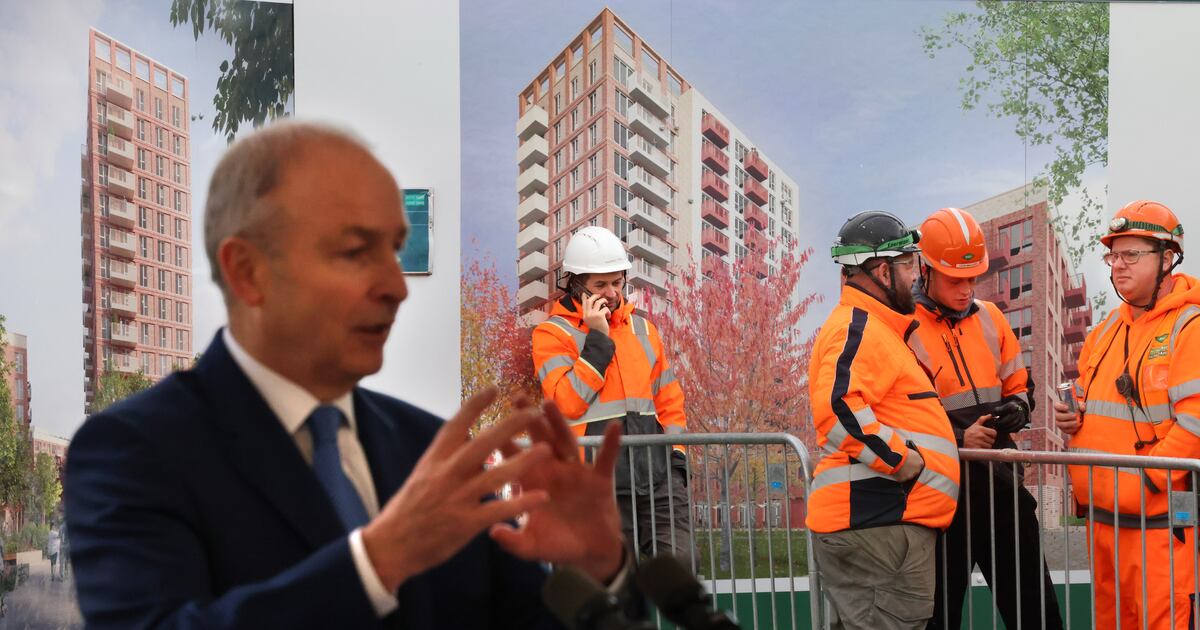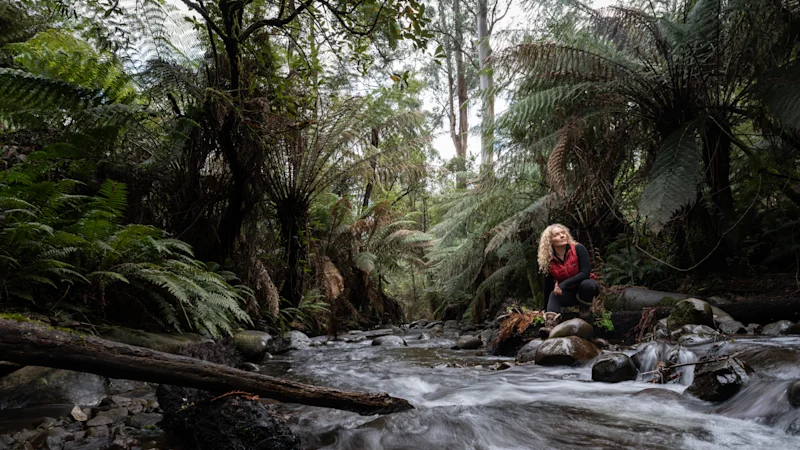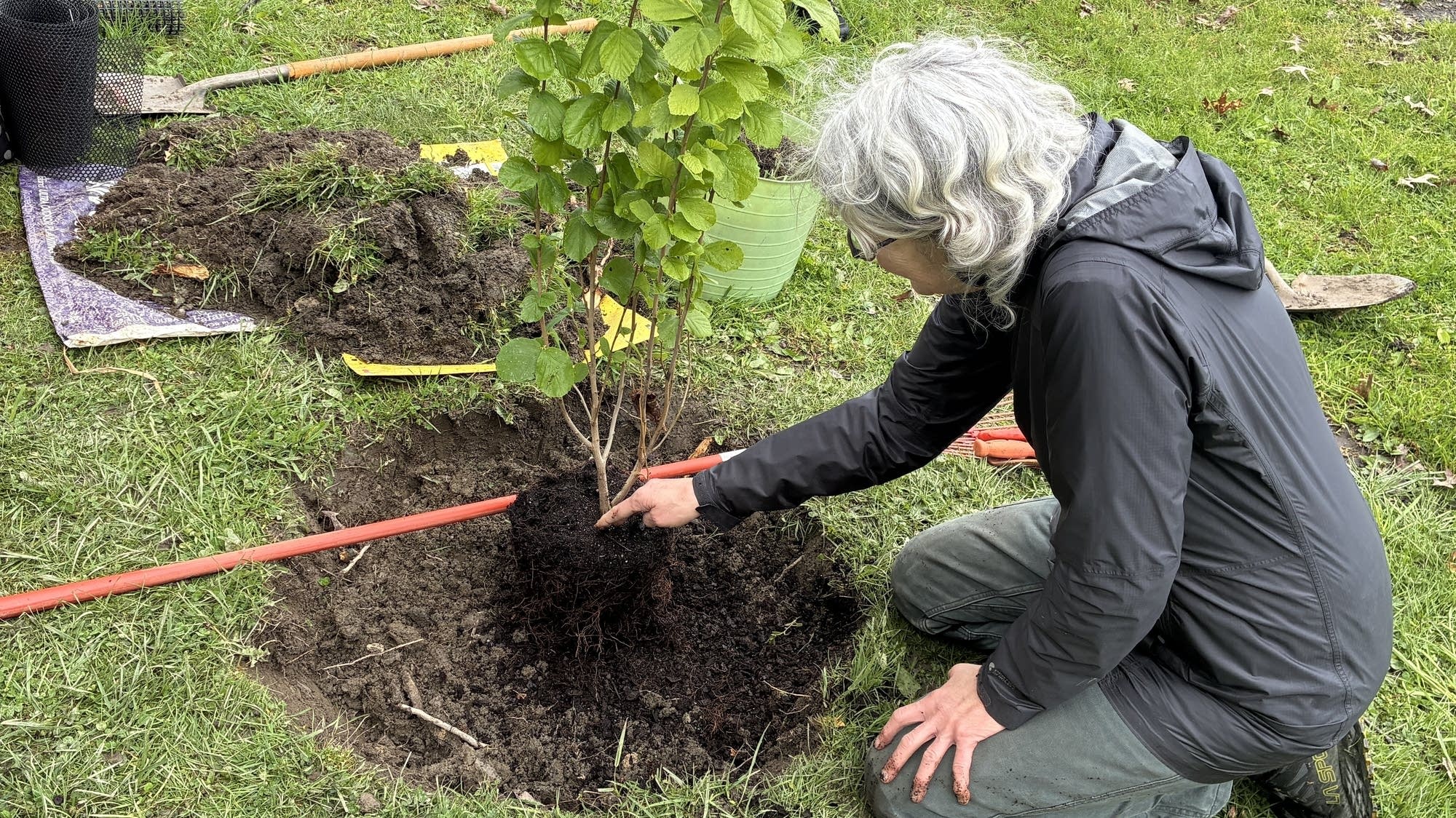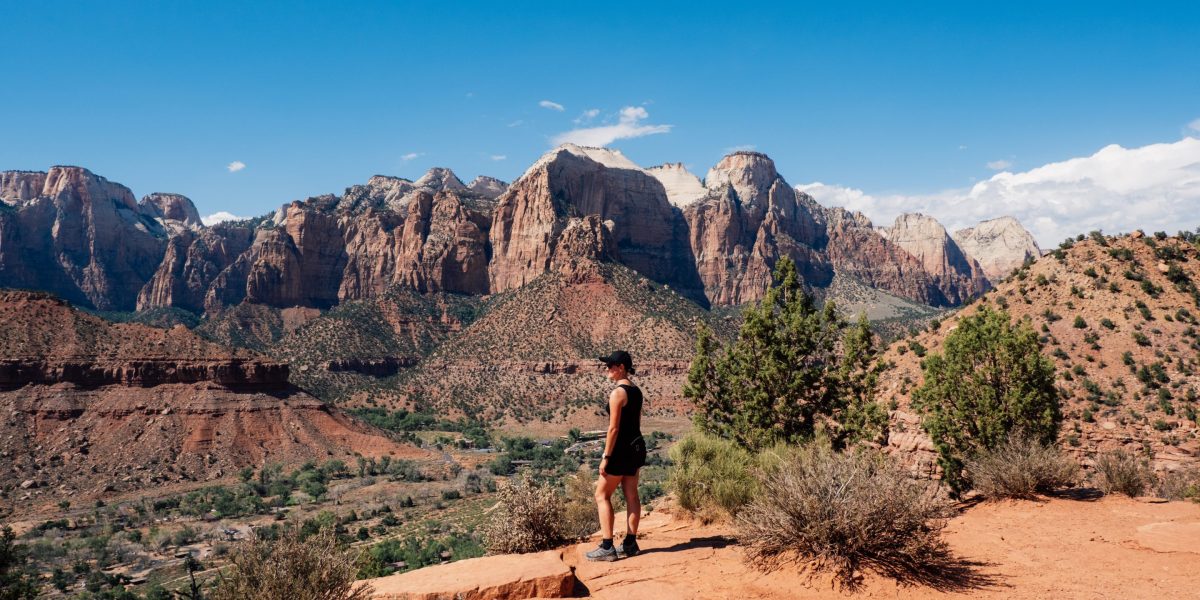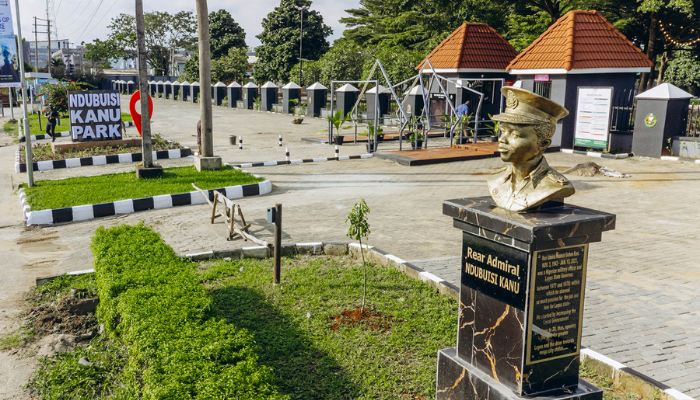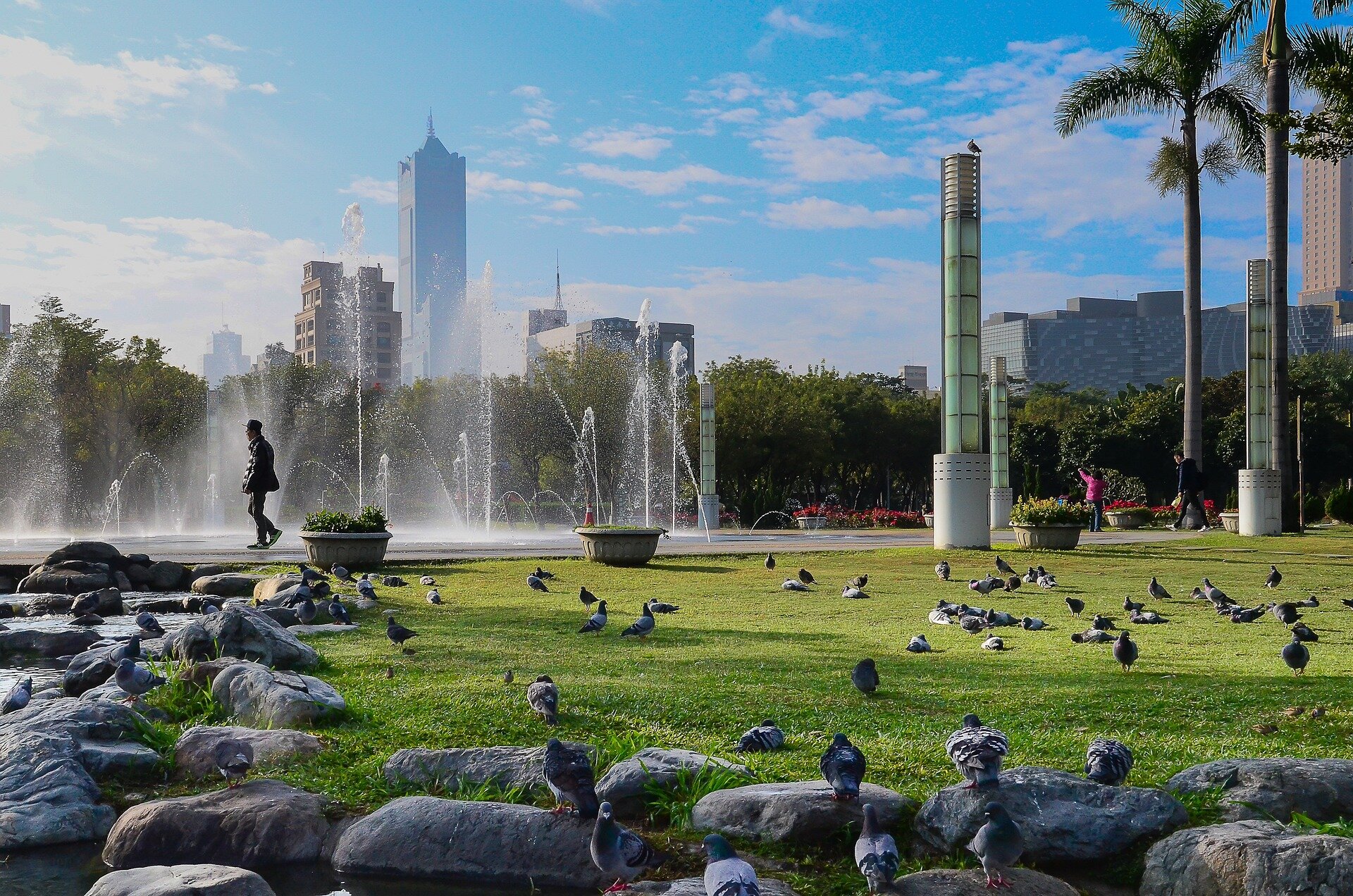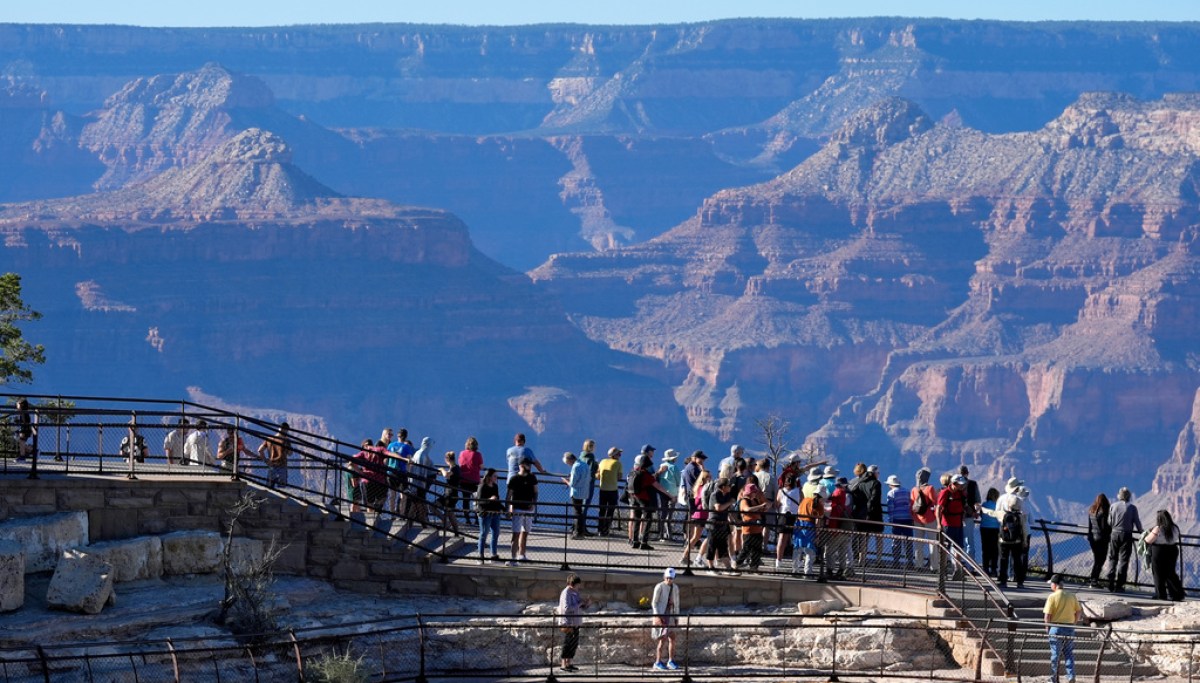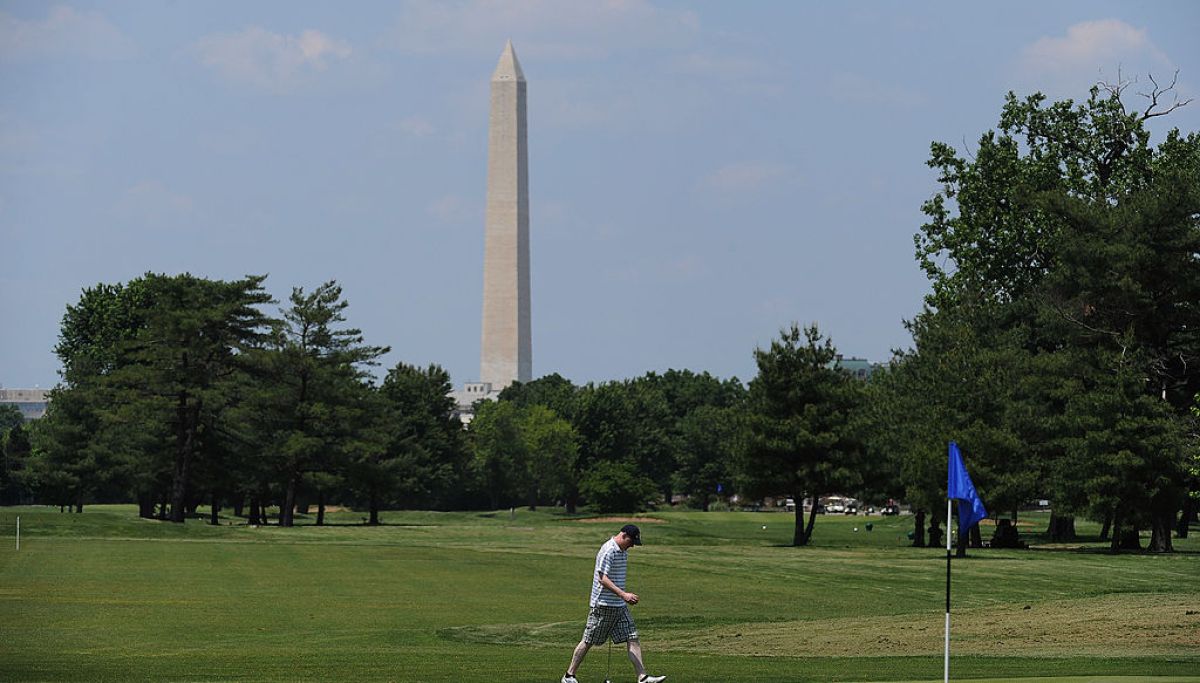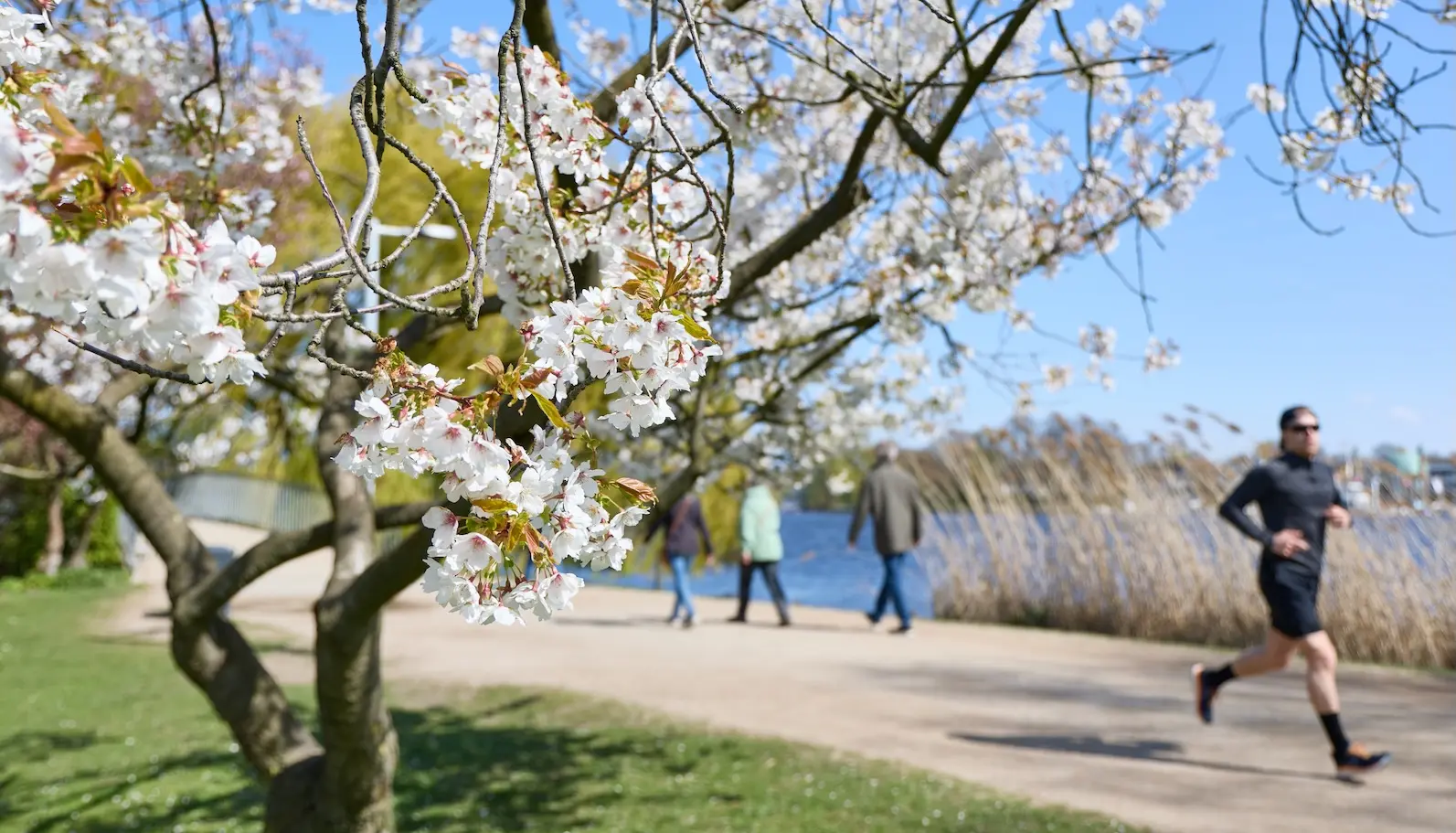
In an increasingly divided nation, Americans agree on at least two things. For one, politicians across the political spectrum are scrambling to get more housing built, which happens to be an accidentally powerful way to fight climate change. And two, Americans love their parks: A recent poll found that 88 percent of them visited one in the past year. Nearly 90 percent of people who voted for Kamala Harris, and 80 percent of those who voted for Donald Trump, consider these spaces critical infrastructure in their communities.
That alone should encourage elected officials to build as many of them as possible. But a new report finds another, potentially even more motivating, factor for American cities: For every dollar invested in parks and recreation, communities reap $3 in local economic benefits each year. “You really do get so much goodness out of them,” said Will Klein, director of parks research at the Trust for Public Land, which produced the report. “People are healthier, people connect with each other. They drive business activity, especially for small businesses.”
Parks aren’t as much about land as they are about people. In an increasingly commodified world, they’re one of the few remaining public places where folks can roam without the pressure of spending money. That makes them a critical kind of “third place,” somewhere to gather beyond the workplace and the home. Whereas people must pay a premium to use a gym, they can use a park or rec center for free.