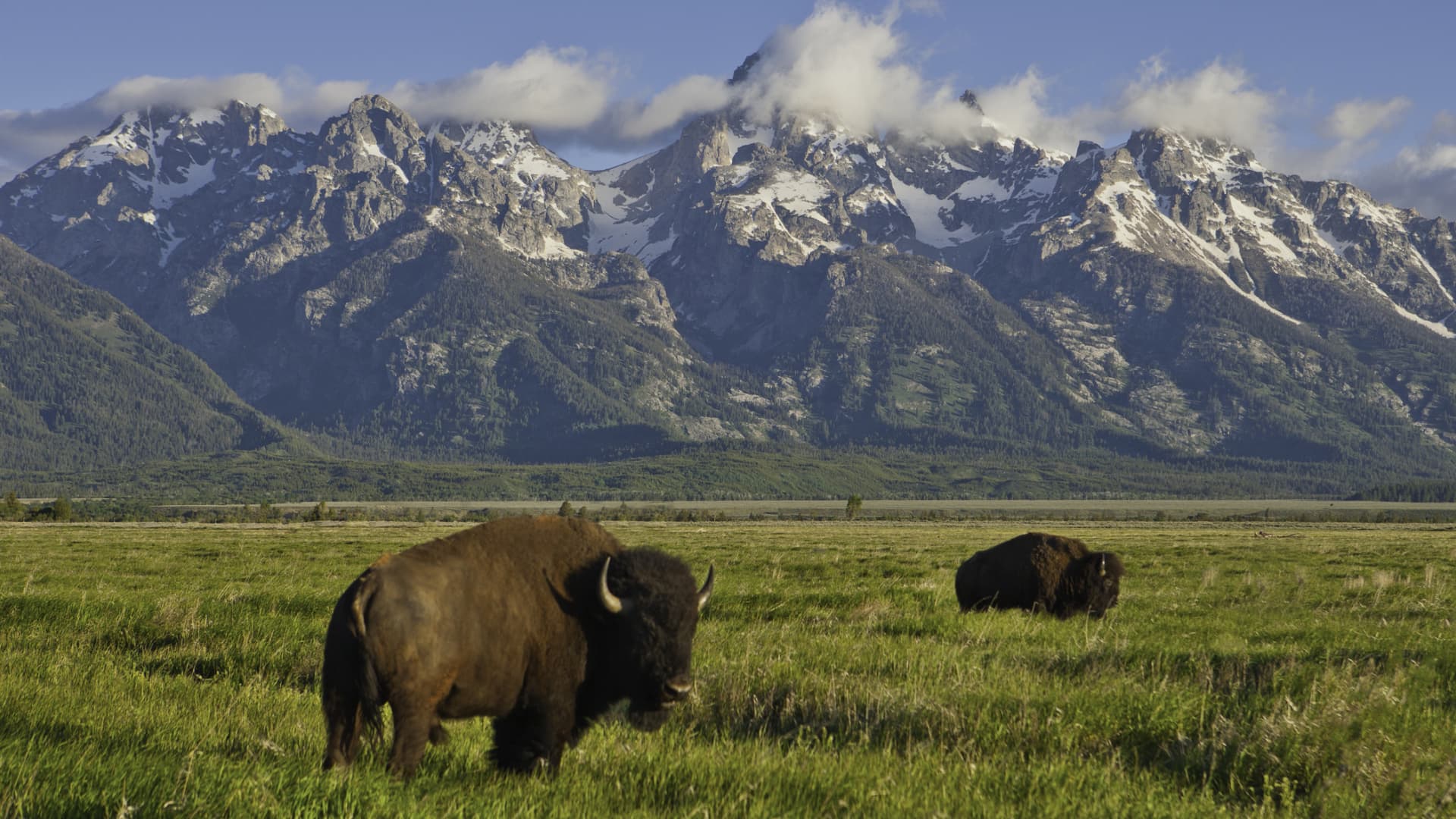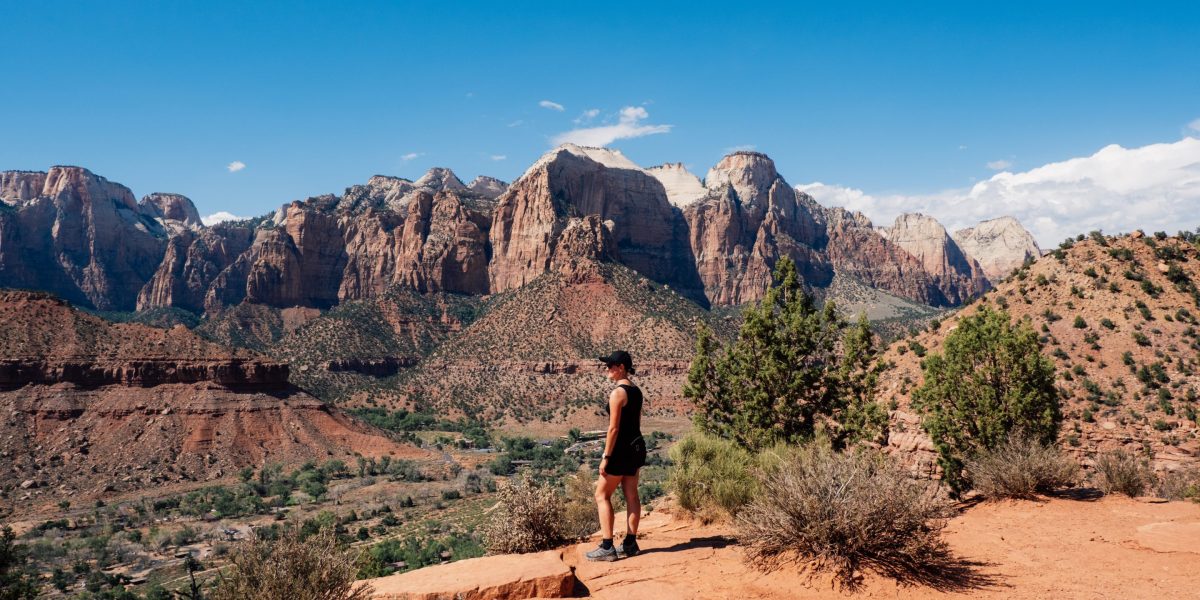
Americans are all in on spending time outdoors, and the economy, at least until recently, loves it.
The business of the American outdoors has evolved from a pastime for the adventurous to a veritable economic juggernaut, one that in 2024 led to $1.3 trillion in economic output and supported 5.2 million jobs, according to numbers released last week by the Bureau of Economic Analysis (BEA).
But that was two years ago. While figures for 2025 won’t be published until later this year, the outdoor recreation industry was one of many caught in the crosshairs of President Donald Trump’s sweeping cost-slashing agenda. In targeted budget and staffing cuts, the administration sharply reduced funding for a range of agencies involved in the outdoor economy, including the National Park Service, the Bureau of Land Management, and the Forest Service.
Those cuts, combined with mass staff departures and the dismantling of visitor management systems, have set the outdoor economy on a much more challenging trajectory, experts say. It’s a scenario that could lead to punishing trickle-down effects for the small businesses and residents who rely on people wanting to see the great outdoors, as the economic engines that power large parts of rural America get stripped for parts.