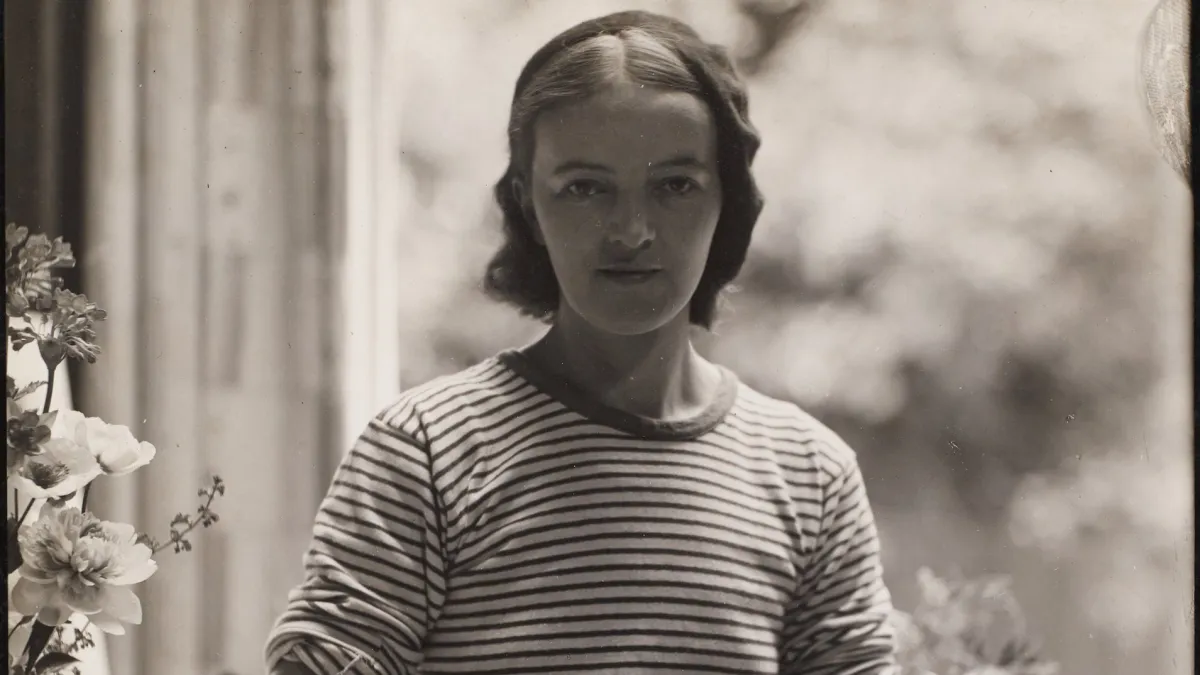
In photographs, films, and even a Punch cartoon from 1954, “our leading woman sculptor” – and just as often “sculptress” – Barbara Hepworth is rarely without her tools, a flicker of satisfaction playing at her lips as she taps away with her mallet and chisel, at what might be four tonnes of marble.
Though “sculptress” is a term now laughably antique, and one that understandably irritated Hepworth, there’s still a lingering and at least partly sexist fascination with the genteel and diminutive figure of the sculptor fully absorbed in hard manual labour, her red lips and bright clothes flashes of colour among her neutral-toned stones. Hepworth’s irresistible glamour, which somehow bestows rather than compromises her gravitas, is no accident: from her London years before the Second World War, and during her subsequent life in Cornwall, Hepworth carefully managed her image, shaping what would be her enduring identity as the very definition of an avant-garde sculptor.
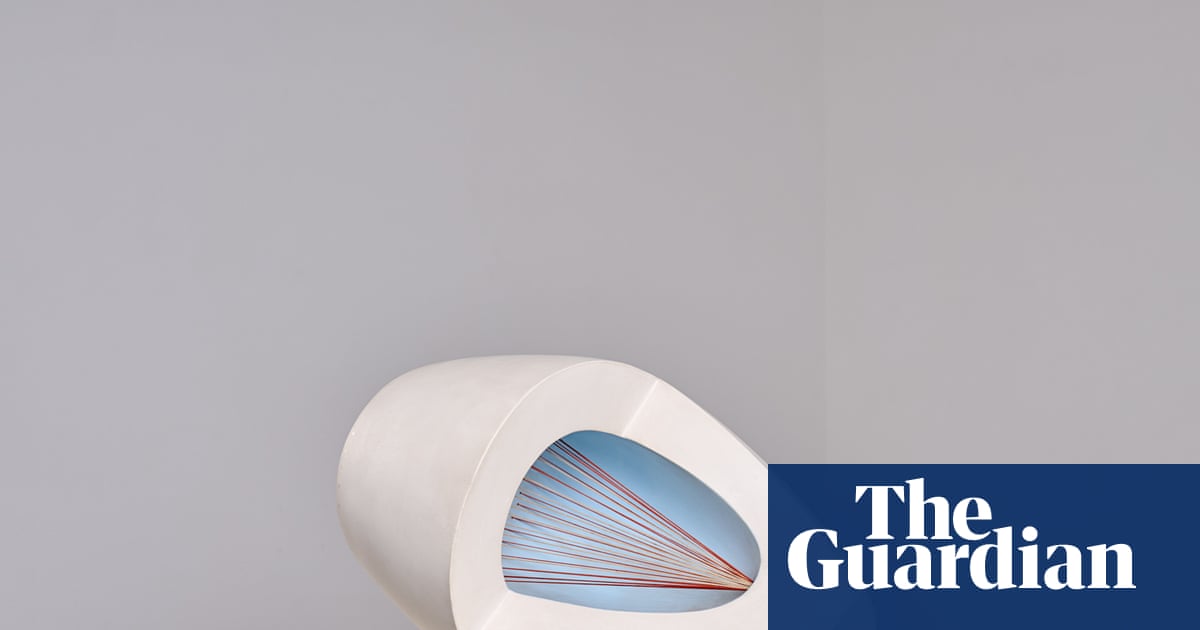
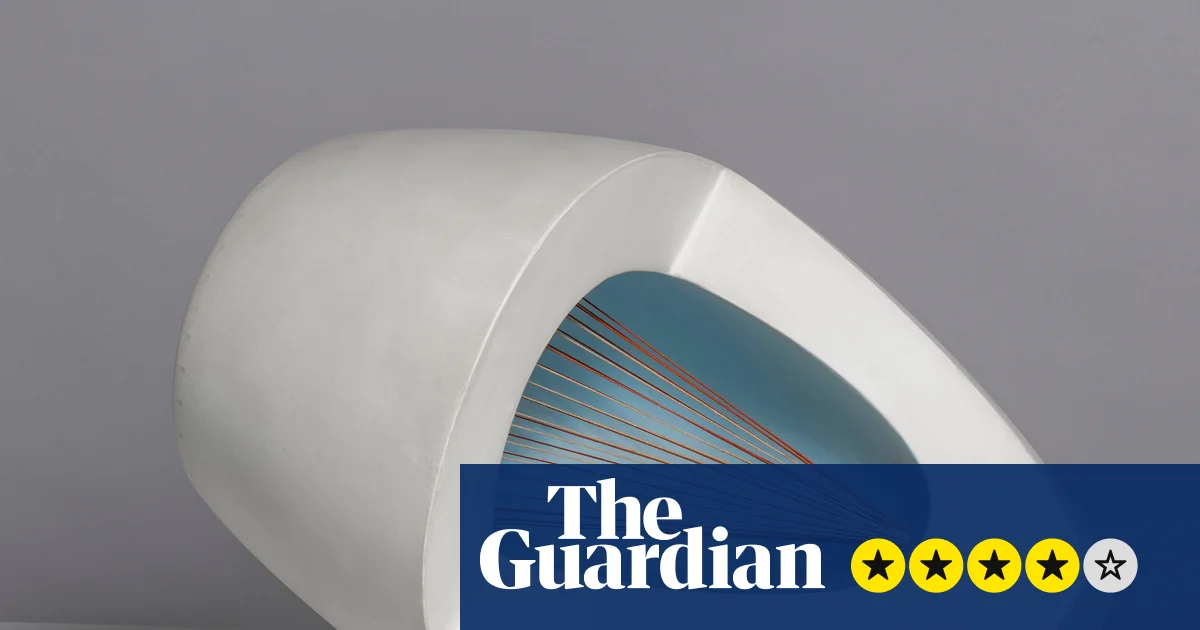
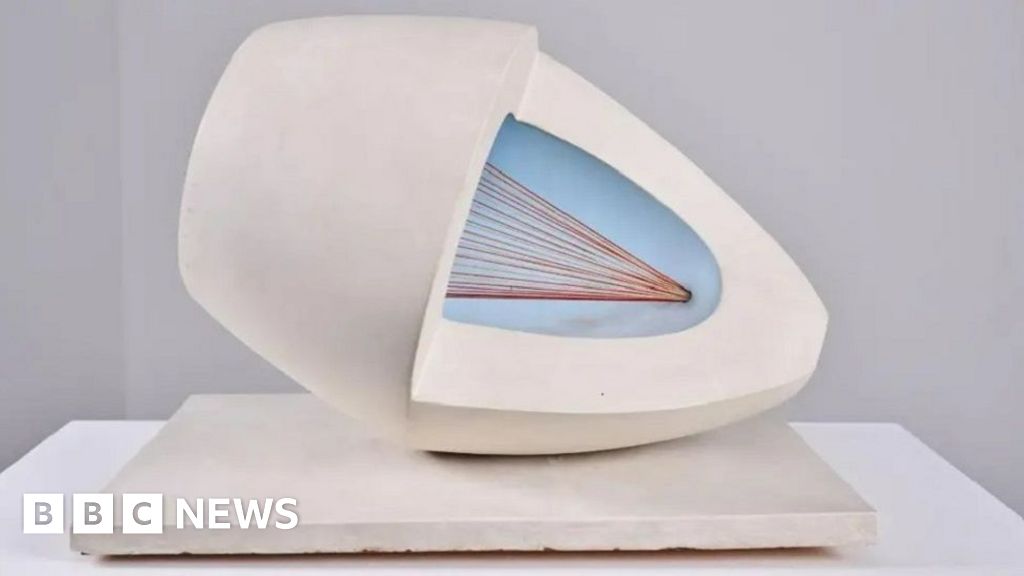
A pair of new exhibitions at the Courtauld Gallery in London shed new light on aspects of Hepworth’s carefully honed artistic persona. Hepworth in Colour is the first exhibition to explore colour in her sculpture, which she first introduced in 1939, in a piece she was working on as she and her family left London for Cornwall: “Five days before war was declared, I took the maquette with me, also my hammer and a minimum of stone carving tools,” she later wrote.