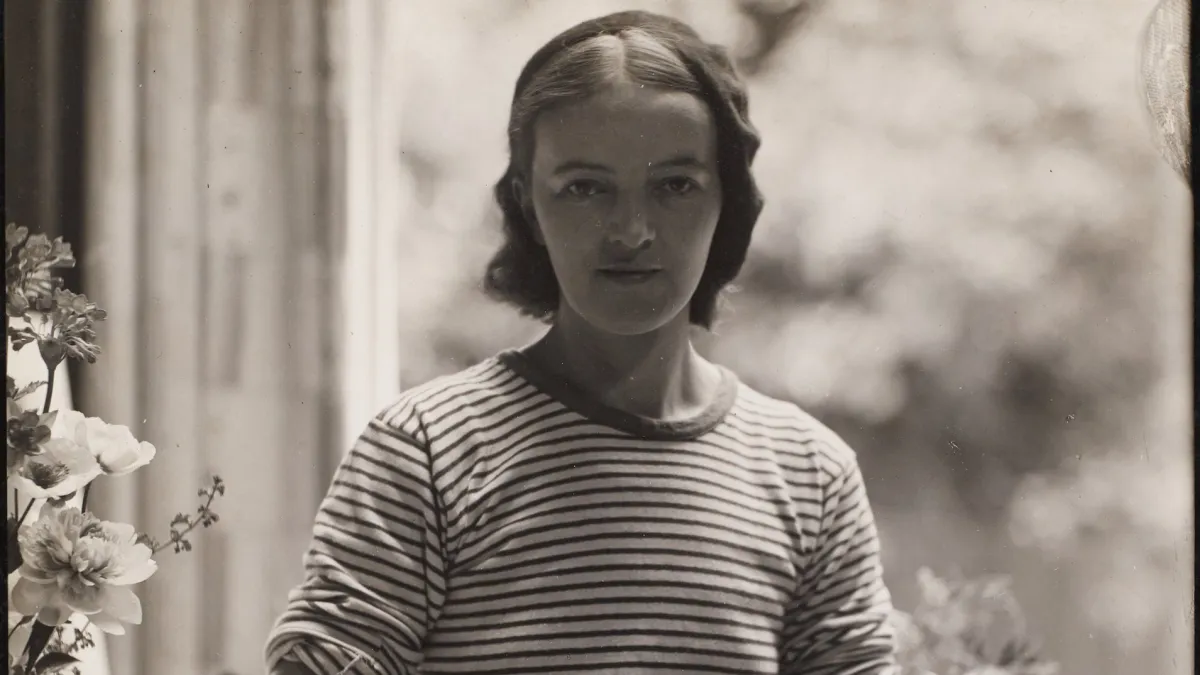
On a spring day in 1947, artist Nina Hamnett returned to her Fitzrovia home studio to discover the aftermath of a fire. Rumours soon spread that she had perished. She had jumped from a window to escape the blaze, people said, and been speared on a wrought iron fence. Someone had – but it wasn’t her. Hamnett was alive and well and on her way to the pub. Nine years later, her actual death was a macabre parallel. The then-destitute Hamnett fell from the window of her Paddington flat and was impaled on the railings. The coroner recorded a verdict of “accidental death”.
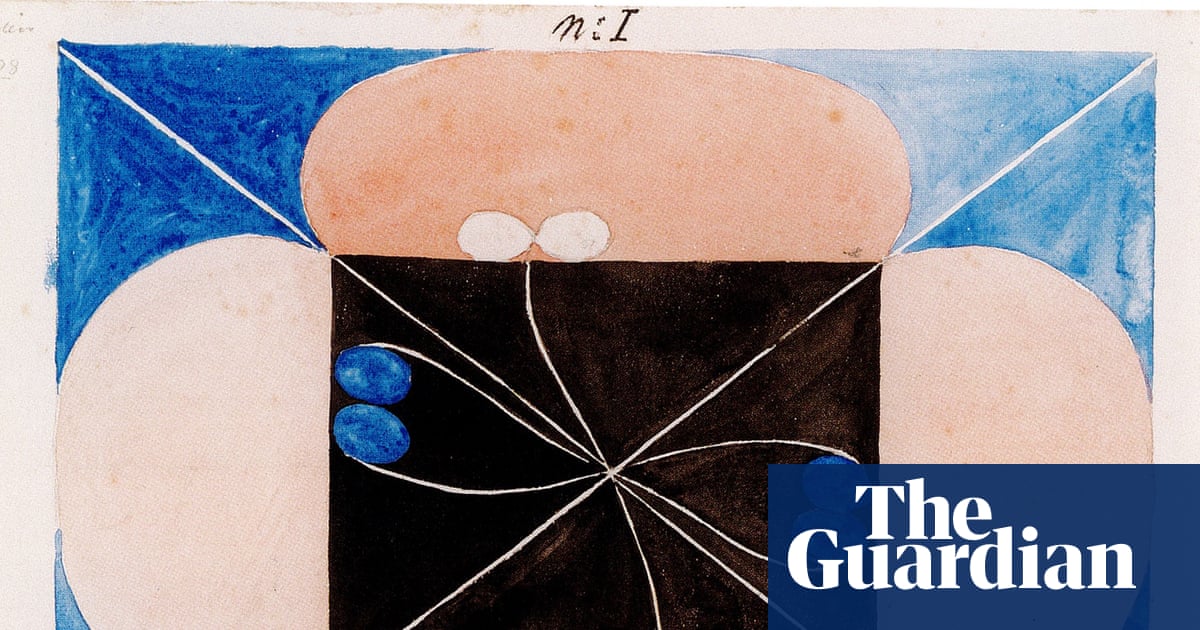
Der Sturm, c1913 © Estate of Nina Hamnett/Bridgeman Images
It was a dramatic ending to a tale of talent repeatedly squandered. Beneath the rot of alcoholism and the lacklustre veneer of her late-career landscapes was an artist who, at her best between the 1910s and 1930s, was on a par with her celebrated Bloomsbury peers. Her long-unsung brilliance is now being illuminated by a small but significant show at Tate Britain.
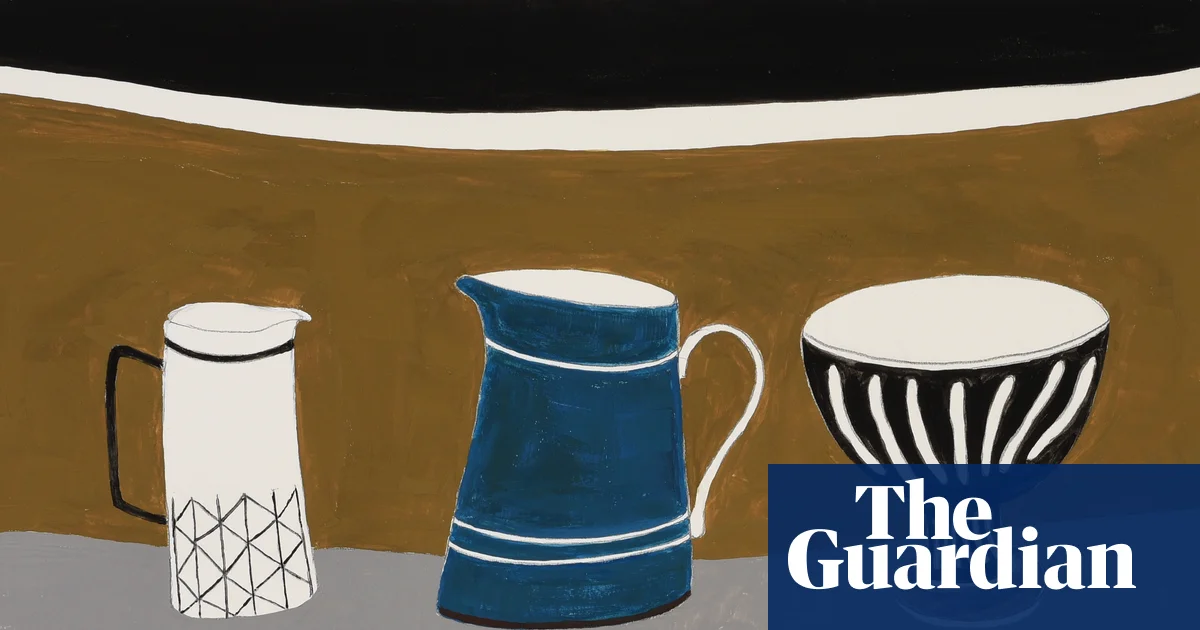
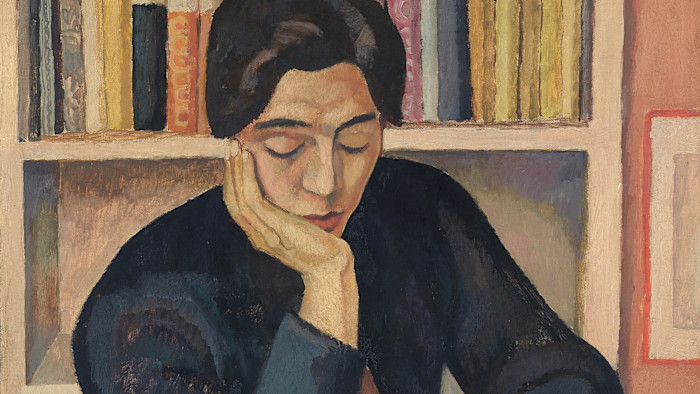
“Many of her portraits, like the one of her mentor Walter Sickert, show a real connection to their subject,” says curator Thomas Kennedy. “She wanted to capture a slightly absurd element to people, but with warmth.” In 1924 she described her artistic intention as “creating psychological portraits that represent the spirit of the age”. Her still lifes, too, are magnetic. “She congregates objects in a geometric, cubist way,” says Kennedy. “It was her own language of post-impressionism.”