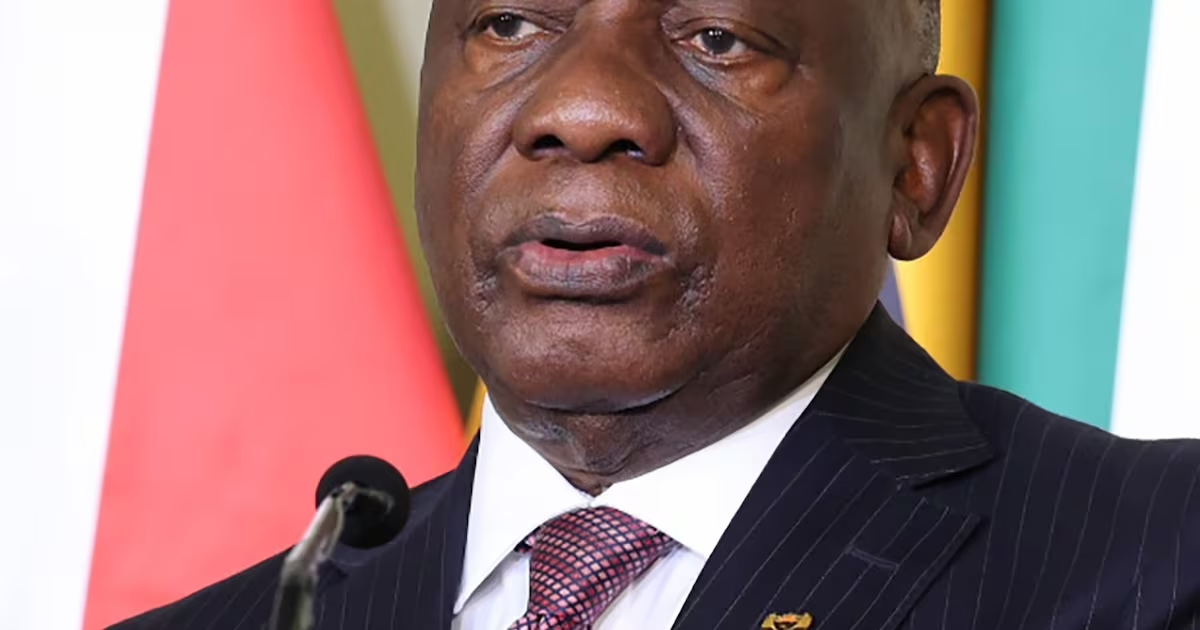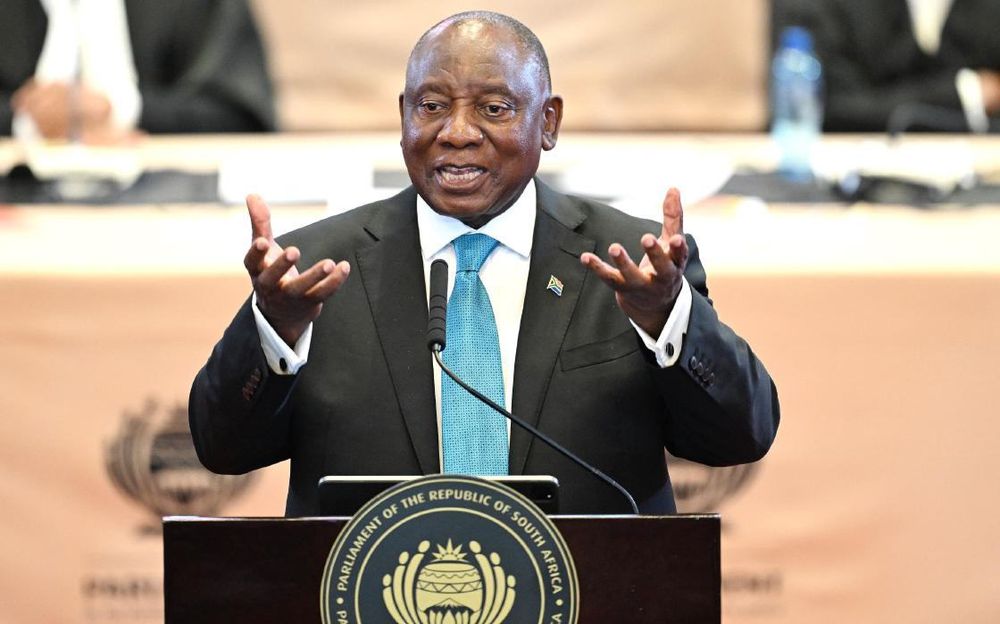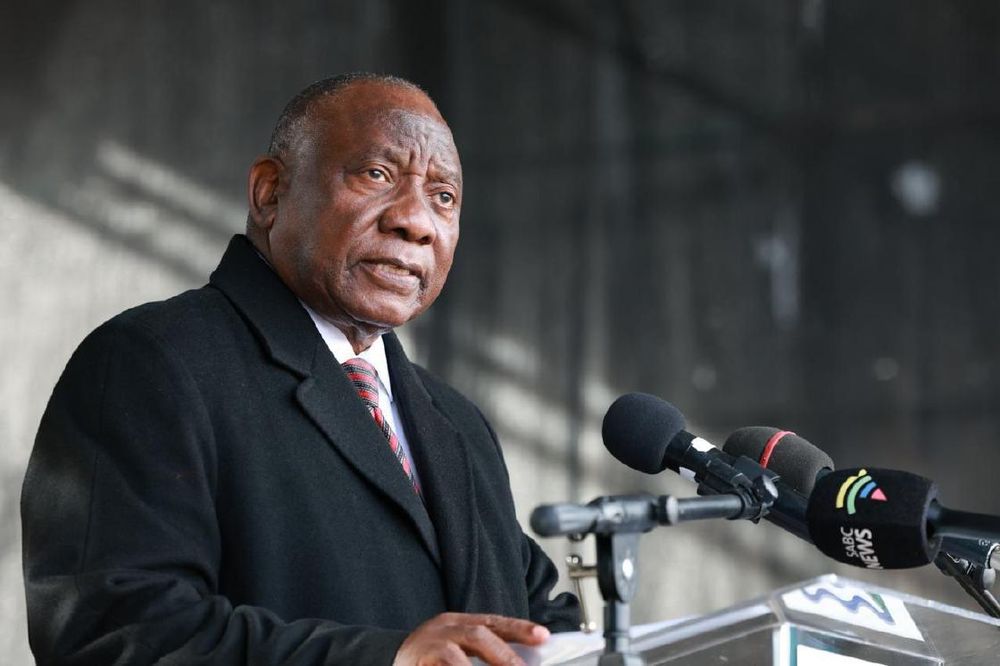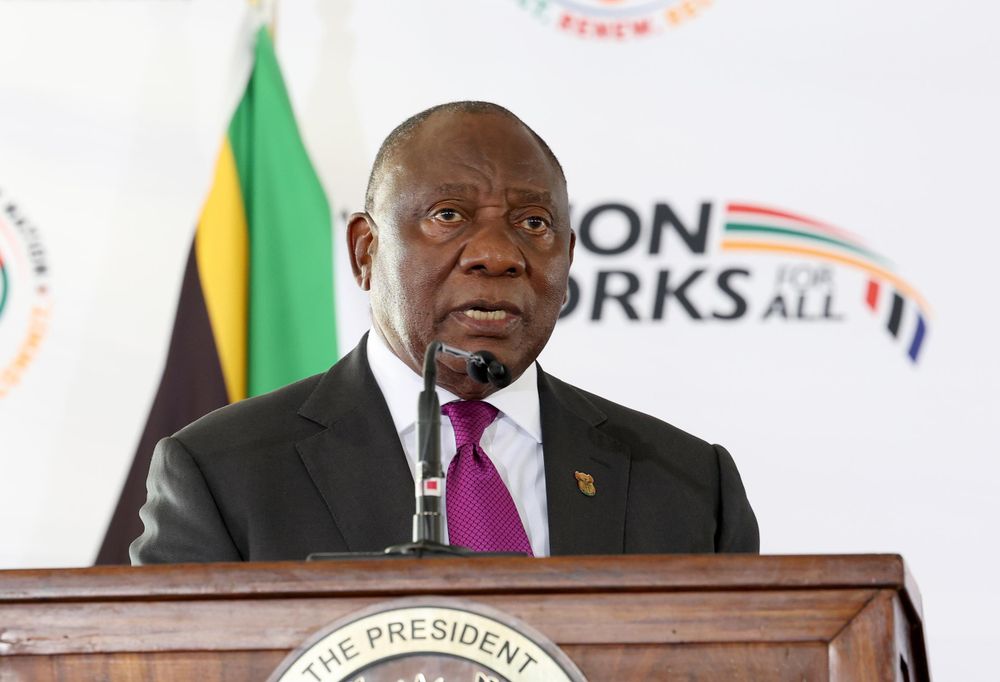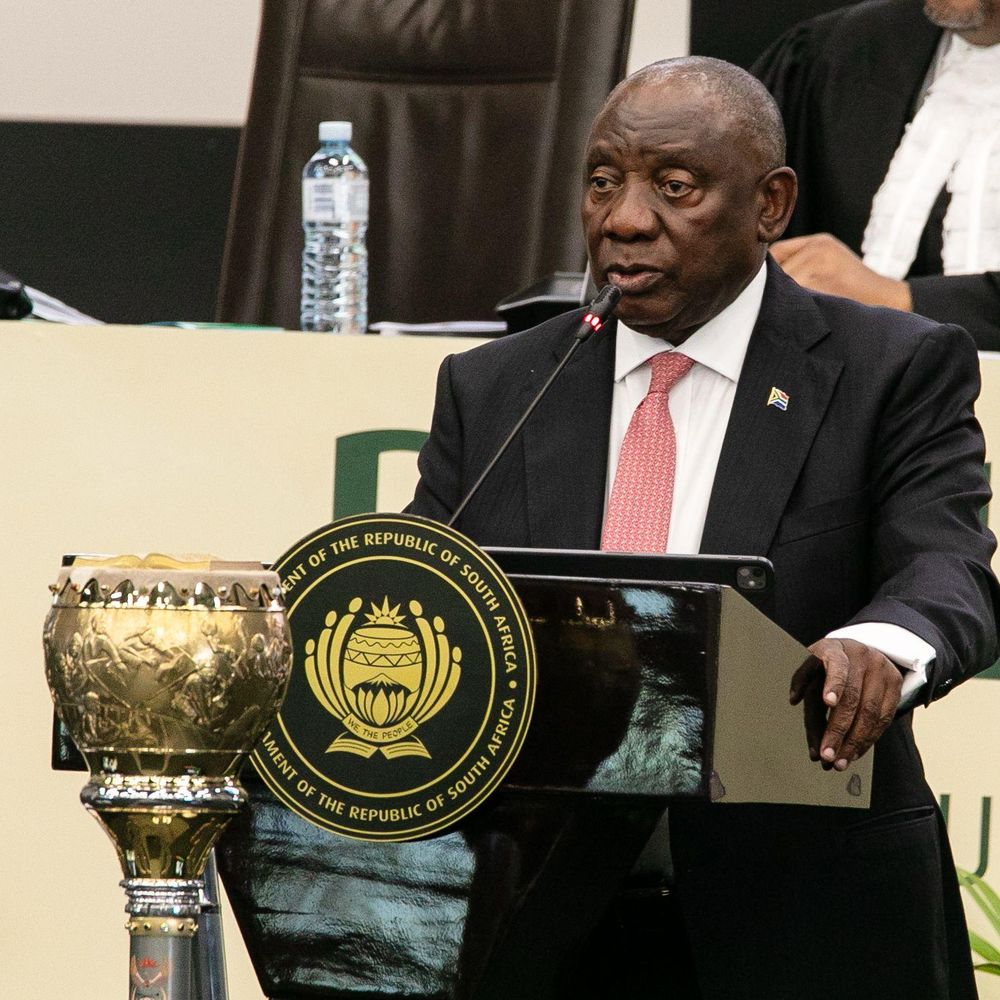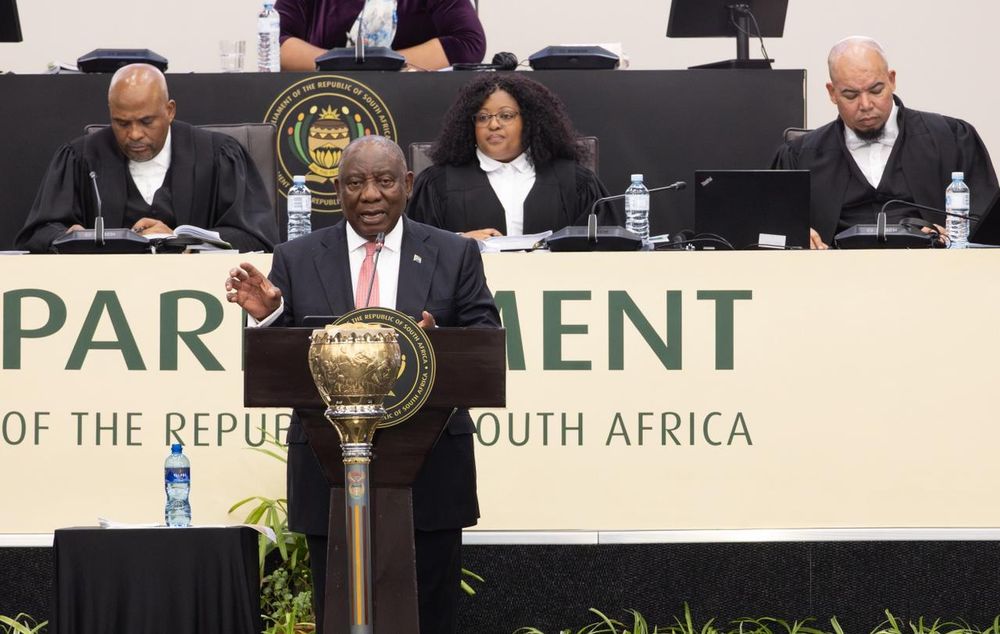
President Cyril Ramaphosa’s challenge to the parliamentary process puts South Africa’s democracy to a crucial test.
South Africa's constitutional democracy was founded on a simple but profound principle: no person, regardless of rank, office, political influence, or historical stature, stands above the law. It is a principle that transformed a nation emerging from apartheid into a constitutional state governed not by personalities but by institutions.
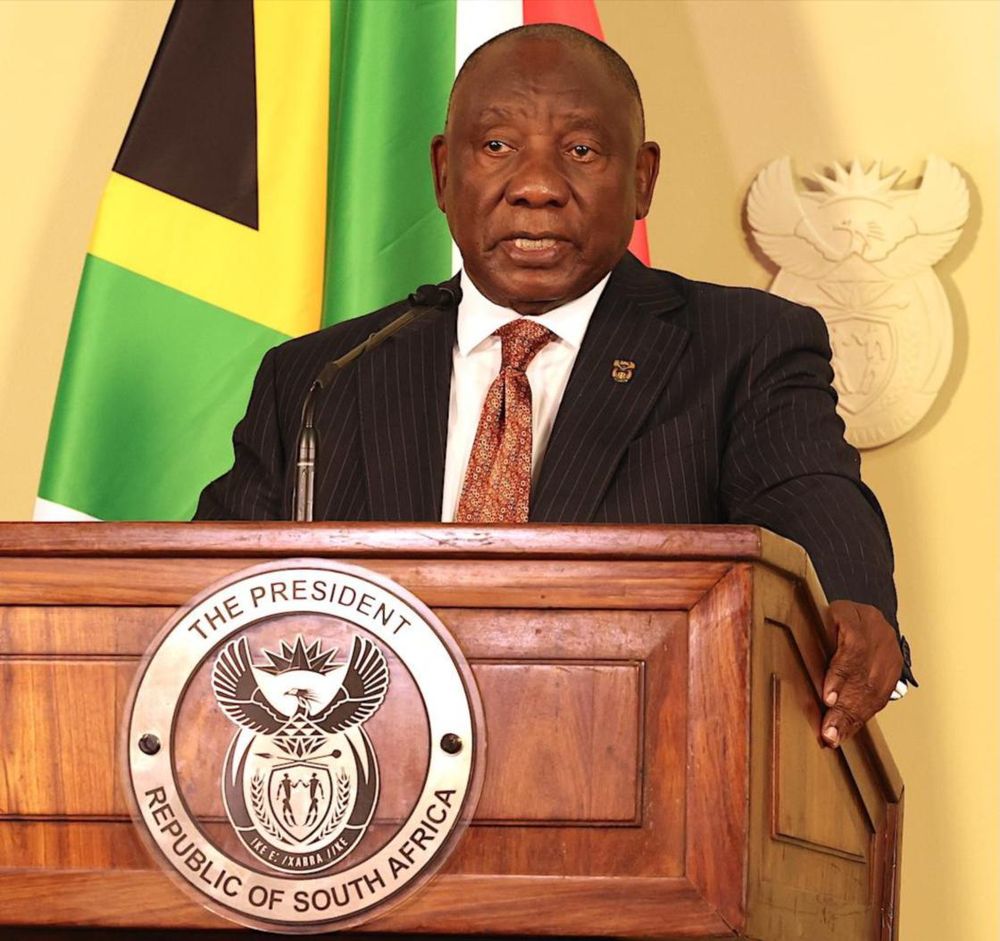
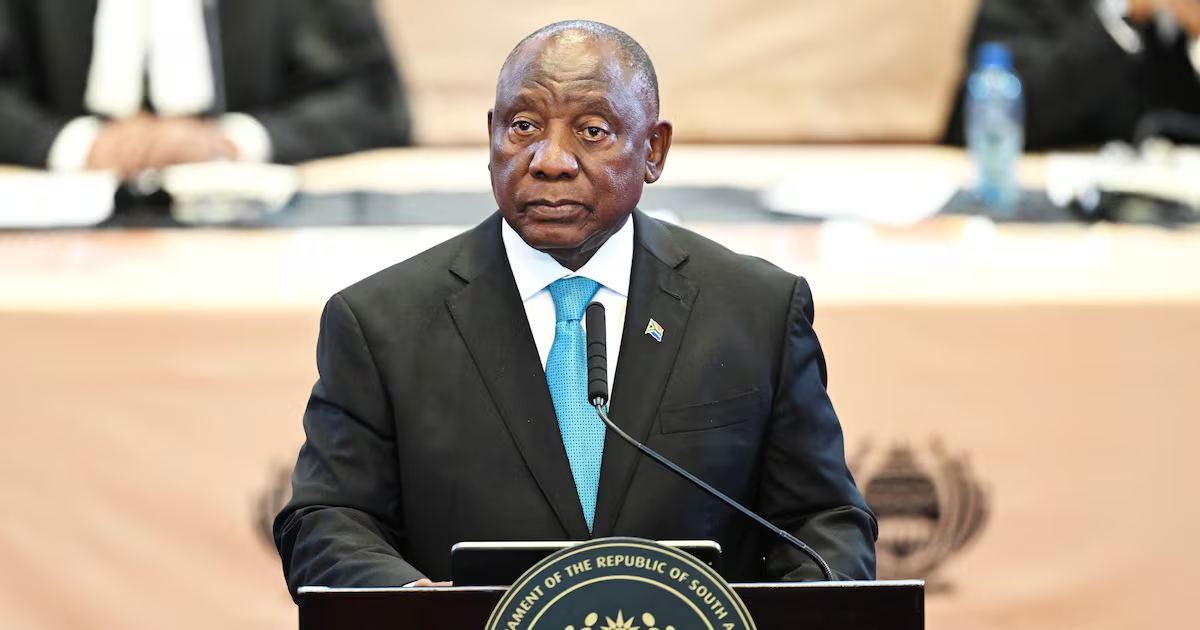
It is therefore deeply troubling that President Cyril Ramaphosa has reportedly approached the courts urgently to seek an interdict halting Parliament's impeachment-related processes arising from the Phala Phala controversy.
The legal merits of such an application will ultimately be determined by the courts. Every citizen, including the president, enjoys the constitutional right to seek judicial relief. Yet beyond the legal technicalities lies a larger political and constitutional question: what message is sent when the head of state seeks to suspend a parliamentary accountability process designed precisely to scrutinise the conduct of those who hold high office?
For years, President Ramaphosa has positioned himself as a champion of constitutionalism, accountability, transparency, and institutional reform.