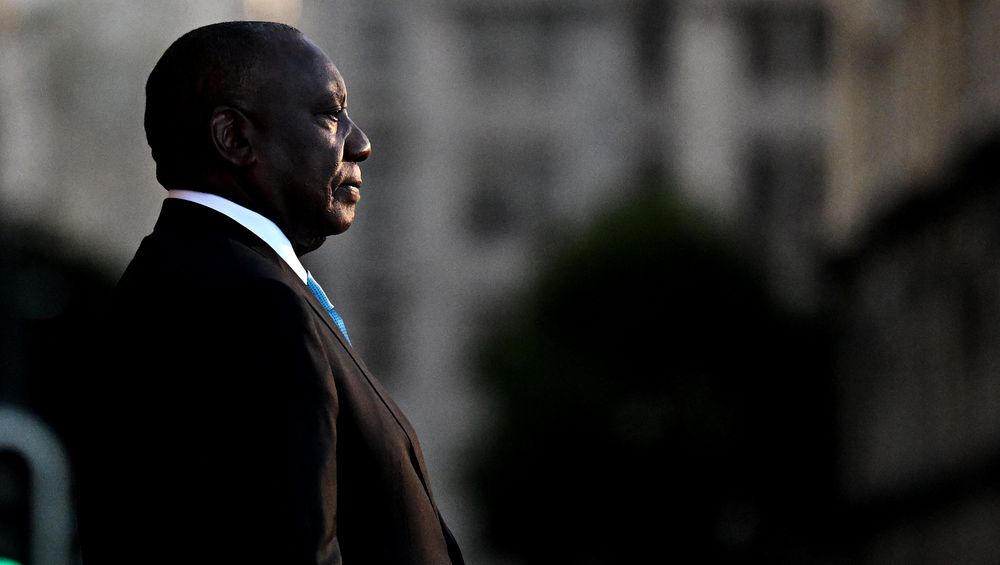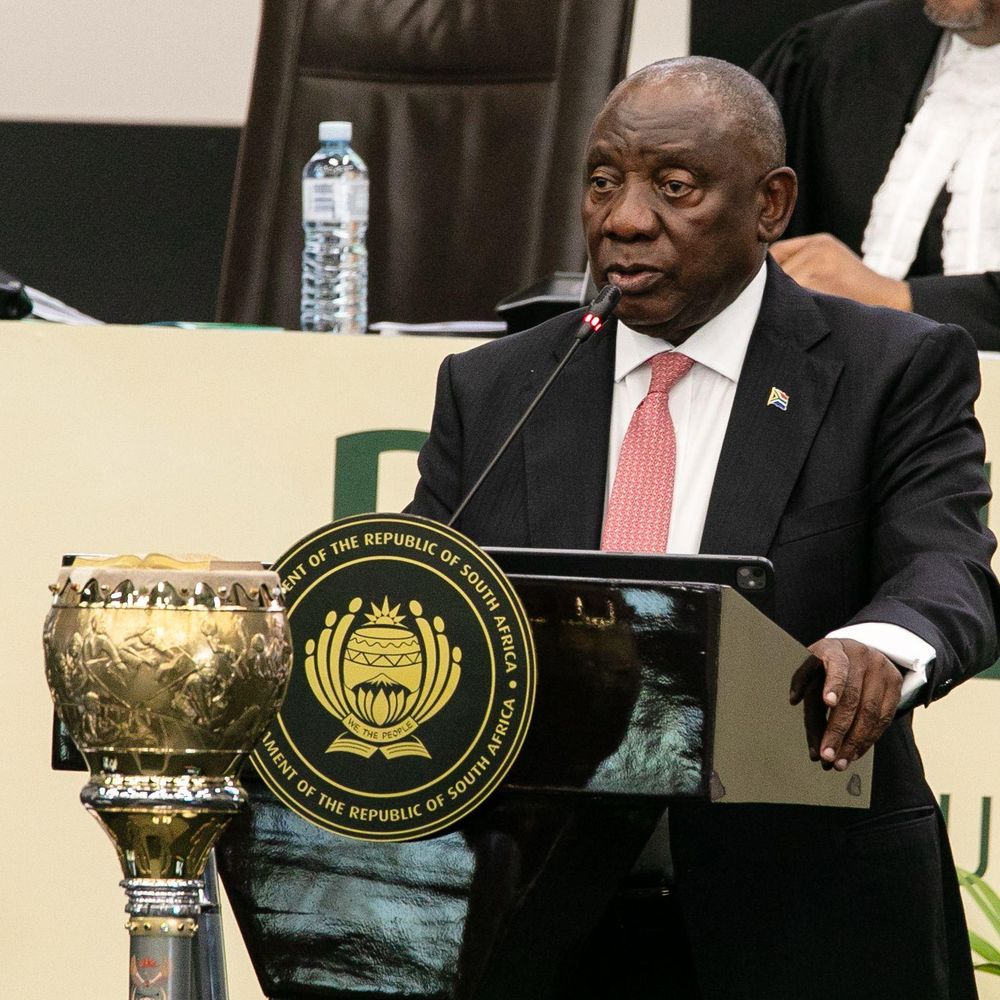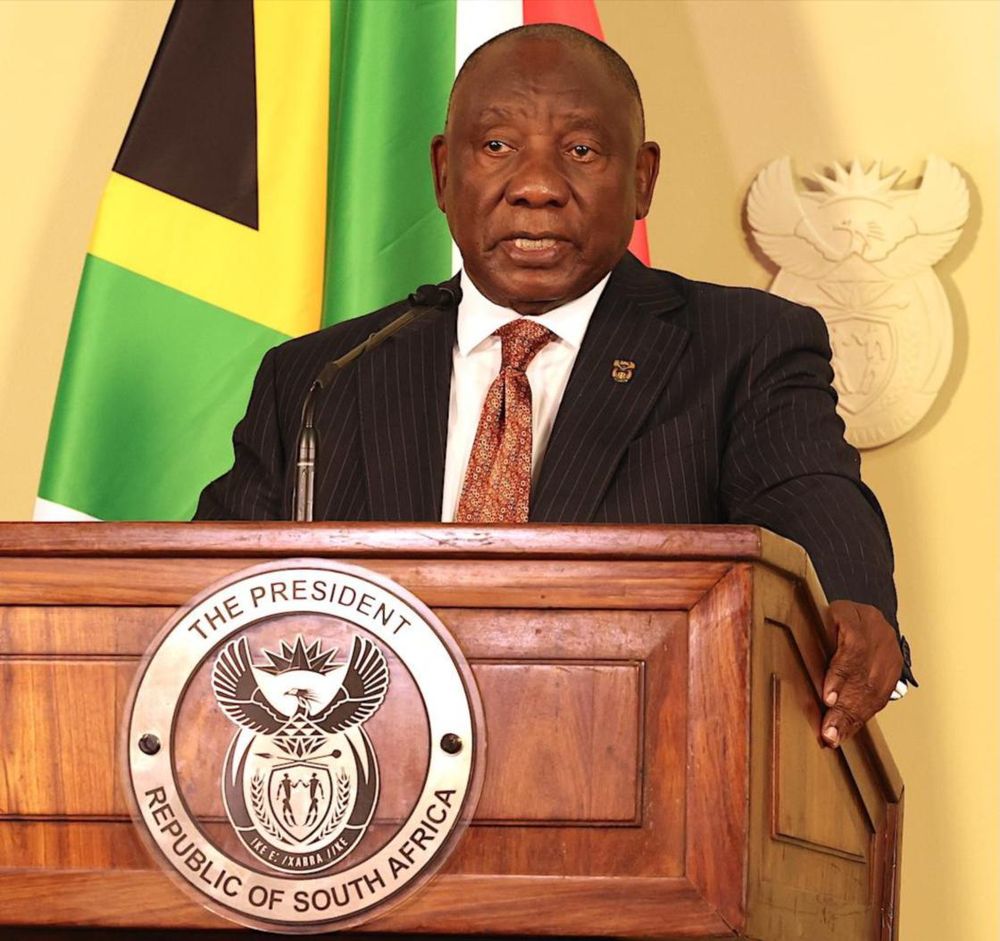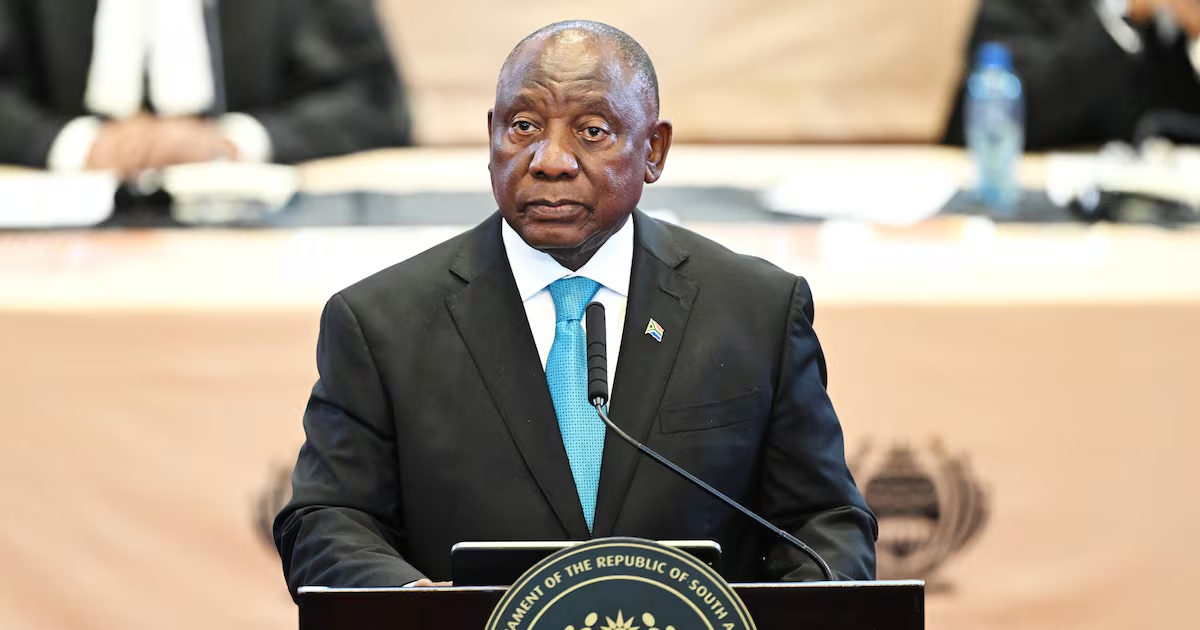
President Cyril Ramaphosa is right to urgently seek a court-imposed halt to the proceedings of parliament’s impeachment committee, just as it is correct for parliament to assert its right to oppose the application. However, the interests of both parties will best be served by having judgments on both the impeachment committee’s proceedings and Ramaphosa’s application for a judicial review of the panel report handed down as soon as possible. This will provide much-needed legal certainty and avoid parliament engaging in possibly unnecessary deliberations. The Constitutional Court ruled that, in December 2022, the National Assembly was obliged to automatically refer the report of the independent panel chaired by retired judge Sandile Ngcobo to an impeachment committee for further investigation and that it did not have the discretion to simply vote against adoption of the report. The court ordered parliament to set up the committee, and it is duty-bound to comply with this instruction. The panel’s report found that there was prima facie evidence that Ramaphosa had breached the constitution and committed serious misconduct in relation to the 2020 theft of foreign currency from his Phala Phala game farm and that this required further investigation by an impeachment committee. Ramaphosa in his affidavit to court to have the panel’s report declared unlawful and set aside has claimed that it contains fundamental flaws. These include the panel’s unquestioning reliance on hearsay and unlawfully obtained evidence; its use of the lower threshold of a prima facie case rather than the required bar of sufficient evidence; and its failure to establish that Ramaphosa actually committed the alleged offences rather than that he might have done so. It is only just that the Western Cape High Court reviews the soundness of the panel’s report. The president also has solid grounds for wanting the outcome of this judicial review to precede the parliamentary impeachment process. It would be an embarrassment and a waste of parliament’s time if it were to hold prolonged impeachment proceedings on the basis of a report subsequently found to be fundamentally flawed. Ramaphosa’s urgent application for an interdict against the proceedings will be heard in the Western Cape High Court on July 15 and 16. As the president rightfully says in his court papers, he would suffer irreparable harm in the process as “the hearings will allow baseless and unfounded allegations which may potentially be defamatory to be made against me”. The circulation of these allegations would persist for as long as the court takes to make a ruling on the panel’s report. On the other hand, Ramaphosa’s interdict application could be regarded as a repeat of Zuma’s “Stalingrad tactics” to avoid accountability, and admittedly, it does not cast a favourable light on the president.It is possible the review application and the subsequent inevitable appeals against the judgment handed down could take years to finalise, indefinitely delaying clarity on the events surrounding the Phala Phala saga and Ramaphosa’s role in them. It is even possible that this is not finalised before the formal end of Ramaphosa’s term of office in 2029, which would nullify any impeachment.He would in any case have the opportunity to present his side of the story before the impeachment committee if it went ahead with its proceedings.The need for a fair process, independent of opposition parties’ wish to remove Ramaphosa from office, has to be balanced by the need for legal clarity as soon as possible.
EDITORIAL | Legal clarity urgently needed on Phala Phala report
Legal clarity needed quickly on Ramaphosa’s Phala Phala challenge and impeachment
567 words~3 min read