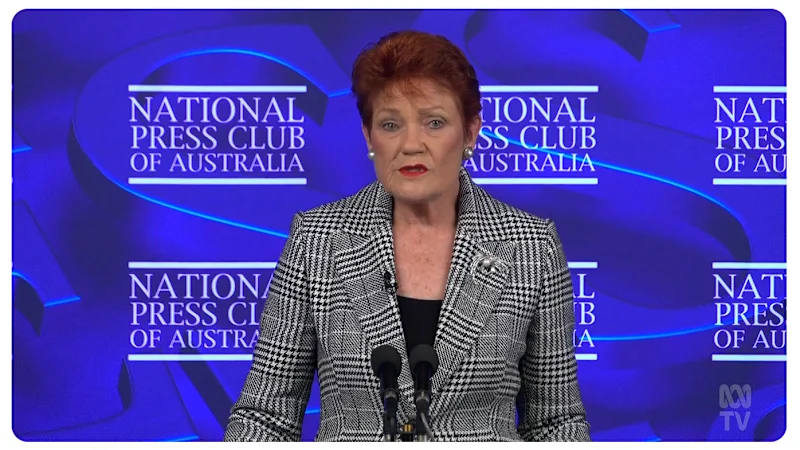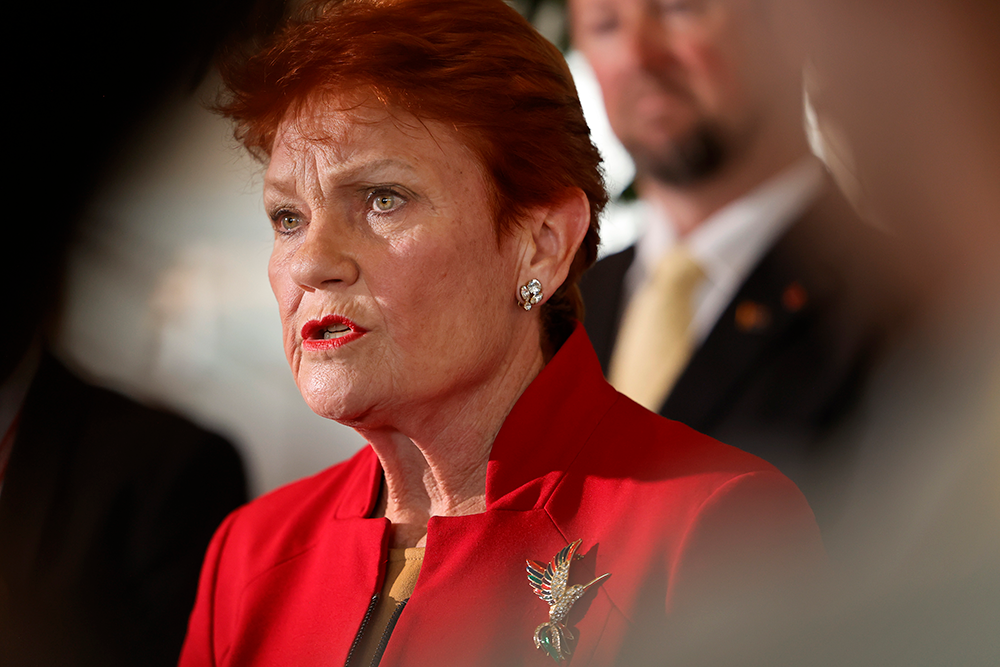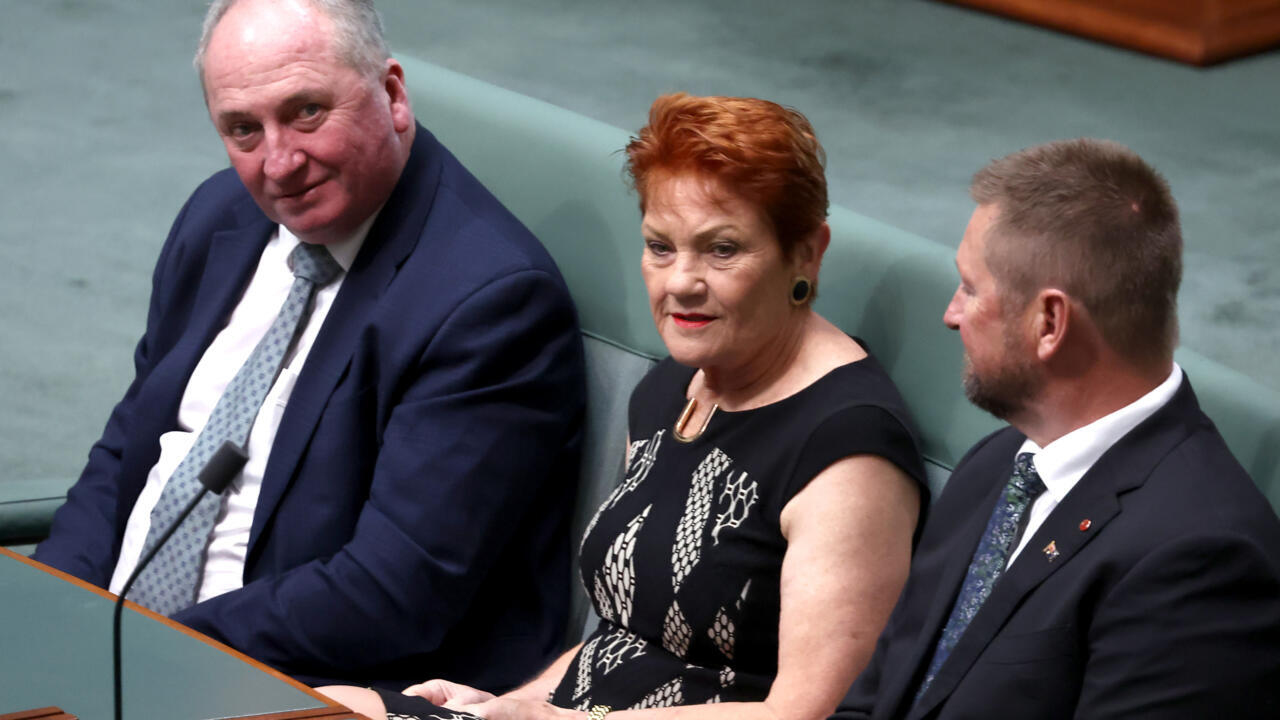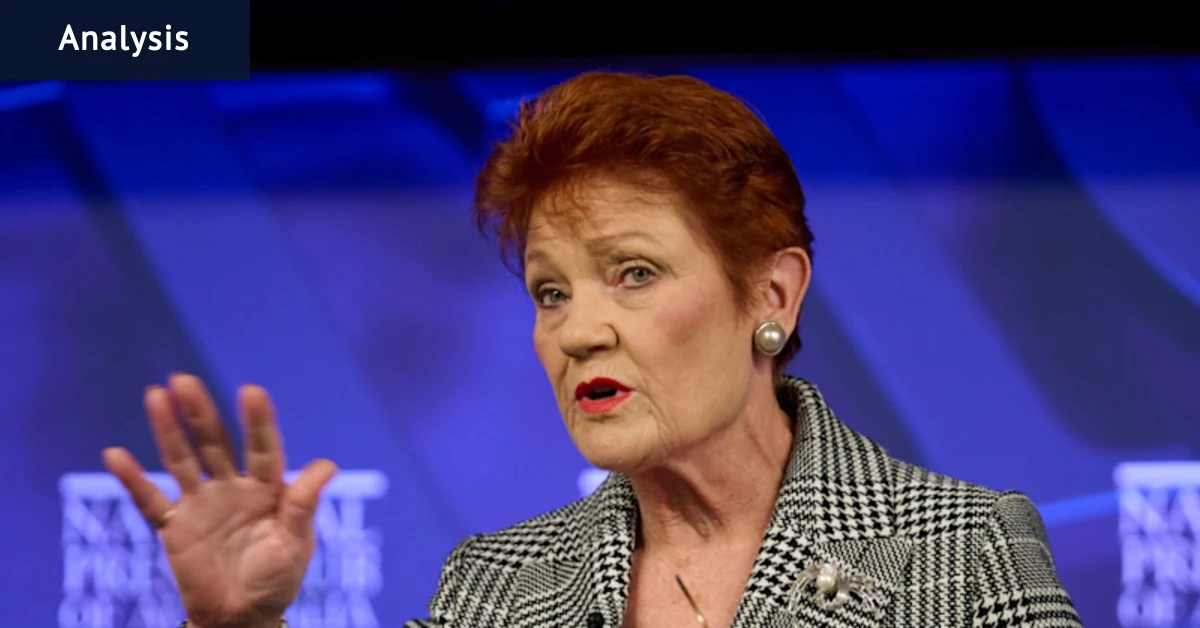
Politics is disconnecting from long-held assumptions at historic speed and no one knows where the great unhinging will take us. On the climate crisis, denial is back in vogue – depending on what the algorithm feeds you.One Nation’s surge in the polls suggests, for now at least, it is vying to be the most popular political party in the country. It does not accept the overwhelming evidence that the planet is warming and that extreme weather is getting worse. Instead, it argues the climate change department should be abolished because – in the strawiest of strawman arguments – it hasn’t changed the climate.It is unlikely that many voters are flocking to Pauline Hanson for her scientific insights – the rejection of major party politics is about much more than that – but that is where they are lining up, regardless.This is happening as temperature records continue to be broken, and as long sought-after climate solutions are increasingly affordable and within reach. The extraordinary rise of rooftop solar and household batteries systems in Australia is fundamentally changing how we get energy, and giving people more control over how they power their homes.The rollout of large-scale wind and solar farms is not going quite as smoothly. But the shift in recent years has still been extraordinary, putting the country on the cusp of 50% of electricity generation coming from solar, wind and hydroelectricity.
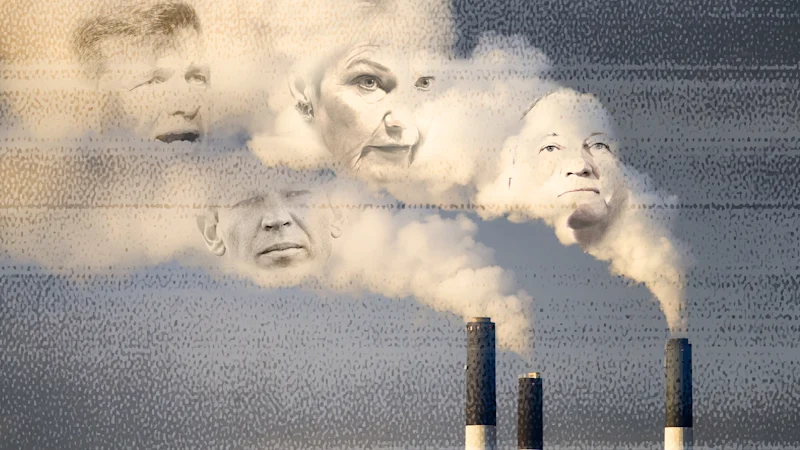
Denial is back in vogue. As Australia leads climate talks, it’s beyond time we took the issue seriously
It is unlikely that many voters are flocking to Pauline Hanson for her scientific insights – but that is where they are lining up, regardless
TL;DRAI
Chris Bowen proposed a 35% global electrification target by 2035 to meet Paris 1.5°C and reduce fossil fuel shocks. Tech leaders should note: grid modernization and renewable consolidation will reshape enterprise power sourcing and infrastructure investment.
1,216 words~6 min read