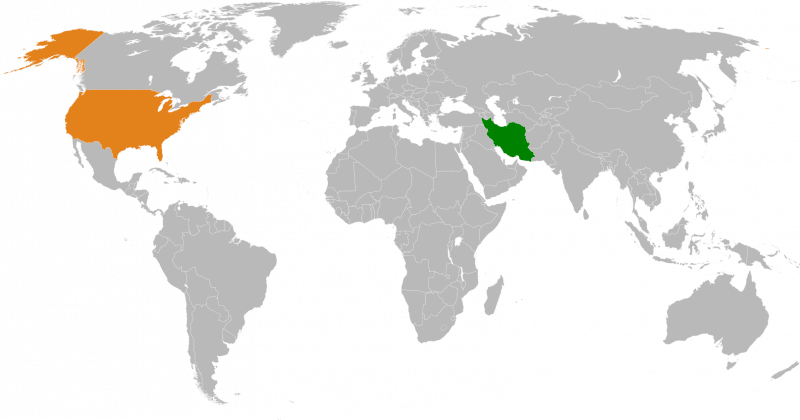
For the next 60 days, Iran gets to keep selling oil, the Strait of Hormuz stays open, and nobody shoots at anybody. That’s the gist of a reported framework between Washington and Tehran that could reshape energy markets and, by extension, every asset class that tracks geopolitical risk, including crypto.
Dror Balazada, a senior analyst for Israel’s Channel 14 news, laid out the terms on June 13. Iran continues its oil exports, gains access to frozen asset credits for humanitarian goods, and avoids military confrontation, though Israel reportedly retains self-defense rights. After the 60-day window closes, President Trump decides what happens next.
What the deal actually looks like
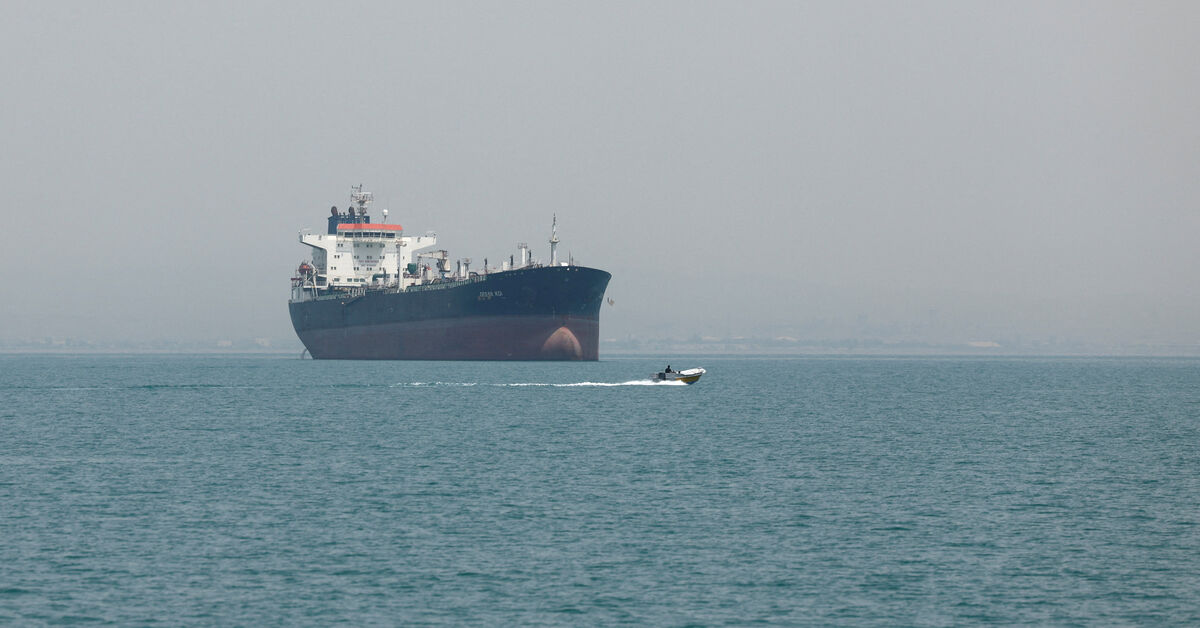
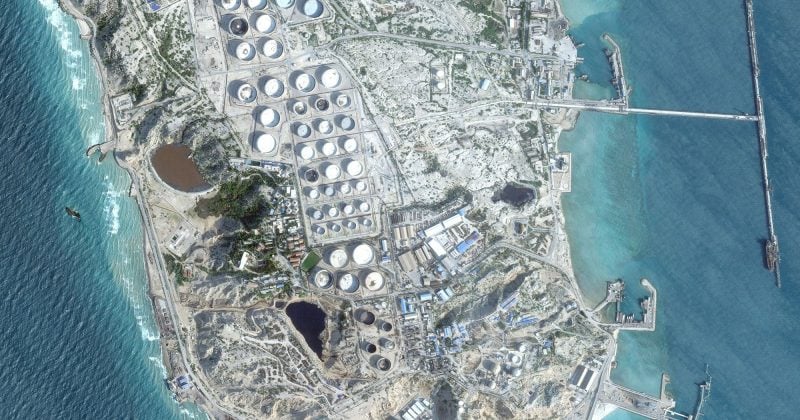
Iran’s oil exports reportedly peaked at roughly 2.1 million barrels per day in early 2026, a figure that climbed steadily even as sanctions pressure mounted. Allowing those sales to continue isn’t a concession so much as an acknowledgment of reality. Iran was already selling, and buyers, mostly in Asia, were already buying.
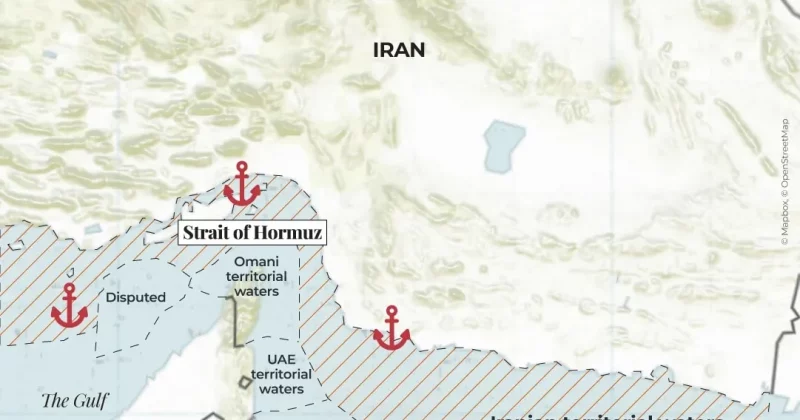
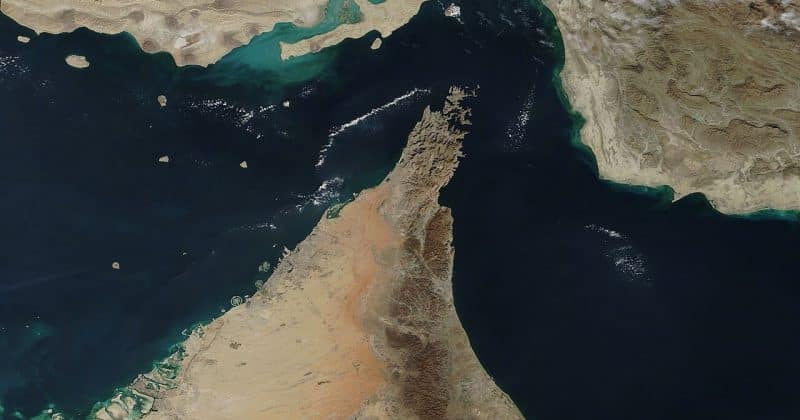
About a fifth of the world’s petroleum passes through the Strait of Hormuz every day. Earlier disruptions in 2026 sent shockwaves through energy markets, and the mere threat of closure tends to add a risk premium to every barrel of crude on the planet.