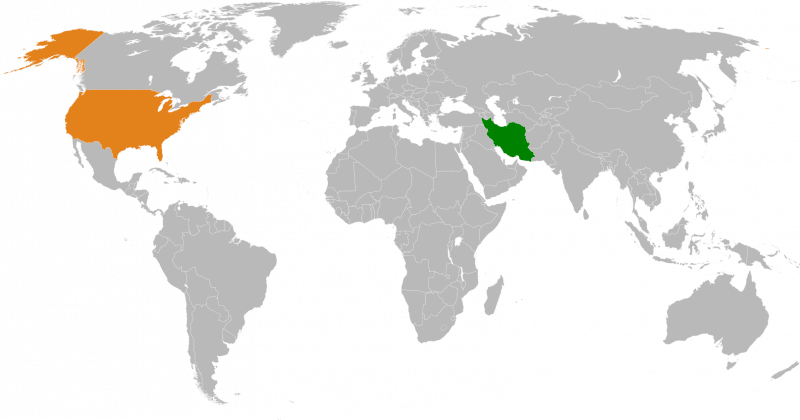
The US and Iran have agreed to a 60-day cease-fire framework that, if formally signed, would reopen the Strait of Hormuz toll-free and lift the American naval blockade on Iranian ports. Oil dropped 3-5% on the news. Bitcoin jumped past $65,000.
The framework was reached between June 14-15, with a memorandum of understanding signed on June 17. The formal signing is expected around June 19 in Geneva. For a conflict that has rattled energy markets for months, the timing matters: this is the narrowest window of diplomatic progress since hostilities escalated earlier in 2026.
Why the Strait of Hormuz changes everything
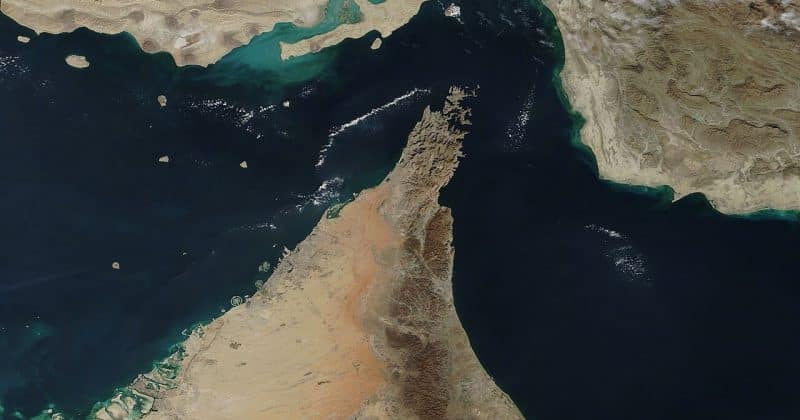
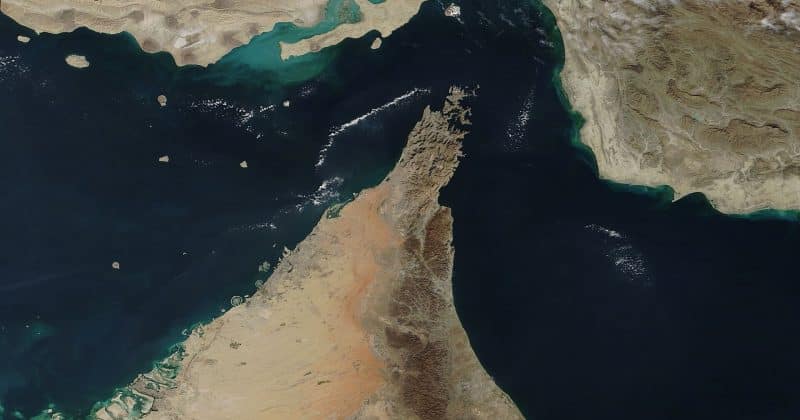
Roughly 20% of all seaborne oil on the planet passes through the Strait of Hormuz. When that chokepoint gets disrupted, the ripple effects touch everything from gas station prices in Ohio to manufacturing costs in Seoul.
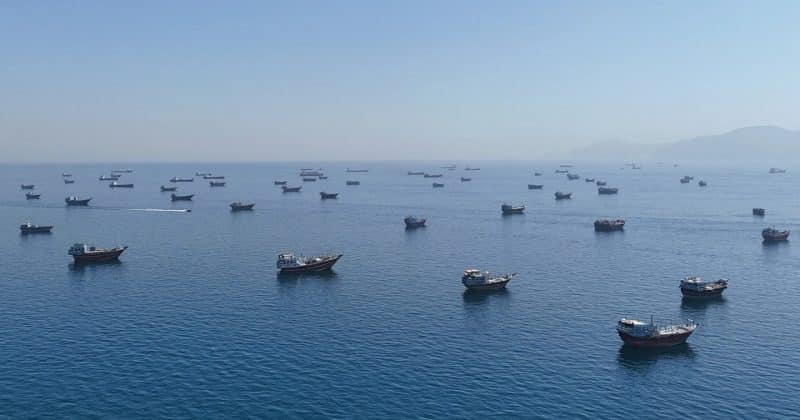
The preliminary deal calls for that strait to reopen without tolls, a critical detail that distinguishes this agreement from earlier proposals. Previous short-lived ceasefires in the 2026 conflict failed to address the Hormuz question this directly. The lifting of the US naval blockade on Iranian ports is the other headline provision, which would begin restoring normal shipping patterns in the Persian Gulf.