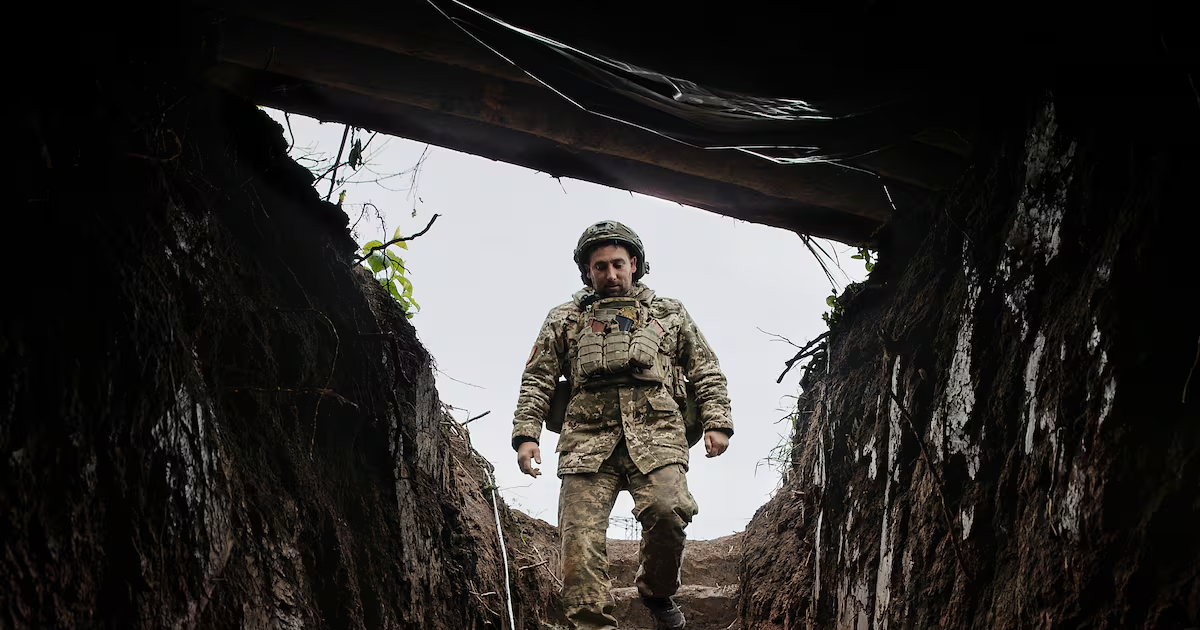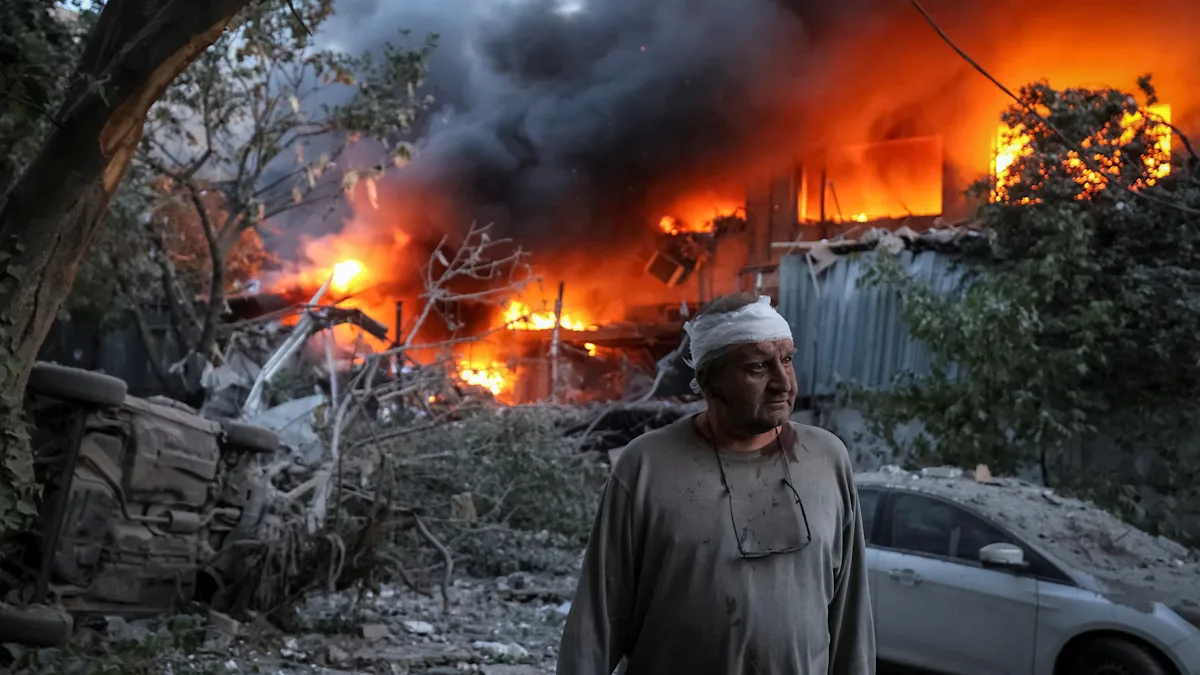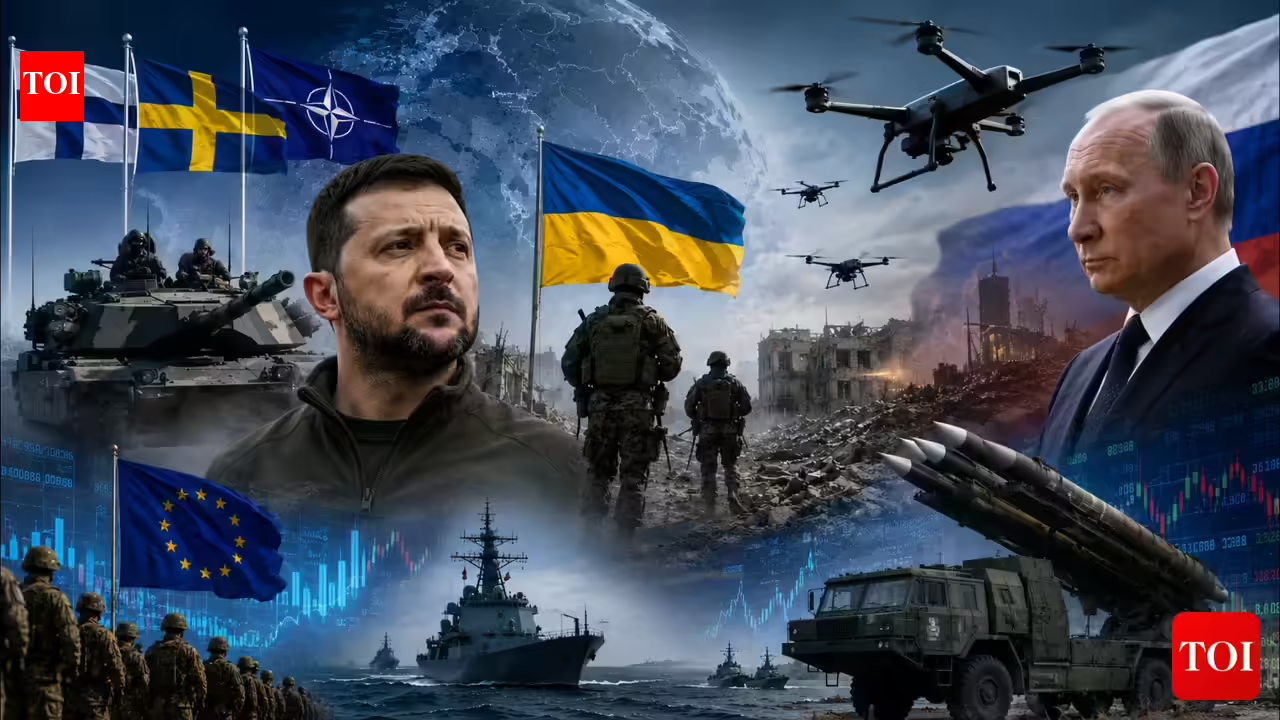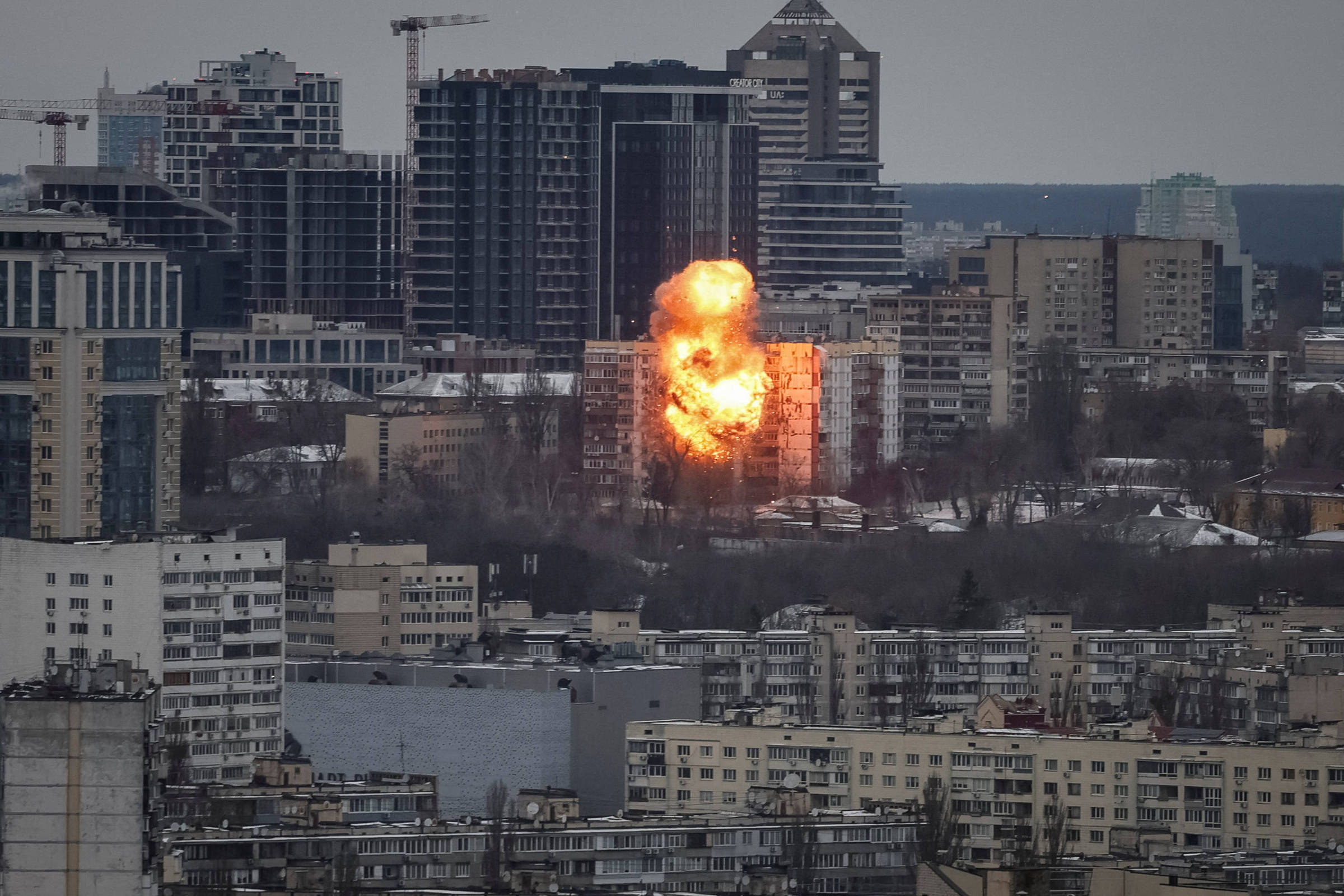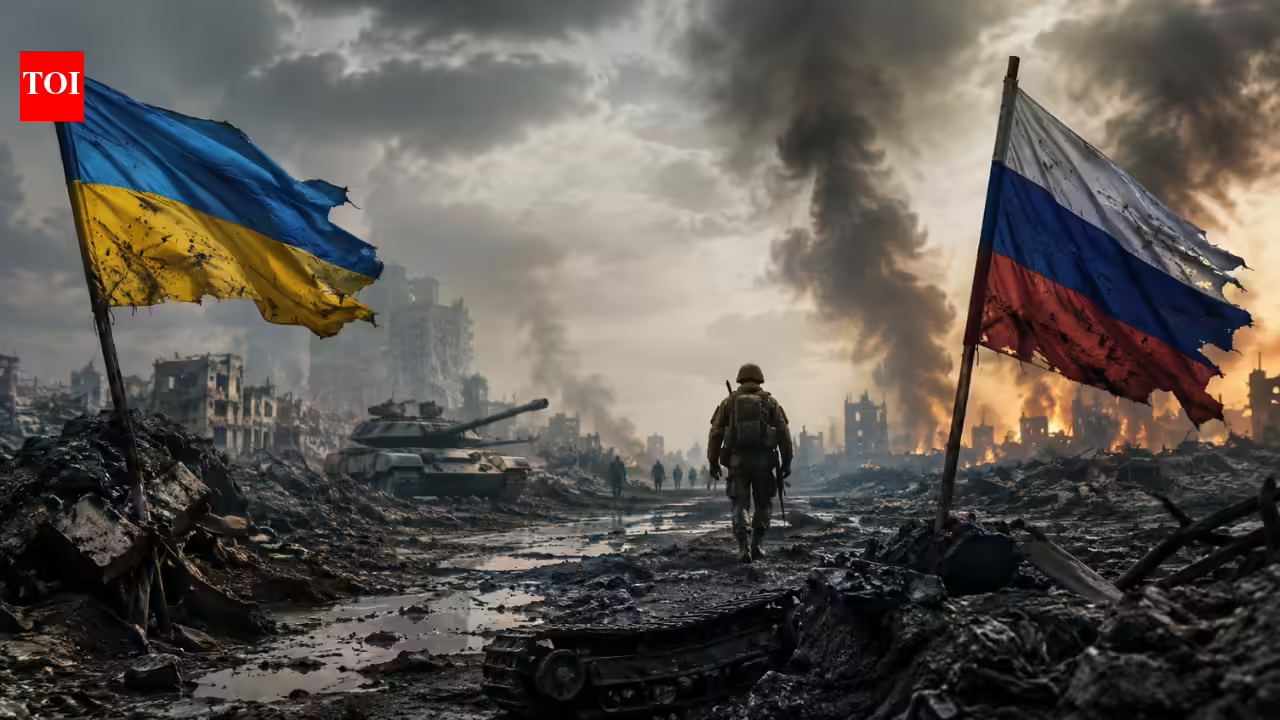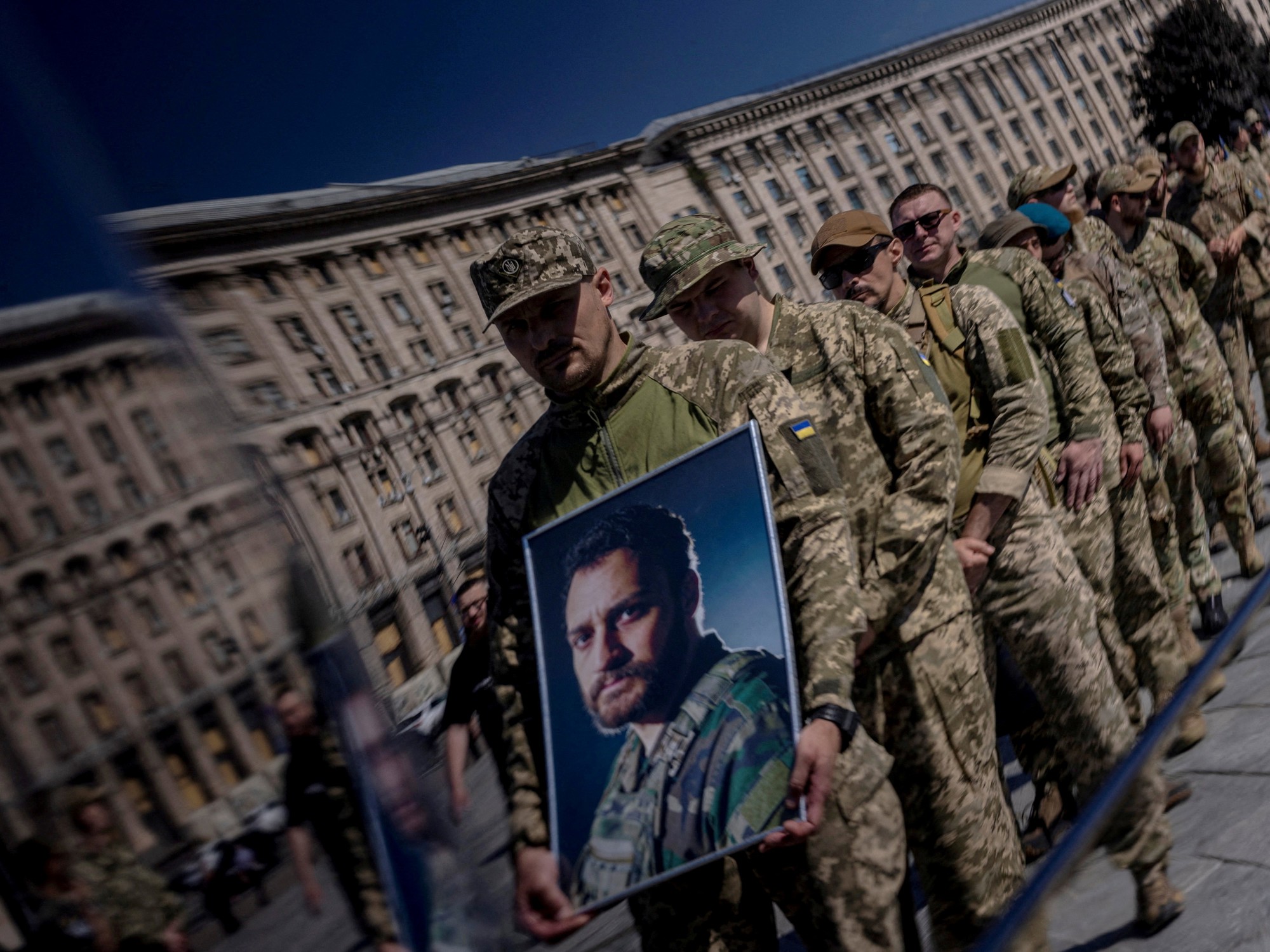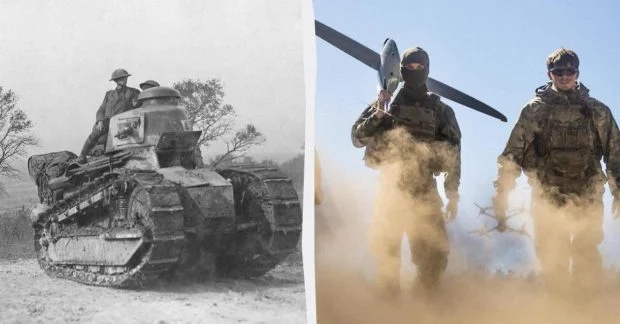
On June 11th Europe passed a sombre milestone. As of that date, the fighting in Ukraine had ground on for longer than the first world war. In a grim irony, a conflict that looked like it might last just a few days, as Russian troops confidently stormed towards Kyiv in February 2022, has outlasted one some assumed would be „over by Christmas” in 1914. Whether in this century or last, war has defied the best-laid plans of military high commands. Soldiers were promised triumphant parades in conquered capitals, but soon found themselves bogged down, often literally. Conscripts defending their homelands huddled in foxholes, their trenches turned to quagmire. Novel weapons—tanks, machineguns and mustard gas back then, drones today—reshaped warfare. Men died, families grieved. Maps were updated as towns and villages, or rather what was left of them, changed hands.
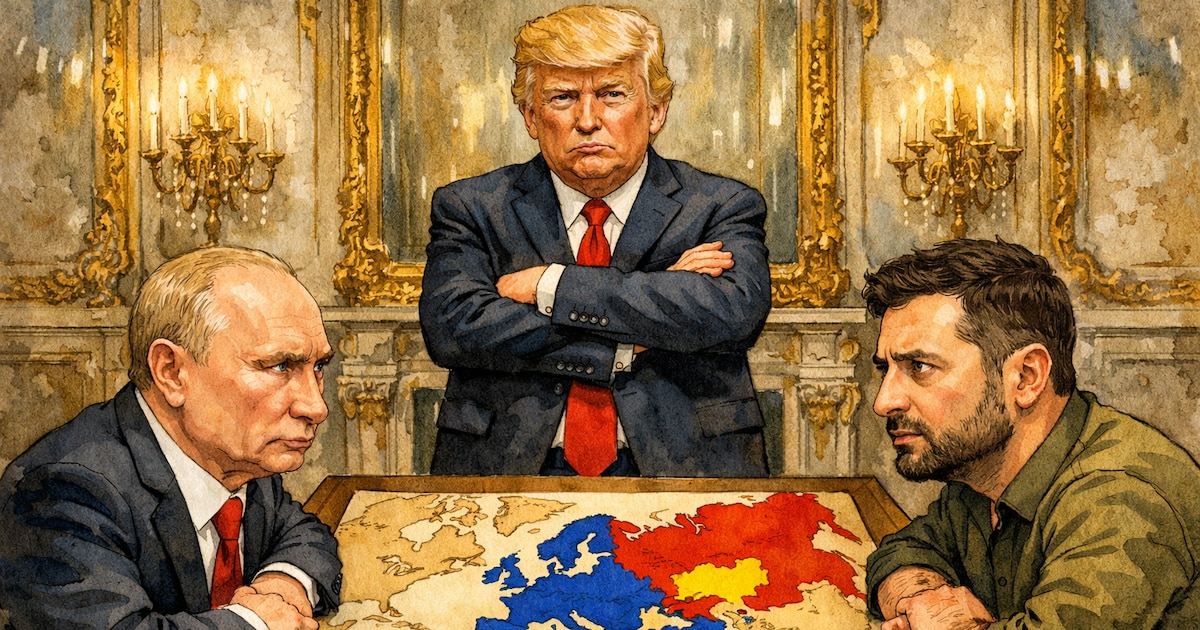
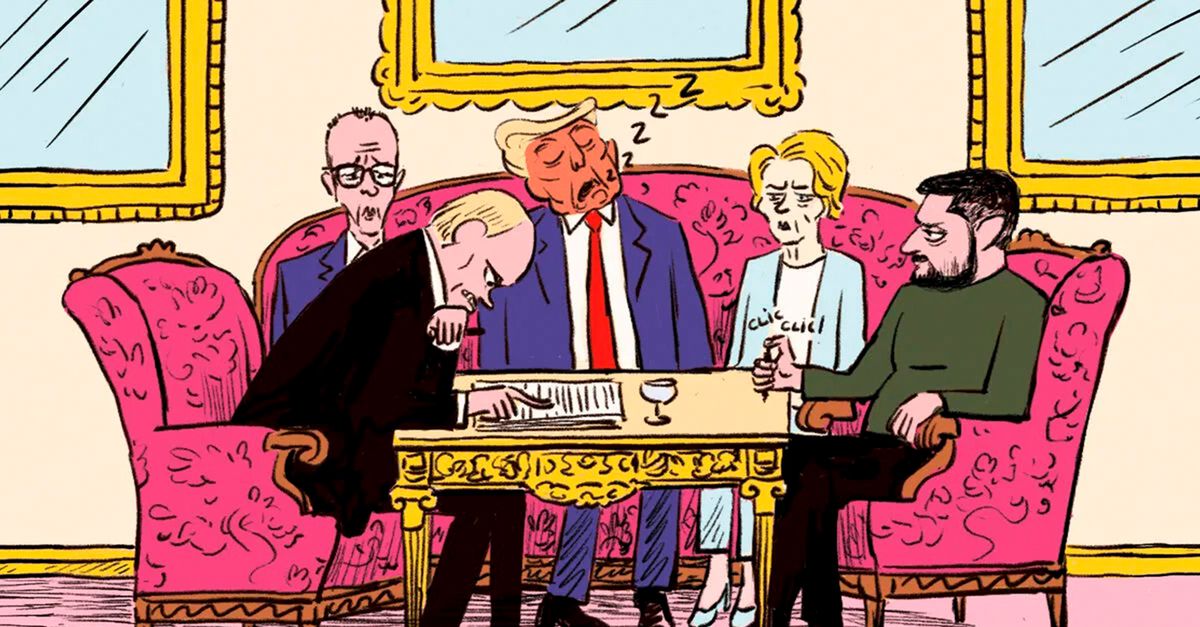
Alas, a long war is no guarantee of a just peace—as the Treaty of Versailles, signed in 1919, went on to show. But the echoes of that failed armistice might usefully inform efforts to bring hostilities in Ukraine to a close. The „war to end all wars” is remembered these days as a prequel to the even grislier conflict it helped midwife a generation later. The ghost of Versailles should thus haunt those valiantly trying to end the current conflict. Ukraine’s allies have helped it not lose the war. Soon they will have to gear up to help it win the peace.