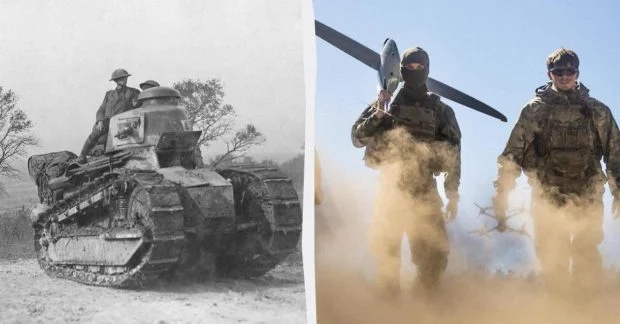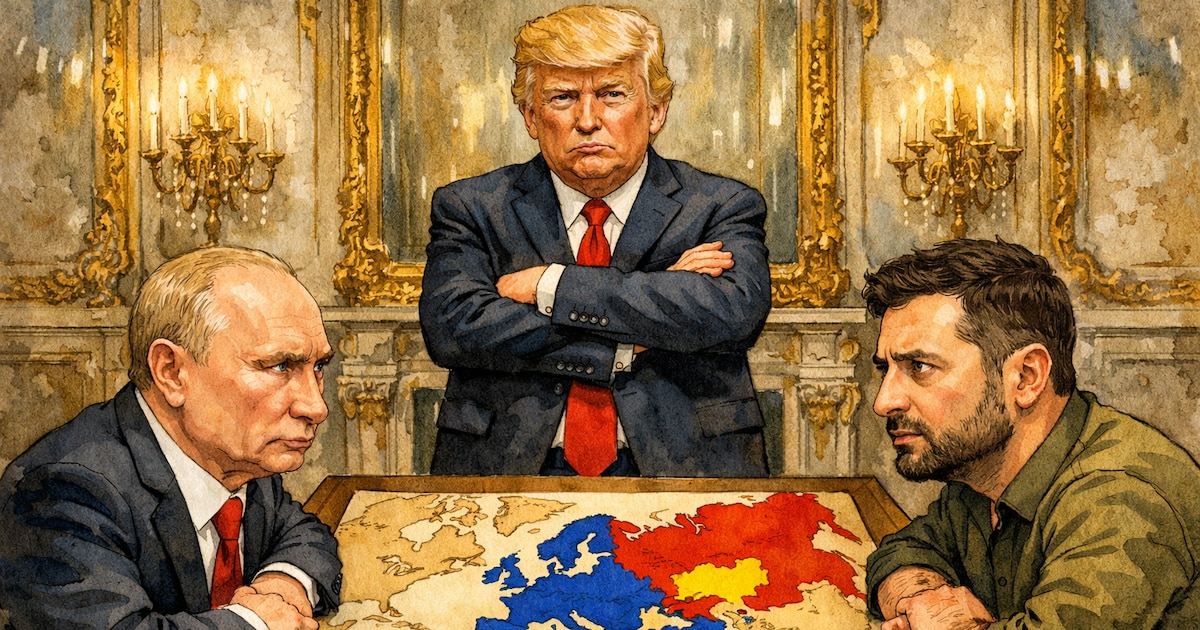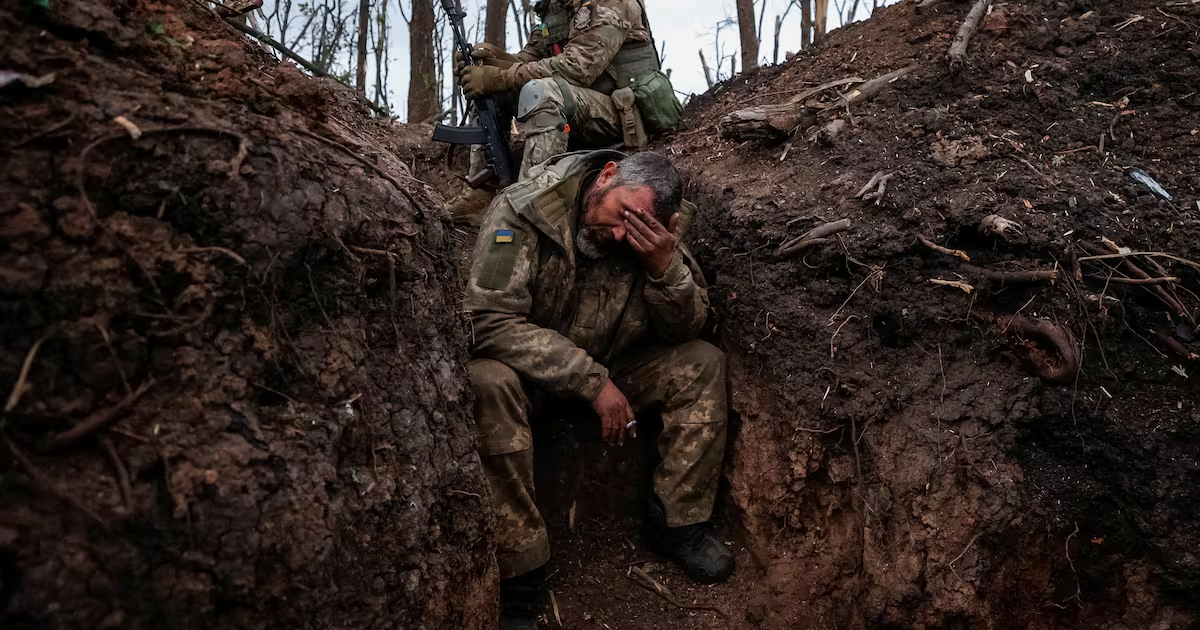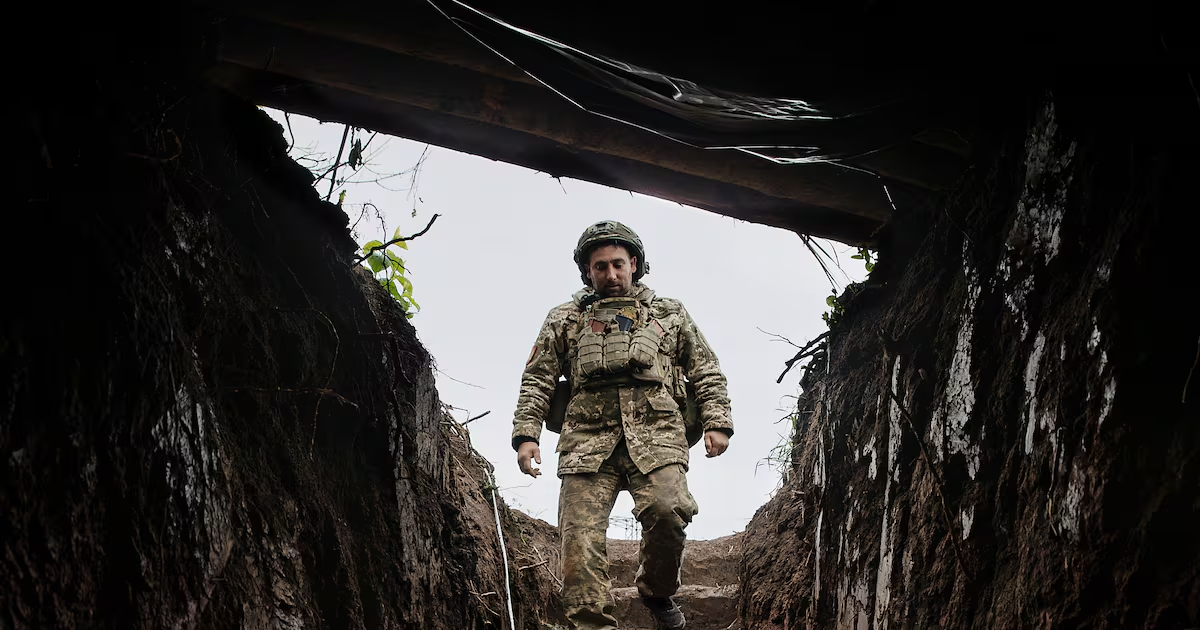
The war in Ukraine has often been compared to the first World War for its brutal infantry assaults and heavy casualties. Yet the idea that it could, by any measure, surpass a conflict so long and bloody that French soldiers hoped it would be “the last of the last” once seemed unthinkable.That is just what happened on Thursday. The war in Ukraine — which reached 1,569 days, or more than four years and three months — has now outlasted the first World War.When president Vladimir Putin of Russia sent his troops into Ukraine in February 2022, he believed the country would fall within days. After Ukraine pushed the Russians back and the conflict settled into a war of attrition, even many of those fighting could not imagine it would last this long.“I thought maybe two or three years, and then politicians will find some kind of consensus,” said a Ukrainian soldier who, for security reasons, gave only his call sign, France, a nod to his time in the French Foreign Legion.[ Russia is showing signs of weakness in Ukraine. So it hits harderOpens in new window ]But the war has raged on, and, with peace talks stalled, it shows no sign of ending soon. Polls suggest that about half of Ukrainians believe it will not end before next year, which would push it closer to another threshold: the duration of the second World War, which lasted six years. And there are many Ukrainians who would argue that the current war really began in 2014 when Russian troops seized Crimea.Historians caution that drawing parallels with the two world wars has limits. The global scale of those conflicts, involving many theaters and armies, makes comparisons about casualties and firepower difficult. Ukraine did not exist as a country during the first World War.British soldiers lined up in a narrow trench during the first World War in 1914. Photograph: Hulton Archive/Getty Images Still, the war in Ukraine, like the first World War, is likely to rank among the most consequential conflicts in modern European history, said Yaroslav Hrytsak, a Ukrainian historian. Both wars transformed Europe’s geopolitics by reshaping military alliances and driving a defense buildup not seen in decades.Military analysts also note that both conflicts reshaped the nature of warfare through the introduction of new technologies — planes and tanks a century ago; drones across the air, sea and land today. In both cases, the advances made war only more brutal for humans.“In many respects, this war in Ukraine is the one that most closely resembles World War one,” said Michel Goya, a former French colonel and a military historian.The comparison begins with the opening phase of both wars. In 1914, the Germans launched a rapid offensive toward Paris in the hope of securing a swift victory. Russian forces had the same objective when they raced toward Kyiv, Ukraine’s capital, in 2022. In both cases, the attackers came close to their target but were ultimately driven back.Eventually, both wars settled into mostly static fighting along a largely frozen front. When soldiers on the Ukrainian battlefield hunkered down in trenches and bunkers in late 2022, historians described it as a return to World War I-style trench warfare.Scenes from the trenches of eastern Ukraine closely echoed those in northern France a century earlier. Ukrainian and Russian troops were often separated by just a few hundred yards, sometimes close enough to see one another. Assaults began with artillery barrages to pin down the opponent, followed by the storming of enemy trenches by infantry squads.“In general, when the front freezes, you’re back to World War one,” Goya said.Ukrainian soldiers at an artillery position in the Lyman area in the Donetsk region of Ukraine. Photograph: Tyler Hicks/The New York Times
The war in Ukraine has now gone on longer than first World War
Parallels between the two wars abound, from the grinding nature of the fighting to the way new technologies reshaped warfare
1,386 words~6 min read