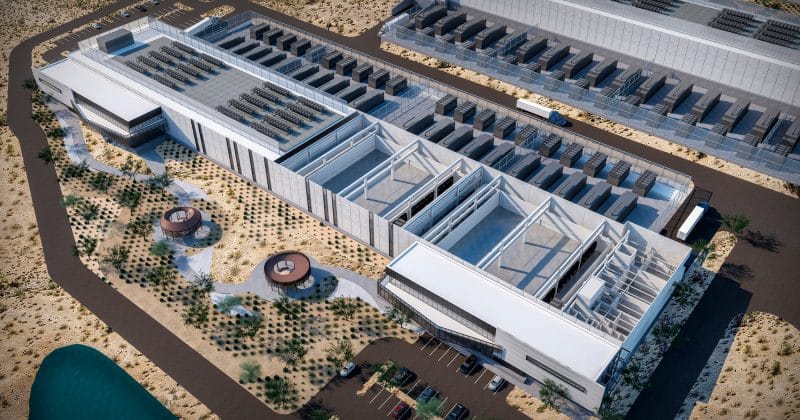
America’s biggest electricity grid operator is staring down a problem it never planned for. PJM Interconnection, which manages power delivery across 13 states and the District of Columbia, is facing demand projections that look less like a gradual upward slope and more like a hockey stick, driven almost entirely by the explosion of AI data centers.
On December 18, 2025, the Federal Energy Regulatory Commission issued what amounts to a rulebook rewrite. FERC ordered PJM to establish clear tariff rules governing how AI data centers can co-locate with power generation facilities. The directive came after FERC determined in February 2025 that PJM’s existing tariff was insufficiently clear on rates and conditions for these arrangements.
The numbers tell the story
PJM forecasts roughly 32 gigawatts of additional peak demand by 2030. To put that in perspective, 32 GW is enough to power about 24 million homes. Nearly all of that projected increase comes from data center growth.
The capacity market, where generators get paid to keep power plants available, has already started pricing in this new reality. Auction prices spiked from approximately $30 per megawatt-day to $270 per megawatt-day. That’s a ninefold increase, driven largely by the pressure of rising data center loads.