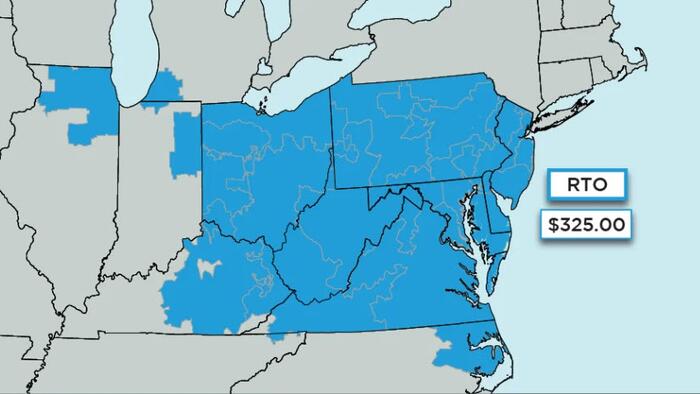
The largest power grid operator in the US just hit a wall. PJM Interconnection, which manages electricity delivery across 13 states and Washington, D.C., held a Members Committee vote on November 19 to decide how to handle an unprecedented flood of data center interconnection requests. Twelve proposals were on the table. None of them passed.
The failure to reach the required two-thirds support threshold means PJM’s Board of Managers will now craft and advance its own plan, with a target of filing with federal regulators by December 2025. The stakes are enormous: PJM projects roughly 32 gigawatts of new electricity demand by 2030, with about 30 GW of that coming from data centers alone.
To put that in perspective, 30 GW is enough to power more than 20 million households.
Why 12 proposals failed and what comes next
PJM launched what it calls a Critical Issue Fast Path, or CIFP, process to fast-track solutions for managing large power loads connecting to the grid. The process generated a dozen stakeholder proposals, reflecting the wide range of interests at play: utilities, power generators, large industrial consumers, and the data center operators themselves all have different views on who should bear the costs and risks of this massive buildout.