Insider Brief
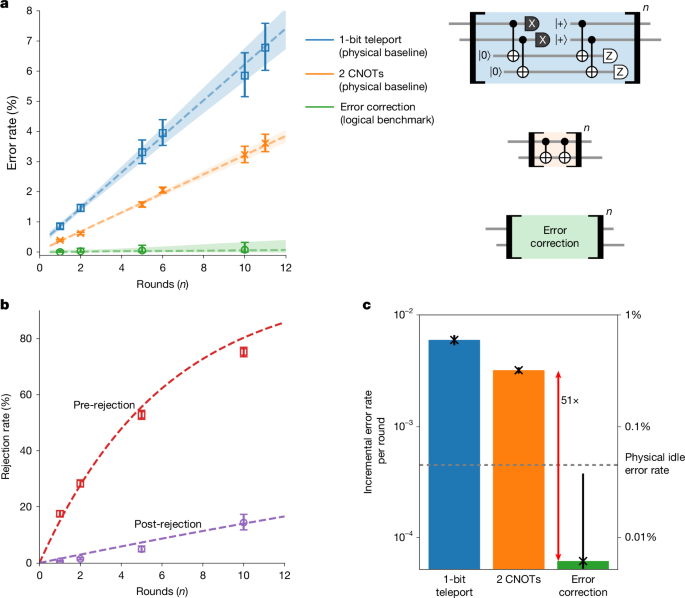
A Nature study from Microsoft Quantum and Quantinuum found that quantum error-correction techniques reduced computational errors by factors ranging from 11-fold to 800-fold compared with equivalent calculations performed directly on physical qubits.
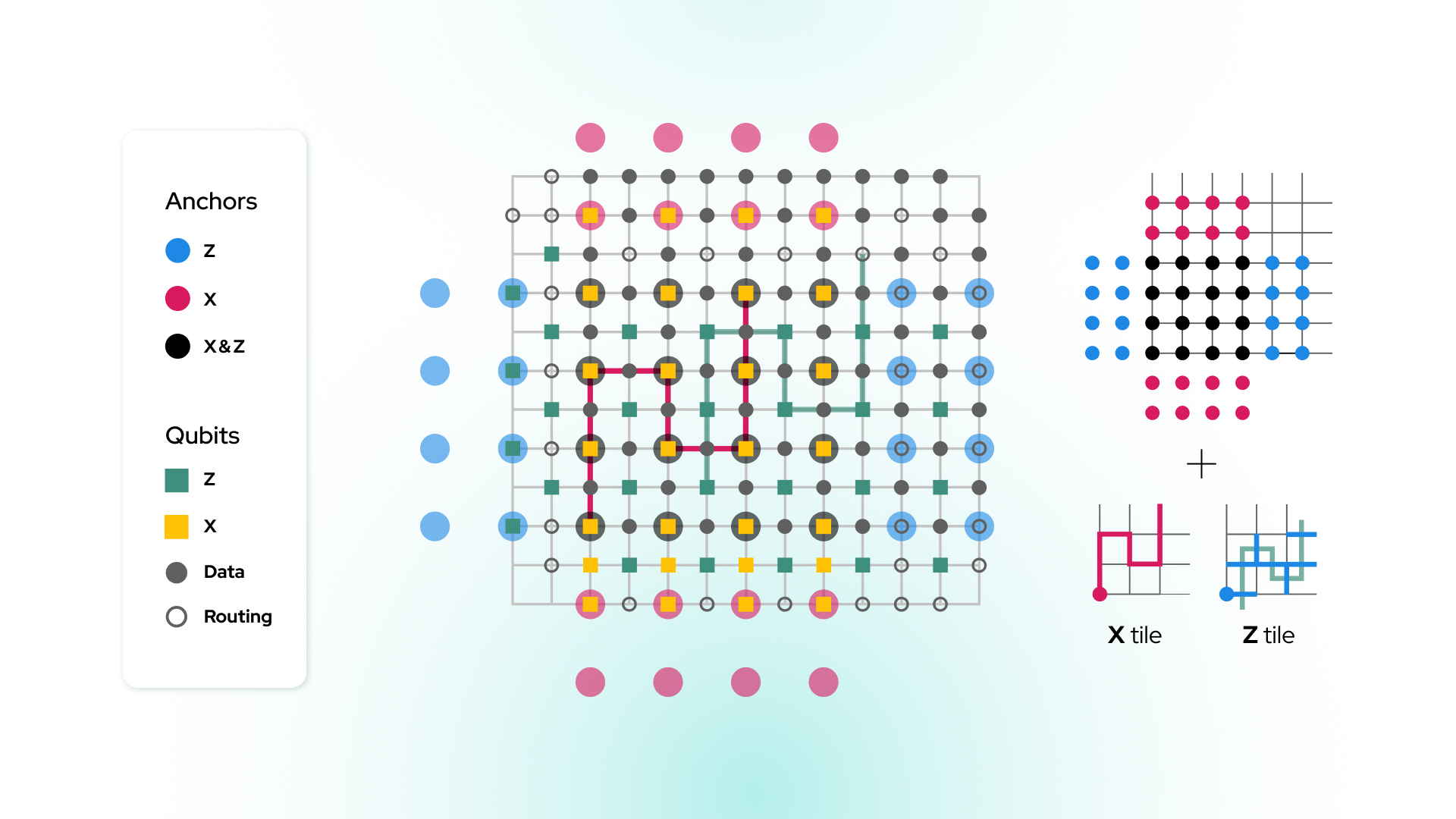
Using two error-correction approaches known as the carbon code and tesseract code, the researchers demonstrated repeated mid-computation error correction and lower logical error rates across experiments involving up to 12 logical qubits.
The researchers said the results suggest that current quantum processors can already benefit from fault tolerance, although further advances in hardware, real-time decoding and scalable error-correction methods will be needed before practical large-scale quantum computers become a reality.
Quantum computers have long promised to solve problems beyond the reach of conventional machines. Yet the field has faced a persistent obstacle. The quantum bits, or qubits, that store and process information are extremely fragile. Even minor disturbances from their environment can introduce errors that accumulate and overwhelm a calculation before it finishes.