Skip to content
GQINewsNews Archive 2025News Archive 2024News Archive 2023News Archive 2022News Archive 2021News Archive 2020News Archive 2019News Archive 2018News Archive 2015-2017AnalysisQnalysisPlayersPublic CompaniesPrivate/Startup CompaniesUniversitiesGovernment/Non-ProfitVenture CapitalVenture Capital – Sorted by Quantum CompanyResourcesConferencesToolsOther Websites and Industry AssociationsEducationBooksScorecardsGate Level Software PlatformsIBM Qiskit, Rigetti Forest, Microsoft QDK, Project QReview of the Cirq Quantum Software FrameworkQubit Implementation DashboardQubit CountQubit QualityQubit TechnologySoftware/Startup PartnersCloud Platform Hardware PartnersPodcastsAboutQCR Alerts Sign-Up FormAdvertising InquiriesQCR in the NewsContactPrivacy PolicyMembership
IBM is Using AI to Help Identify New Quantum Error Correction Codes
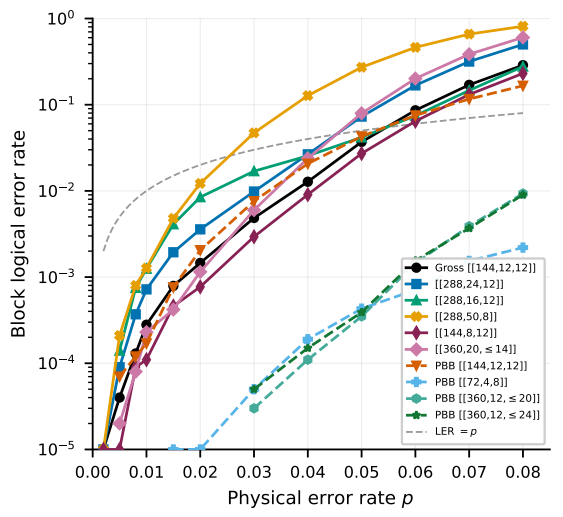
Logical Error Rate Performance for Given Physical Error Rates for Different QEC Codes. Credit:IBM
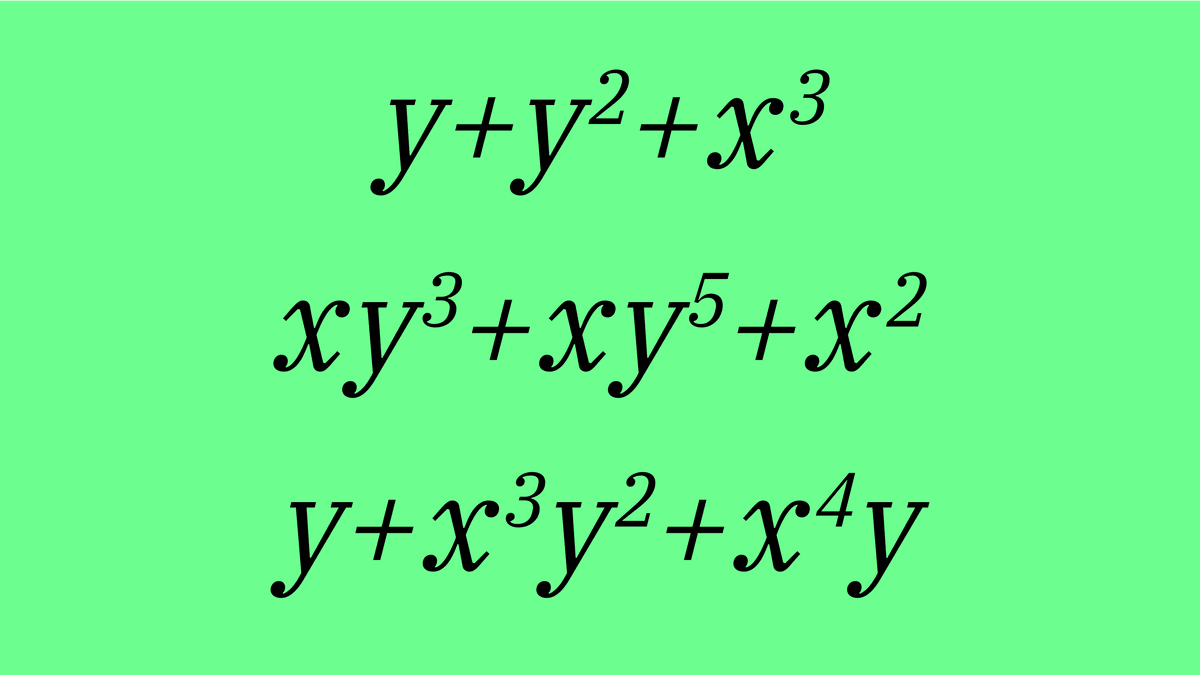
Searching for optimal Quantum Error Correction (QEC) codes is an incredibly time-consuming and computationally demanding bottleneck due to the vast space of potential algebraic formulations. To address this, IBM researchers have introduced OpenEvolve, an open-source, LLM-guided evolutionary AI framework that dramatically accelerates the discovery of viable QEC codes. The framework establishes a powerful, two-way interplay between classical AI and quantum computing. It utilizes large language models (LLMs) to generate informed hypotheses for algebraic expressions that could serve as valid code candidates.