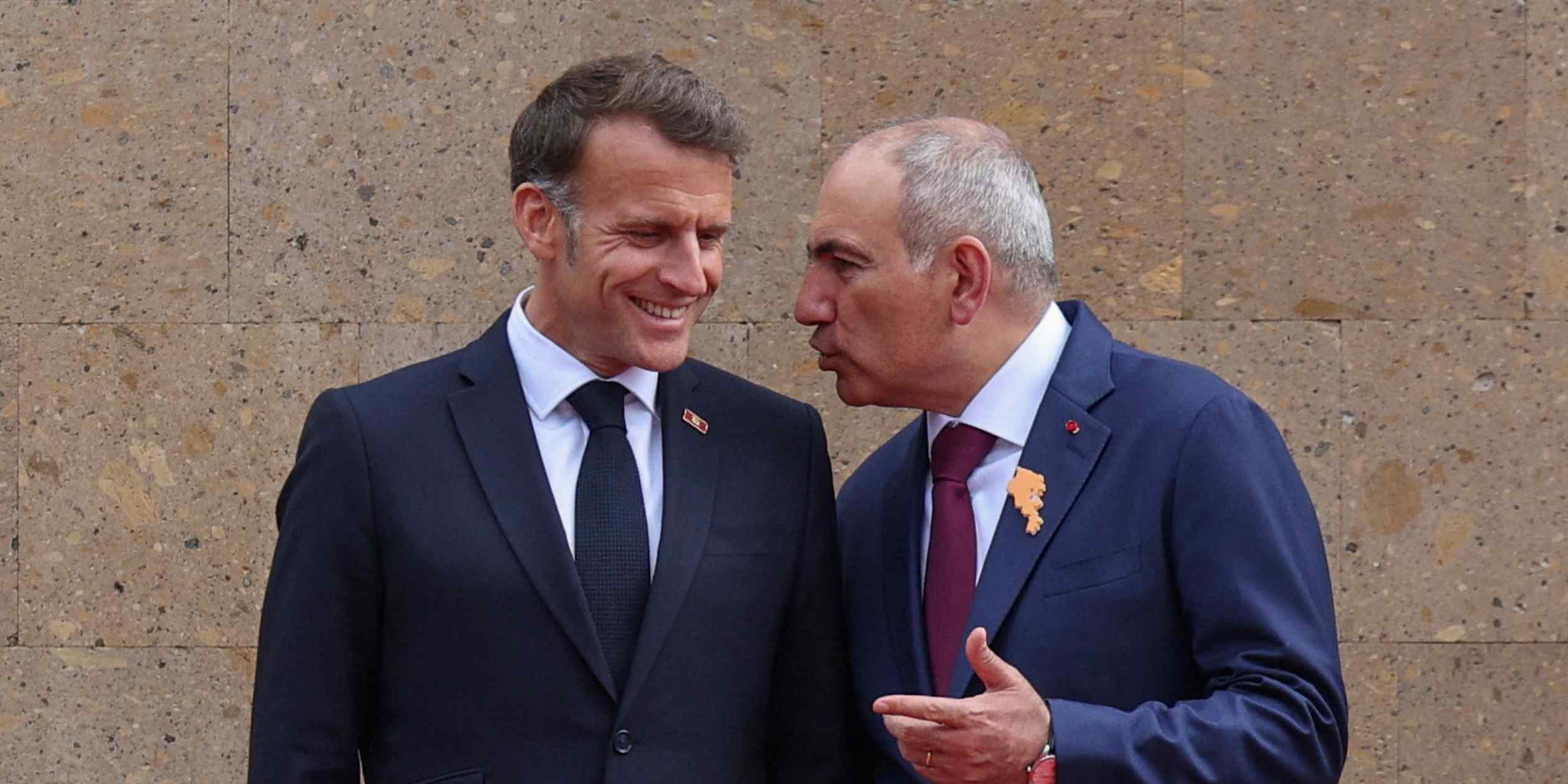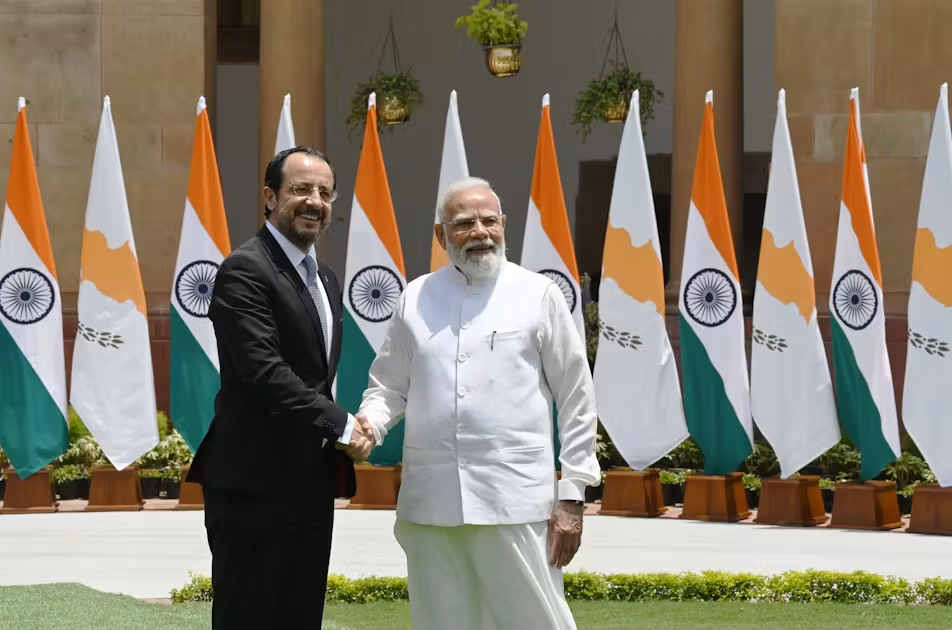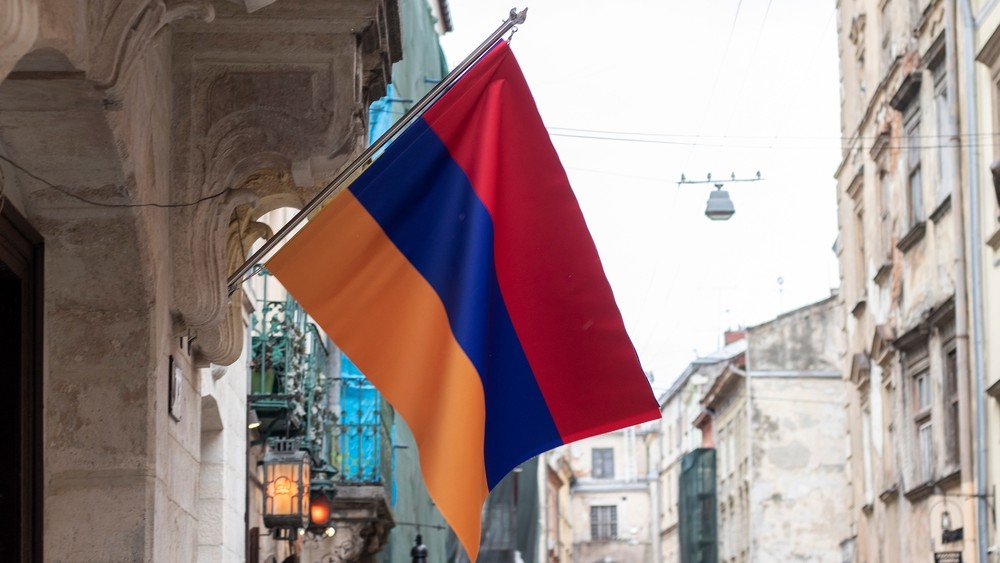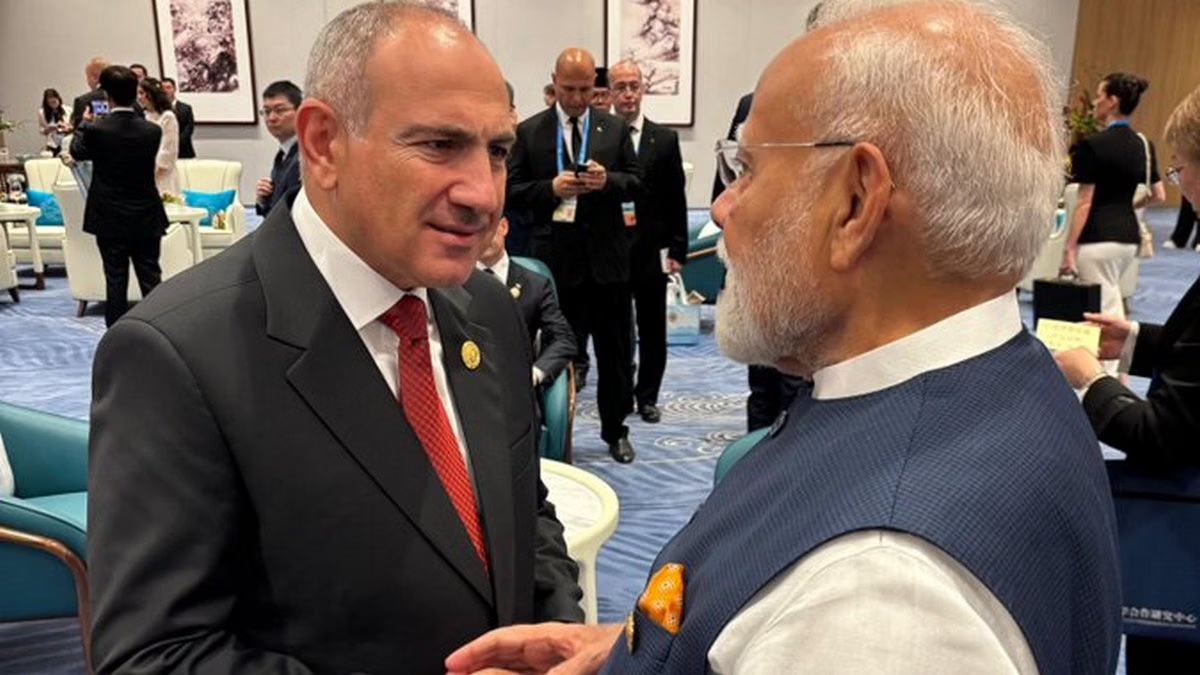
For most Indians, Armenia was once a distant country known through its ancient Christian heritage and a tragic history of genocide and displacement. Yet, over the last few years, Armenia has been discussed steadily in India’s strategic circles. Reason: New Delhi has emerged as Yerevan’s largest defence supplier in recent years, providing everything from Pinaka multi-barrel rocket launchers and Akash air defence systems to radars and anti-tank weaponry. Yerevan, in turn, became the first destination for successful exports of Indian weapon platforms, not just sub-systems — a feat for India’s defence-export aspirations.
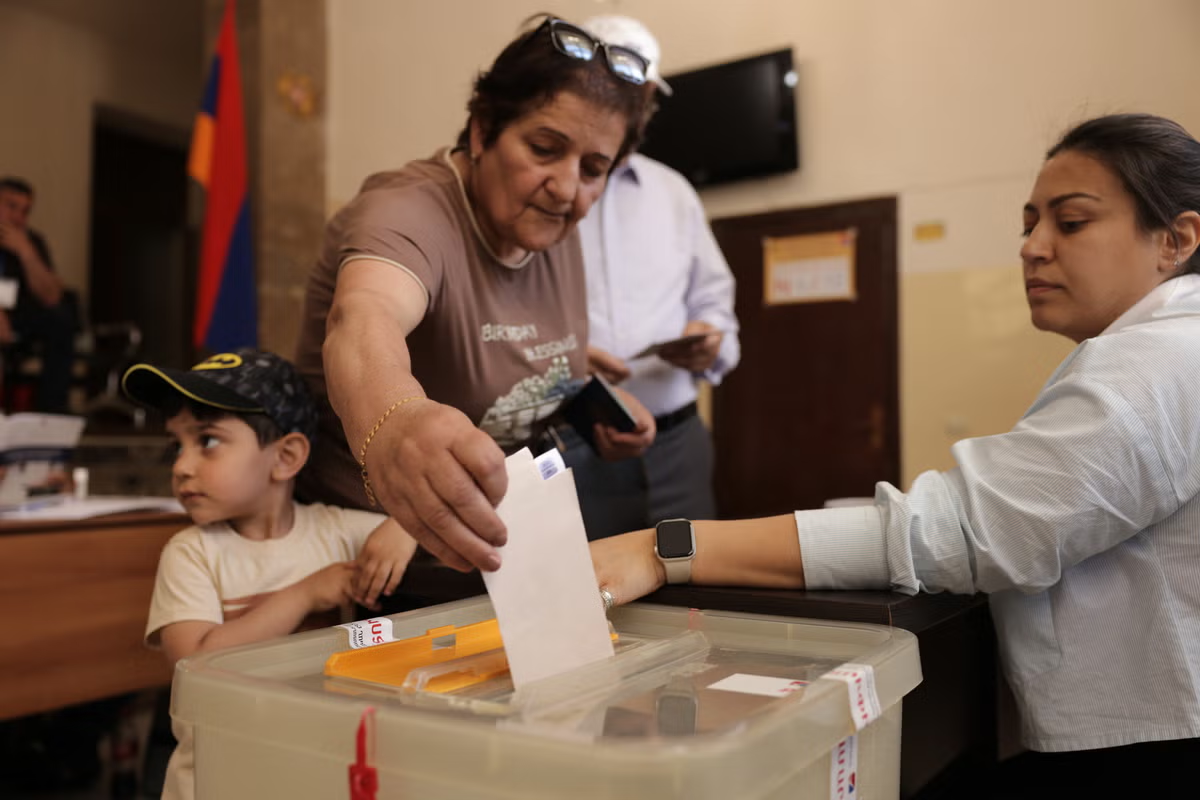
India’s growing footprint in Armenia, however, coincided with a period of profound geopolitical transformation in the South Caucasus. The region is no longer defined or controlled by the familiar Russia-centric order that prevailed after the collapse of the Soviet Union. Instead, a new strategic calculus has been emerging — one shaped by the decline of Russian influence, the rise of Turkey, greater European engagement, and burgeoning American investments.Much of the above owes to the remarkable political experiment unfolding under Armenian Prime Minister Nikol Pashinyan, who has served since 2018. He returned to power days ago with a mandate yearning for geopolitical change. Pashinyan defeated two pro-Russia parties by a comfortable margin but fell short of the mandate required for a constitutional amendment to solidify the peace process with Azerbaijan.