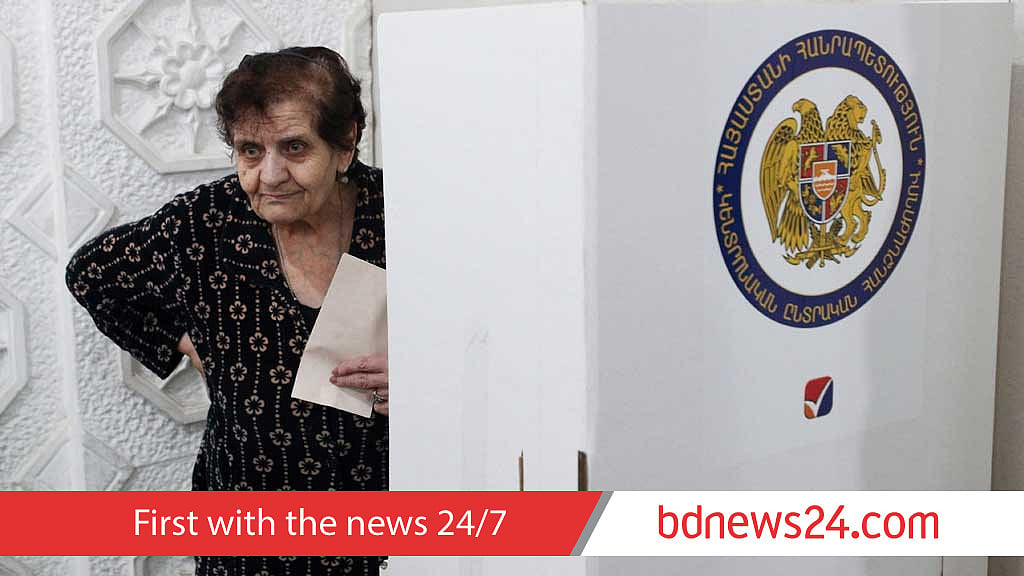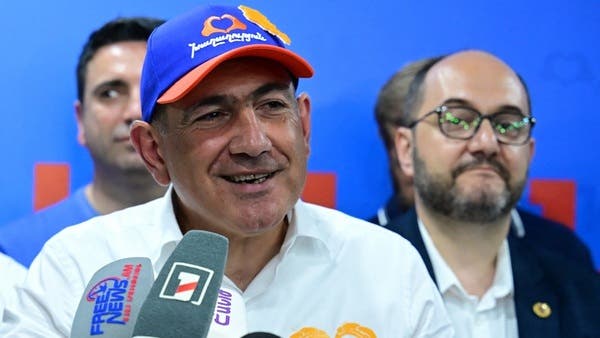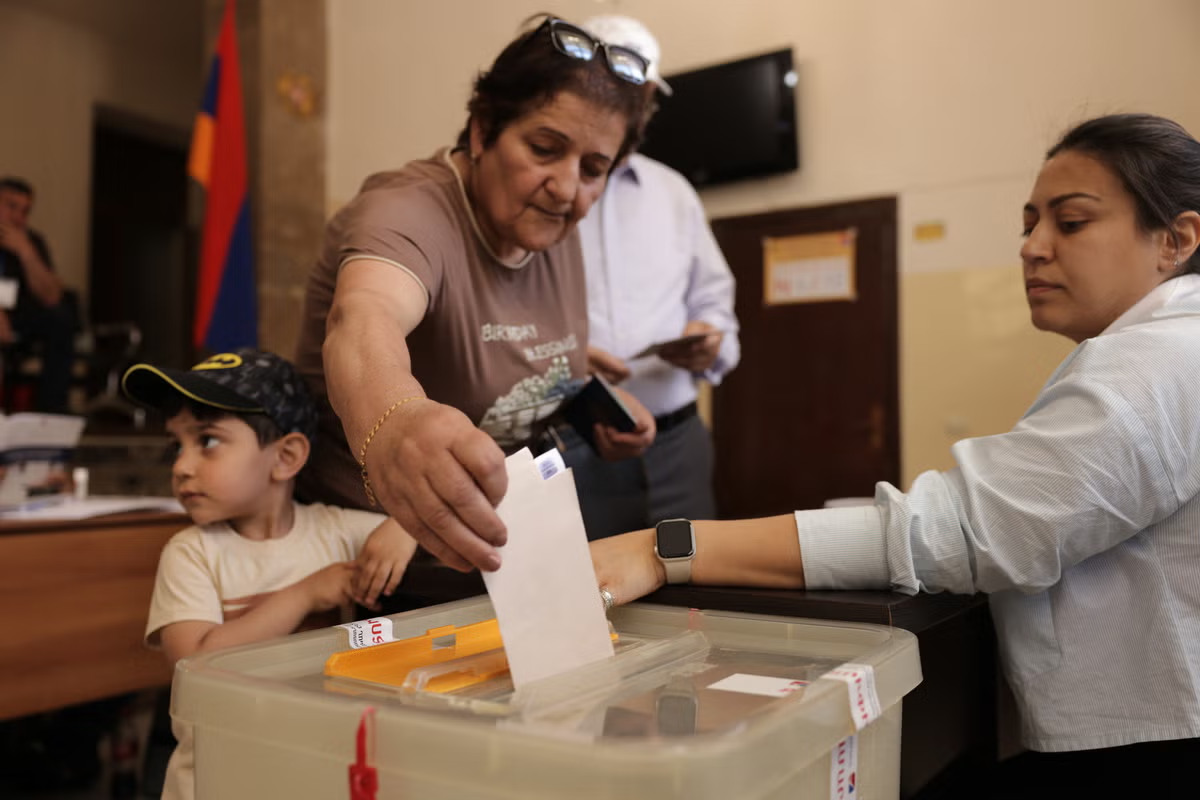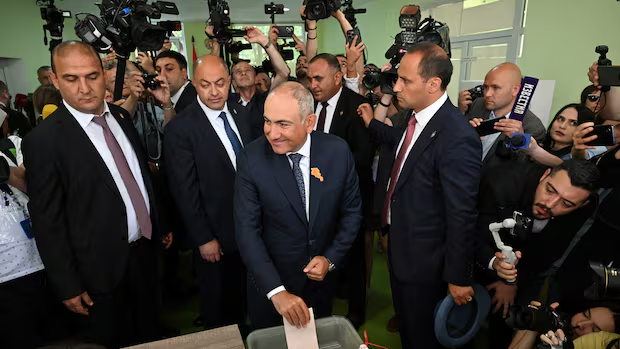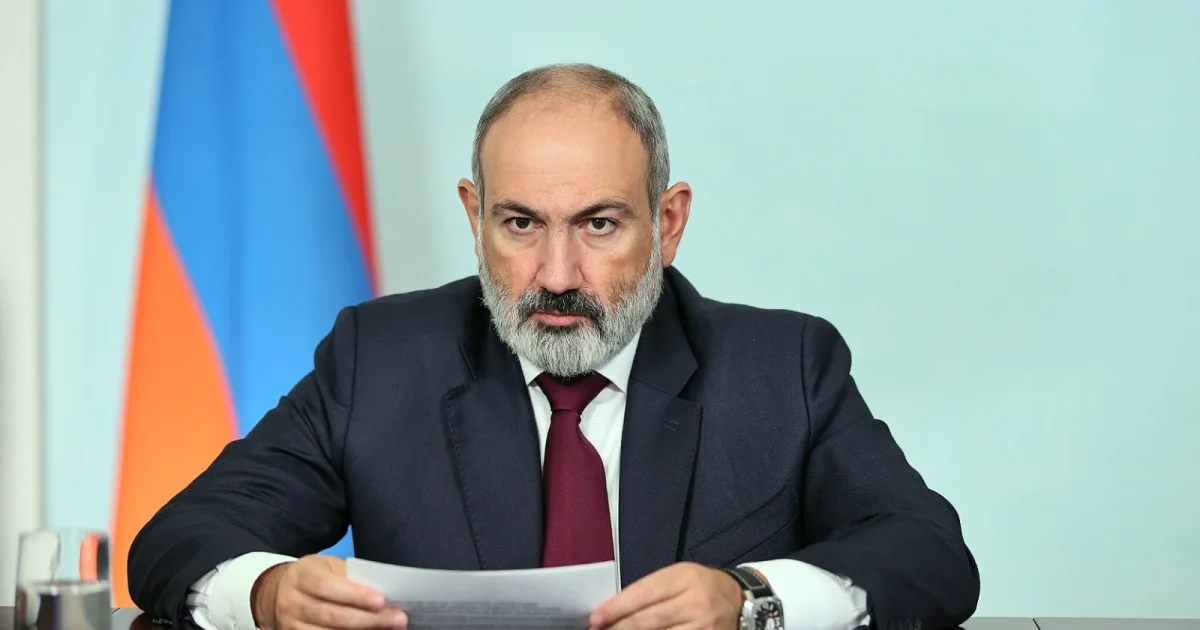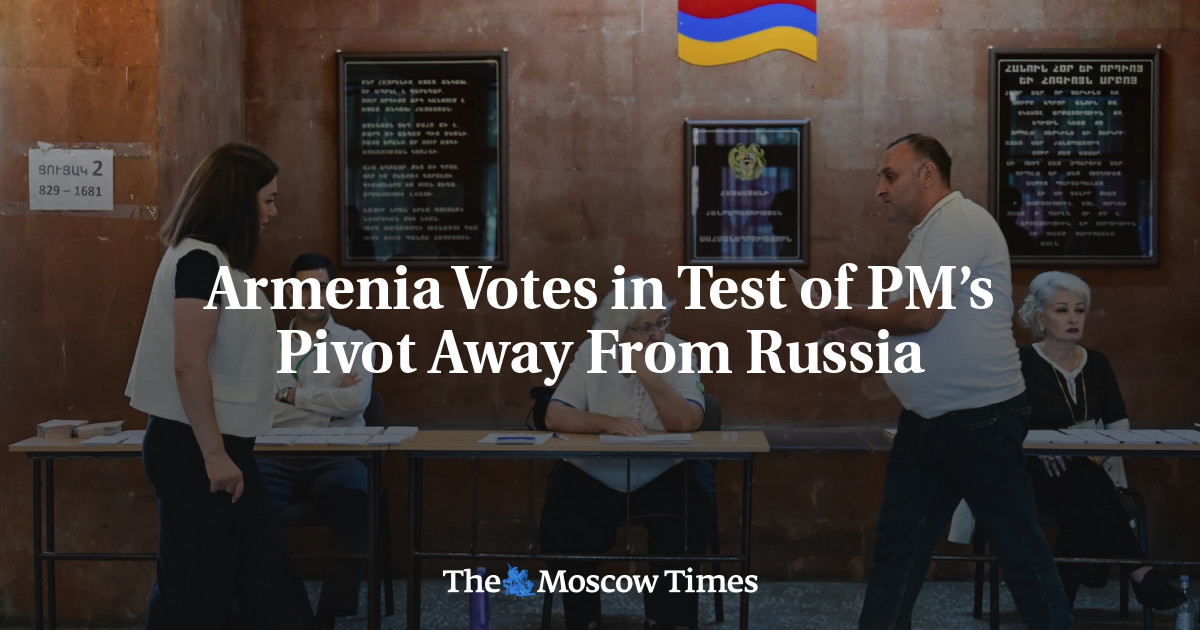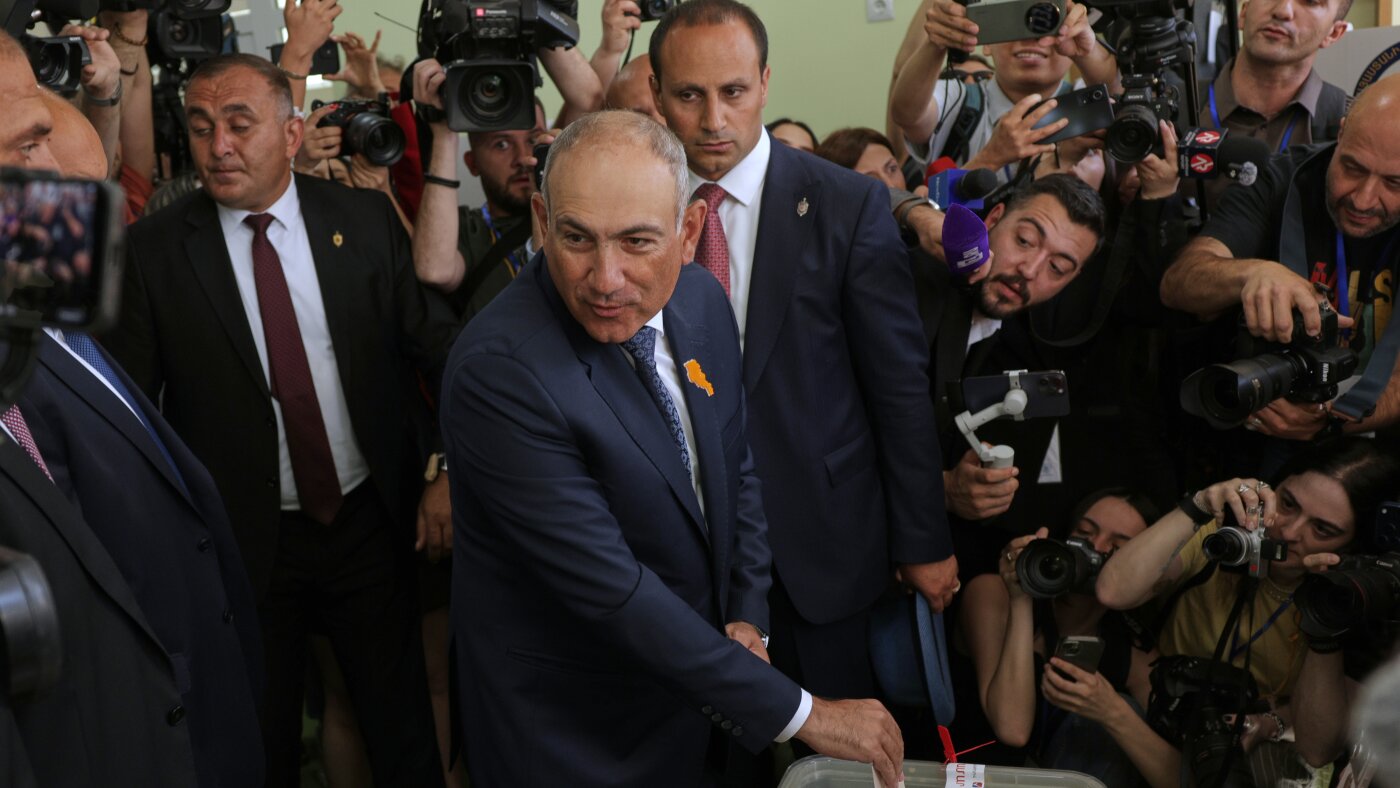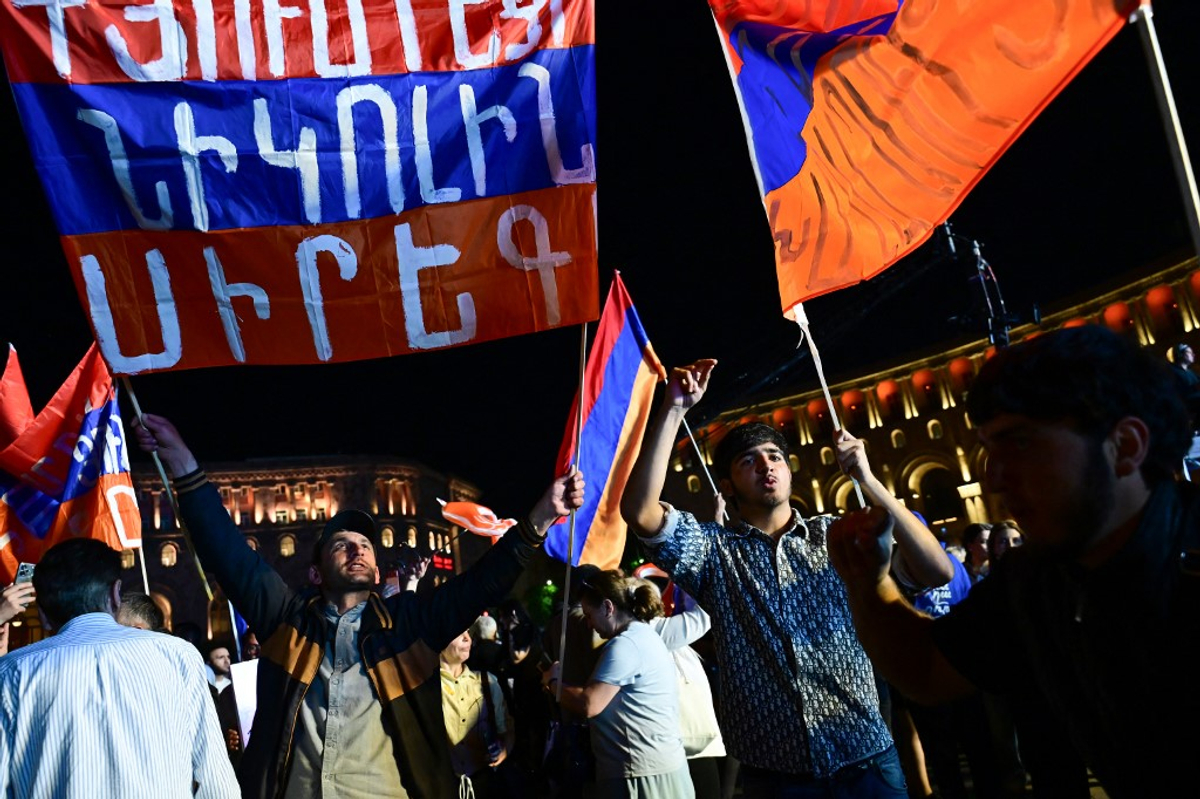
Under the leadership of Prime Minister Nikol Pashinyan, Armenia is moving to distance itself from Russia and forge closer ties with the European Union. Despite pro-Russian disinformation campaigns targeting the government, the pro-European candidate won the parliamentary elections held on June 7.
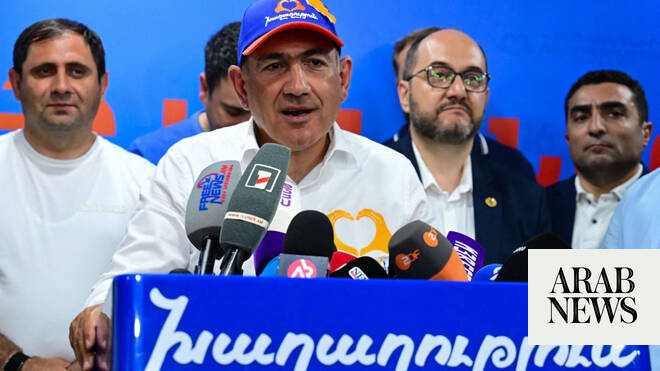
Armenian Prime Minister Nikol Pashinyan has declared a "historic victory" in parliamentary elections widely seen as a turning point for the future of the former Soviet republic. Pashinyan's Civil Contract party secured 49.8% of the vote, comfortably defeating the pro-Russian "Strong Armenia" alliance. The rival party, led by Russian-Armenian billionaire Samvel Karapetyan, ultimately trailed at the polls, capturing 23% of the vote. Armenian voters opted for a closer alignment with Europe, defying Russian threats and operations aimed at interfering in the vote. Just days ahead of the June 2026 parliamentary elections, Russian President Vladimir Putin had sought to send a clear message to Armenia. “The crisis in Ukraine began with attempts by Ukraine to join the EU. We were not against it back then,” he said. This was a thinly veiled threat against a country that has traditionally been close to Russia, but has pivoted sharply toward the European Union since Pashinyan came to power in 2018. The Armenian prime minister had made repeated overtures to Europe, which is also seeking to counter Russian influence in the region. Read moreEU, Armenia sign new partnership deals at first bilateral summit Leaked documents As a result, the Armenian government had faced mounting pro-Russian disinformation and interference, according to multiple local fact-checking media groups. Ani Grigoryan, a fact-checker with the Armenian media outlet Civilnet, told our team: “When it comes to Russia, it's been almost one year that we noticed how they try to influence the Armenian informational space. What's interesting is that the main target is not just Armenia and Pashinyan, but also the EU and France. For several months, they were disseminating narratives that France is going to help Armenia and Pashinyan to falsify the election results.” In May, leaked documents attributed to the Kremlin-linked disinformation firm, the Social Design Agency (SDA) – and analysed by several media outlets, including FRANCE 24 – exposed part of Russia’s influence strategy in Armenia. From fabricated news videos to anti-Pashinyan news sites targeting the Armenian diaspora in Russia, Russian disinformation campaigns have relied on a well-established playbook. The same operational method has been honed over several years and previously deployed to interfere in other countries, such as Moldova. Read moreElections in Moldova targeted by Russian influence operations In addition to targeting Armenian society, Russia has been attempting to influence the Armenian diaspora, which comprises nearly 7 million people worldwide. We spoke to Nane Manasyan, a journalist at the Armenian fact-checking group Fact Investigative Platform, which published the leak: “When we received this document, we understood that the Armenian diaspora was a special target for the Russians. They want to form a very negative attitude toward Armenian society, toward the government of Armenia.” Nagorno-Karabakh: A national trauma instrumentalised In recent weeks, Russian disinformation has also focused on Armenia’s relations with its archenemy, Azerbaijan, spreading fake news about the imminent arrival of hundreds of thousands of Azerbaijanis in the country. This fear became a central campaign issue following the 2023 loss of the Nagorno-Karabakh region, which was invaded by Azerbaijan. Since then, Pashinyan – who is now pushing a US-backed peace plan with Azerbaijan – has faced accusations of abandoning the region. His rival, Samvel Karapetyan, had weaponised the issue. For several weeks before the election, the Russian-Armenian billionaire had been claiming that the prime minister agreed to let Azerbaijanis into Armenia. Karapetyan pushed this campaign narrative on Facebook through AI-generated videos showing buses filled with Azerbaijanis arriving in the capital, Yerevan. Pashinyan rejected the accusations. He condemned the rhetoric as being supported by Russia and asserted that “this question was never on the agenda in our discussions with Azerbaijan, or on our international agenda or that of Armenia”. But Pashinyan’s camp has also been accused of manipulating the media. Just before the election, Civilnet revealed that a mysterious but influential site called MediaNews had, in fact, been created by a member of Pashinyan’s team. Manasyan told our team: “These recent months, it's like every political party is trying to use every possible information tool to influence people. They are trying to use and maximize their presence across every available communication channel. Every [candidate] is trying to manipulate people. Everyone is disseminating fake news. Everyone is disseminating AI-generated fake videos.” Read moreFake Pride, masked men and a surge in misinformation ahead of Armenia’s election Human rights organisations have also denounced the current administration's authoritarian practices in the run-up to the elections. In late May, Human Rights Watch raised "election-related concerns, including misuse of administrative resources, pressure on public-sector employees, campaign finance risks, alleged vote-buying, polarised rhetoric, and weak accountability mechanisms.” Future EU membership for Armenia? Last year, Armenia officially passed a law declaring its intention to apply for EU membership, building upon a partnership first established in 2017. However, Armenia has not yet taken that decisive step. Meanwhile, Russia has warned that EU accession would be "impossible" for the country, given its deeply integrated economic ties with Russia. As a long-standing ally of Russia, particularly on the security front, Armenia hosts a Russian military base and remains a member of Moscow-led economic and security alliances. Nevertheless, ties between the two nations have chilled. Armenia has increasingly questioned the reliability of its traditional ally, which failed to intervene during the 2023 war with Azerbaijan.