By Editorial Dept - Jun 12, 2026, 6:00 AM CDT
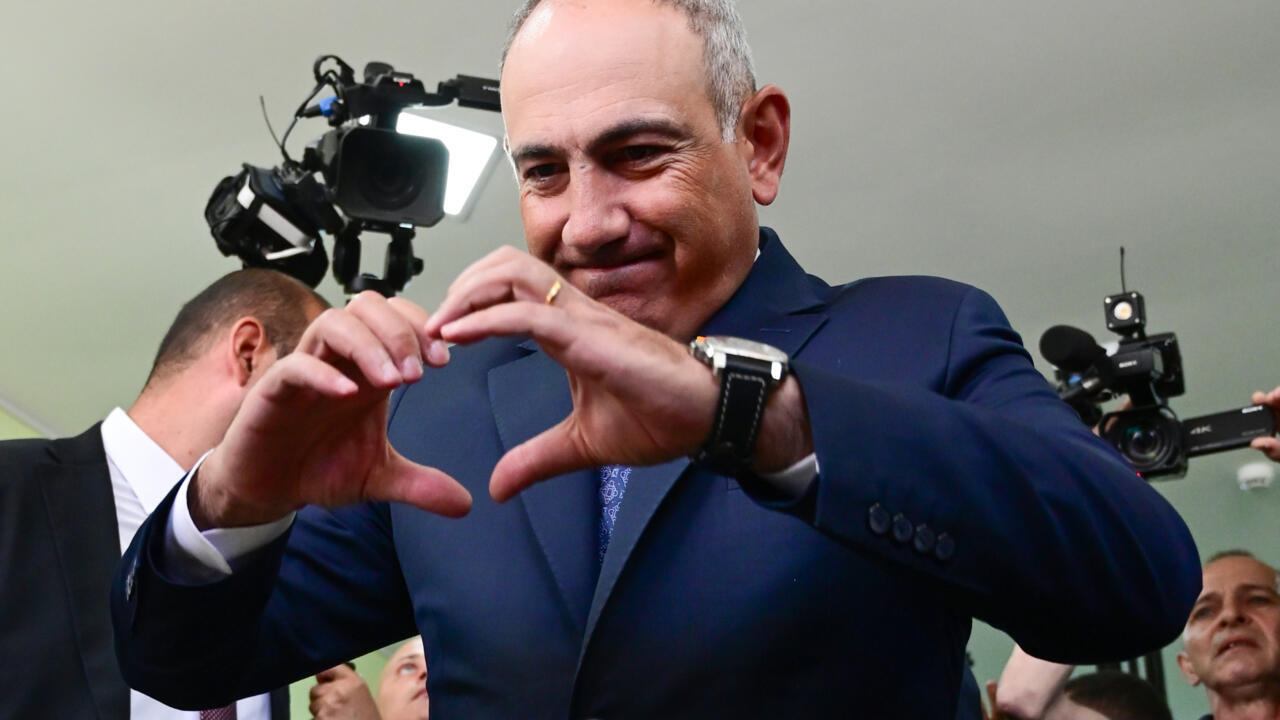
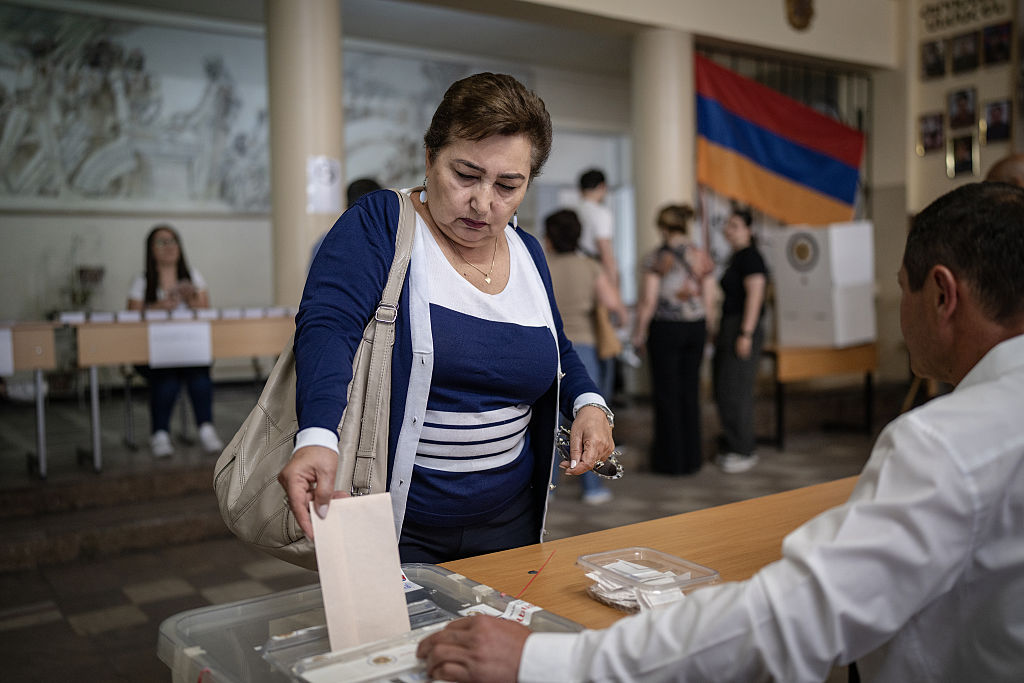
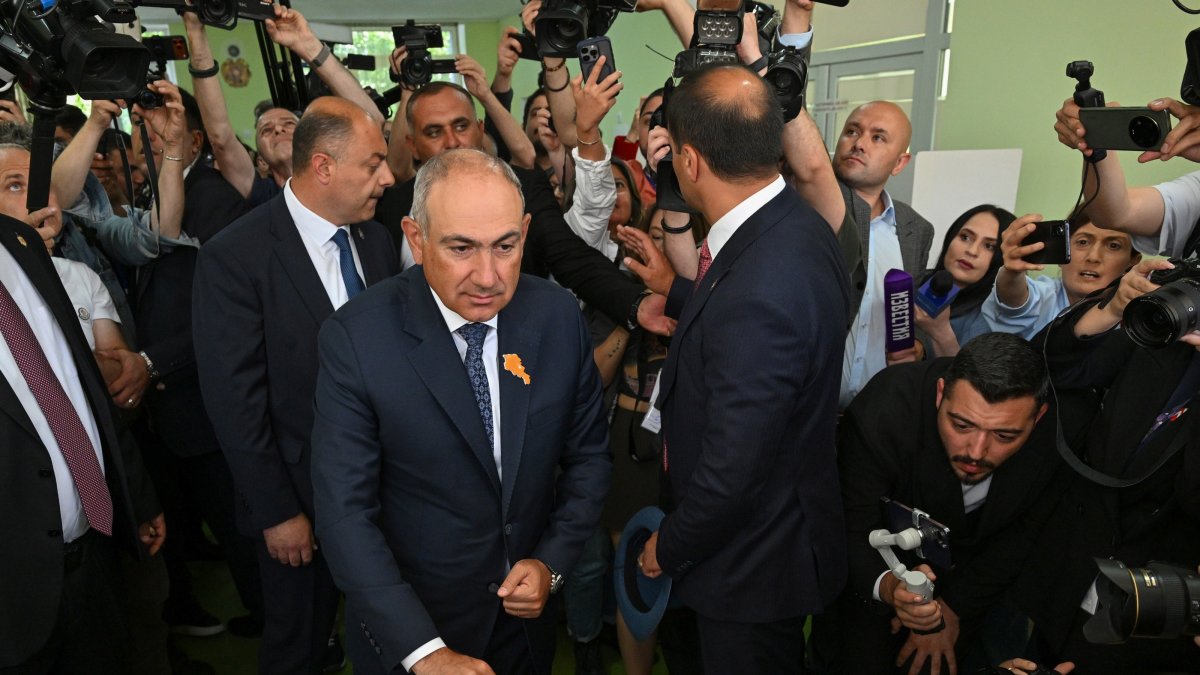
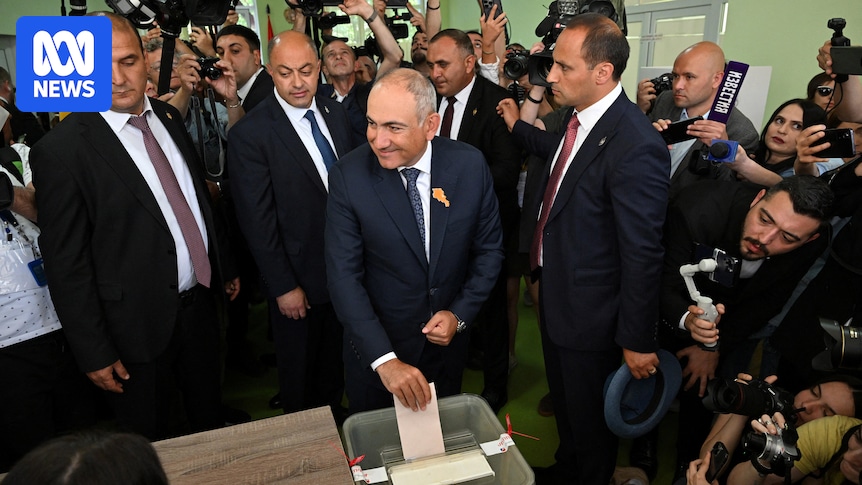
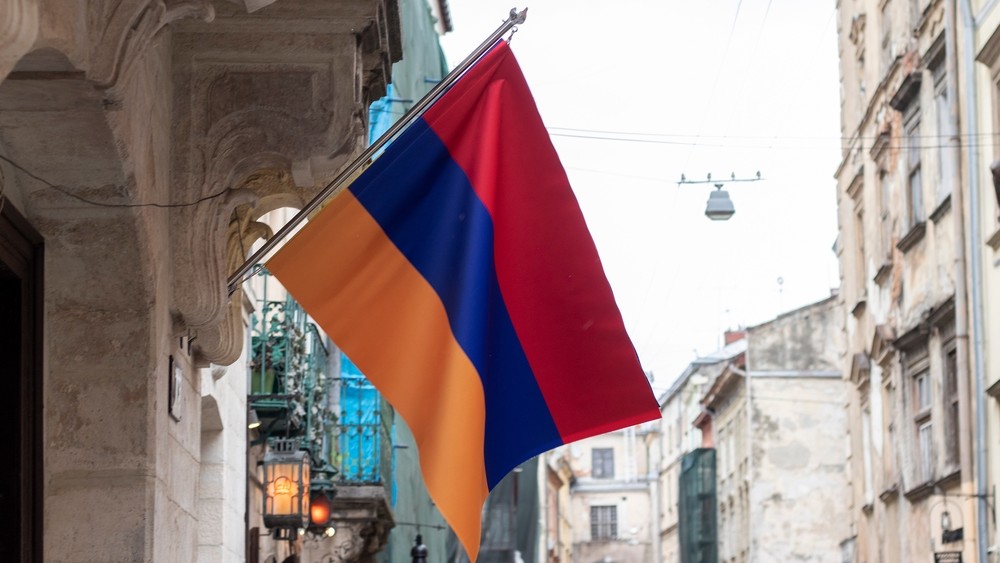
Politics, Geopolitics & ConflictArmenian Prime Minister Nikol Pashinyan won re-election on Sunday, defeating a Russian-backed opposition campaign and keeping the country on the Western trajectory. But the result fell short of giving him the parliamentary supermajority needed to easily implement some of the most consequential elements of his agenda. Pashinyan’s Civil Contract party won 64 of 105 seats. It’s enough to remain in power and continue deepening ties with the U.S. and EU, while advancing a U.S.-backed normalization process with Azerbaijan and Turkey. It’s a setback for Moscow, which spent weeks escalating economic pressure on Armenia through trade restrictions, threats to suspend cheap energy supplies, and warnings that Armenia’s push toward Europe could trigger severe economic consequences. On the regional front, Azerbaijan continues to demand constitutional changes removing references linked to Nagorno-Karabakh before a final peace treaty can be signed. That process requires a two-thirds parliamentary majority that Pashinyan does not have.Serbia’s NIS refinery has reached an agreement with Hungarian MOL on the framework for a potential acquisition of Gazprom Neft’s 56.15% stake. All major outstanding issues between Belgrade and Budapest have been resolved, including safeguards designed to preserve Serbia’s influence over the company. Under the agreement, if Gazprom Neft and MOL finalize a transaction and receive approval from the U.S. Treasury’s…