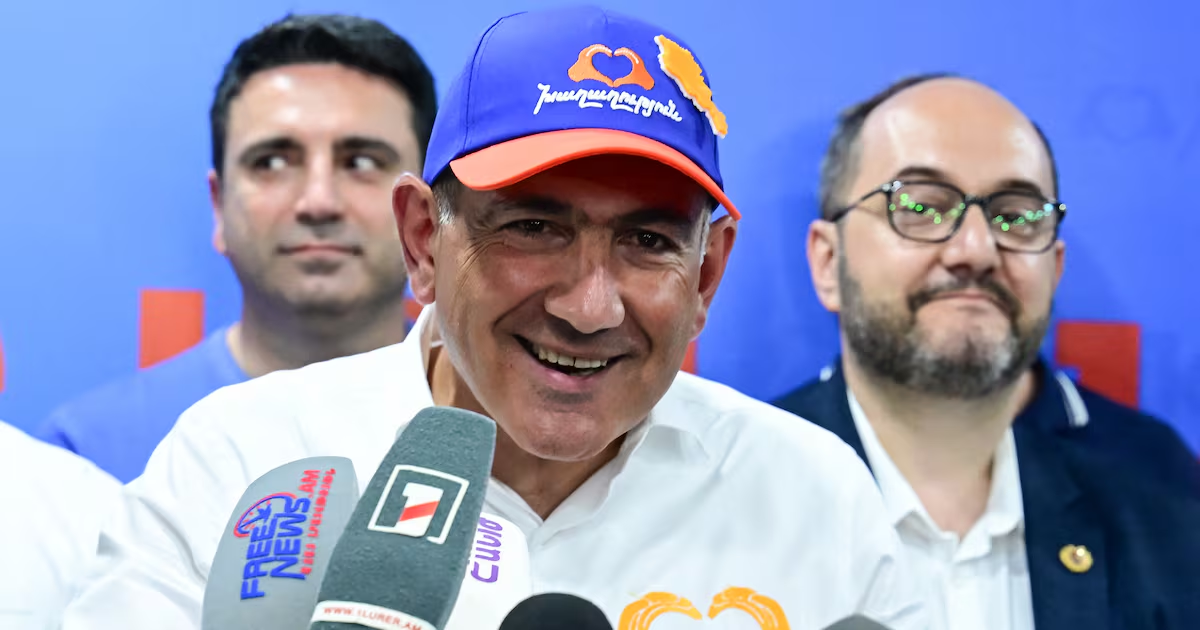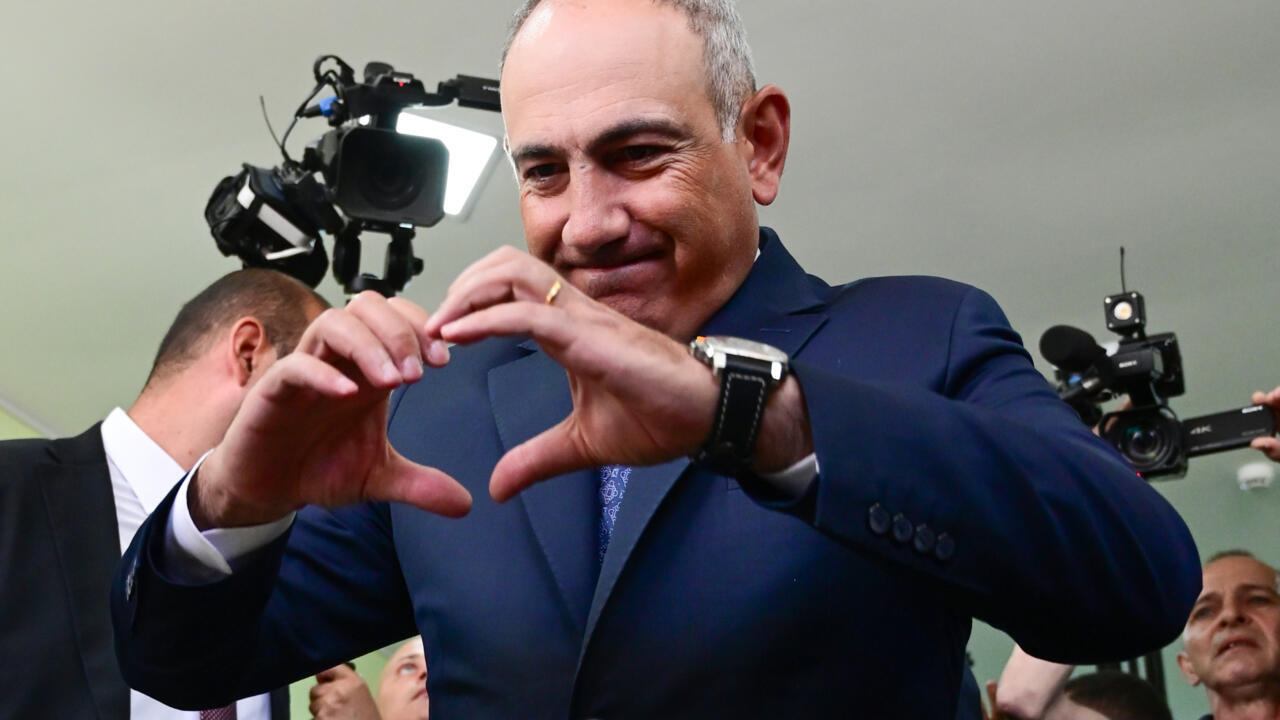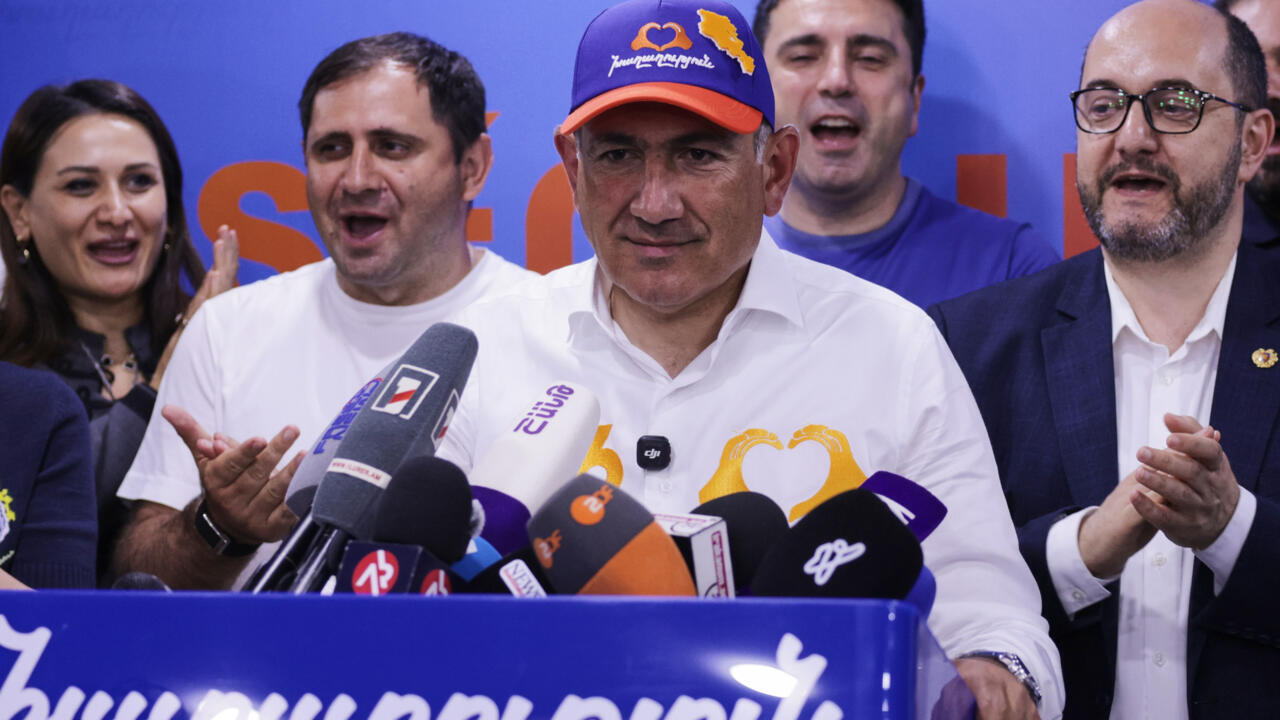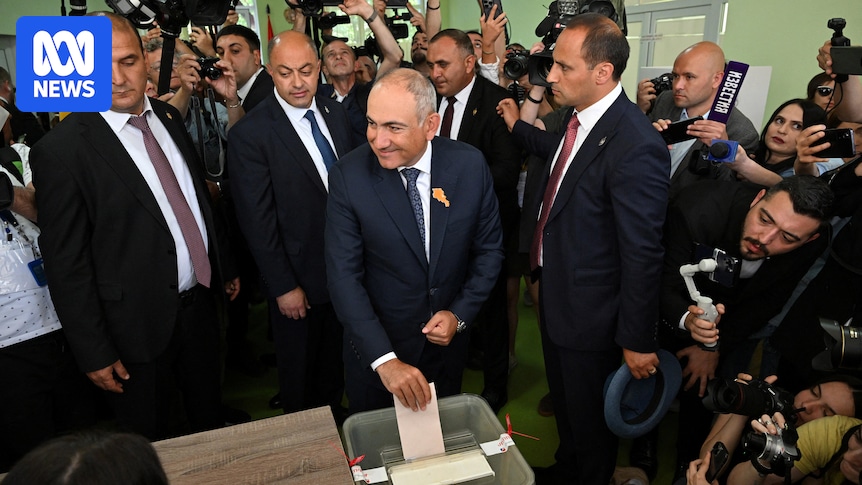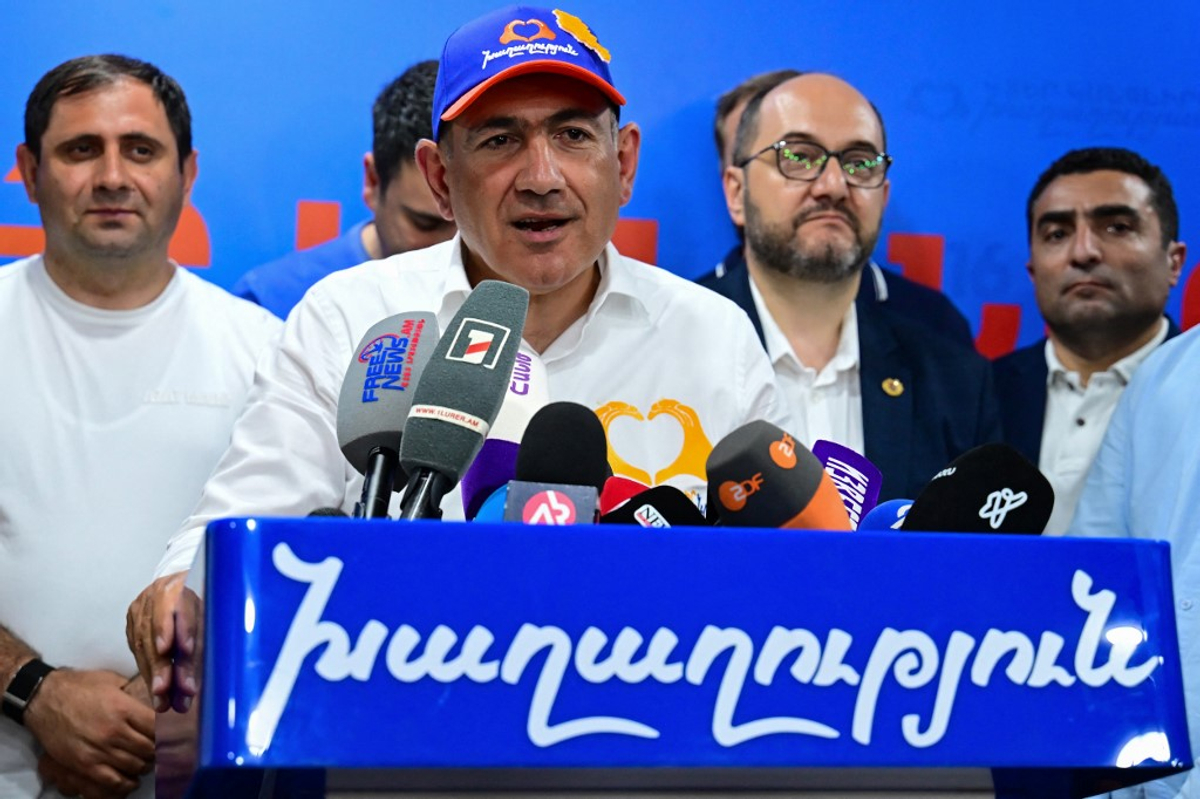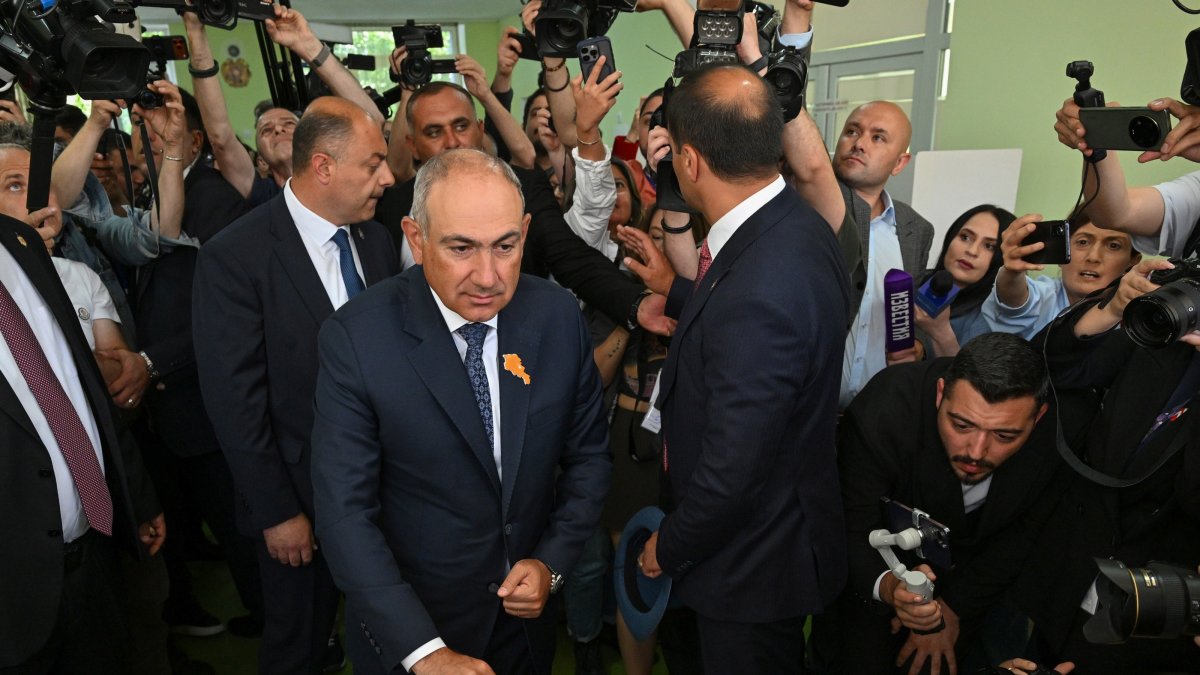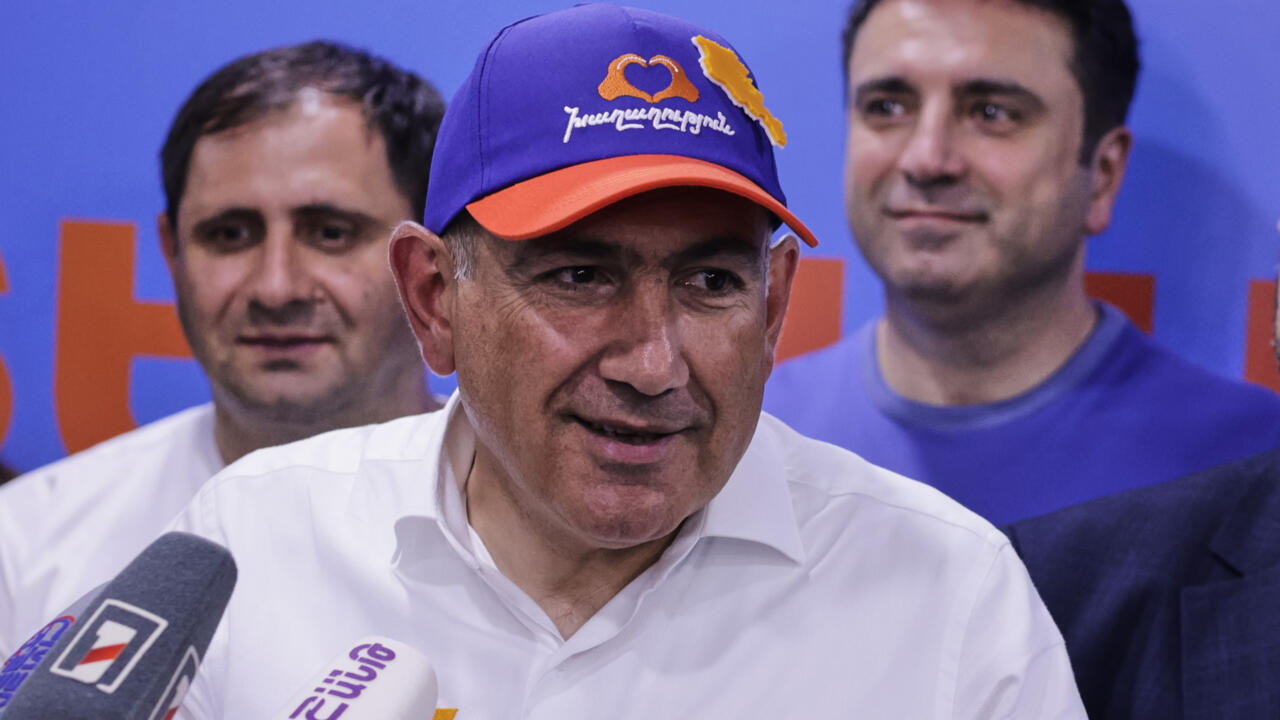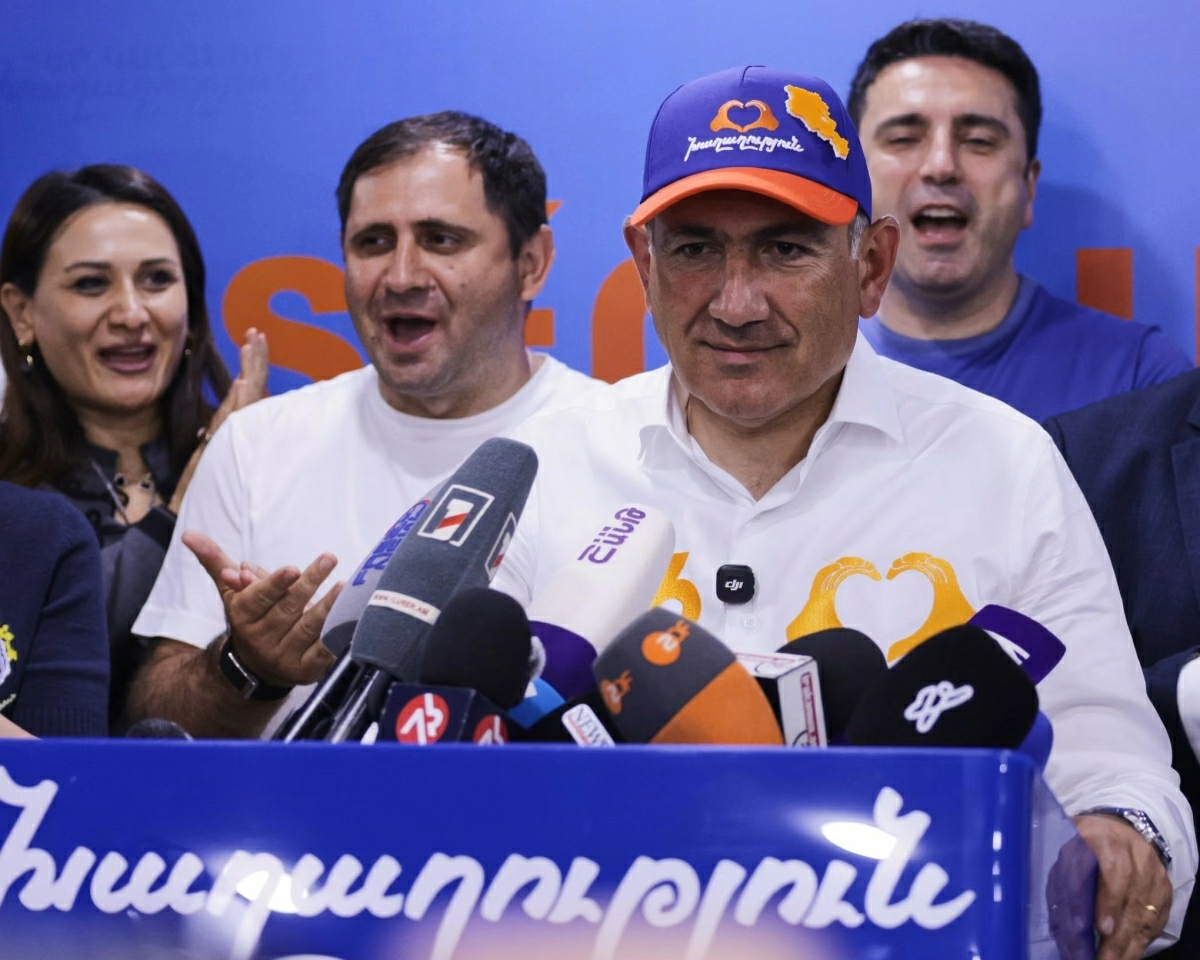
YEREVAN — Armenian Prime Minister Nikol Pashinyan's pro-Western party has won crucial parliamentary elections, confirming the country’s pivot toward Europe away from its traditional ally, Russia.Final results showed Pashinyan’s Civil Contract party securing a slim majority, while the Strong Armenia alliance, led by the Russian-Armenian billionaire Samvel Karapetyan, won 25% of the seats in parliament. The Armenia Alliance was third with 9.9%.The result, which will be welcomed in Brussels but viewed with dismay in Moscow, strengthens Pashinyan’s hand as he pursues his signature and politically sensitive goal: a peace agreement with Armenia’s longtime adversary Azerbaijan and the normalization of relations with Turkey.“The people of Armenia voted for peace, regional prosperity and regional cooperation, and I hope this will be met with a positive response from Turkey and Azerbaijan,” Pashinyan said at his campaign headquarters as the results began to trickle in.Sunday's vote was the first general election since Armenia, a small South Caucasus country of three million people, suffered a crushing military defeat by Azerbaijan in 2023.The election drew significant international attention to the country. On Monday, France and the EU were among European powers that congratulated Pashinyan, praising Armenia's closer ties with the West.Russia's foreign ministry spokesperson Maria Zakharova was quoted by the Tass news agency as saying "unprecedented pressure" had been put on opposition parties and alleged there had been "interference" from the West.Zakharova also said the election had demonstrated that Armenian society was "extremely polarised".Civil Contract's success came despite Pashinyan's domestic support falling from 54% in 2021 to around 30% today, according to polls.A total of 19 parties and alliances took part in the election but few of these earned enough votes to gain a seat in the national assembly. Turnout was 59%, the electoral commission said.The conservative Prosperous Armenia party, led by businessman Gagik Tsarukyan, came fourth with 4% of the vote.It, like the Strong Armenia Alliance and the Armenia Alliance, led by former President Robert Kocharyan, are pro-Russian."We will continue the course of rapprochement with the West, but we will also continue our participation and membership in the Eurasian Economic Union," Pashinyan also said on Monday.In late May, the Russian president called on Armenia to hold a referendum "as soon as possible" on whether to join the EU or remain in the Russian-led Eurasian Economic Union (EAEU), a customs bloc from which Armenia benefits.Last month, Russian President Vladimir Putin listed the economic benefits Armenia stood to lose if it pursued closer ties with the West - pointedly noting that "the crisis in Ukraine began with efforts to move toward EU accession".Russia supplies Armenia with gas at $177.50 (£132.90) per 1,000 cubic meters, while European market prices, as Putin pointed out to Pashinyan in April, exceed $600.In the two weeks preceding the election, Moscow banned the export of Armenian flowers, mineral water, fresh vegetables and fruit.Pashinyan efforts to try and steer his country away from Moscow include passing a law to launch the process of joining the EU, and accelerating the peace process with neighbouring Azerbaijan via a US-brokered agreement. The latter has won him US President Donald Trump's endorsement.He also hosted a large summit of EU leaders and Ukrainian President Volodymyr Zelensky in the capital, Yerevan, earlier this year.Despite Pashinyan developing, good-natured relationship with European leaders, Armenia doesn't even have EU candidate status yet, and membership of the bloc is still a long way off.His loss of popularity is mainly due to the conflict over Nagorno-Karabakh, a mountainous enclave inside Azerbaijan that was home to 100,000 ethnic Armenians until Azerbaijan took it by force in 2023.Pashinyan's critics have never forgiven him for making concessions in favor of peace with Azerbaijan, like refusing to campaign for the release of former leaders of Nagorno-Karabakh who are in jail in the neighboring country.The peace deal with Azerbaijan, too, remains deeply divisive, with one recent poll showing 44% of public opinion in support and 41% opposed.In the Armenian capital, Yerevan, the election results were not met with much excitement and people were going about their days as usual.Gohar, 40, said she was skeptical about a possible future for Armenia in the EU."I don't have any evidence that the European Union is waiting for Armenia. We know that Georgia is waiting for a long time, Turkey is waiting for a long time," Gohar told the BBC.
Armenia’s pro-West party wins election, cementing shift away from Russia
Armenian Prime Minister Nikol Pashinyan's pro-Western party has won crucial parliamentary elections, confirming the country's pivot toward Europe away from its traditional ally, Russia.
716 words~3 min read