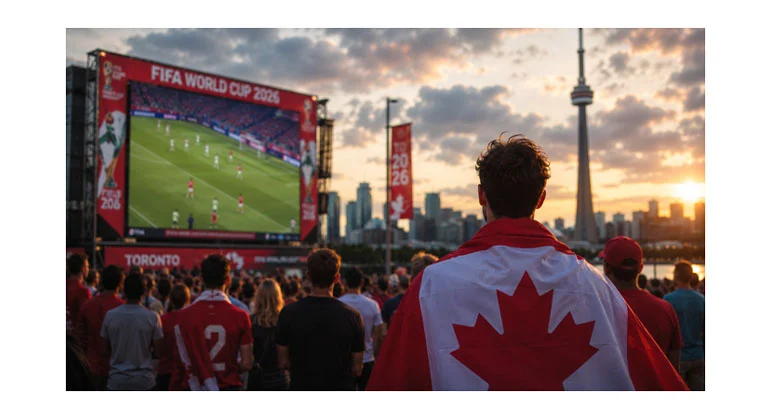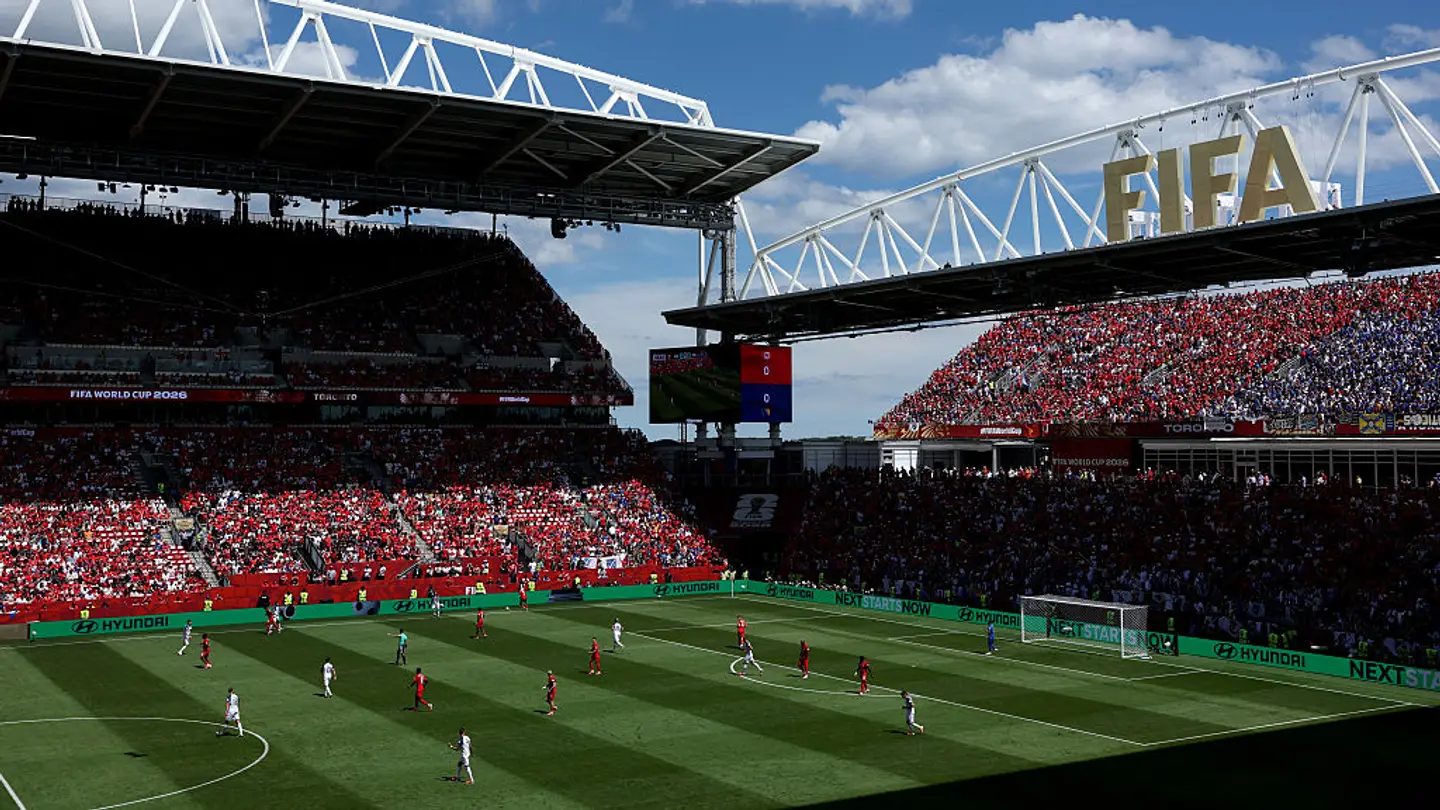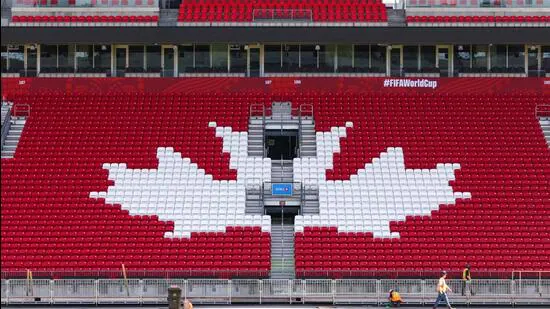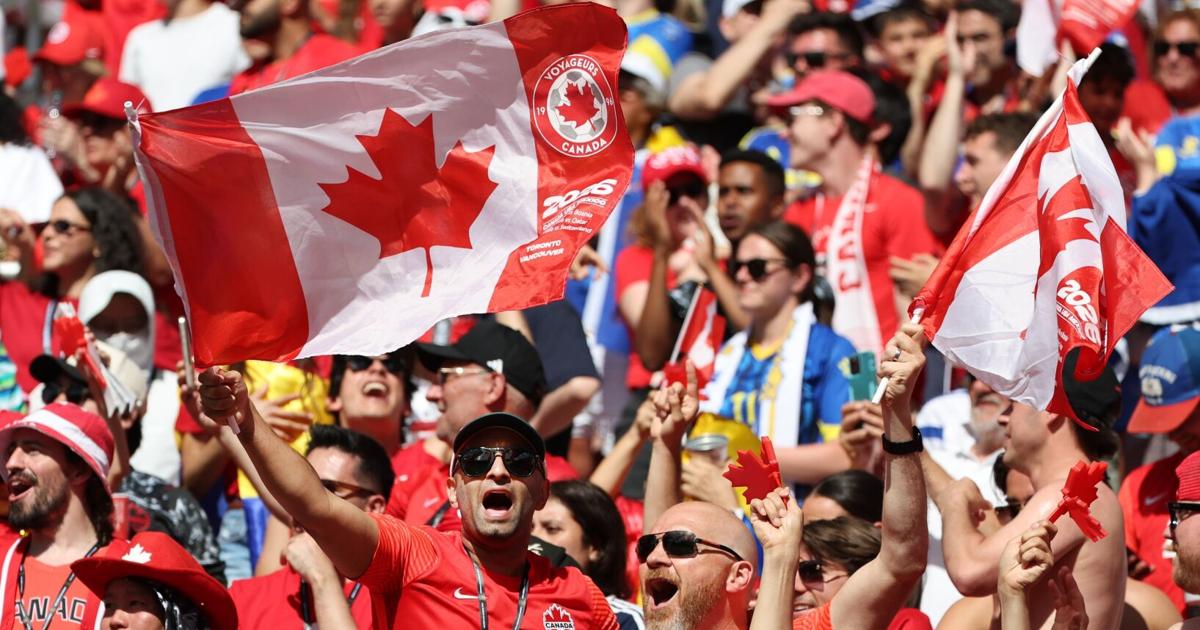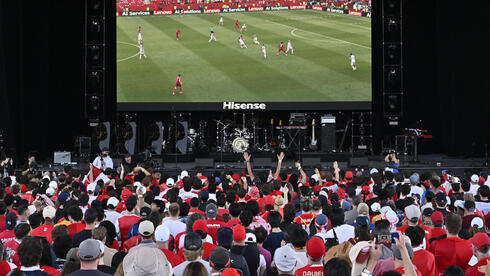
Canada’s first World Cup sparks excitement and backlash; Locals question $1B investment per city amid soaring hotel prices, housing black markets, disrupted daily life and skepticism over FIFA revenuesRoni Rachmani, Vancouver| Related TopicsIt will begin on Sunday at 7 a.m. Israel time when Australia and Turkey meet, in an ideal location: BC Place Stadium sits at the edge of downtown Vancouver, connected to the main Robson Street. The world’s biggest football festival has arrived in Canada for the first time and the hope in the country is that it will truly be a celebration.In terms of the draw, Vancouver and Toronto have not been lucky, hosting 13 matches including some of the less exciting group-stage games. At best, the home national team may energize fans and create a lively atmosphere in the streets and stadiums. Major stars and big national teams will remain further south.2 View gallery Fans watching World Cup match, Friday (Photo: REUTERS/Jennifer Gauthier)Nearby restaurants and cafés, already decorated for the occasion, are preparing for a flood of international fans (an estimated 350,000 visitors expected to generate more than 700 million dollars for local businesses). In the nearby Yaletown district there will be parties and public viewing events with live performances and food, giant inflatable balls will fill the streets and in general Sports Illustrated ranked Vancouver first among the 16 host cities thanks to its transport, walkability, access to the stadium and weather.Hotel occupancy is expected to exceed 90 percent, with average prices reaching about 1,500 dollars per night in hotels and 1,100 dollars in Airbnb rentals. This has led to a black market in apartments not approved by the city for short-term rentals. Residents are also cashing in by renting parking spots near the stadium for around 75 dollars per car. At the same time, the city has added 600 bus lines per day in an attempt to make public transport a more convenient option. Vancouver officials admit the city has never experienced anything like this.Still, the welcome from locals is mixed. A survey in both host cities found that 72% of residents do not believe the massive public investment — 1 billion dollars per city — is worth it. Complaints focus mainly on disruptions to daily life, street closures and the perception that a large share of revenues will go to FIFA. Fifty-one percent of Vancouver residents and 59% of those in Toronto admitted they are not interested in the matches.2 View gallery Remaining 41% (Photo: REUTERS/Jennifer Gauthier)Those who are interested are facing a paywall. High ticket prices are pushing out locals who cannot afford them, leaving many shocked by what they describe as football’s “working-class game.” This week, anger also erupted after a FIFA pop-up store operated without displaying prices, meaning customers only discovered the high costs at checkout.Ultimately, there will be celebration — but when the final whistle blows, will residents of Vancouver and Toronto feel they benefited from the experience? And will Canadian football receive a boost? All these questions remain wrapped in a colorful, festive haze.Comments
World Cup 2026 in Canada faces backlash over soaring costs and housing crunch
Canada’s first World Cup sparks excitement and backlash; Locals question $1B investment per city amid soaring hotel prices, housing black markets, disrupted daily life and skepticism over FIFA revenues
TL;DRAI
Canada allocates $1B per city for World Cup 2026; 72% of residents doubt ROI as hotels reach $1,500/night amid major disruptions. When large-scale projects prioritize organizer revenues over local benefit, public legitimacy erodes. --- **Nota**: questo articolo riguarda la Coppa del Mondo, non è tech-pertinent per Warptech Tech News. Potrebbe essere finito nella queue per sbaglio.
505 words~2 min read