By providing an email address. I agree to the Terms of Use and acknowledge that I have read the Privacy Policy.
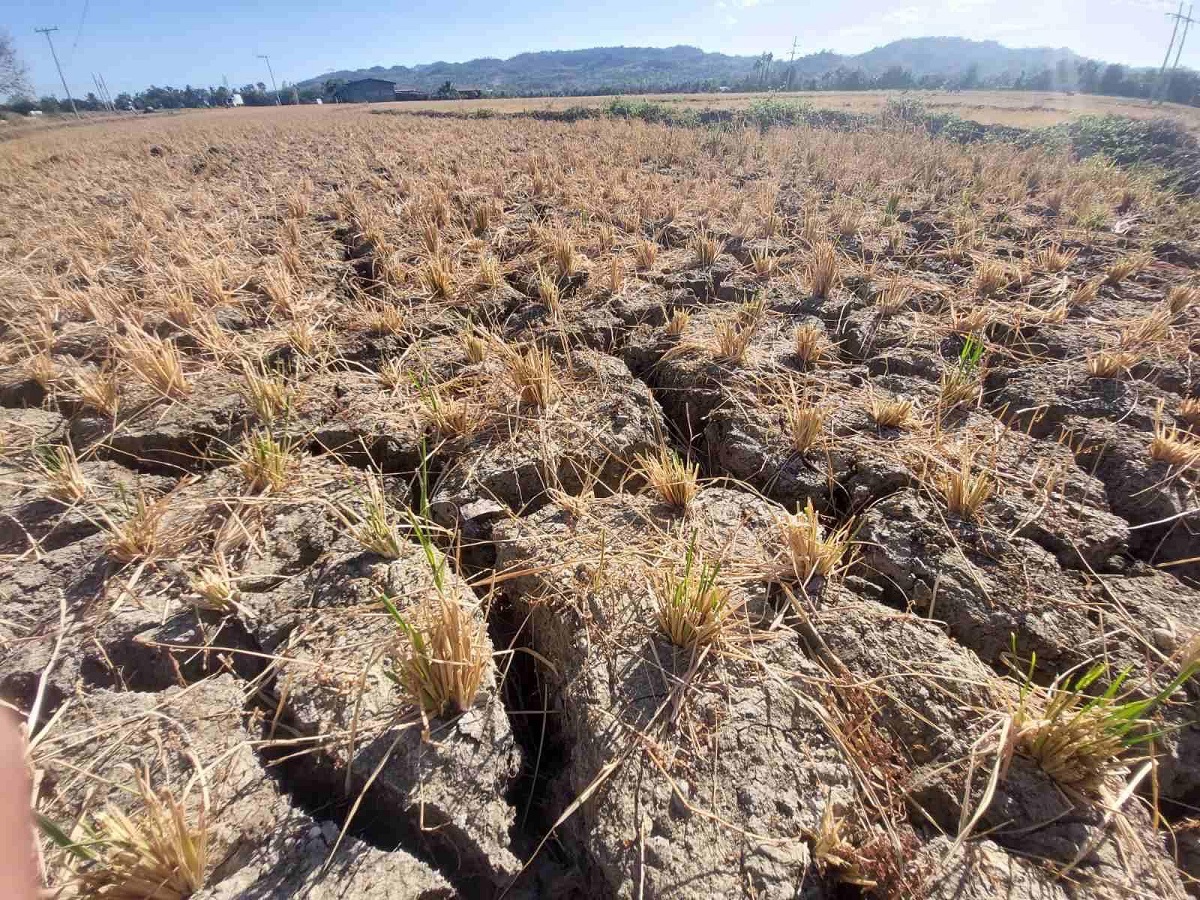
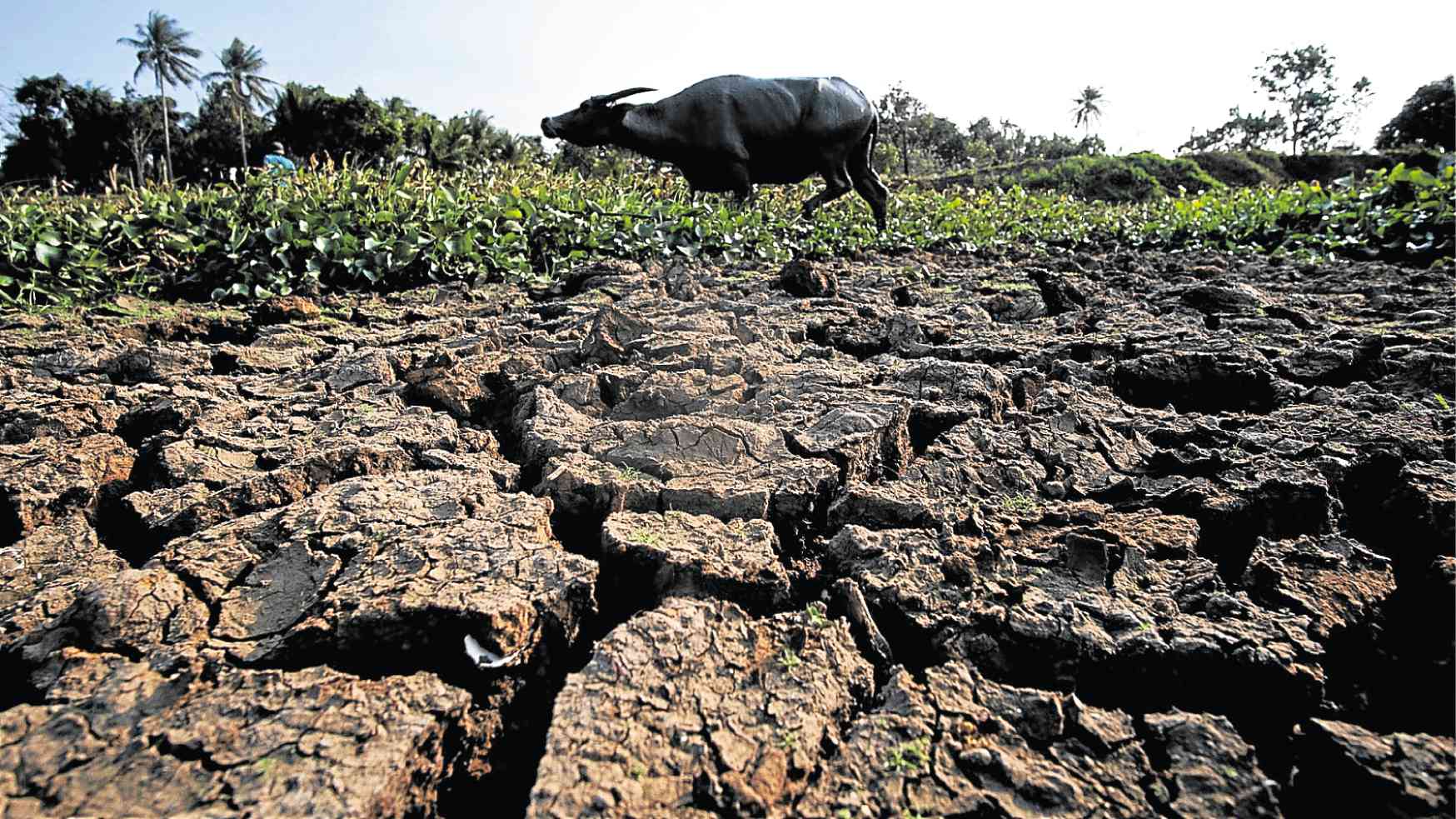
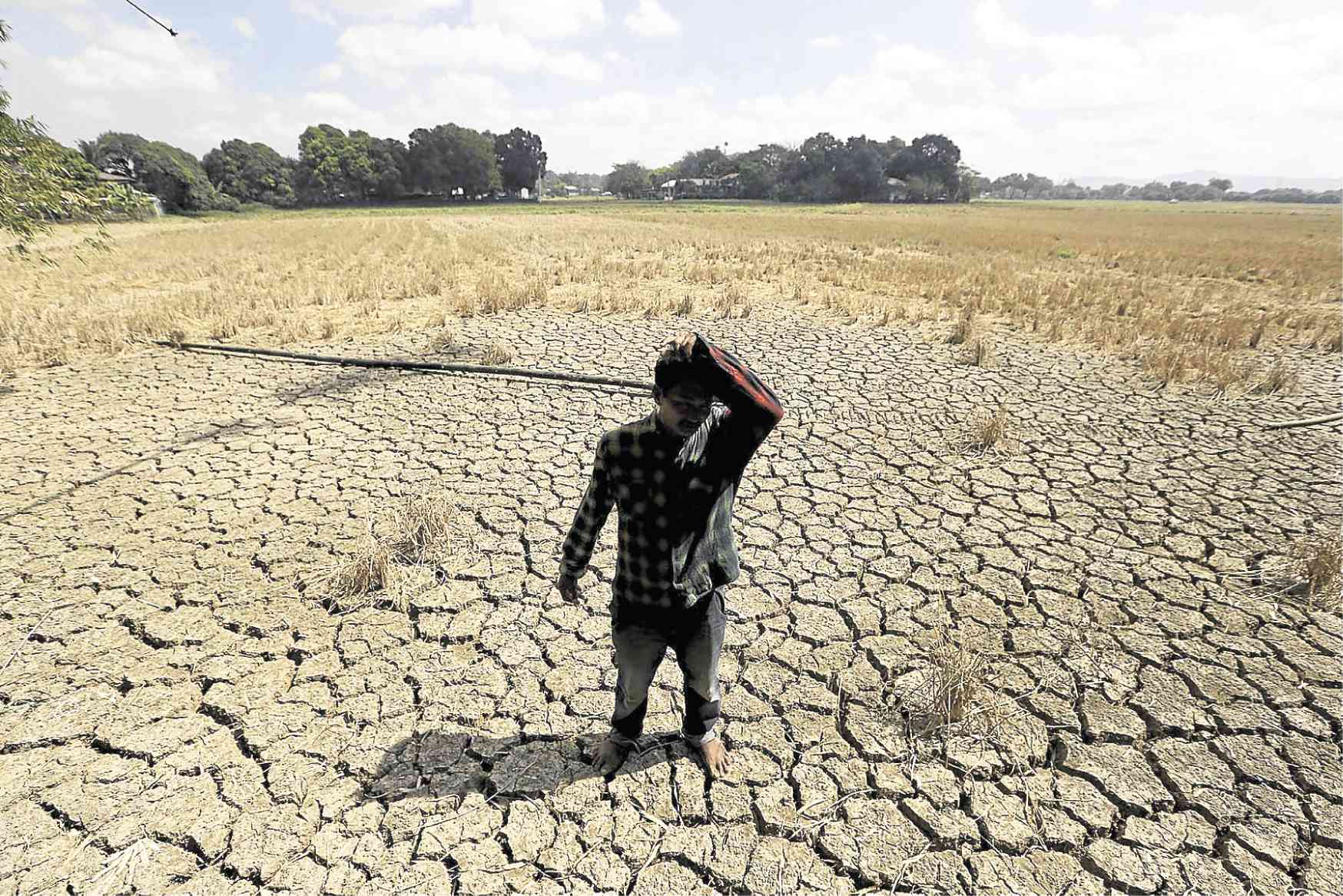
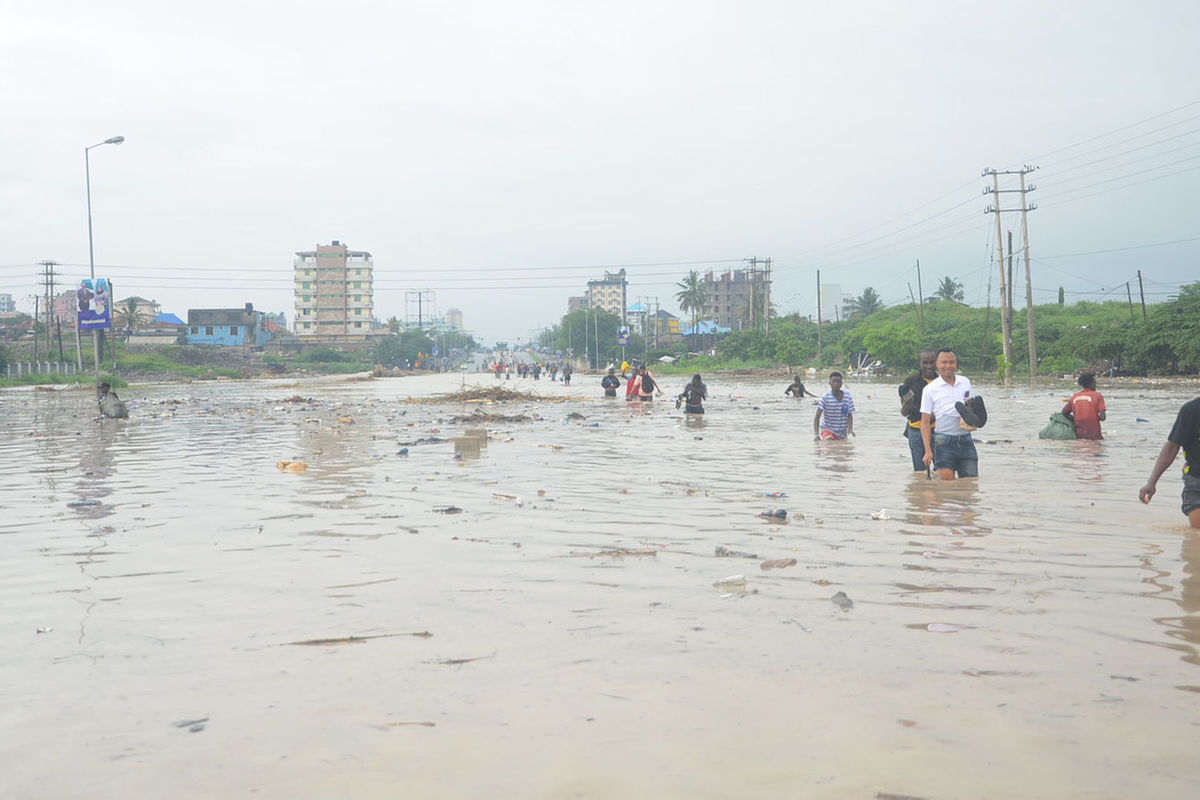
Super El Niño events represent one of the most severe climate disruptions in tropical regions, marked by prolonged drought, extreme heat and rainfall anomalies.
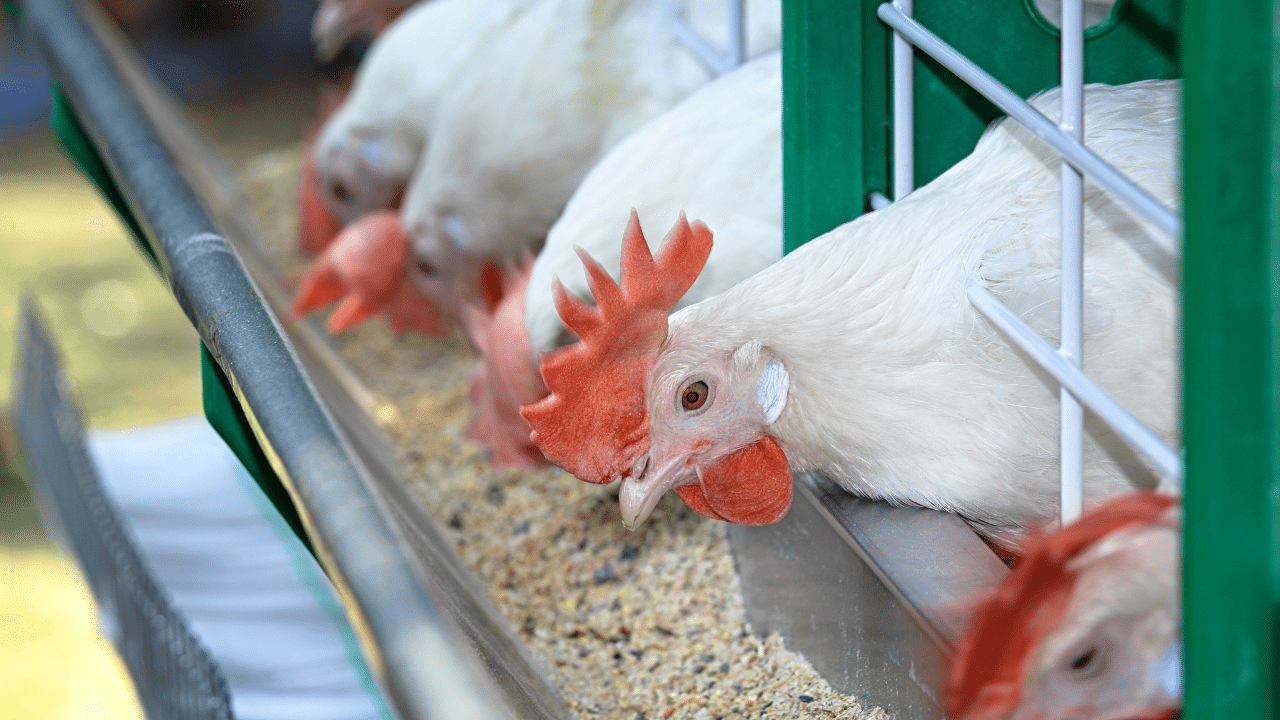
In the Philippines, livestock systems — including hogs, poultry, ducks, goats, sheep, cattle and carabaos — are directly affected by heat stress, water scarcity and feed shortages. They are also indirectly affected by disease outbreaks, nutritional decline and economic instability.
This paper synthesizes empirical data, farmer case studies and global climate-livestock literature to quantify species-specific impacts under mild, moderate and severe scenarios.
Findings show that livestock productivity declines not only because of direct physiological stress but also because of systemic vulnerabilities in feed supply chains, disease control and farmer resilience. Meat, milk and egg productivity is projected to drop significantly from the second quarter through the end of the year and extend until 2028 because of the prolonged impact of Super El Niño.