Heat stress causes pigs to consume less feed, grow more slowly and become more susceptible to disease, limiting pork production. Because hog production requires 9-12 months, supply cannot respond quickly to stronger prices, according to BLS.
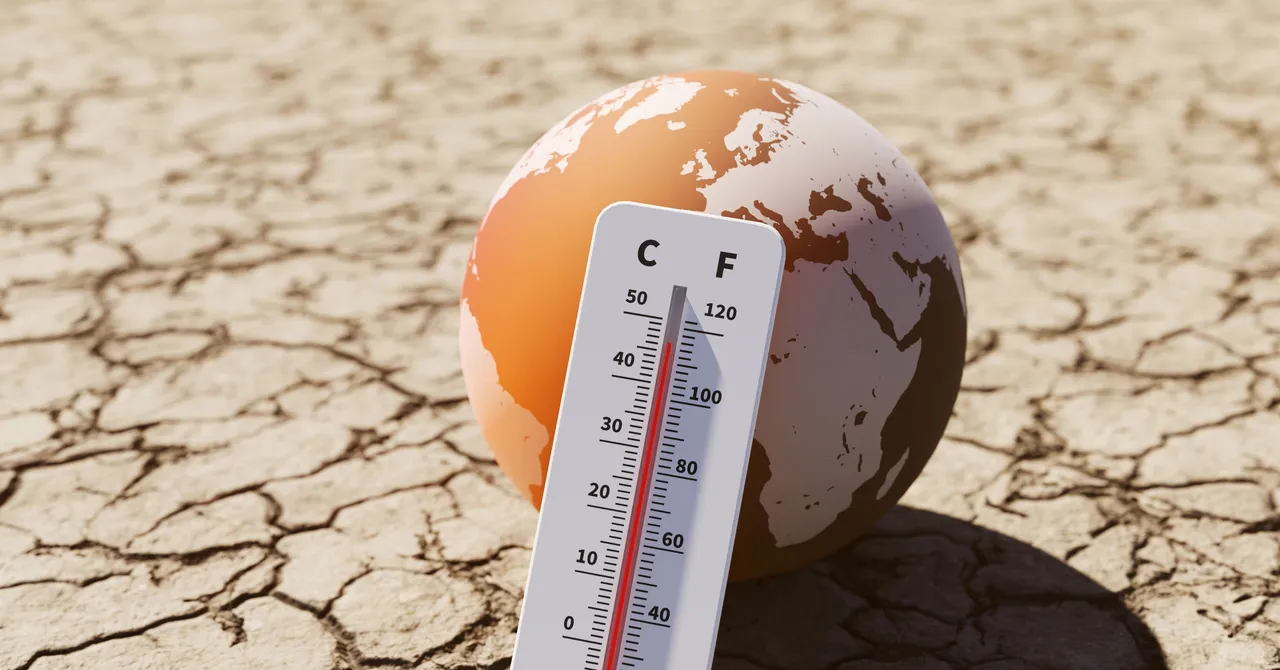
Investors should begin positioning in sectors that could benefit from a potential "Super El Niño" weather pattern, as climate forecasters warn that intensifying heat and drought later this year may reshape demand across agriculture, energy and consumer industries, according to analysts.The investment theme comes as the US National Oceanic and Atmospheric Administration (NOAA) declared the return of an El Niño on June 11. NOAA estimates a 63% probability that weather conditions could strengthen to a Super El Niño between November 2026 and January 2027, raising the likelihood of prolonged heatwaves and below-average rainfall across many regions, including Thailand.
For investors, the phenomenon is increasingly viewed not only as a climate risk but also as a structural investment theme, as extreme weather alters commodity prices, electricity demand and consumer spending patterns.
Piriyapon Kongvanich, head of equity research at Bualuang Securities (BLS), said previous Super El Niño episodes in 1982-83, 1997-98 and 2015-16 brought significantly drier conditions to Thailand.