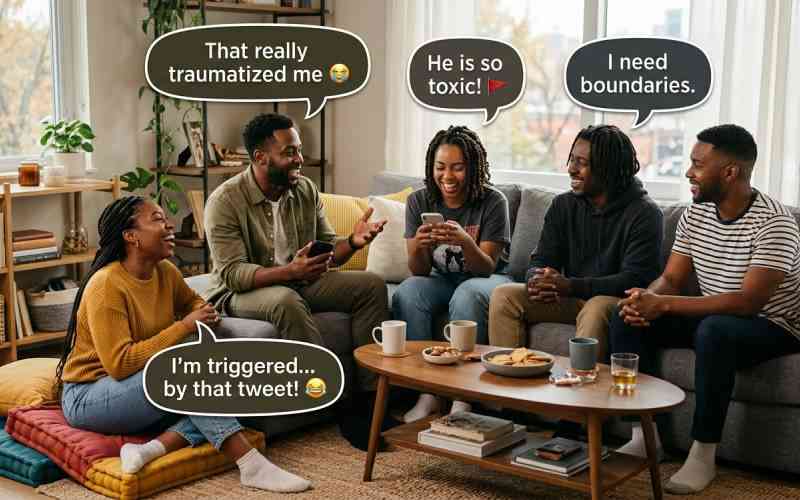
Mental health content performs well because people are searching for answers (Photo: Gemini)
A decade ago, phrases like set boundaries, that’s toxic behaviour, I was triggered, narcissist and gaslighting were mostly heard in therapists’ offices, psychology lecture halls and clinical settings. Today, they are part of everyday conversations, woven into discussions about friendships, dating, parenting and workplace conflicts.
From TikTok therapists and Instagram mental health coaches to podcasts and self-help books, psychological language has entered the mainstream at an unprecedented pace.
The result is a generation that appears more emotionally aware than any before it. But as mental health vocabulary becomes increasingly common, experts are asking a critical question. Are we becoming better at understanding ourselves, or are we beginning to medicalise normal human emotions?
For those who have sought therapy, the experience is often very different from what social media portrays.