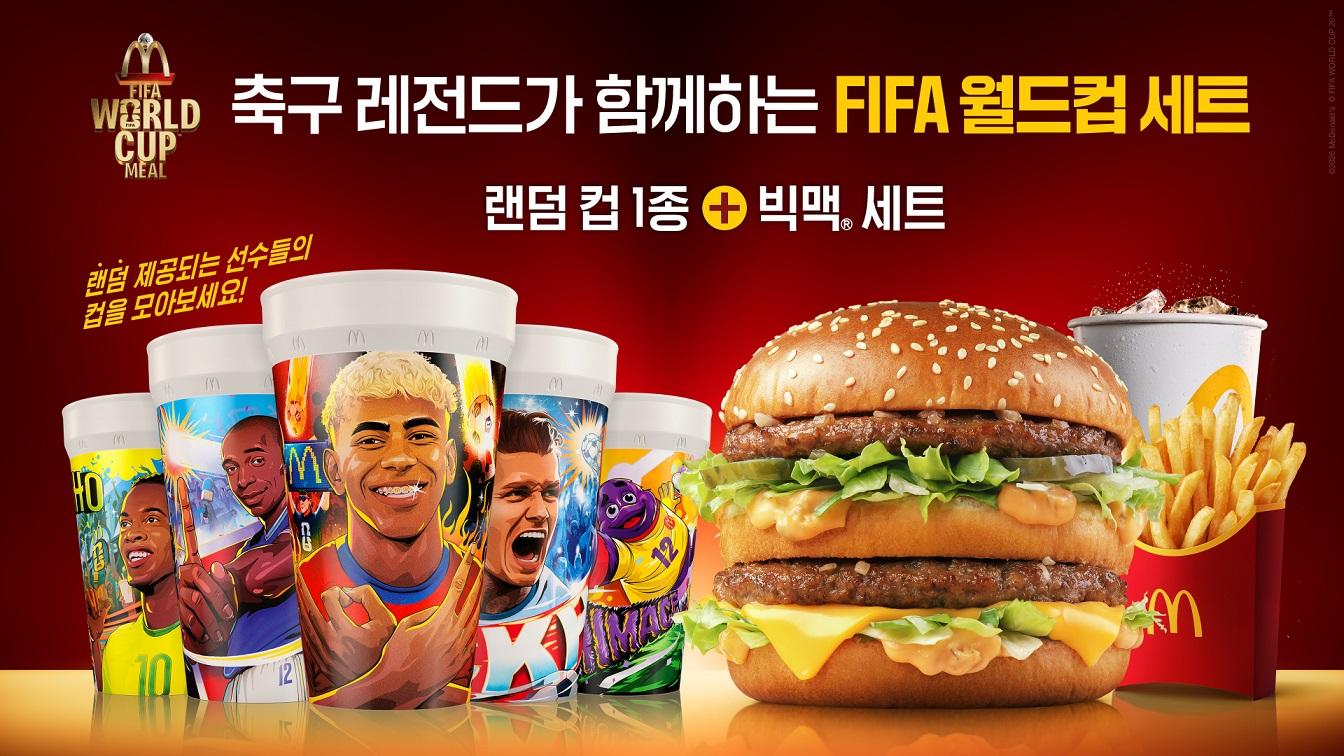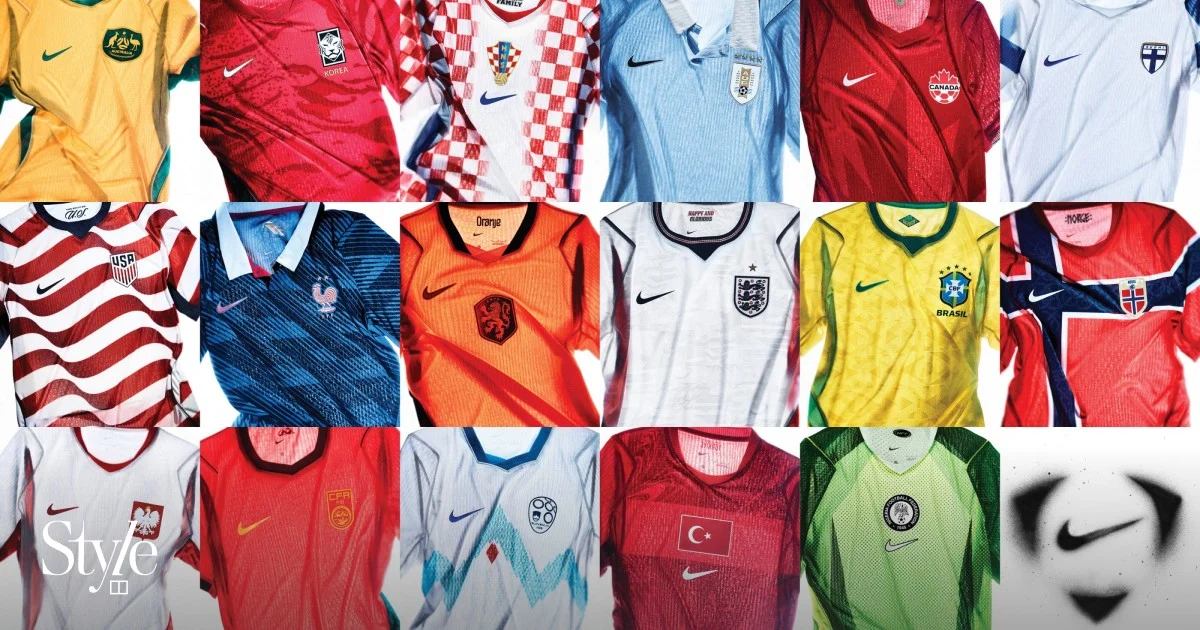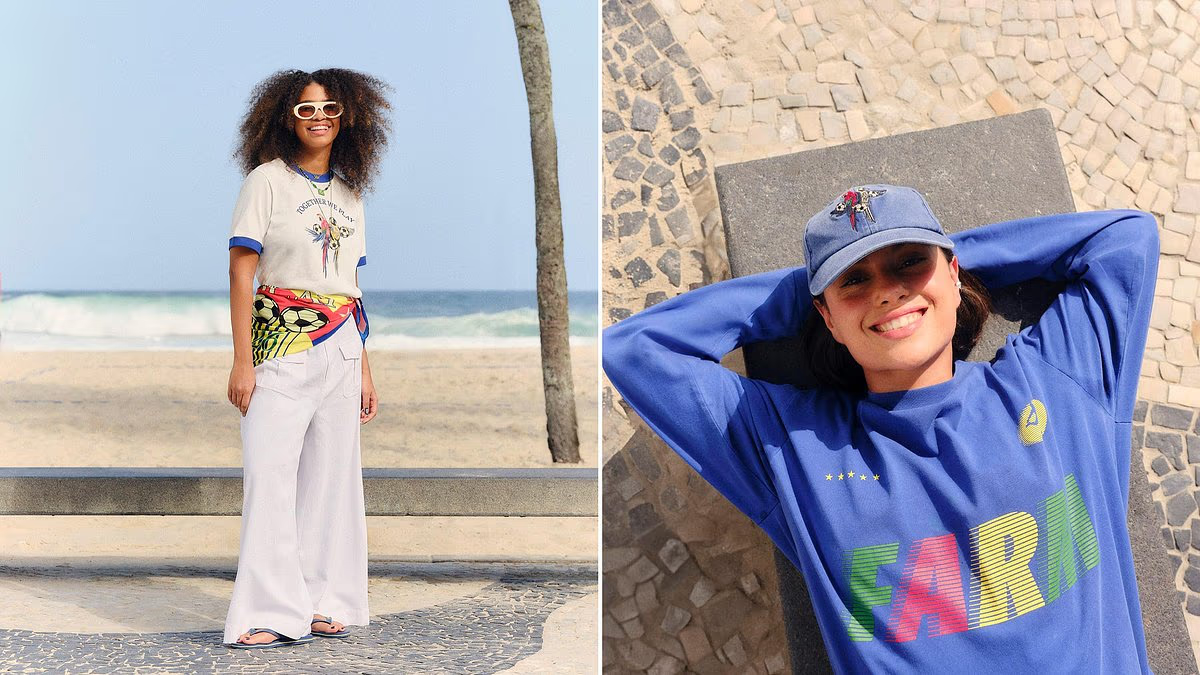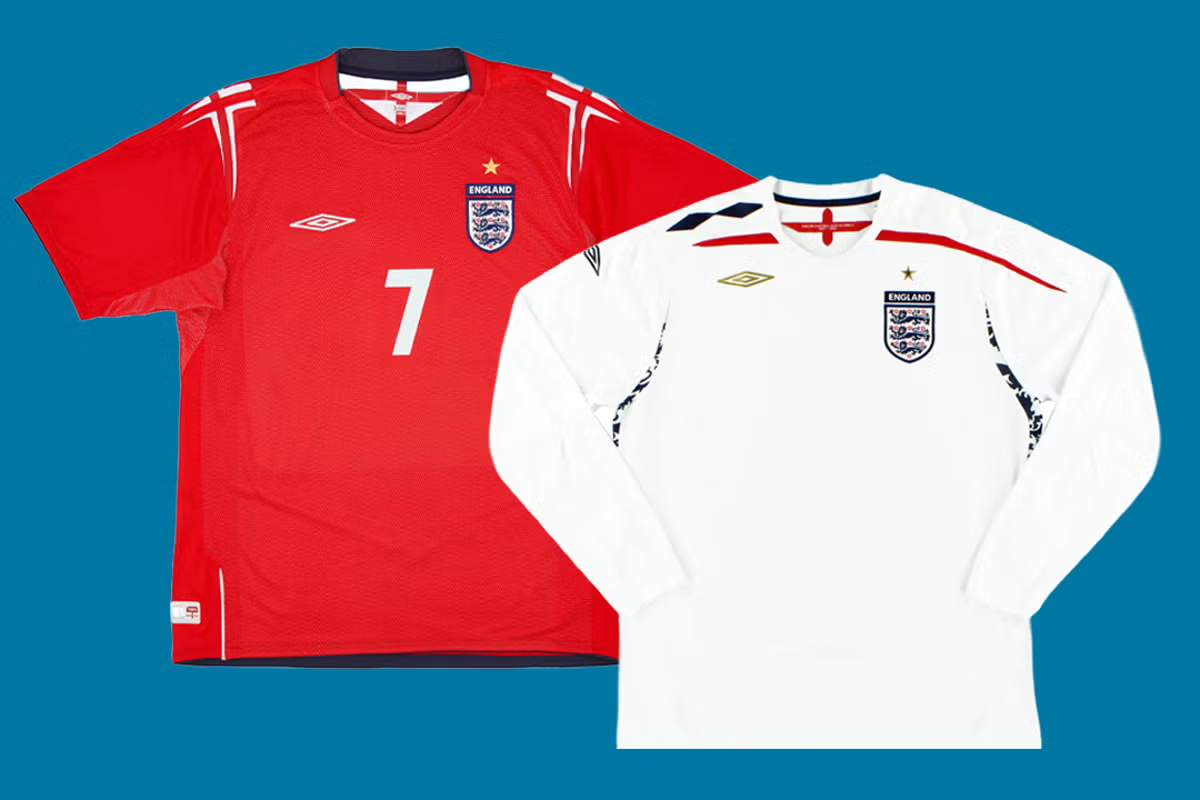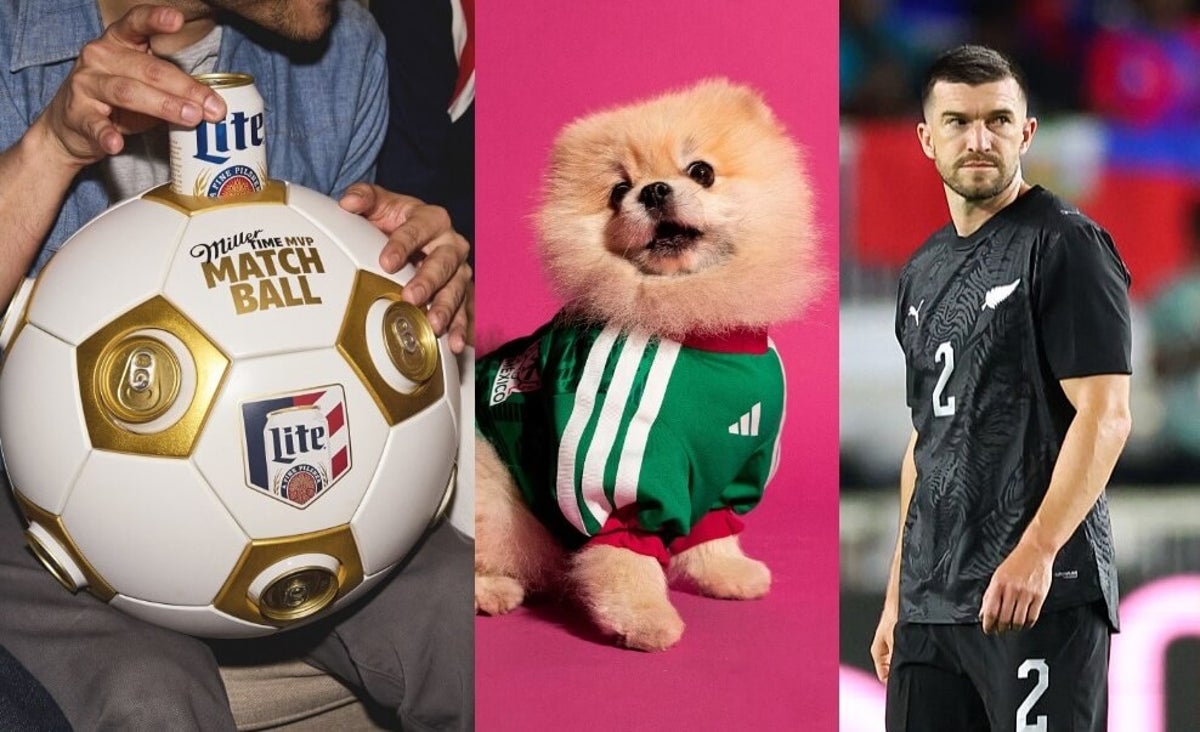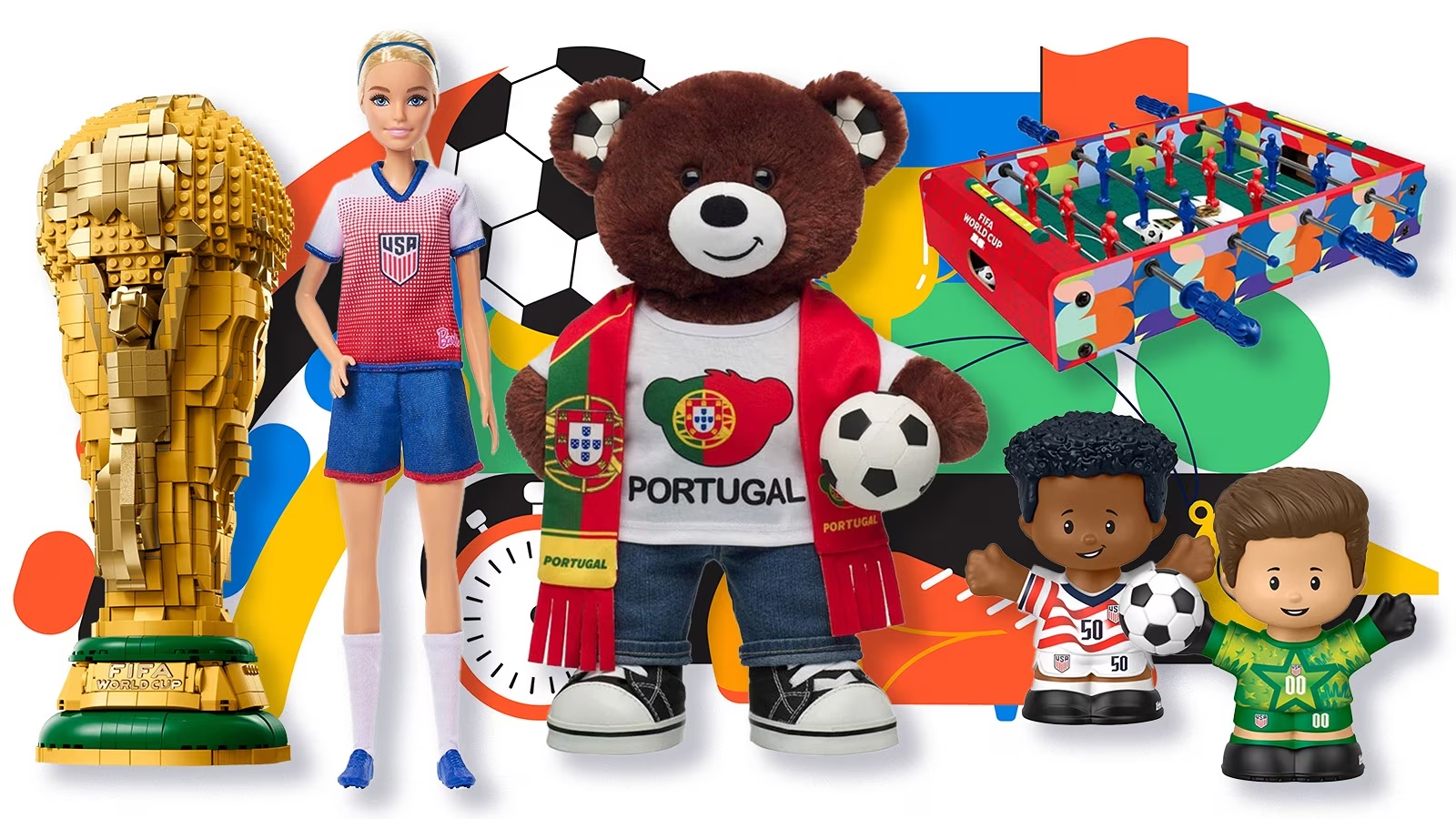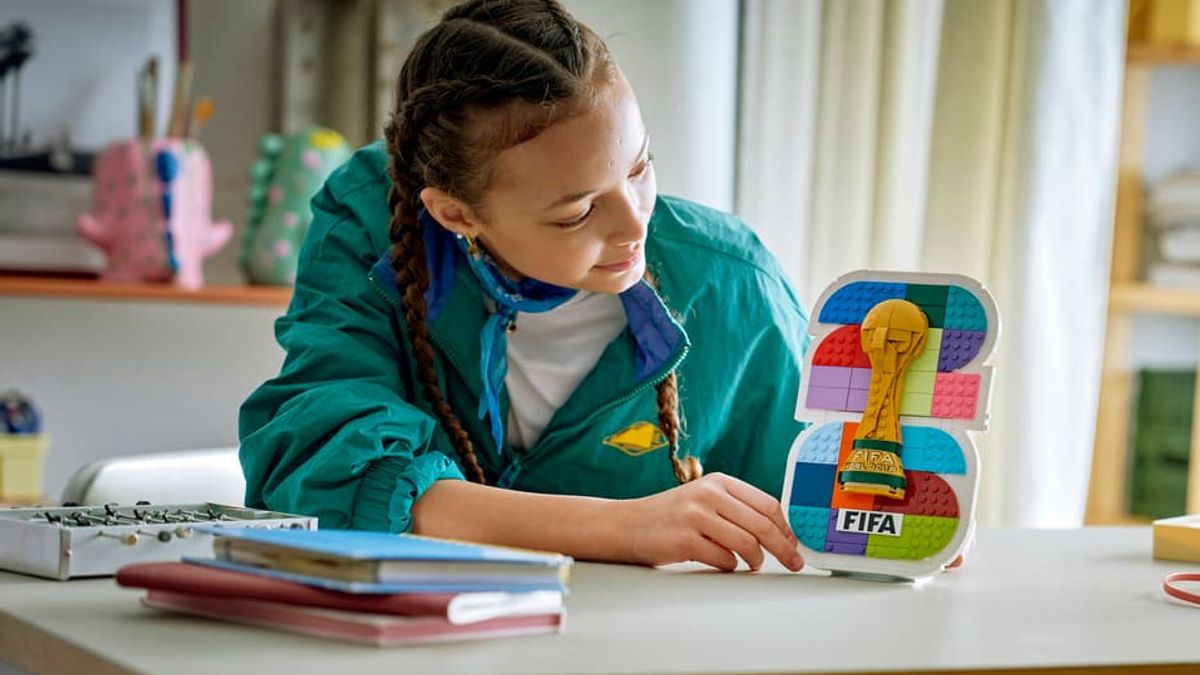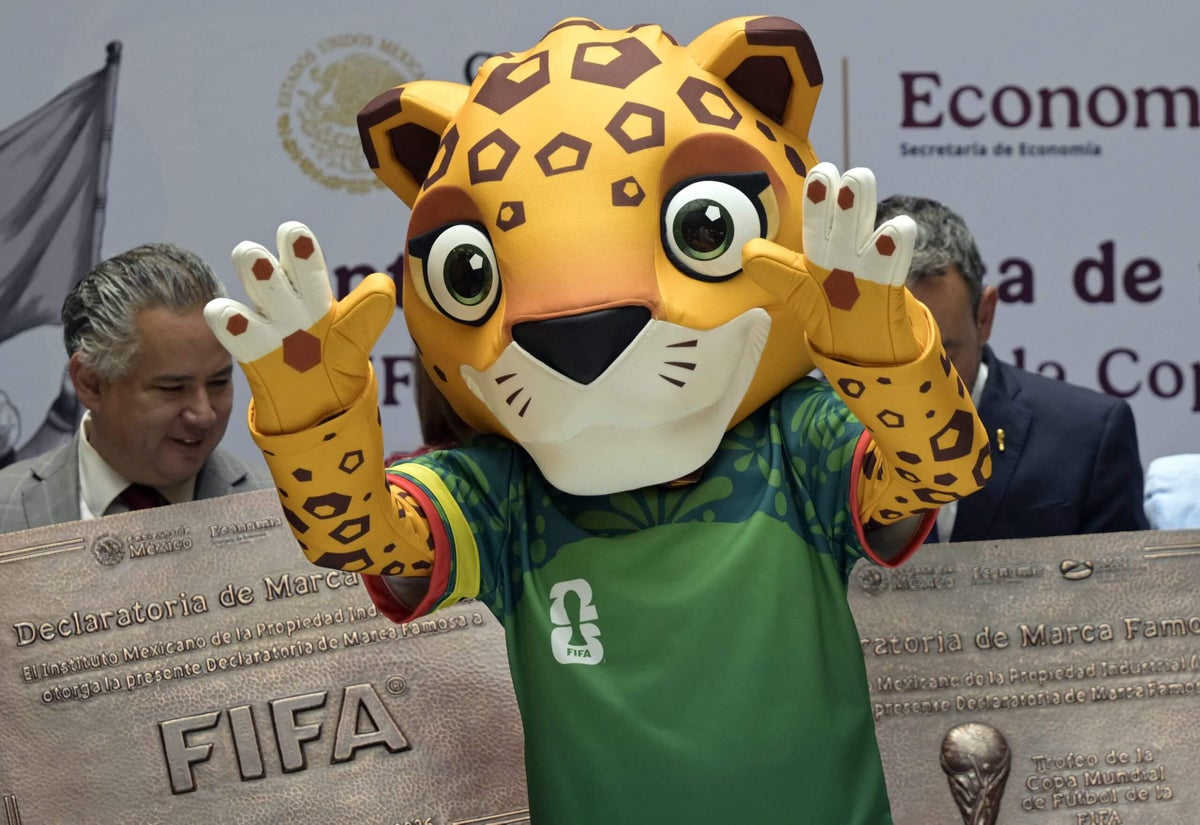
My first World Cup memory is not of a moment on the pitch, but a material one.During the 1998 tournament in France, McDonald’s were giving away World Cup-themed Happy Meal toys, one of them being a picture of Footix, the cockerel mascot, embossed onto a fabric frisbee. I was five years old, but still remember this blue, red and yellow character vividly. One of my siblings had a tiny version of Footix, too.Memorabilia triggers nostalgia for most people, especially as our experiences of live sporting events are increasingly bound by entrances or exits through gift shops.For the World Cup, merchandising started at the 1966 tournament hosted in England. Willie the Lion was FIFA’s first World Cup mascot, and the first linked to a major sporting event that you could buy. World Cup Willie changed the game.Leo Hoye, 12, the son of commercial artist Reg Hoye, who designed Willie the Lion, holds the mascot (John Pratt/Keystone Features/Getty Images)Since then, the art of selling products at major events has become a sport in itself and is now a huge —and lucrative — part of the tournament.This summer’s World Cup in North America, Canada and Mexico could be the most lucrative sporting event in history, with FIFA’s overall revenues set to top $10billion (£7.4bn), according to a 2025 report from London-based agency Pitch Marketing Group.But what products are worth putting onto the shopping list? To save you time, I’ve browsed some of the weird and wonderful items available to fans.In homage to Willie, we have to start with the 2026 trio of mascots. There are three host nations and, therefore, three mascots. And, yes, you can buy them all in various forms.Maple the Moose represents Canada; Mexico has Zayu the Jaguar and Clutch the Bald Eagle is for the United States.They form a fierce attacking front three, especially when it comes to how football’s global governing body will sell this World Cup. There are Maple, Zayu and Clutch keychains, Squishmallows plushies — a highly collectible range of children’s pillows — and T-shirts. And let’s not forget the pins, the figurines and caps.A customer poses with the World Cup mascots in Miami Beach (Chandan Khanna/AFP via Getty Images)But the one product that caught the eye is the pewter statues made by Royal Selangor, the World Cup’s “exclusive licensee for designing and manufacturing pewter merchandise”. Pewter is a malleable metal made mostly of tin. Royal Selangor say they are bringing pewter and passion to World Cup fans. They are certainly bringing something, and it will cost £210 ($282.90) on FIFA’s website — a miniature statue of all three mascots.There are also Pewter tankards, photo frames, coasters, a limited edition trophy… you get the gist.
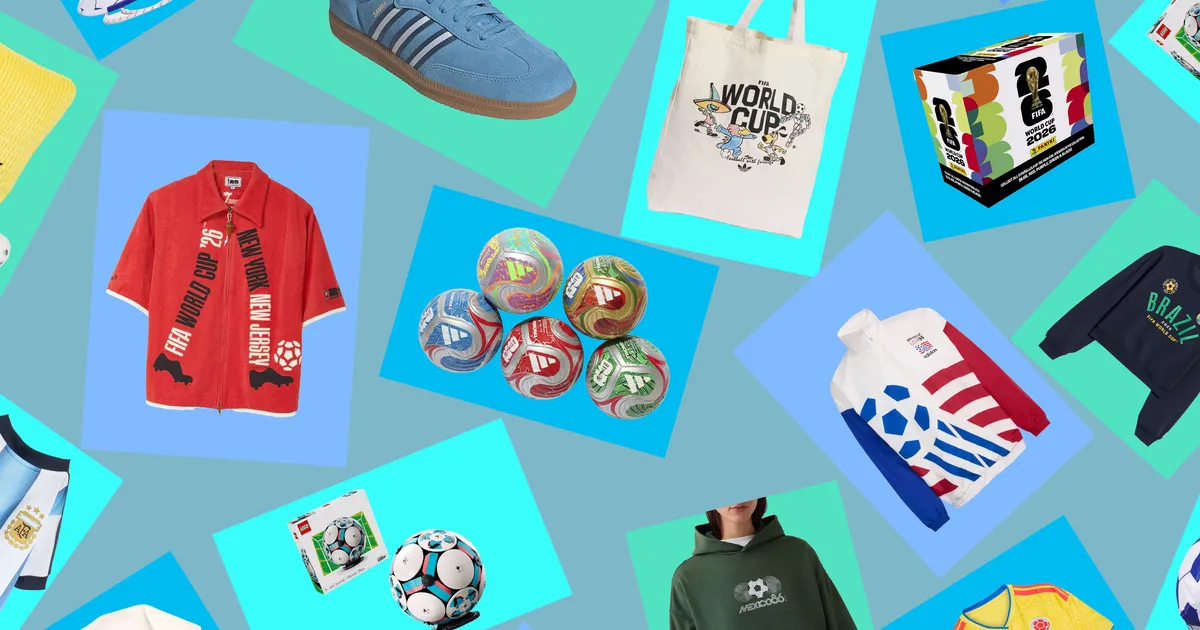
Our pick of the 2026 World Cup merchandise. From Lego to Labubus and everything in between
There are hundreds of World Cup-themed items on sale, but are any worth putting on your shopping list?
1,137 words~5 min read