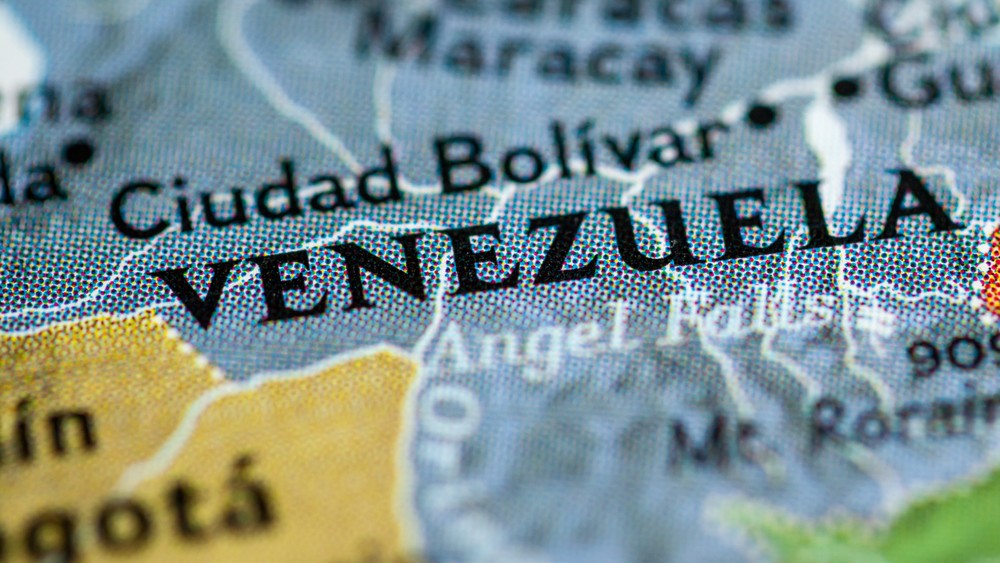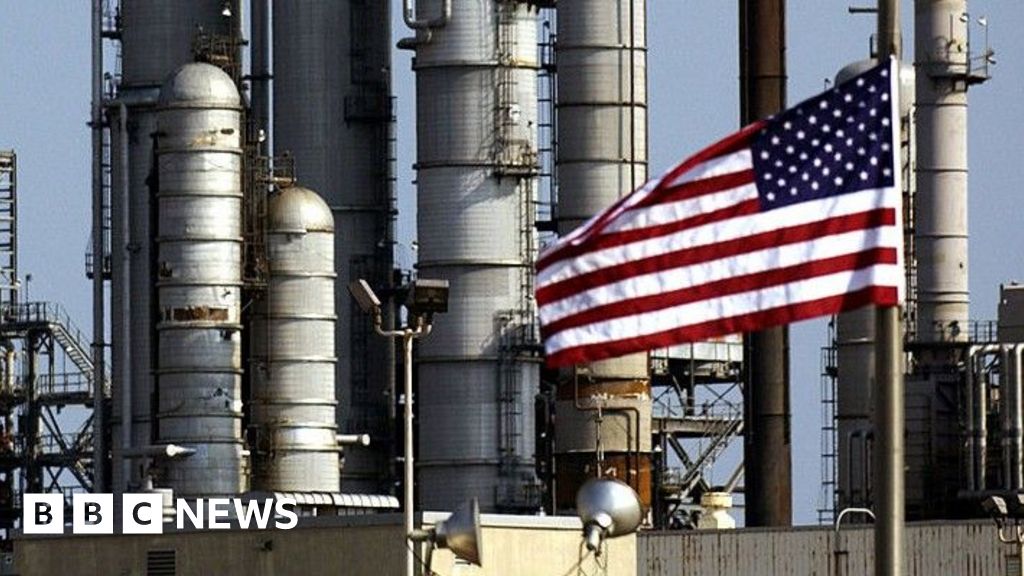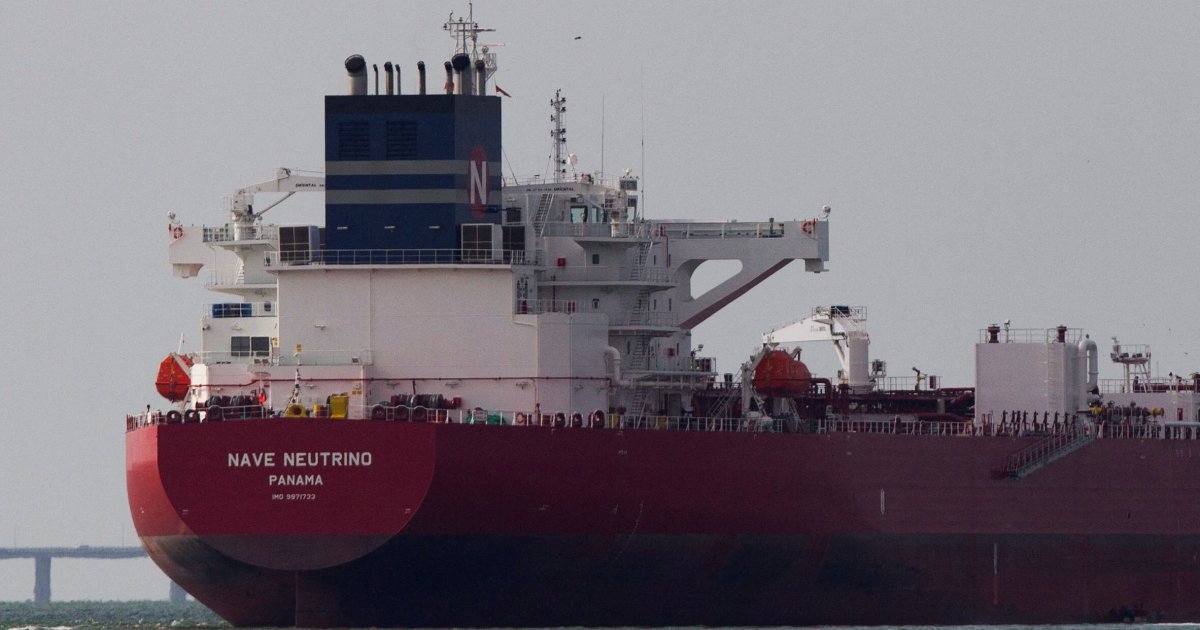
US Energy Secretary Chris Wright announced that Gulf Coast refiners have room to process more Venezuelan heavy crude oil, a statement that underscores just how dramatically the landscape of Venezuelan energy exports has shifted in the past year and a half.
Speaking at an event in Port Houston on June 12, Wright framed the opportunity as a gradual one, noting that demand is expected to rise steadily rather than in a single spike. For refineries that were literally built to handle Venezuela’s thick, sulfur-heavy crude, this is less of a pivot and more of a homecoming.
Venezuela’s oil production is back from the dead
Venezuela’s output hit 1.031 million barrels per day in April 2026, then climbed further to 1.179 million bpd in May. That recovery was driven by eased sanctions and new licenses granted to foreign operators, most notably Chevron, which remains the largest US producer operating in the country.
Gulf Coast refineries were specifically designed decades ago to process the kind of heavy sour crude that Venezuela exports. When Venezuelan supply dried up, those refineries had to source similar grades from places like Canada, Mexico, and the Middle East. Wright’s comments suggest the US government sees an opportunity to redirect more of that crude back to its original destination.