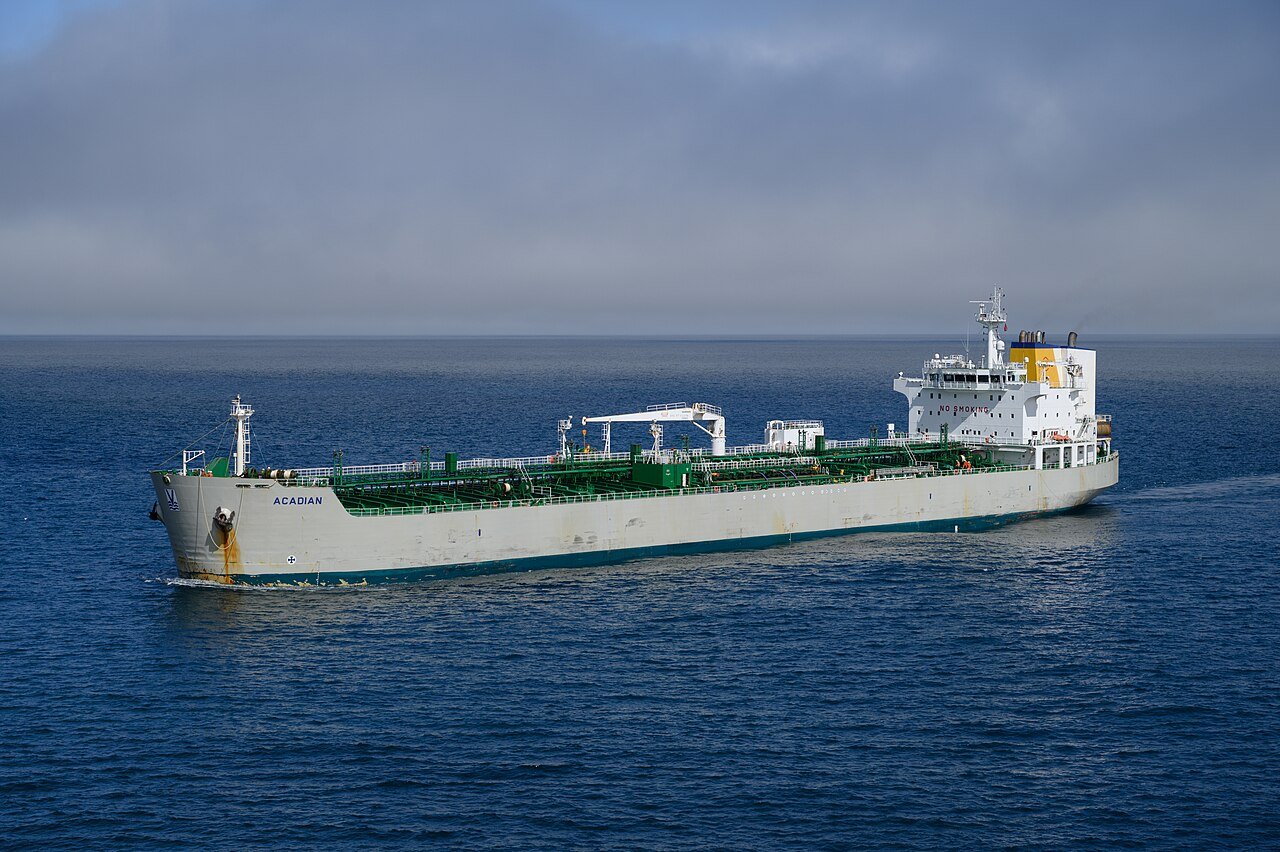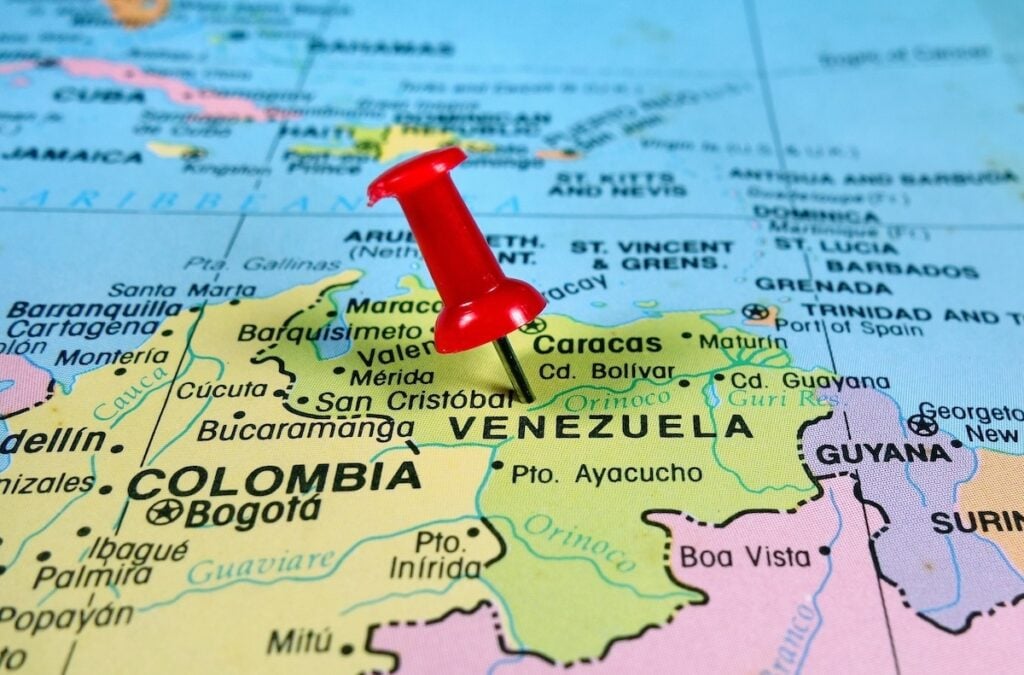
Venezuela’s oil production is anticipated to rise to between 1.1 and 1.2 million barrels per day by mid-2026. This increase comes as the United States expands export authorizations, allowing more companies to market and transport Venezuelan crude. The U.S. Treasury’s Office of Foreign Assets Control (OFAC) has issued licenses enabling established U.S. companies to engage with Venezuelan oil, potentially restoring production to levels seen before the blockade. This development occurs amid projections that global oil supply will surpass demand through 2027, potentially exerting downward pressure on prices.
The market for predictions on whether crude oil will reach a new all-time high by September 30 has shown a decrease in confidence, with current pricing at 4.5% for a YES outcome. This is down from 8% just 24 hours ago. Similarly, the market for December 31 shows a decline to 9% YES, compared to 14% a day earlier. These trends suggest that the anticipated increase in Venezuelan oil production and overall global supply growth are contributing factors to the reduced likelihood of a new all-time high in crude oil prices.
Market participants have noted that while geopolitical factors and OPEC production decisions remain influential, the forecasted supply increase from Venezuela, coupled with expanded export authorizations, may indicate that oil prices will continue to face downward pressure in the near term.