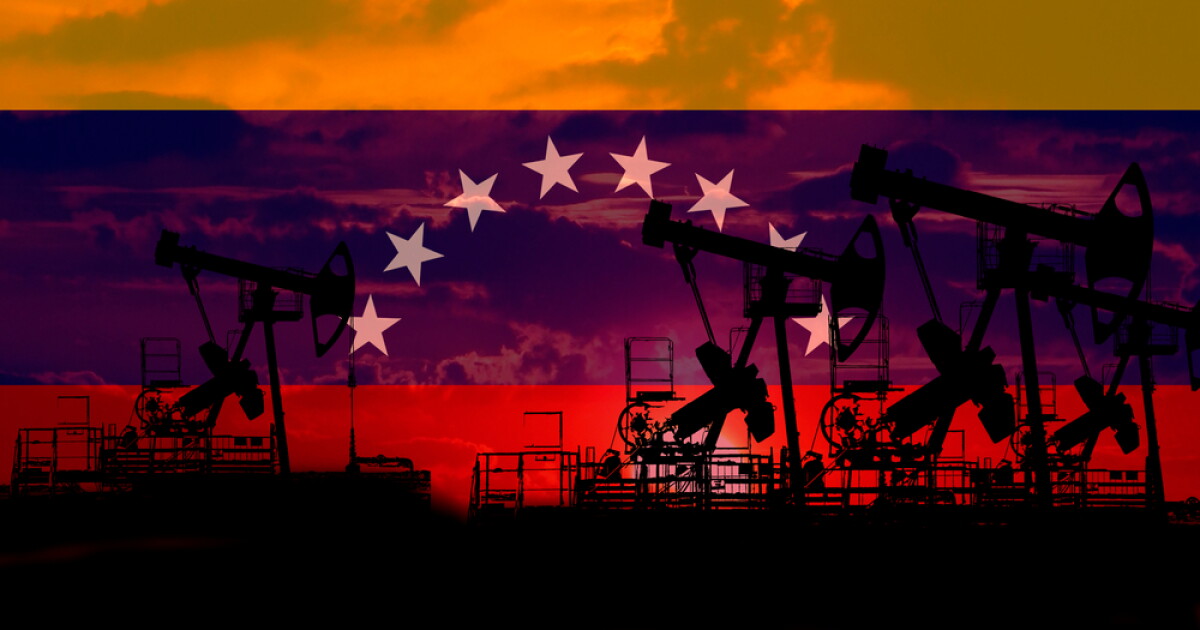
Venezuela is reasserting itself as a key global crude supplier, helping fill some of the gap from constrained flows through the Strait of Hormuz. Production and exports from the South American Opec member have risen sharply since January, following the US ouster of then-President Nicolas Maduro early that month. The few international oil companies (IOCs) that maintained a presence in the sanctions-hit country under Maduro have been the main corporate beneficiaries, notably US major Chevron. Importers in the US, Europe and especially India have also benefited, while flows to China — Venezuela's largest crude market until recently — have all but dried up. The US is eager for companies to get back to work in Venezuela and continue growing production, but further upstream development will take longer to materialize. Still, despite comments soon after Maduro's removal that the country was "uninvestable," in the words of Exxon Mobil CEO Darren Woods, activity is on the rise, and now even Exxon appears to be reconsidering the Venezuela opportunity. Chevron's target remains to boost its gross Venezuela output by 50% by the end of 2027 from an end-2025 base of 240,000 barrels per day, and the company recently expanded its heavy-oil footprint through an asset restructuring with state-backed PDVSA. UK majors BP and Shell are both keen to tie back Venezuelan gas to nearby production platforms offshore Trinidad and Tobago to feed the underutilized Atlantic LNG terminal in the island nation. European players Eni, Repsol and Maurel & Prom were also granted US authorization in February to produce and sell Venezuelan oil. State firms from China, Russia and India have so far been excluded from the mini-bonanza, however. A visit last week to India by acting Venezuela President Delcy Rodriguez yielded no oil-related agreements.
Venezuela Reemerges as Key Global Crude Supplier
Refiners in the US and India have benefited, although their appetites for Venezuelan crude may be limited, as upstream players slowly increase activity.
TL;DRAI
Venezuela reactivates crude production post-Maduro with Chevron targeting 50% growth to 240k bpd by end-2027. Energy supply stabilization reduces infrastructure costs and strengthens supply-chain resilience for global data-center operations.
291 words~1 min read