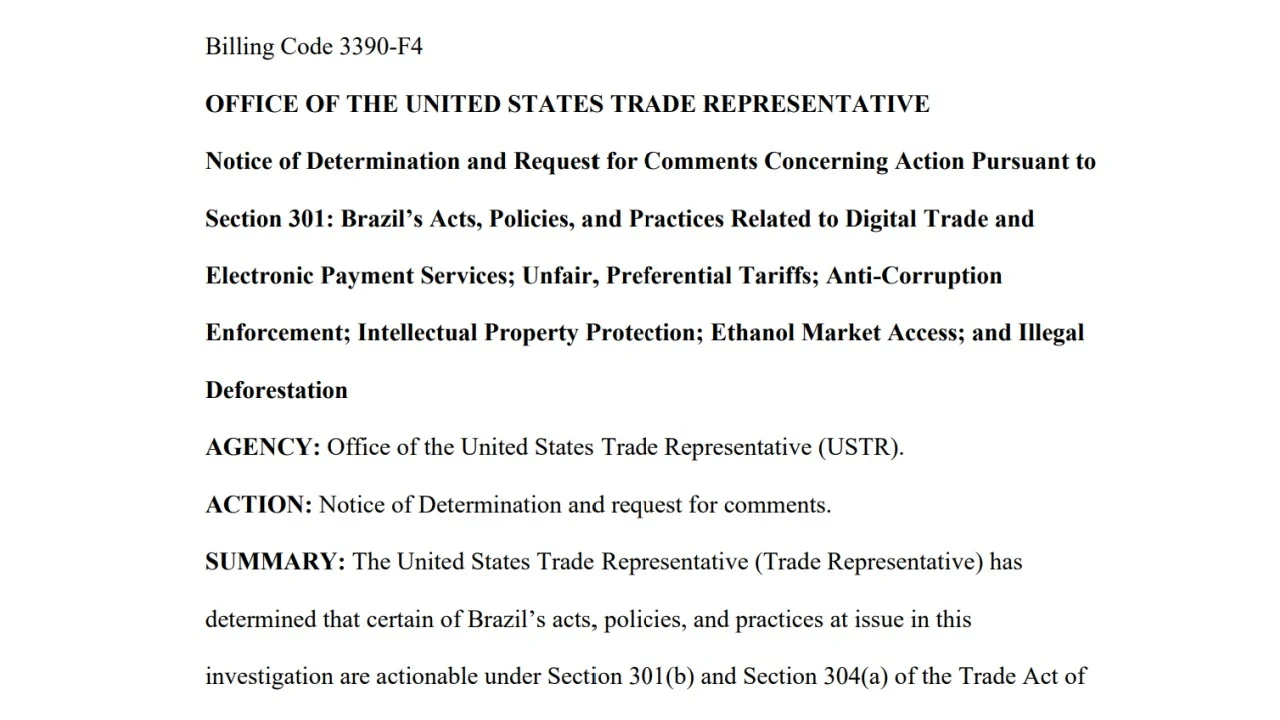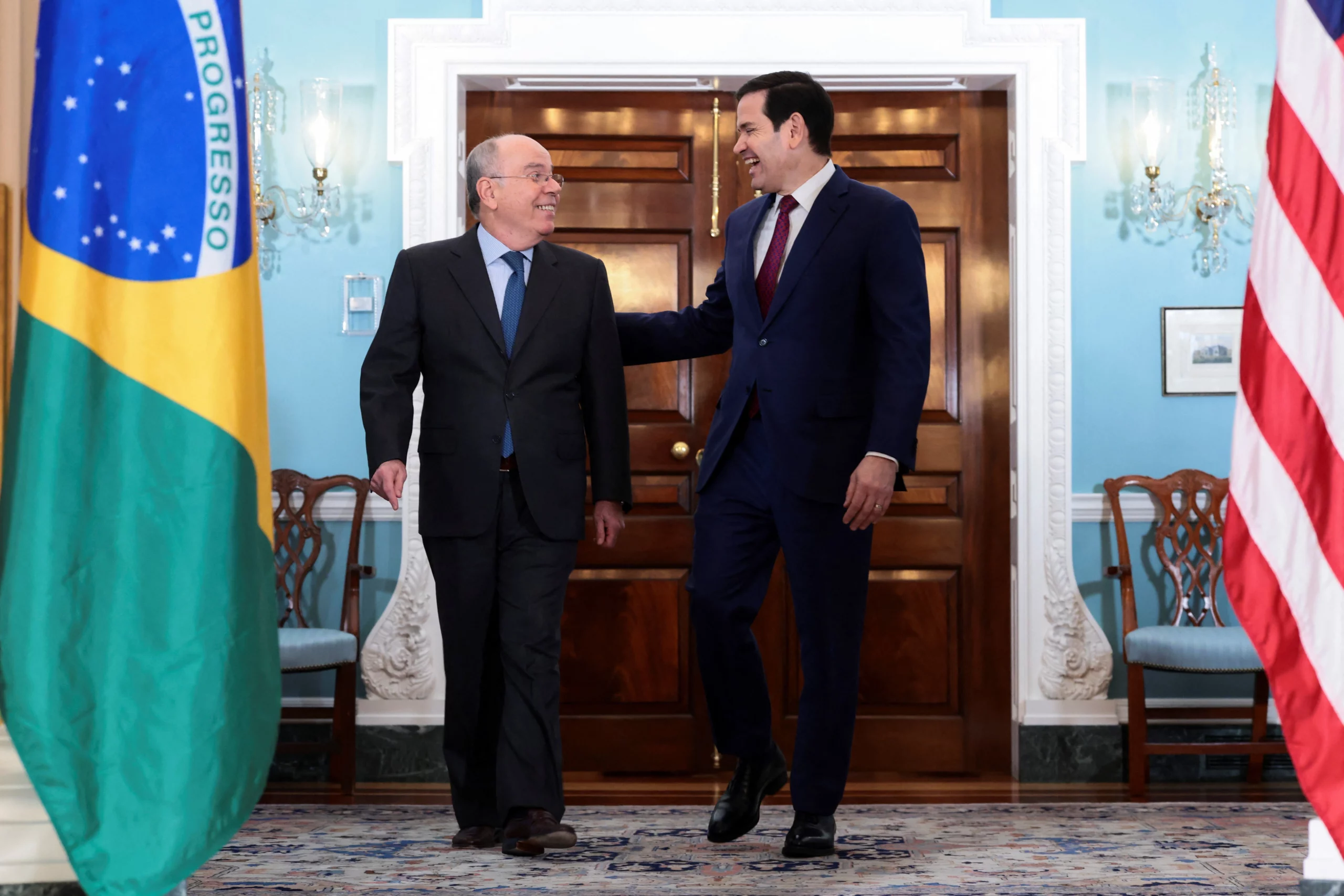
Last week, the Office of the US Trade Representative (USTR) determined that several of Brazil’s trade policies and practices are actionable under Section 301 of the Trade Act of 1974. For the most part, the notice of determination cites familiar concerns: unfair trade practices—including Brazil’s ethanol tariffs—alleged discrimination against US social media companies, and illegal deforestation.
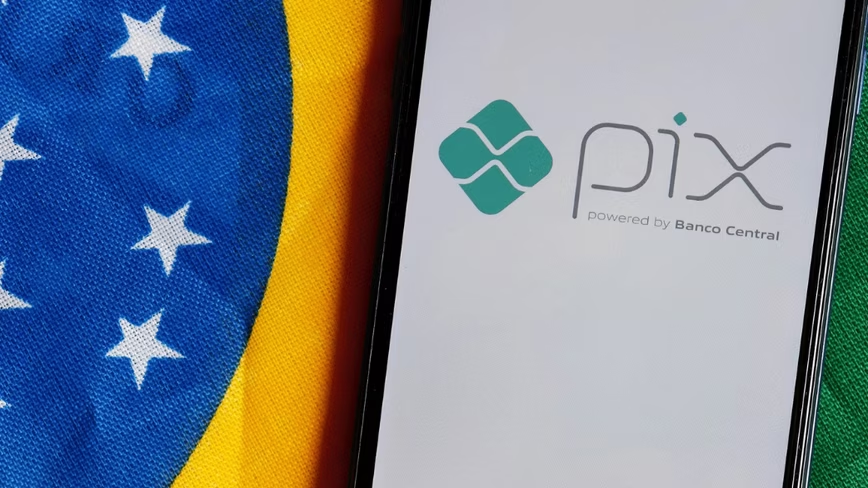
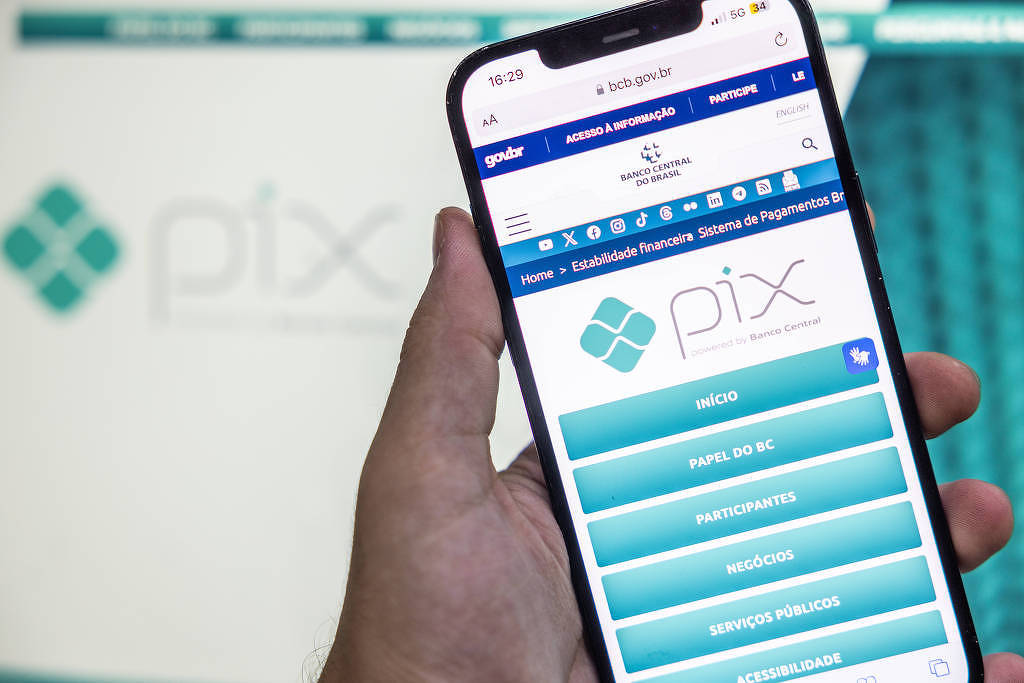
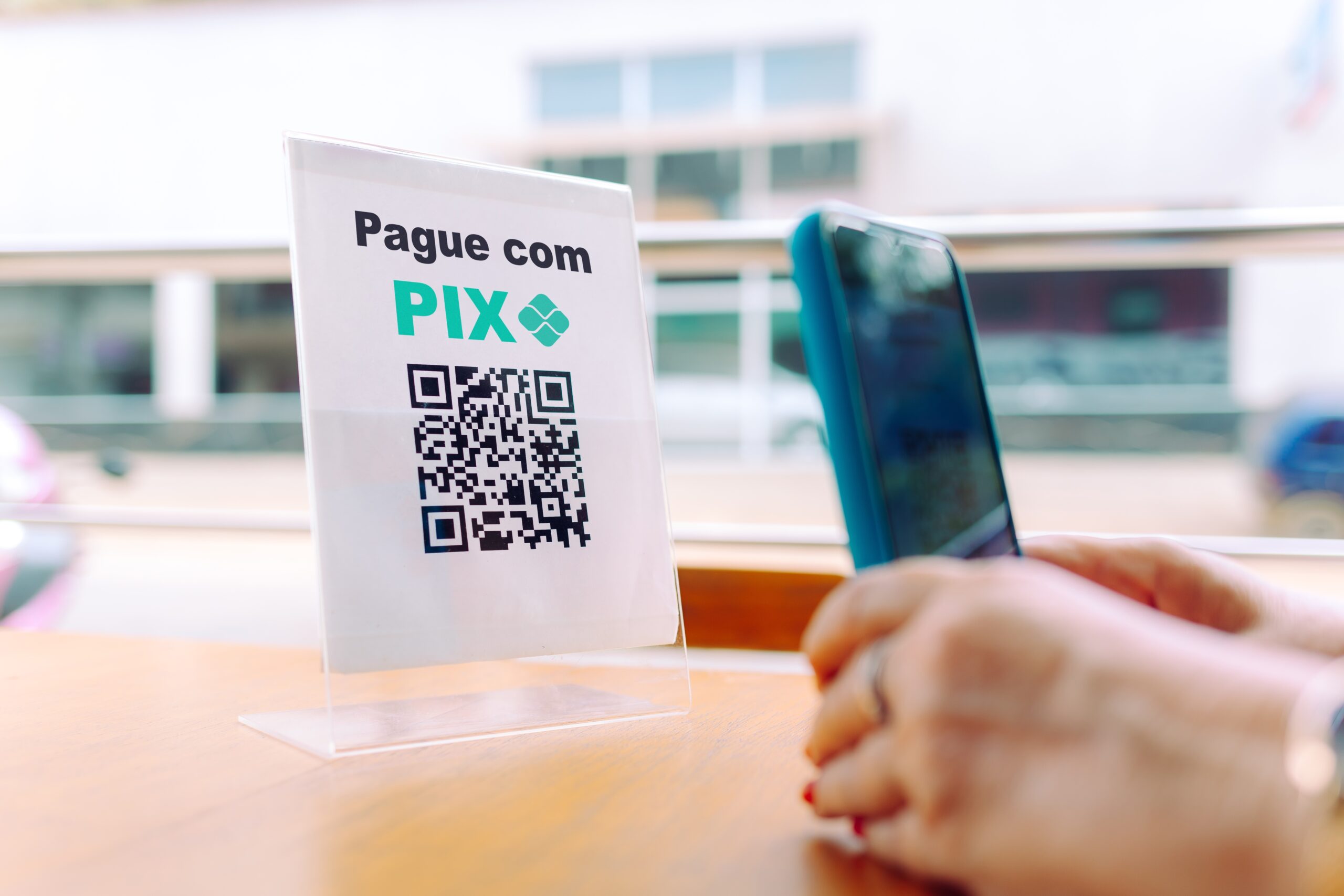
But the document makes one more complaint: according to USTR, Brazil’s domestic instant payment system Pix—mentioned more than twenty times throughout the determination—“unfairly disadvantaged US companies.” That makes it perhaps the first Section 301 case to treat a country’s domestic payment system as a US trade enforcement issue.
It’s a development that will not only ring the alarm bells in Brasilia, which may soon face new tariffs of up to 25 percent, but reverberate across the Atlantic, where the European Central Bank (ECB) is developing the digital euro.
If Washington starts targeting foreign payment systems, does Europe’s push for payment sovereignty risk becoming another source of transatlantic tension? That question is now likely front of mind in Brussels.
A payment system in the trade crosshairs