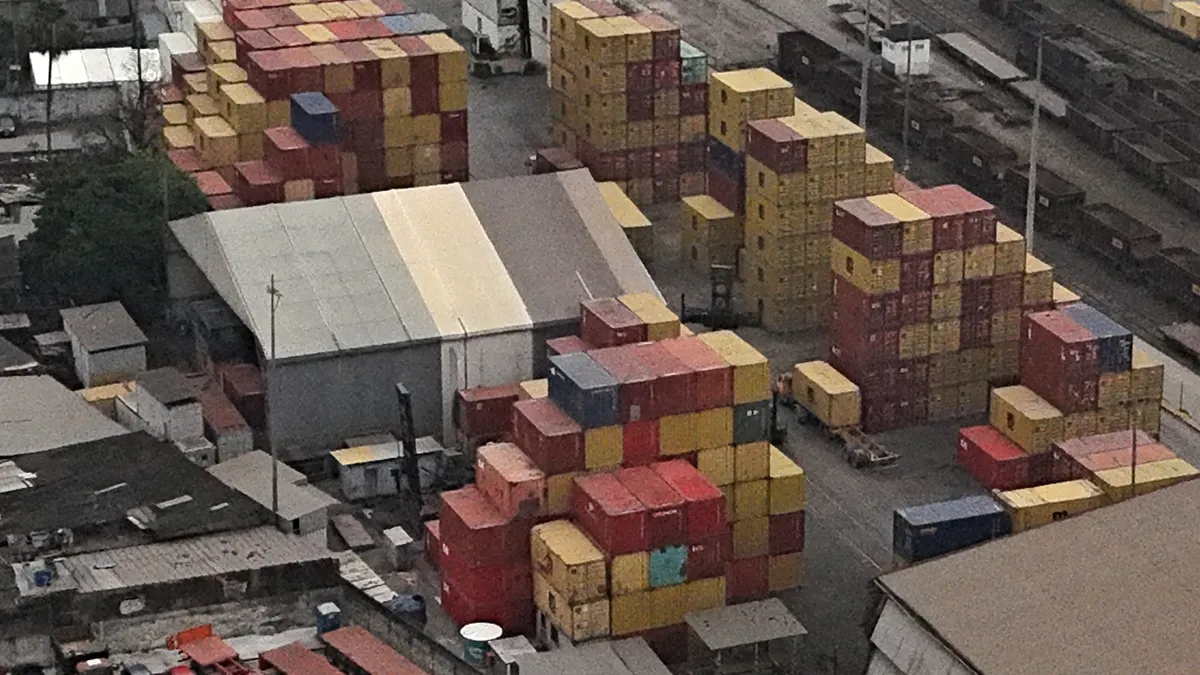
A staff member patrols among the mangrove forests of the Atlantic Forest South-East Reserves at the Paranagua Bay in Parana state, Brazil
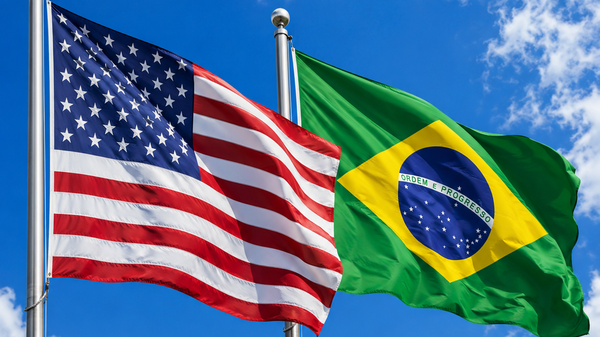
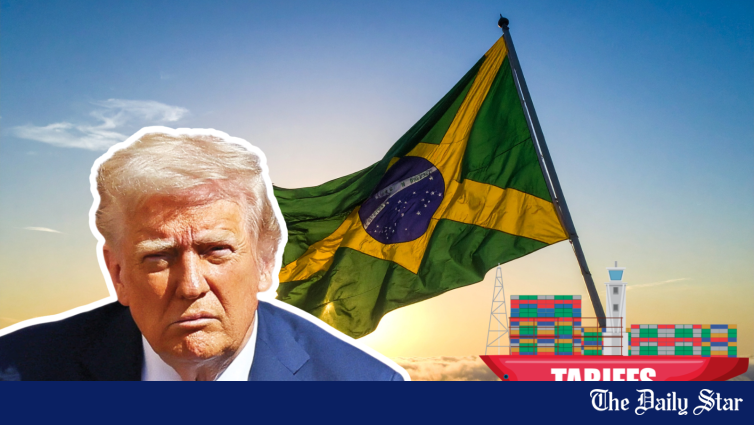
The United States has once again placed trade policy at the centre of its economic and geopolitical strategy. The Trump administration’s proposal to impose a 25% tariff on a broad range of Brazilian imports under Section 301 of the Trade Act of 1974 represents more than a dispute over market access and regulatory standards. It reflects a wider effort to rebuild Washington’s tariff framework following legal setbacks to earlier trade measures and signals a more assertive approach toward countries viewed as maintaining unfair trade practices.
The proposed tariffs target several areas of concern identified by the Office of the United States Trade Representative (USTR), including digital trade restrictions, electronic payment services, intellectual property protection, ethanol market access, anti-corruption measures, and environmental enforcement. While public consultations continue ahead of a July 15 decision deadline, the proposal has already attracted international attention because of its potential implications for trade relations between developed and emerging economies.