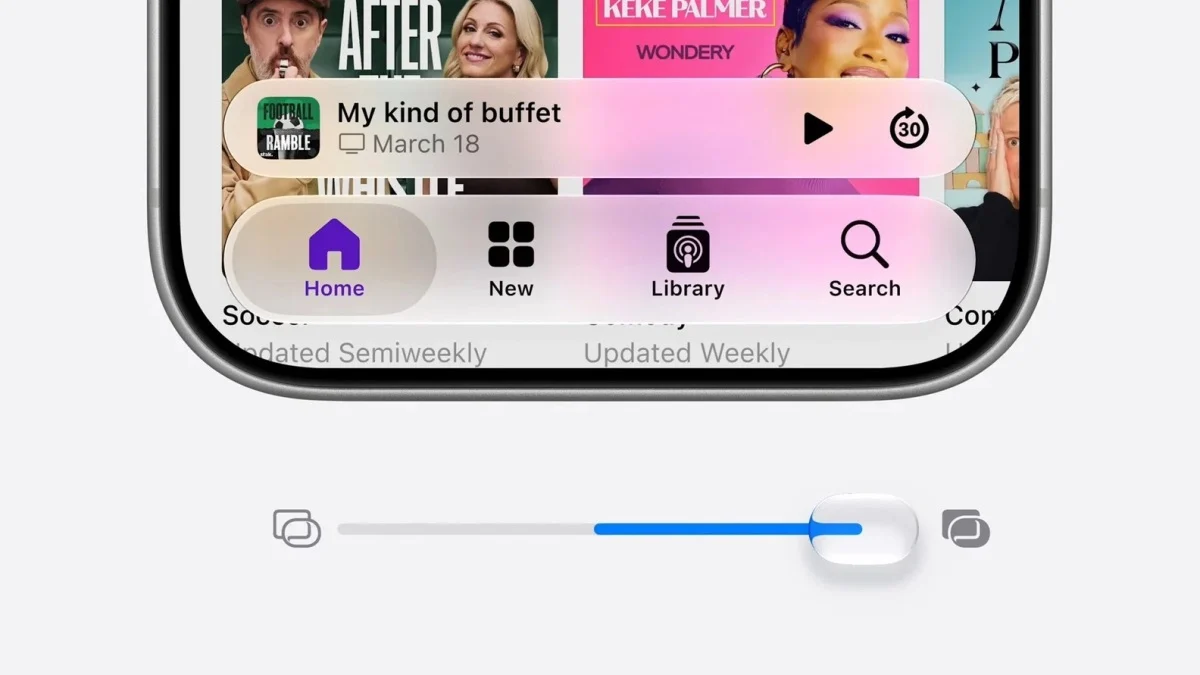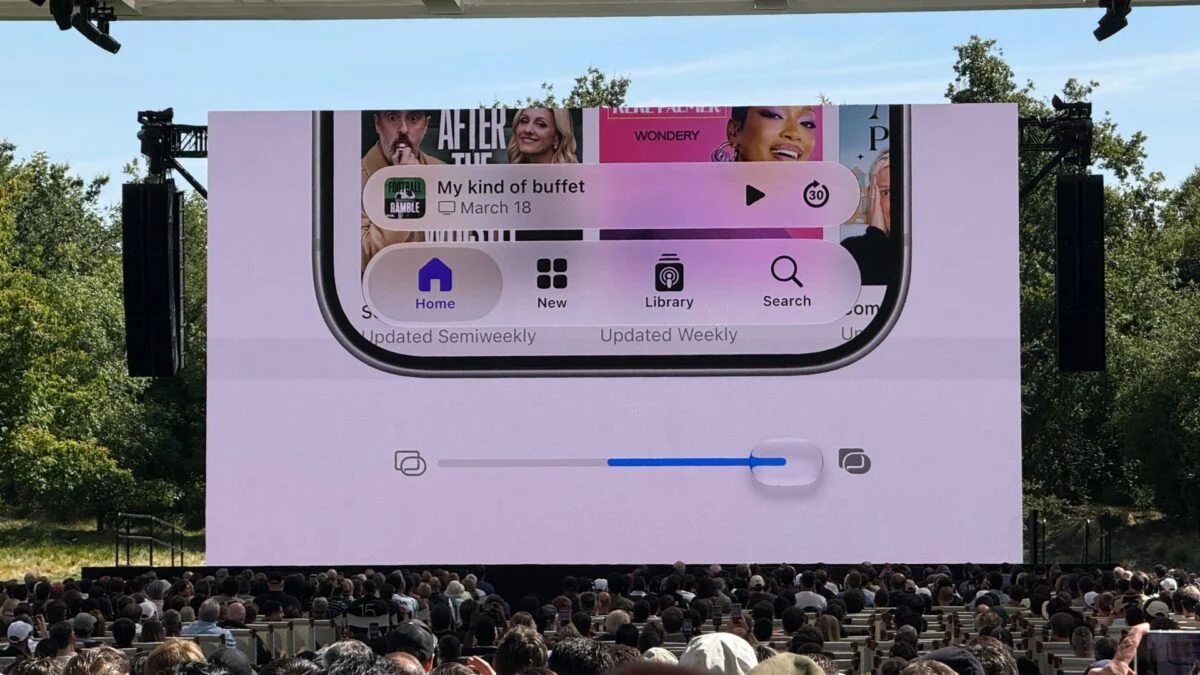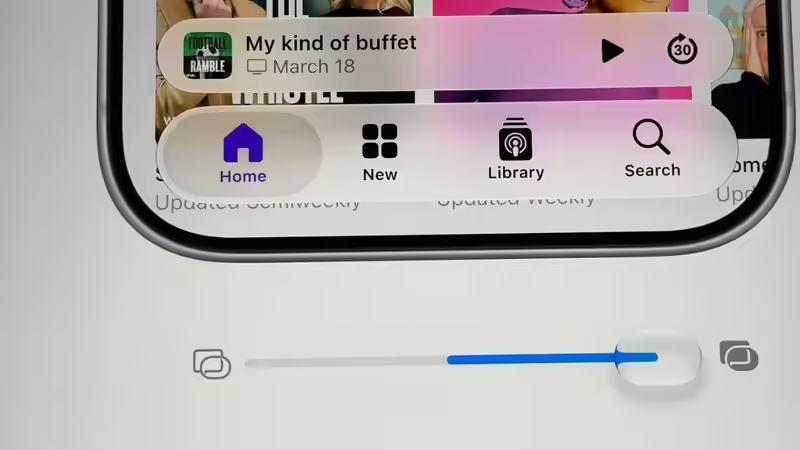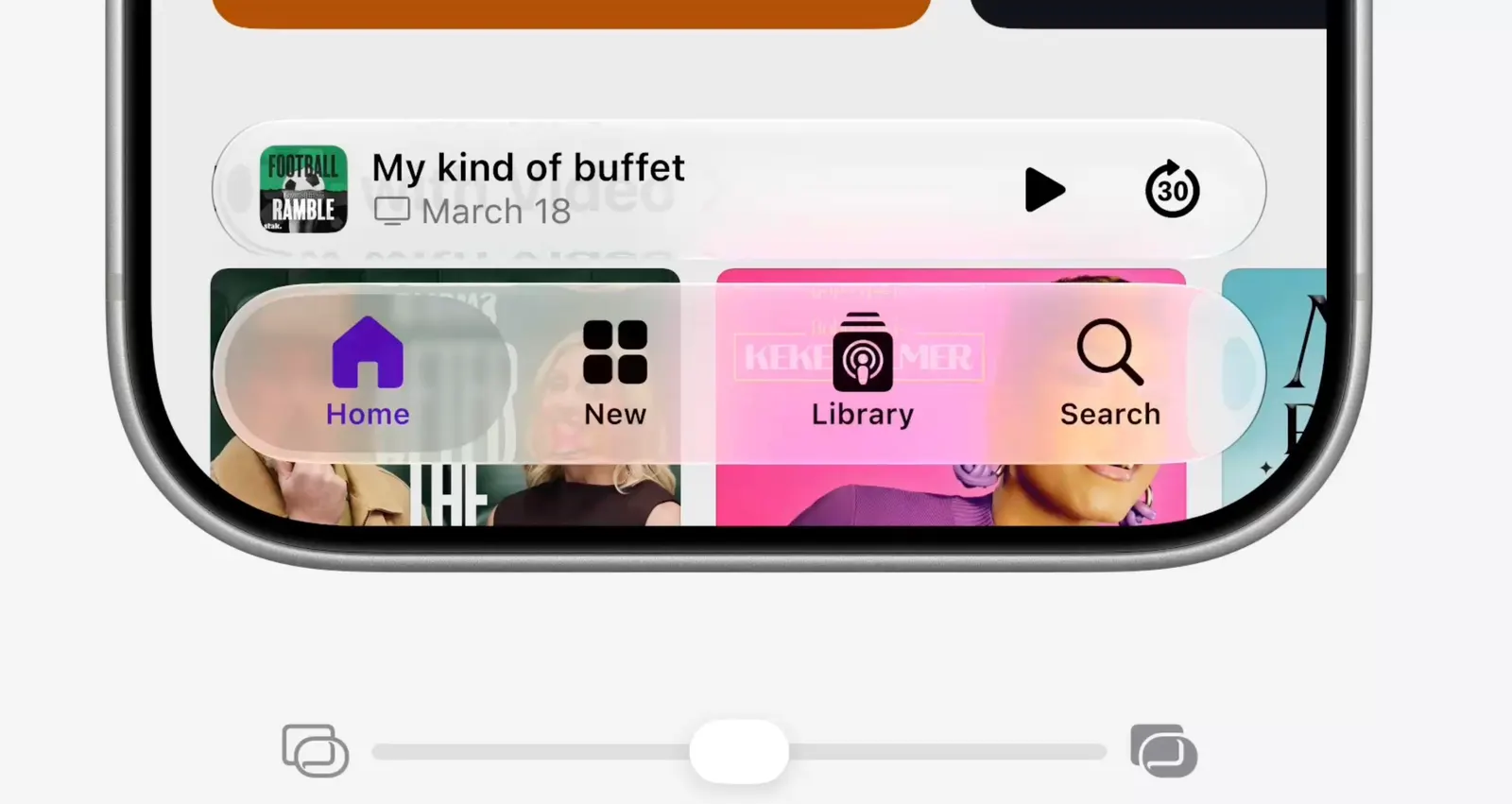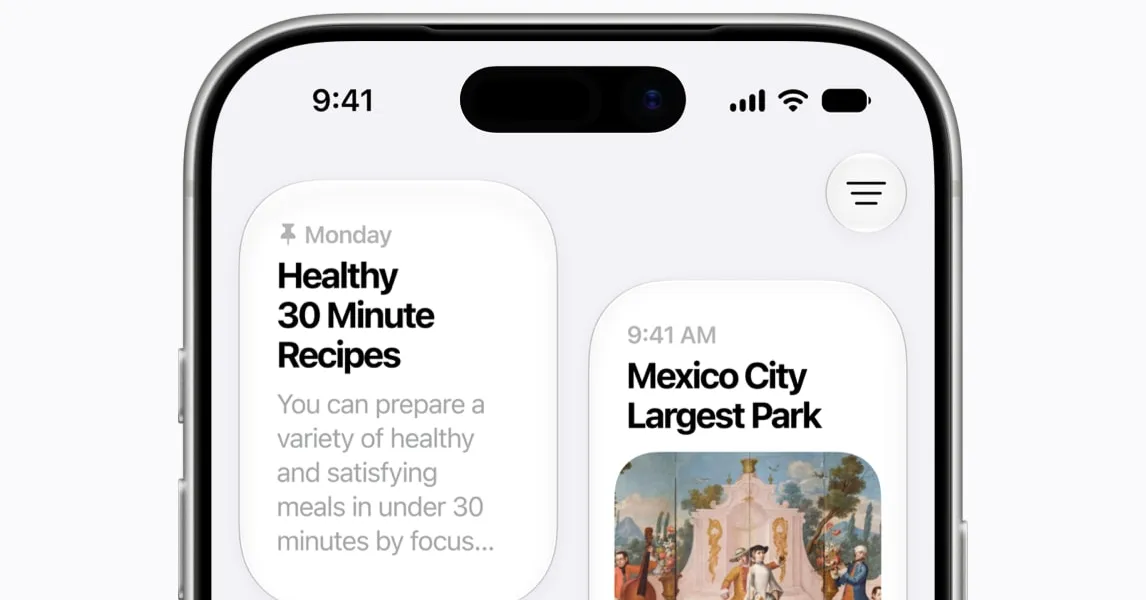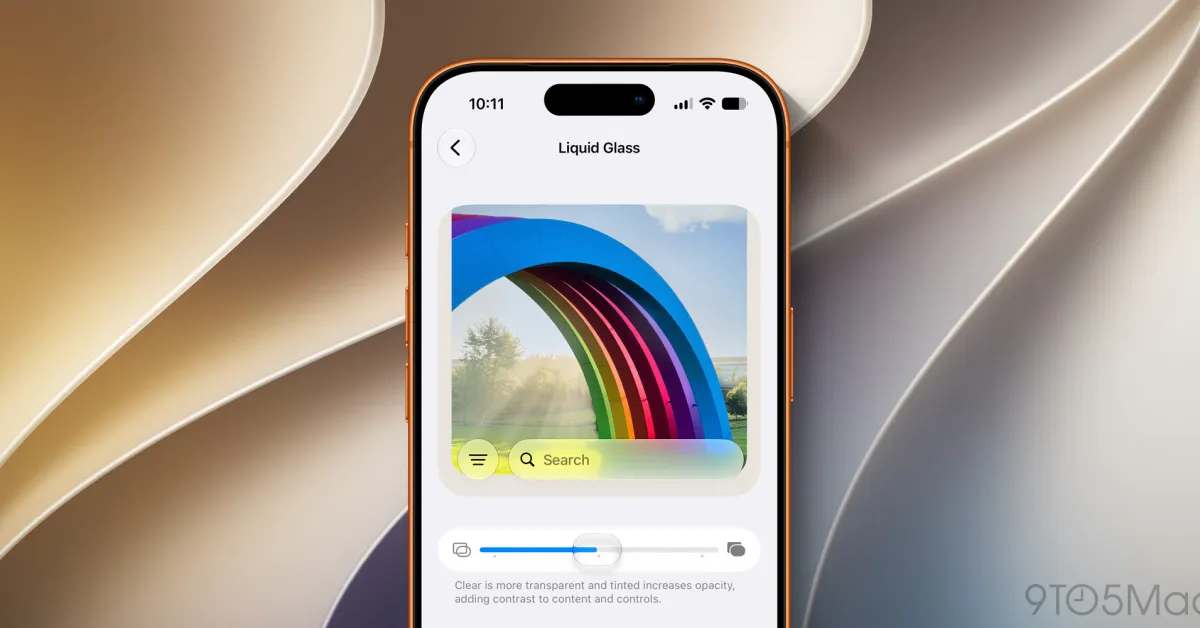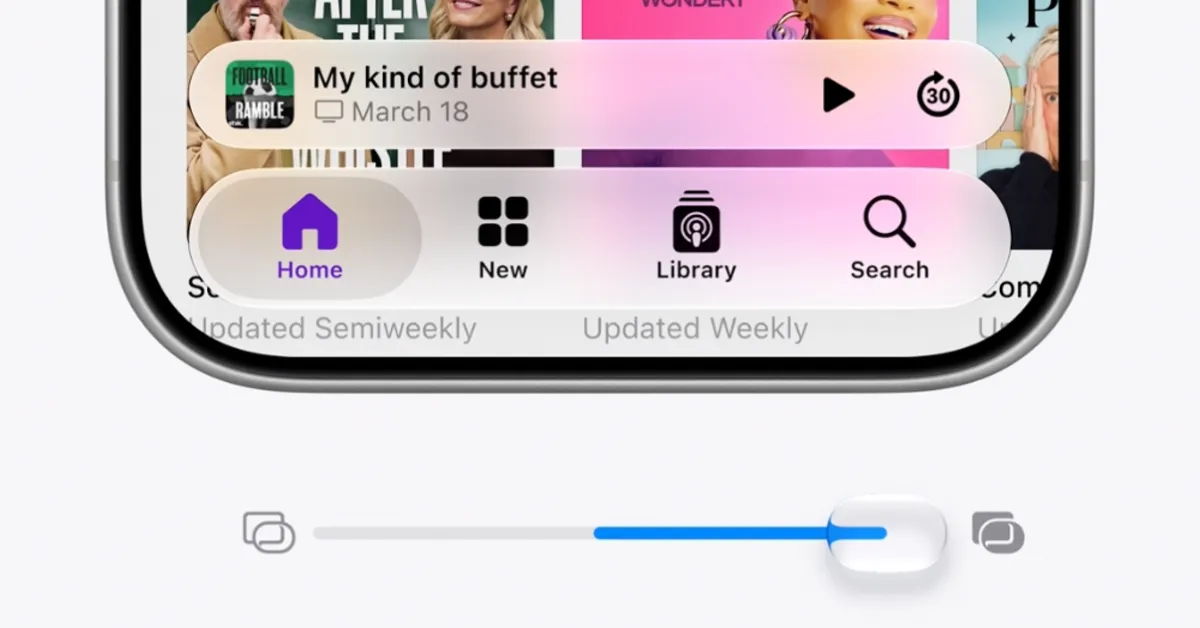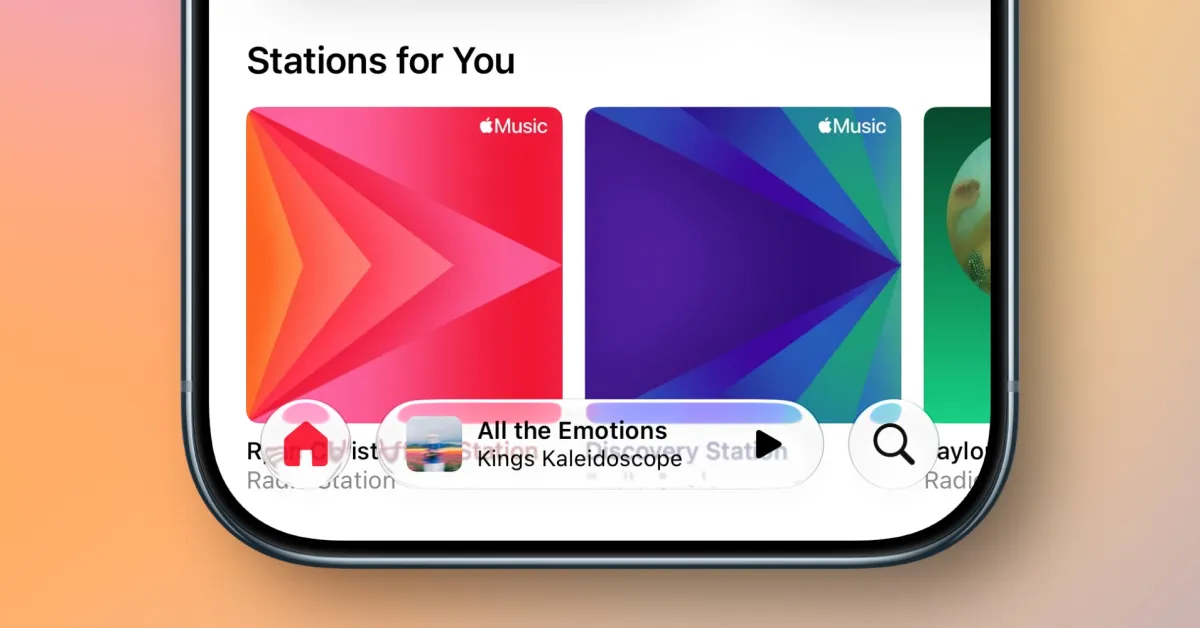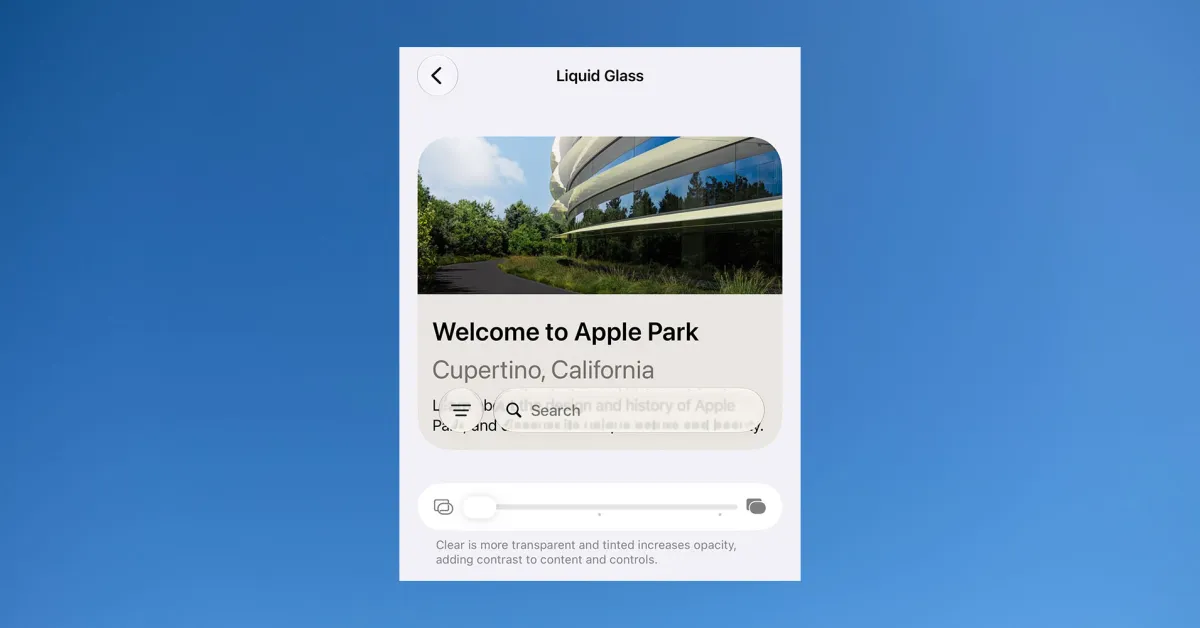
In asking one big question and highlighting 11 key features about iOS 27, I said that the Liquid Glass debate was over. Apple introduced a slider that enables everyone to choose their exact desired degree of transparency, including effectively switching off the effect altogether.
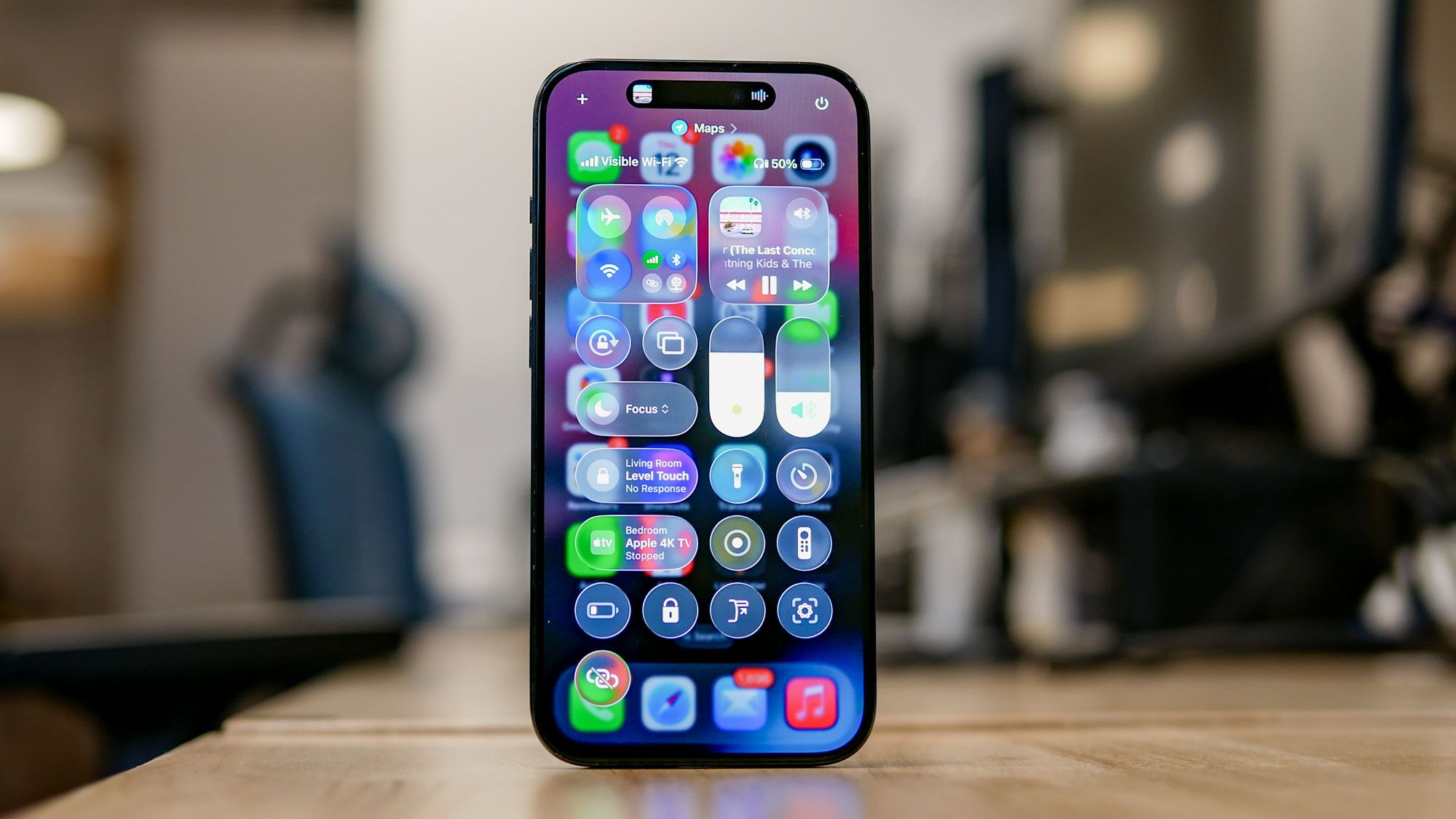
But in running the developer beta on my main iPhone with the Liquid Glass effect maxed out, I’d now argue that the company has done far more than this …
Liquid Glass was the most contentious UI change Apple has introduced in many years. While many of us really liked it, there was a sizable chunk of the Apple user base who absolutely hated it.
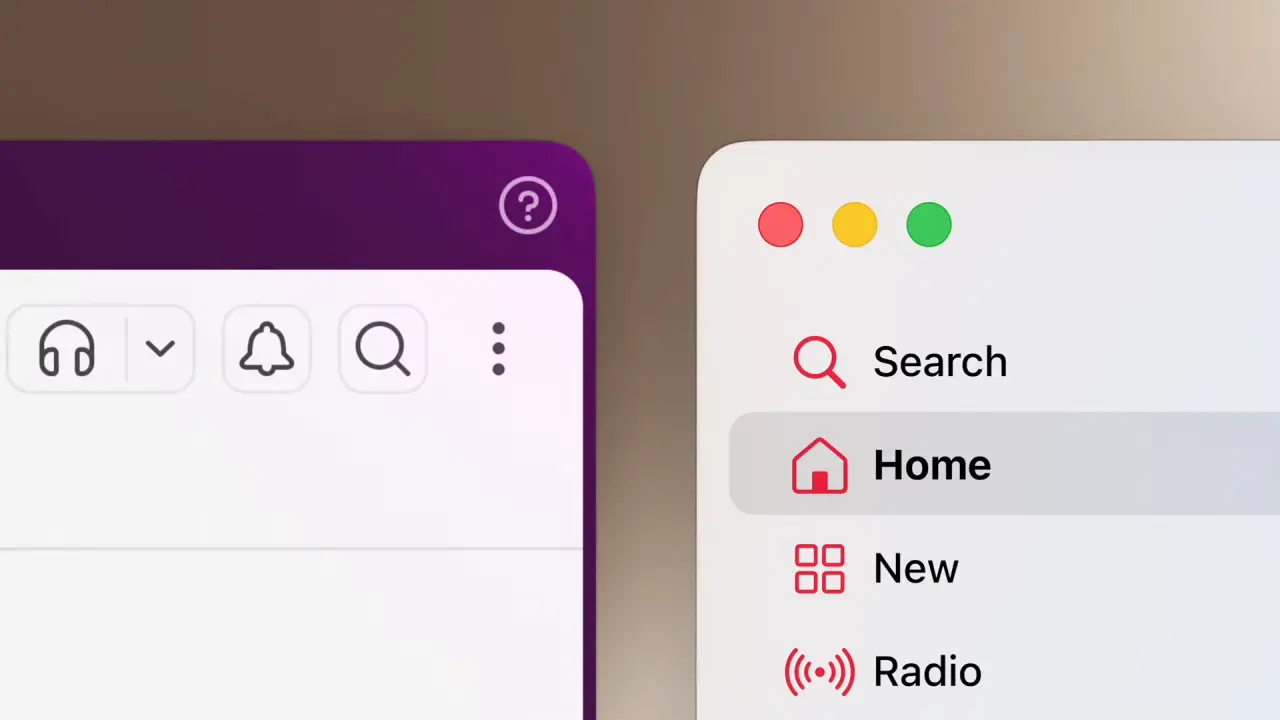
To be … clear, the first implementation was very bad. When text in a tab or button overlaid text in the content beneath it, both were rendered extremely hard to read. But some of us really liked the idea behind it and just wanted Apple to improve the legibility, while others simply wanted to switch it off.
The company initially responded with a toggle, while iOS 27 offers a more flexible solution in the form of a slider. At one end, the glass effect is very strong, and at the other, the glass is frosted to such a degree that it is essentially completely opaque. This is indistinguishable from switching off the effect completely.