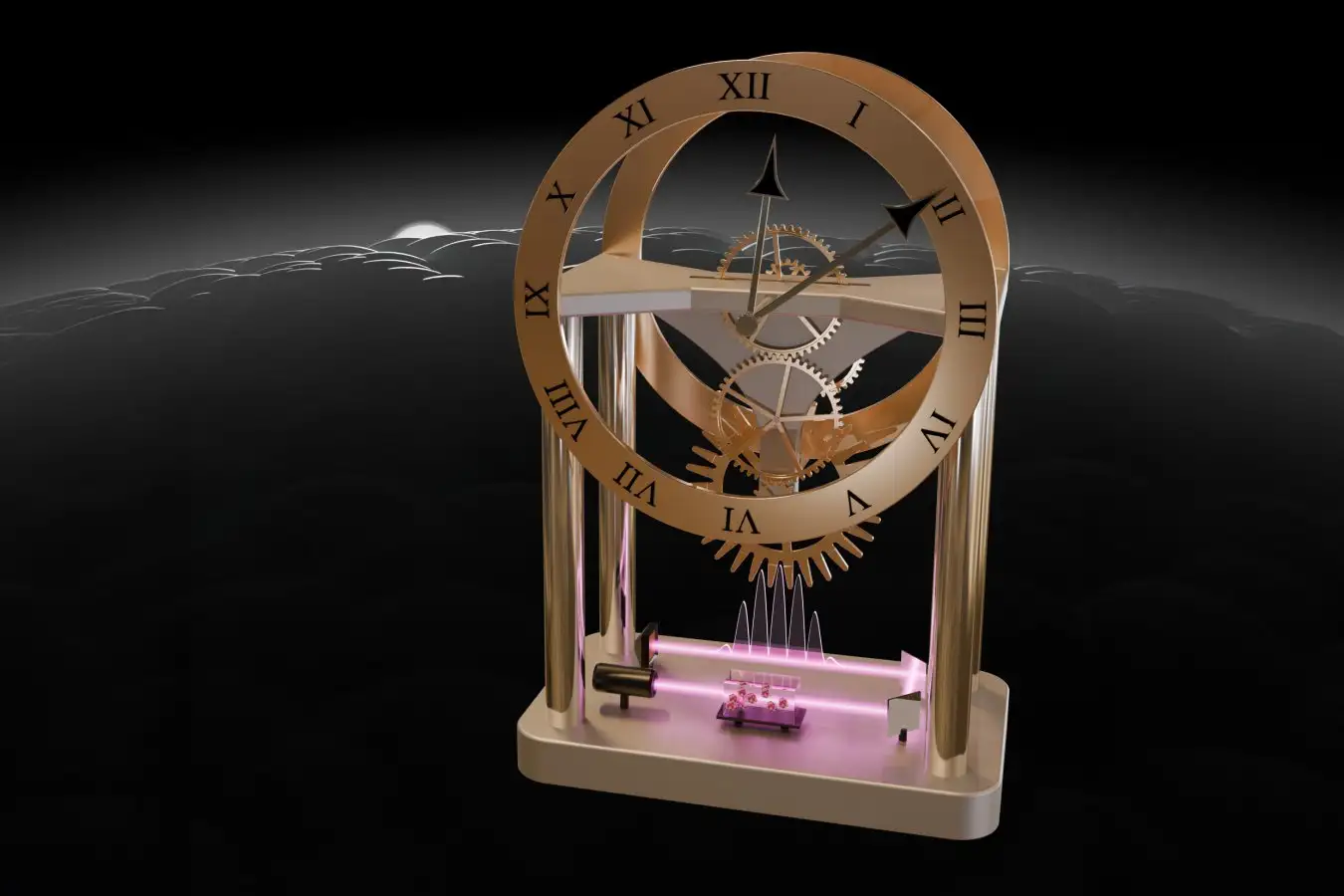
The best timekeepers today—atomic clocks—work off the quantum vibrations of an atom, specifically its electrons. But physicists have long dreamt of even better clocks that run on atomic nuclei, which are less sensitive to environmental disturbances. According to new research, that dream might soon become reality.
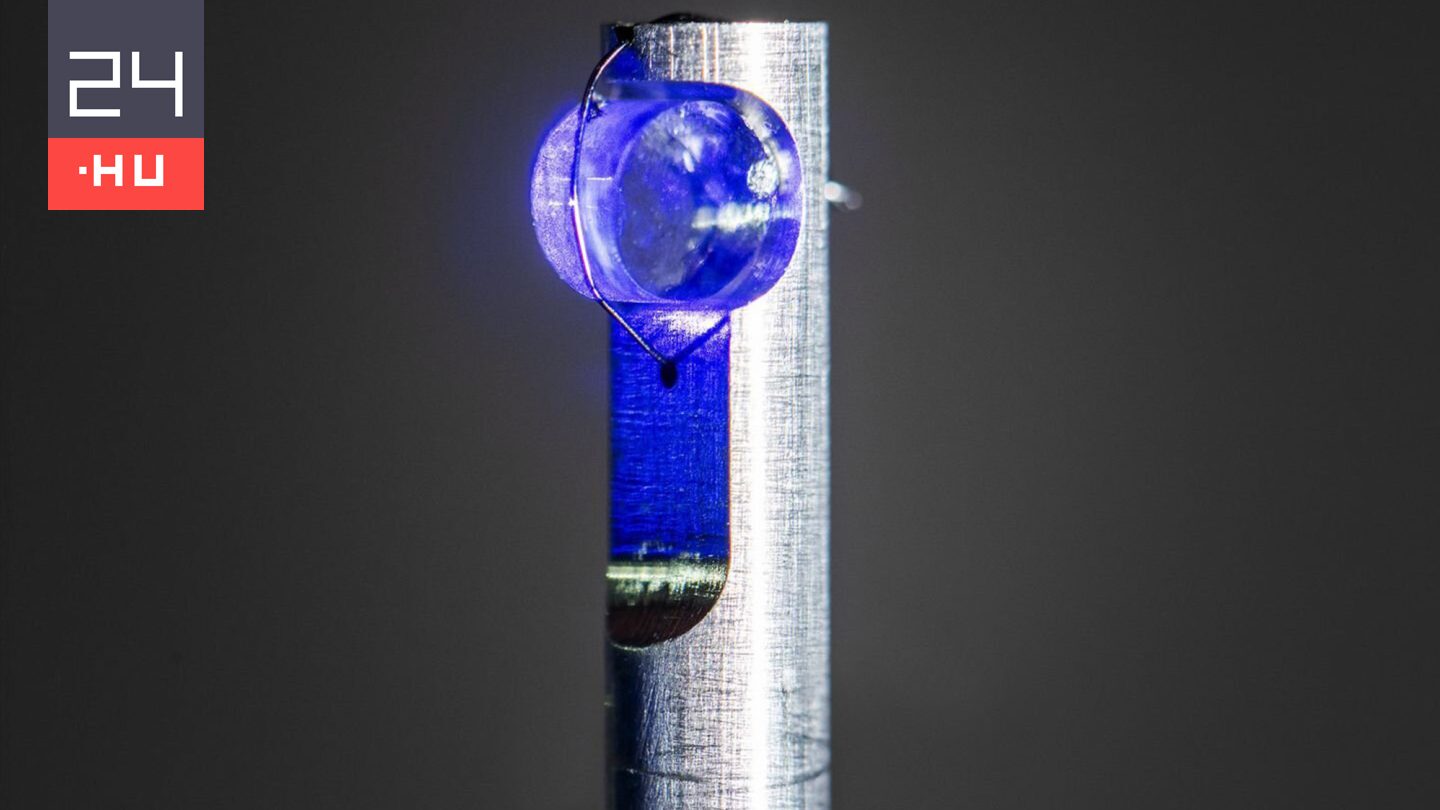
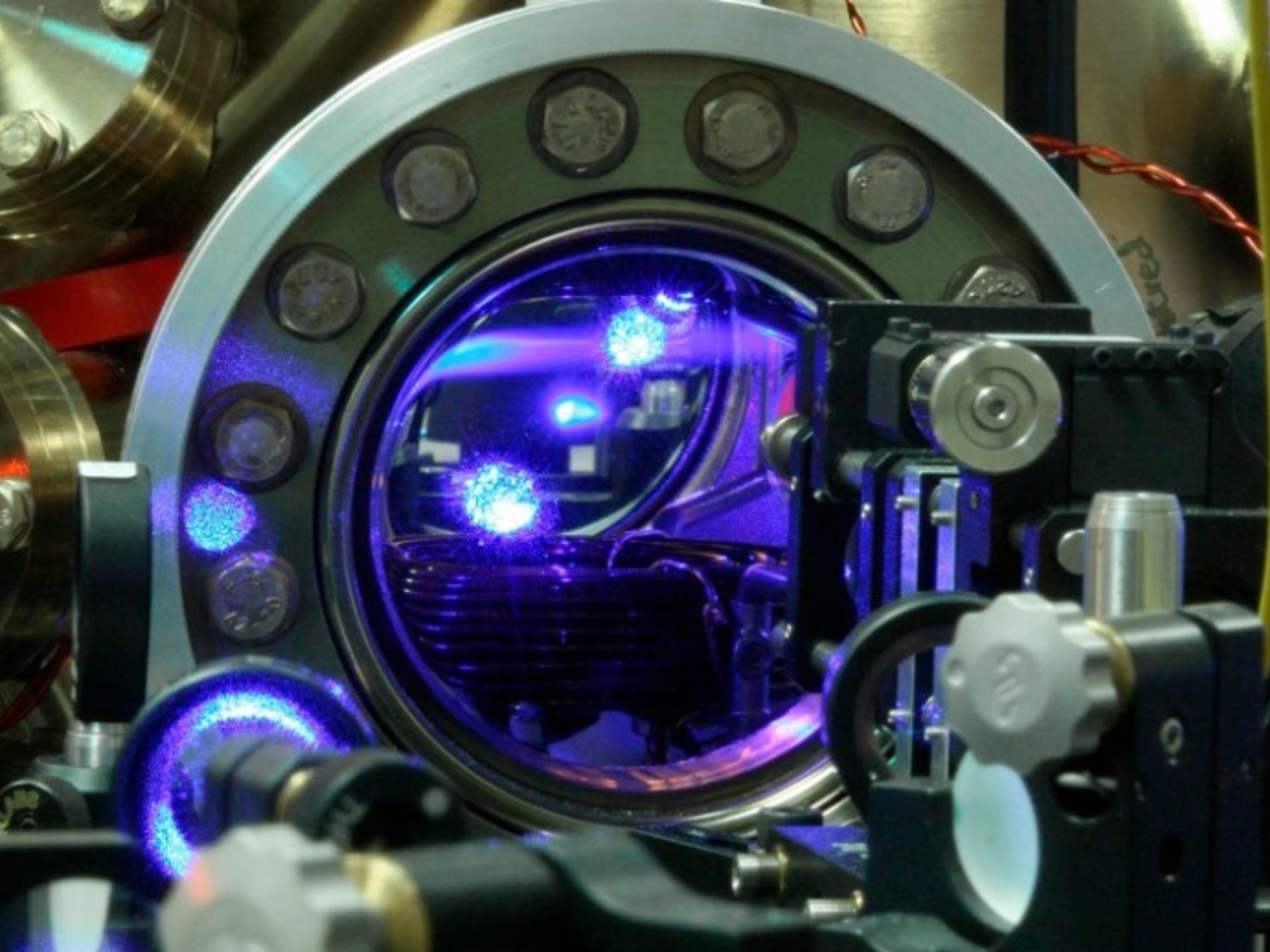
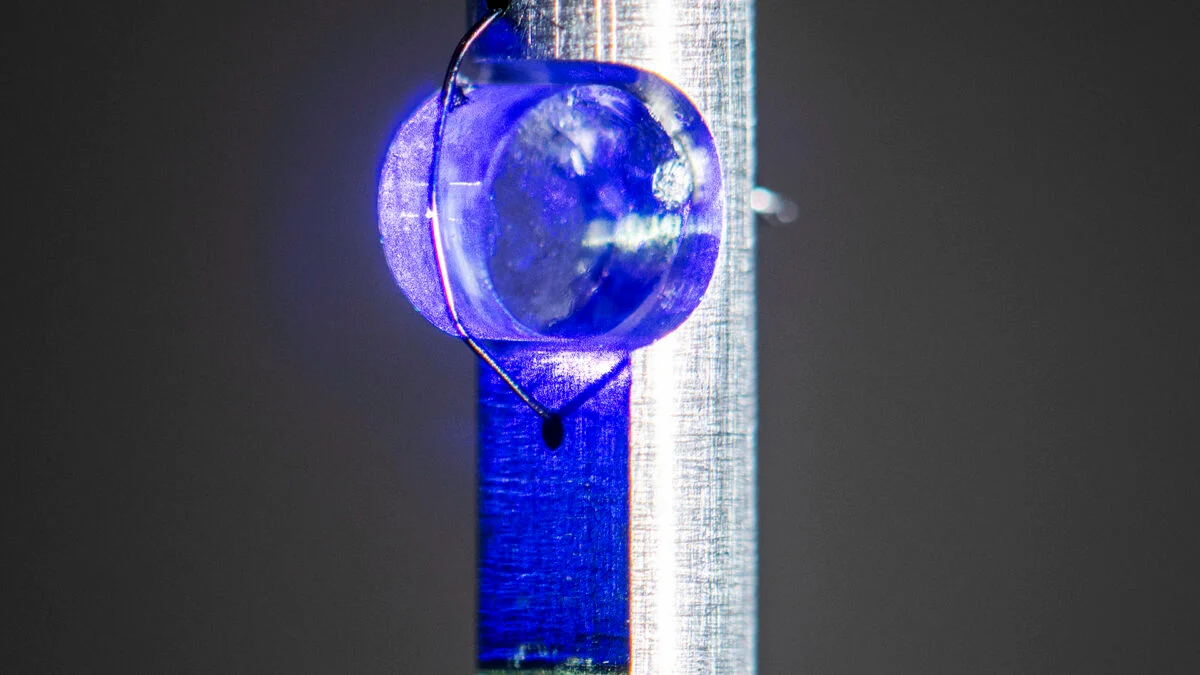
Last week, two independent teams based in Europe and China reported the first set of results from experiments using an atomic nuclei clock based on crystals of calcium fluoride containing thorium-229. Both papers, which have yet to be peer reviewed, are available as a preprint on arXiv. In the European experiment, researchers compared how well the clock fared against leading atomic clocks involved in the search for dark matter. The Chinese team, on the other hand, demonstrated the clock’s operation to compare its performance with atomic clocks. “These results establish a solid-state platform for compact nuclear clocks, nuclear quantum sensing, and precision tests of fundamental physics,” the European team wrote in its paper.
Advanced timekeeping According to a column by physicists Eric Hudson and Andrei Derevianko, ultraprecise clocks are “more than scientific curiosities,” as they are vital for smooth navigation, communications, and international timekeeping. Hudson and Derevianko, from the University of California, Los Angeles, and the University of Nevada, Reno, respectively, contributed to research from last December that demonstrated the potential of thorium-229 in atomic nucleus clocks.