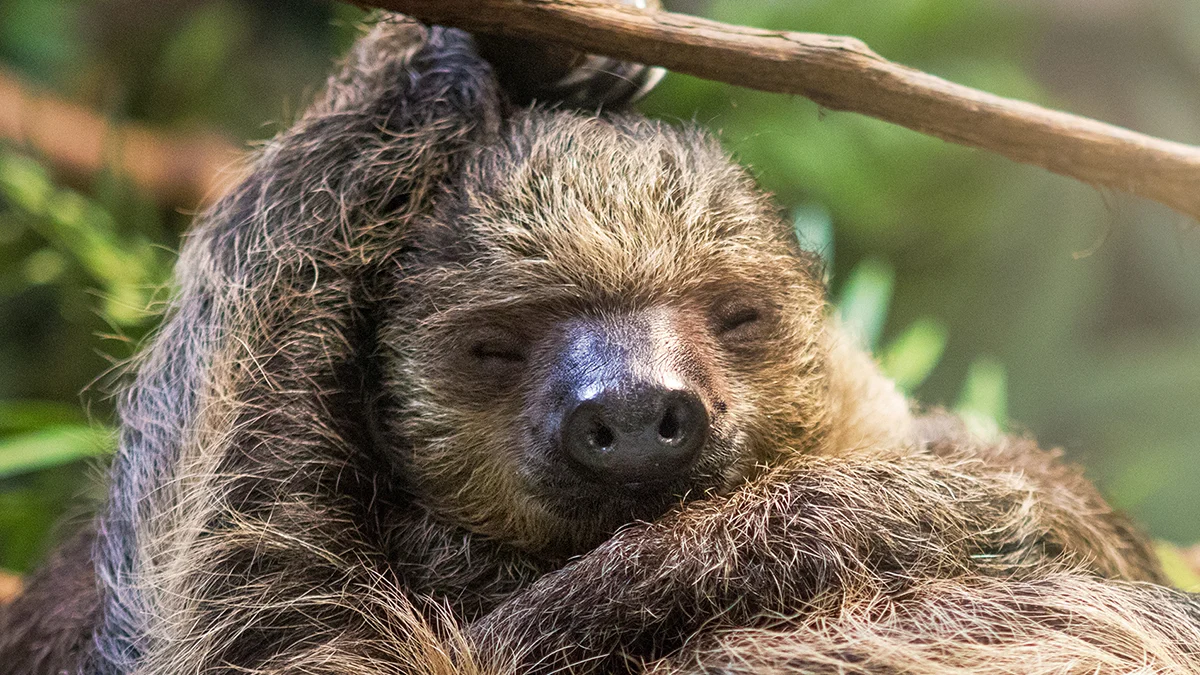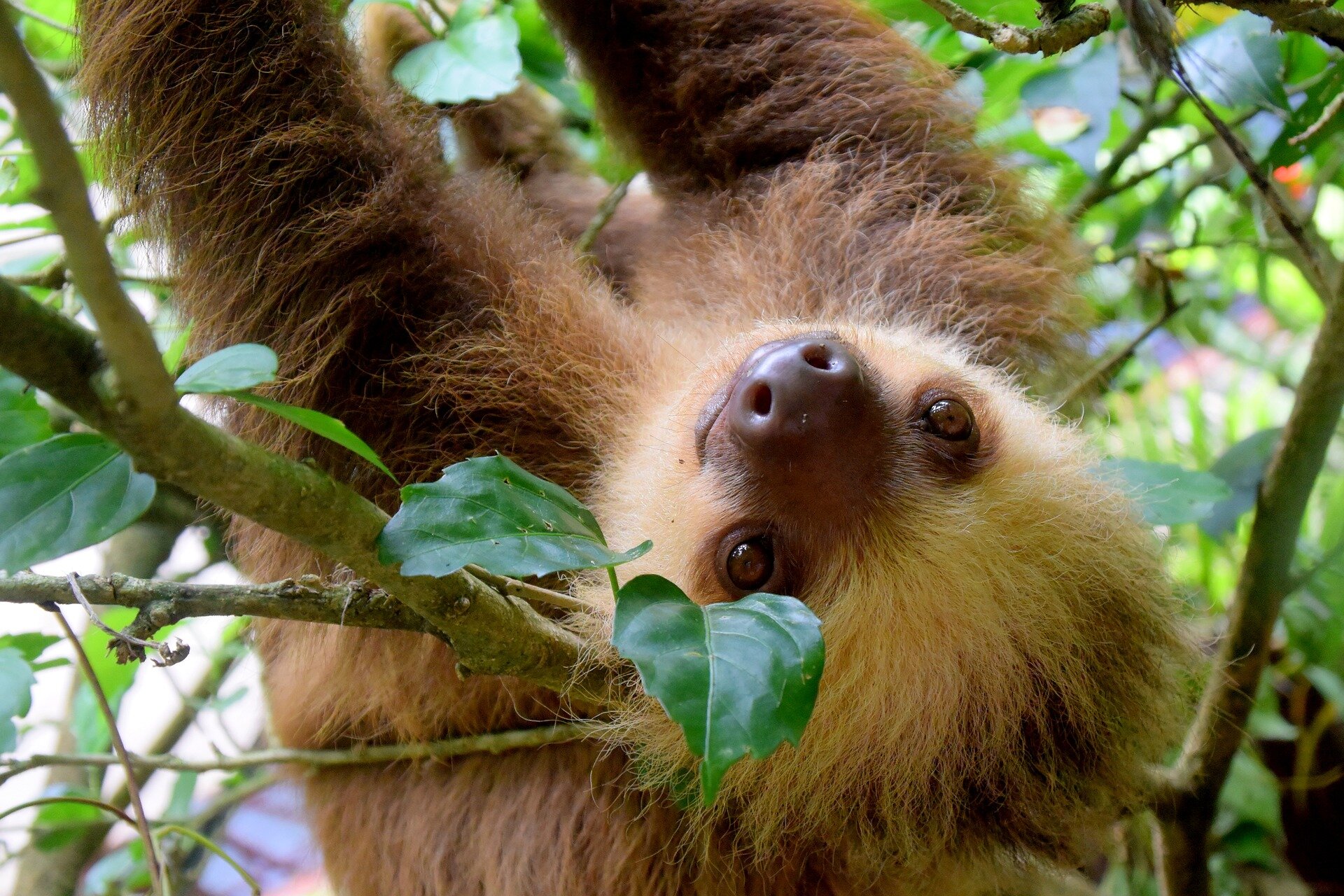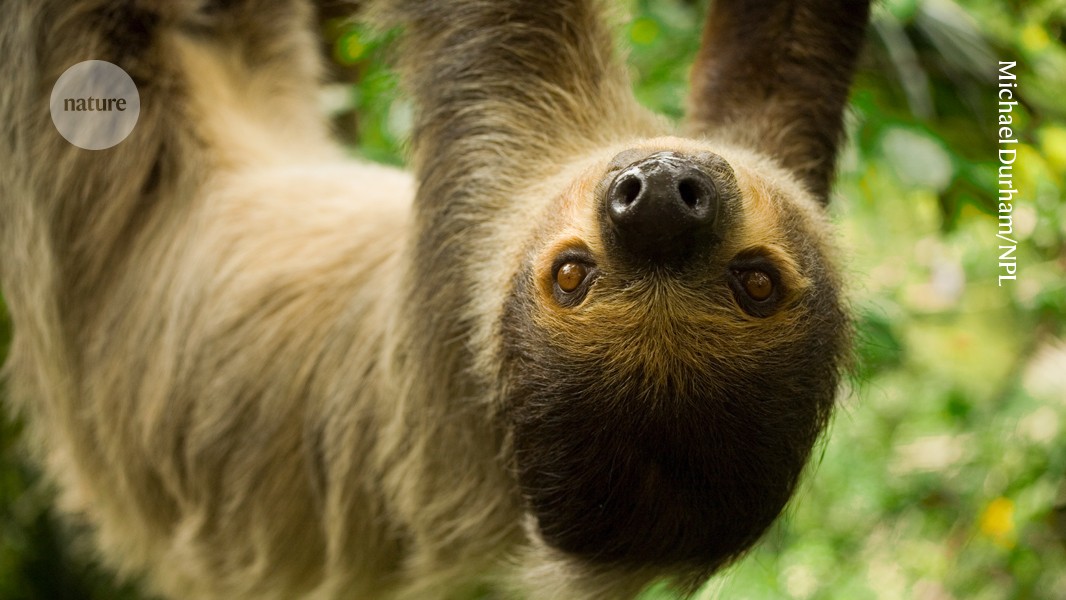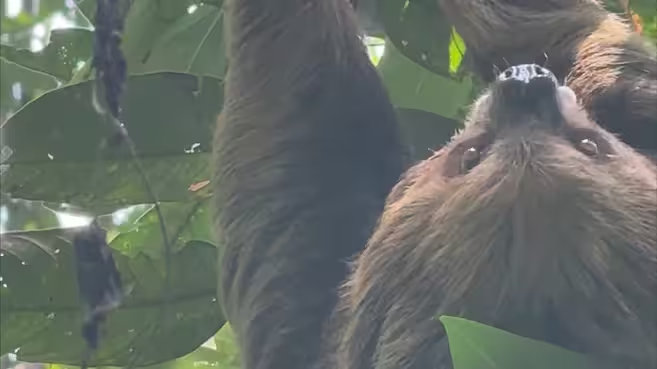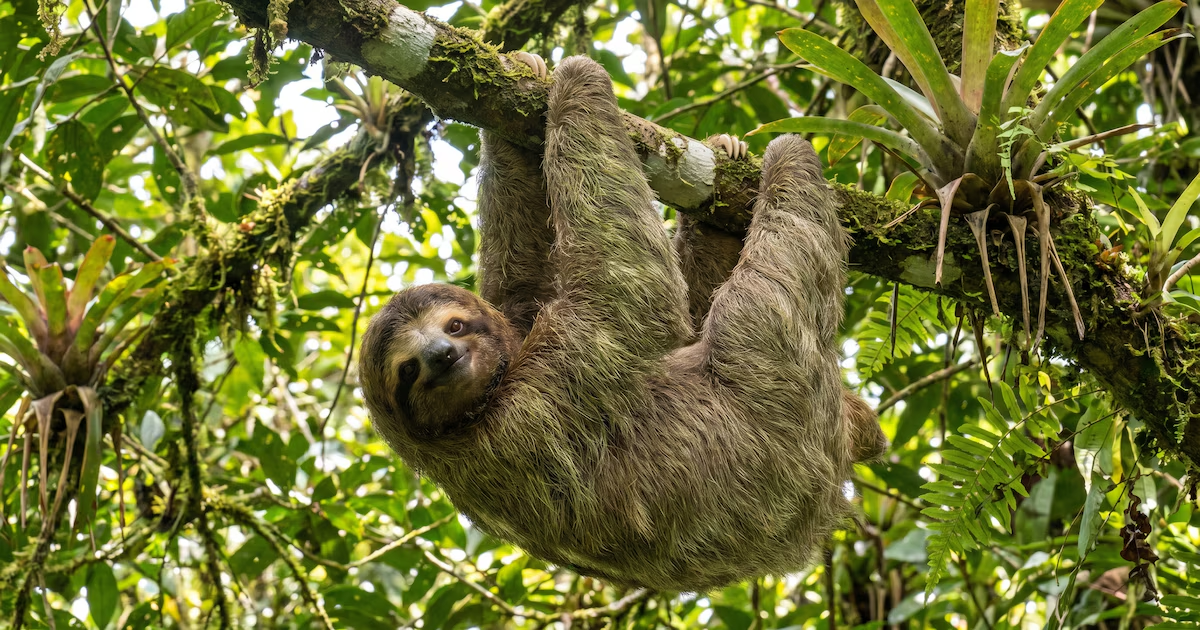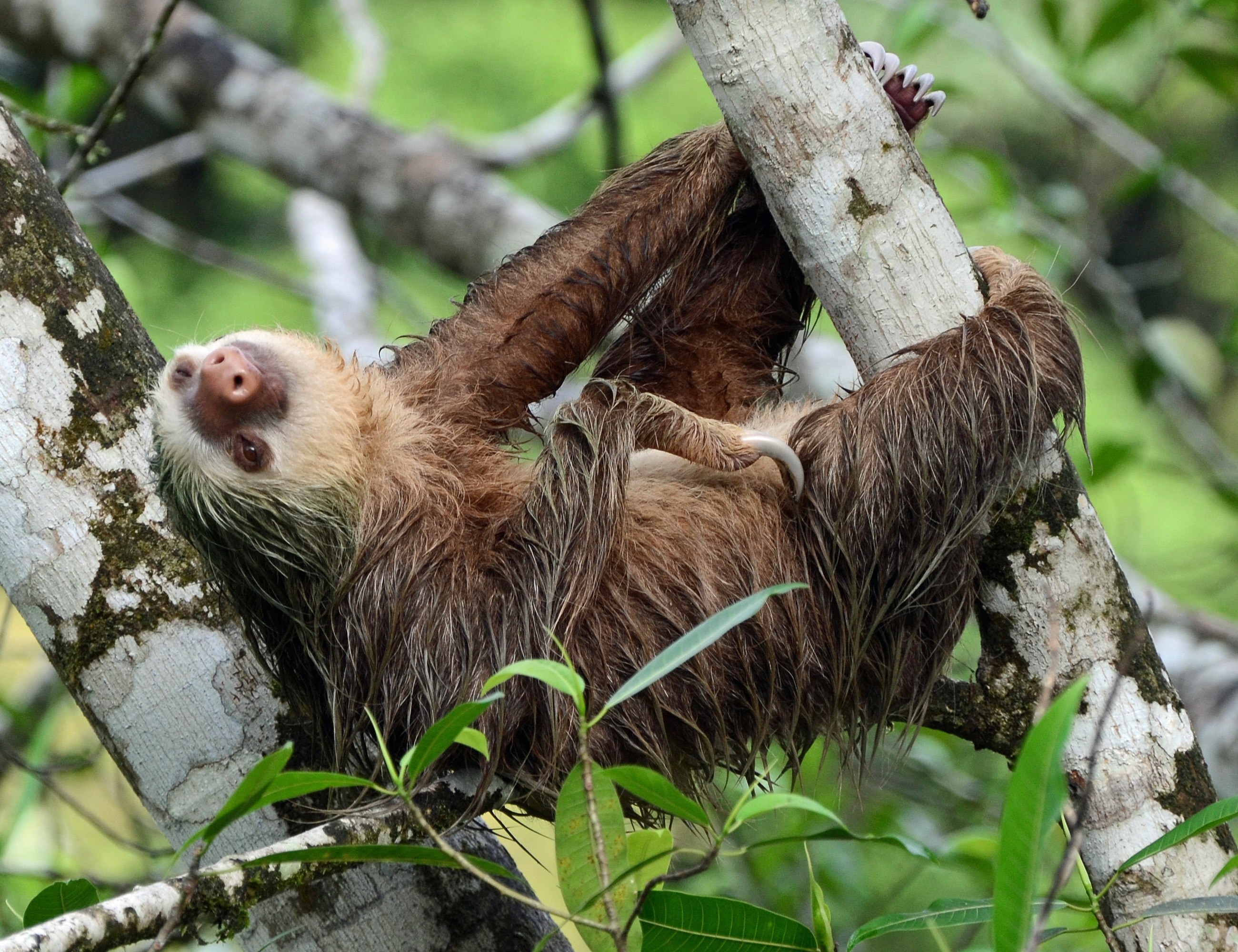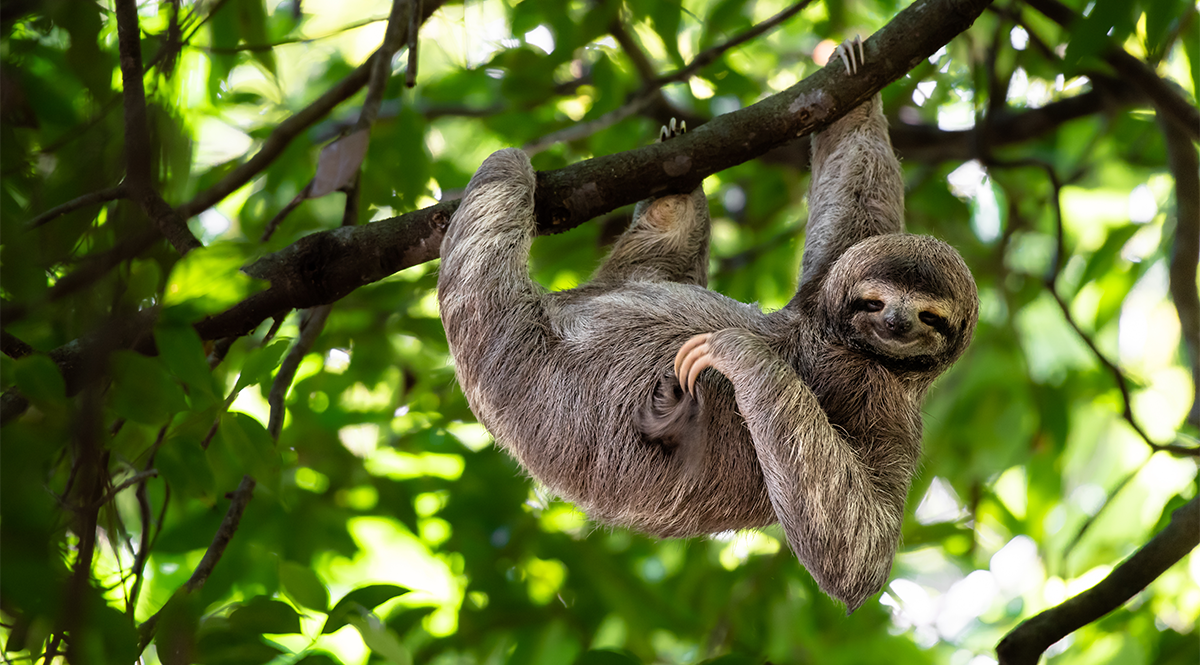
Watching a sloth in action is like watching a slow-motion clip on a loop. When they hang motionless in trees, they can shut off the normal regulatory system of mammals to instead allow their body temperature to change with the environment as a reptile does. Everything then slows down, including their digestion. In fact, their sluggish movements are accompanied by the lowest known metabolic rates of any mammal.Featured VideoA recent study in the journal BMC Biology uncovered the genetics behind the slow metabolic systems of sloths. Molecular biologists from the United Kingdom, Germany, and Brazil sequenced the genome of a captive two-toed sloth (Choloepus didactylus) and compared it with genomes of some of its closest relatives: armadillos and anteaters. The sloth genome stood out in having multiple copies of jumping genes, or sections of DNA that self-copy and paste into other parts of the genome.While jumping genes in humans are associated with cancer, in sloths they may be the key to living life in the slow lane. In mapping the genomic tree of sloths, the researchers traced the jumping genes back to the last common ancestor of all sloth species that lived 30 million years ago. The genes that have carried through to today are known to be associated with metabolism, coding for proteins that play a role in how mitochondria—the powerhouses of cells—produce energy. Read more: “The Non-Human Living Inside of You”“Our findings suggest that sloths might have evolved genetic ‘backup systems’ that help compensate for their ‘relaxed mitochondria’ and support their unique lifestyle,” said study author Camila Mazzoni, evolutionary genomicist at the Leibniz Institute for Zoo and Wildlife Research in Germany, in a press release.As the only four-legged animals that hang off tree limbs, sloths delight in a slow-paced life of camouflaging in flora punctuated by occasional lethargic feeding on leaves and fruits, and even more occasional (and risky) trips to the ground to defecate.Studying sloth lifestyles and metabolism isn’t just about understanding the world’s natural variation, but also about improving human medicine going forward. “Many human conditions—including diabetes, aging-related disorders, neurodegeneration, and muscle wasting—involve problems with energy production and mitochondrial function,” explained study author Pedro Galante, molecular biologist at the Hospital Sírio-Libanês in Brazil. “In the long term, this [study] could inform research into tissue preservation, critical care medicine, aging, metabolic disease, and even long-duration space travel.”And so, sloths might just be the quickest way to some serious medical breakthroughs. Enjoying Nautilus? Subscribe to our free newsletter.Lead image: Lukas / Adobe Stock
What Makes Sloths So Slow?
What Makes Sloths So Slow?: The two-toed sloth genome provides some definitive answers
415 words~2 min read