June 17th, 2026
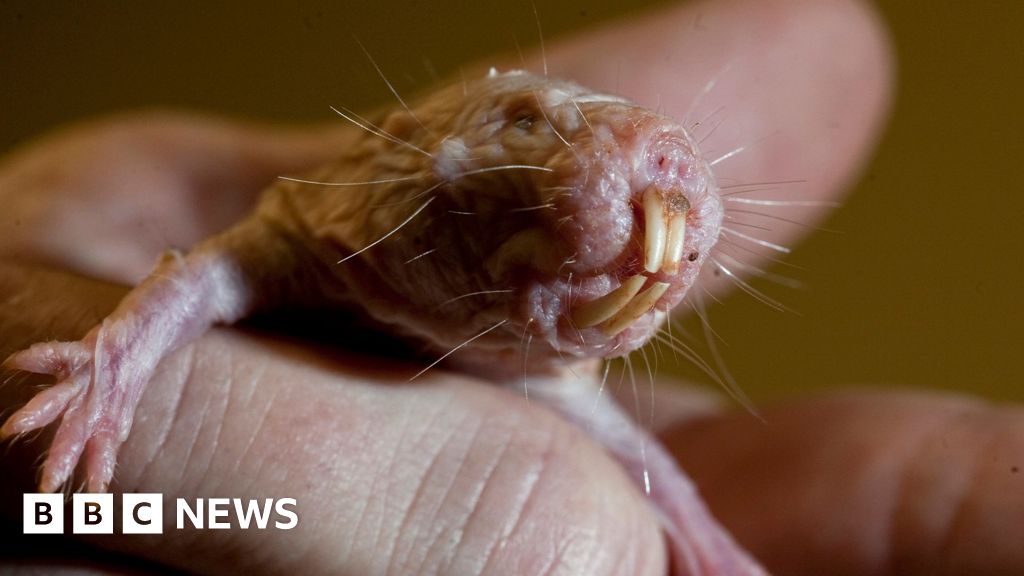
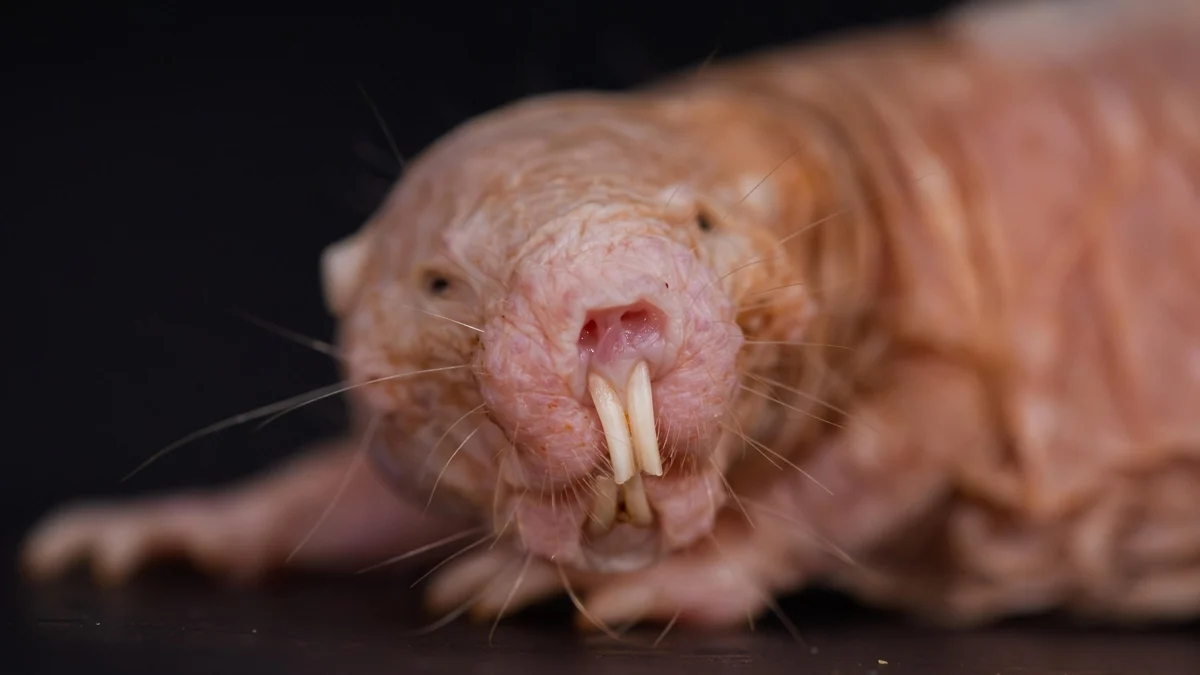
Across mammalian species, resting metabolic rate roughly inversely correlates with species life span and body weight. Larger species are on average longer lived and have lower metabolic rates. There are, of course, a number of interesting outliers that exhibit very long lives relative to similarly sized mammalian species, such as a few bat species and the naked mole-rats that are the subject of this paper. The prevalent thinking on the matter of metabolic rate and longevity is that this relationship says something about the amount of oxidative damage an individual's cells can sustain, or the capacity of those cells to resist that form of damage. Greater metabolic rate implies greater generation of oxidative molecules by mitochondria. The membrane pacemaker hypothesis on species life span suggests that the degree to which the lipid composition of cell membranes can resist oxidative damage is important. There is a great deal of complexity under the hood here, however, and every neat and compact theory on important mechanisms in this matter has its exceptions and outlier species.
This study offers a detailed analysis of resting metabolic rate (RMR) in naked mole-rats, incorporating individual, social, and colony-level factors to clarify how energy expenditure is organised within a eusocial mammal. Body mass consistently emerged as the primary predictor of RMR, aligning with the well-established allometric scaling of metabolic rate across mammals. This follows widely accepted convention that body mass explains the majority of variation in mammalian metabolic rates.