June 5th, 2026
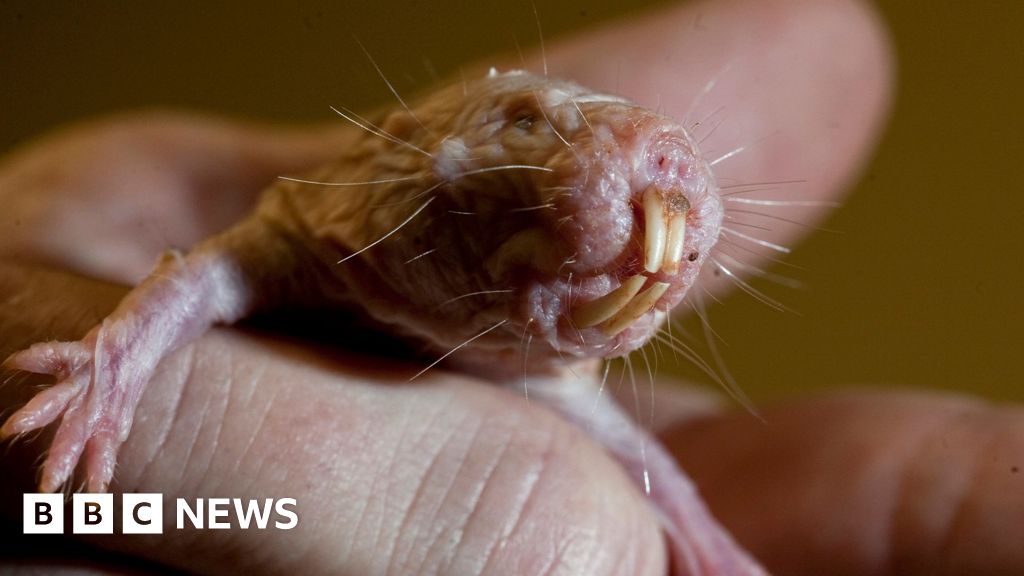
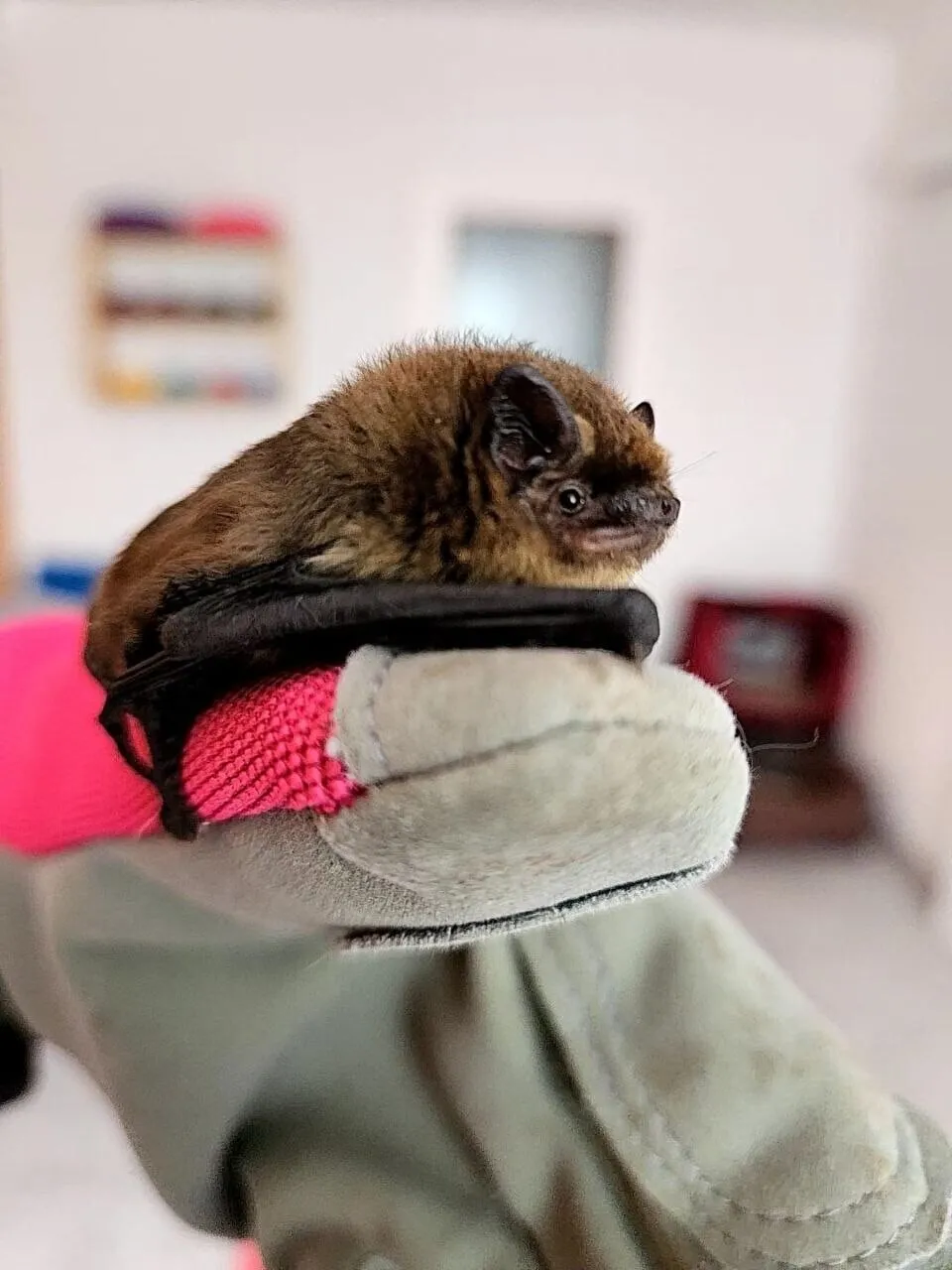
Many bat species are extremely long-lived for their size, rivaling naked mole rats when it comes to a comparison with shorter-lived and similarly sized mammals. One hypothesis is that the very high metabolic demands of flight forced bats to evolve highly efficient defenses against metabolic stress, and particularly stresses generated by mitochondrial activity. Other factors have come to light, however, related to bat resilience to viral infection, triggers of chronic inflammation, and DNA damage. Bats exhibit far greater control over chronic inflammation than other mammals, for example, and researchers have experimented with moving some of the relevant biology into mice to reduce their age-related inflammation.
Today's open access paper grows from the seed of an interesting idea: can we categorize the biology of bat longevity in ways that can then be applied usefully to thinking about variation in human longevity? What does that categorization look like, and what insights emerge from it? Unfortunately the lead author is primarily involved in dietary research, and so this interesting idea, once established and explored, thereafter collapses into dietary recommendations rather than any more useful exploration of the possibilities of drug development and applied biotechnology. Departmental affiliation in academia comes with an intellectual tax that must be paid, in terms of fitting one's interesting ideas into what the department ostensibly does. Still, there something here worthy of greater consideration.