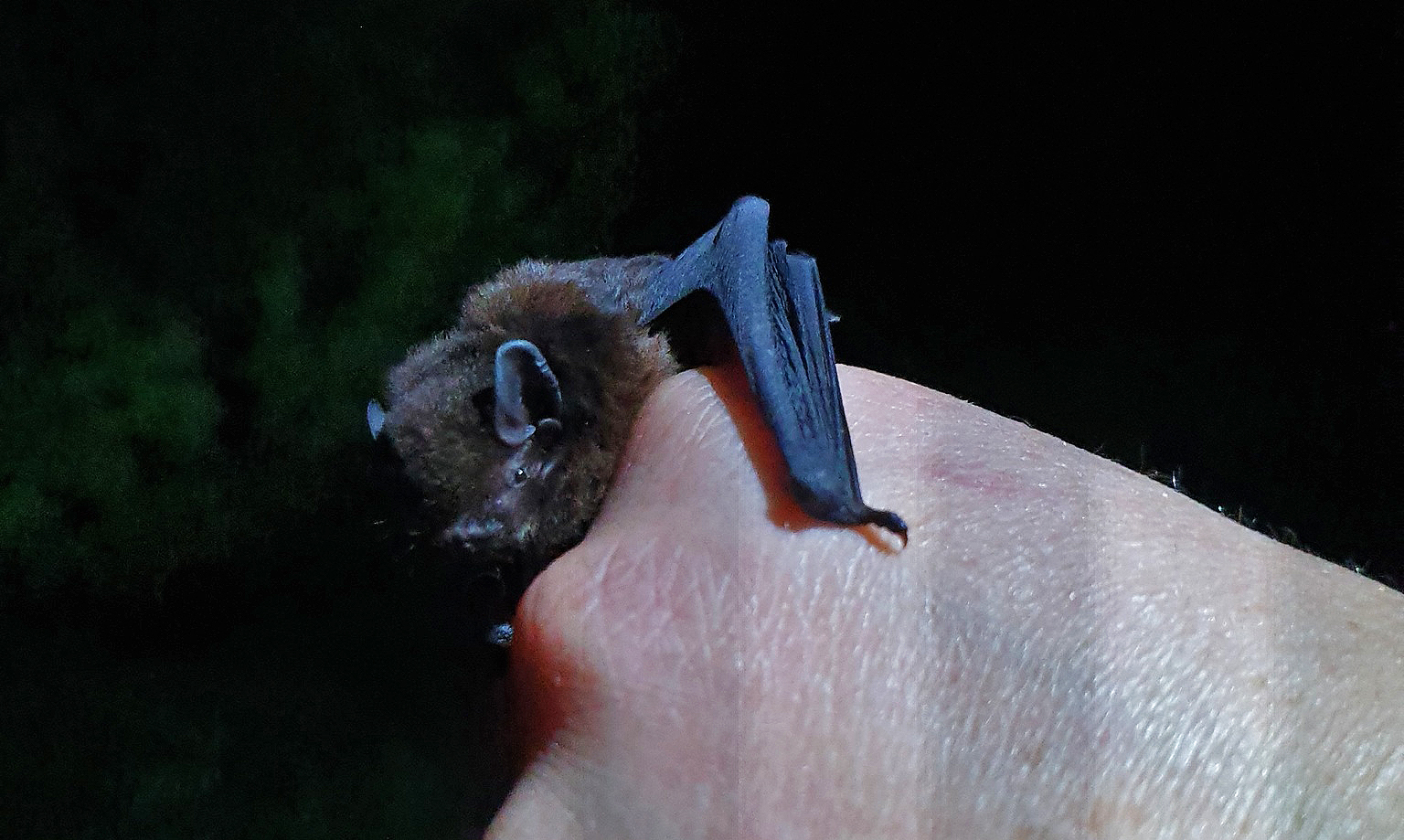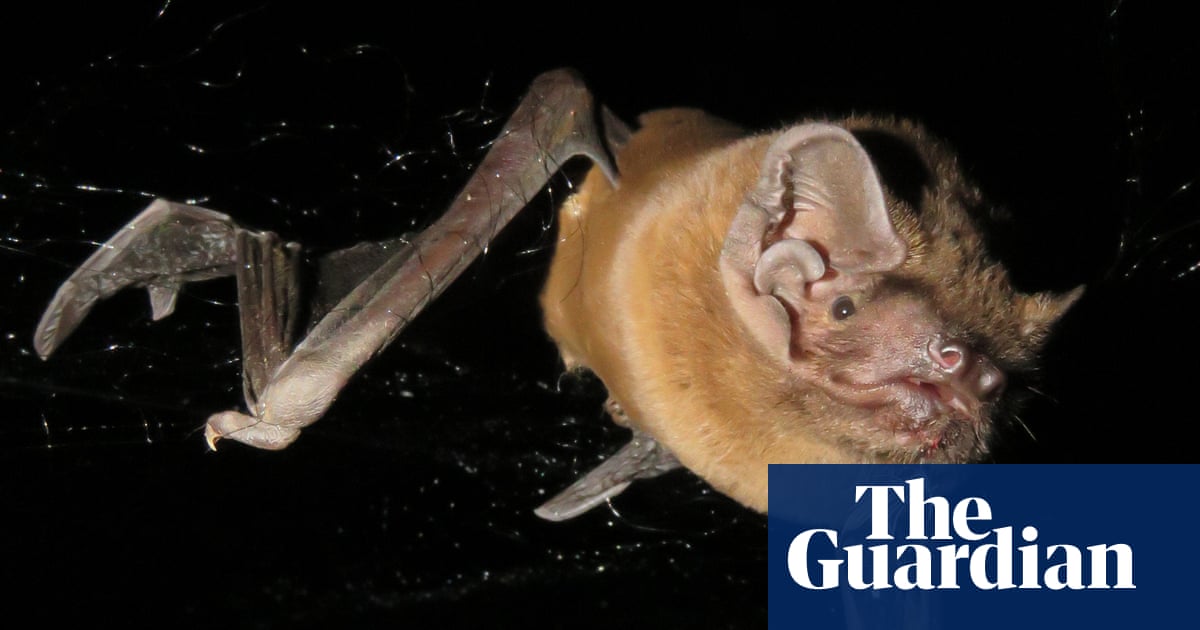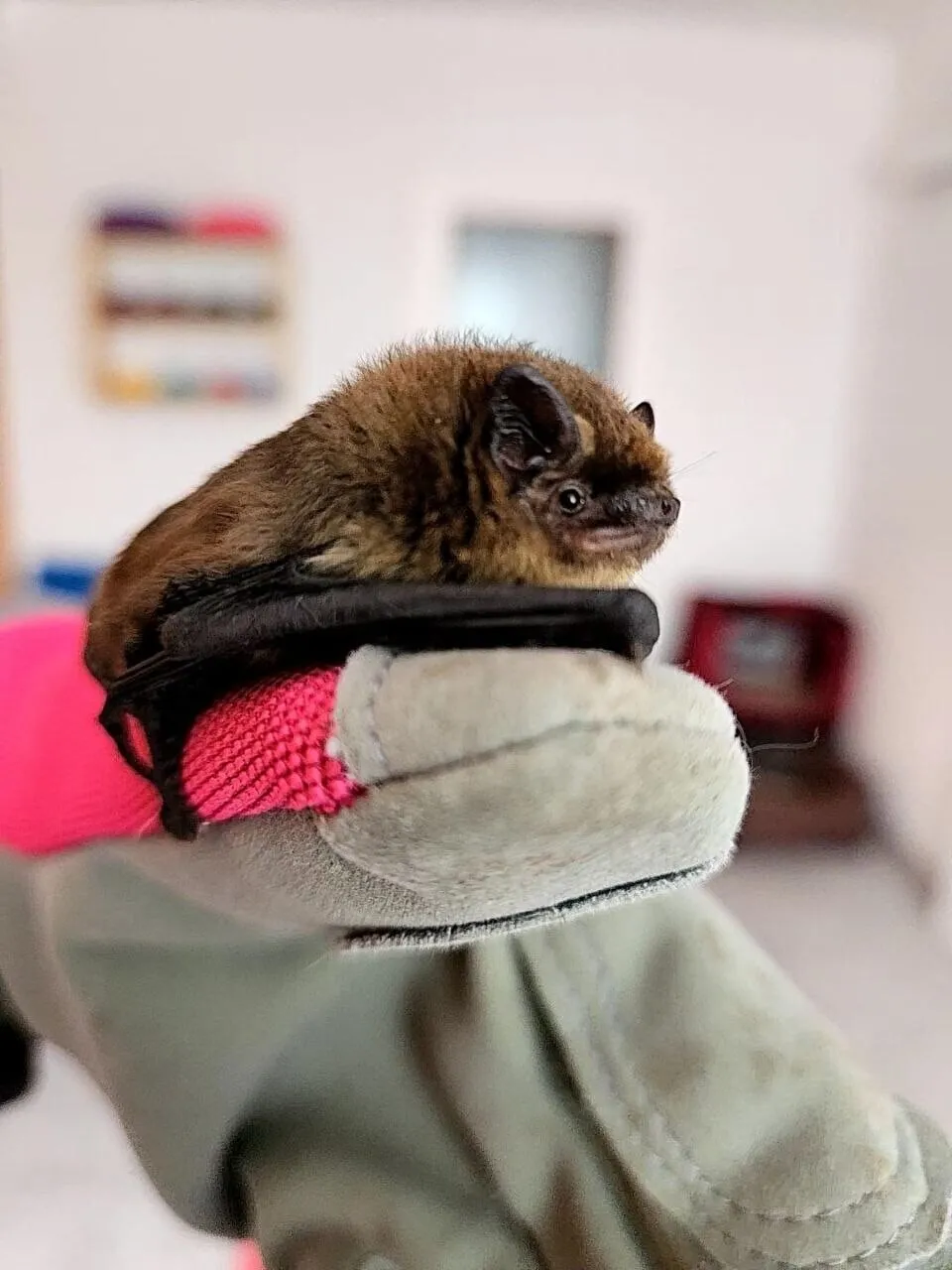
Cora the bat as seen in June 2025. (courtesy Austrian Bat Station)
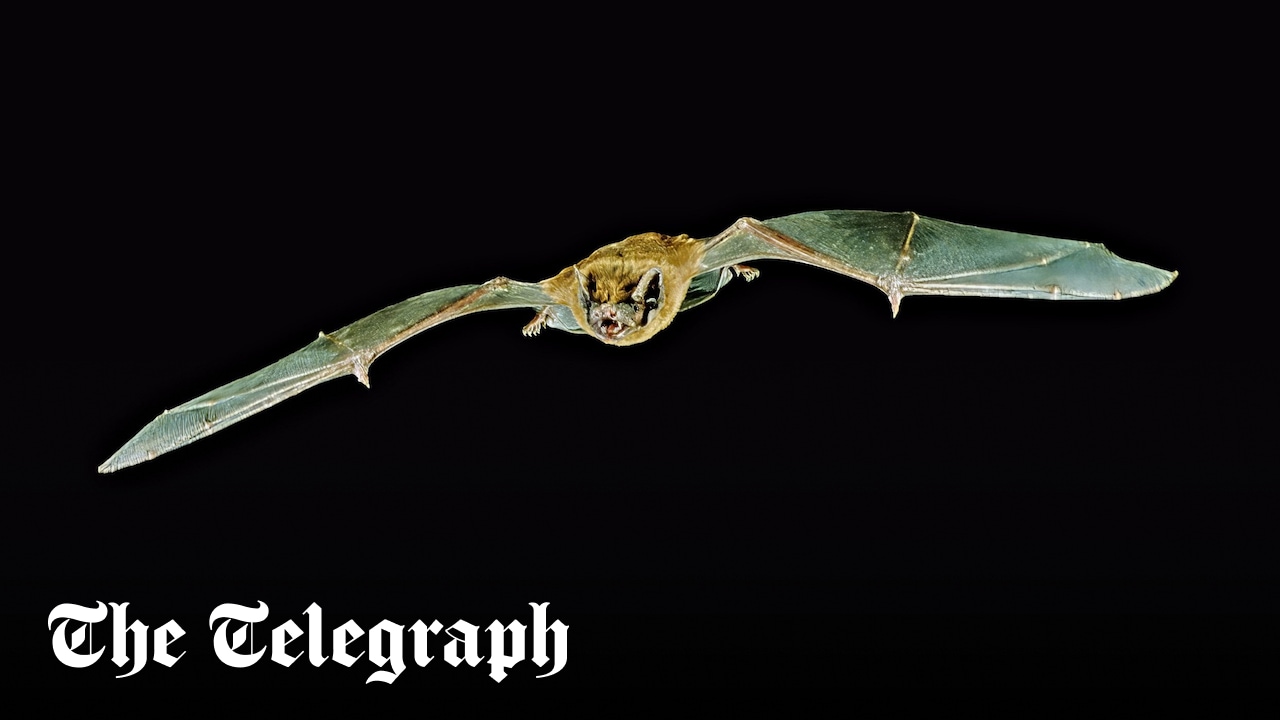
How’s this for a story that flew under the radar: At 7 am on May 7, 2025, a Korean bat measuring just 3 centimeters in length landed at the Vienna International Airport in Austria after a long flight. Roughly 13 hours earlier, it had been hanging from the wall of a cargo container on a B777F aircraft that took off from Incheon International Airport, some 8,290 kilometers away. The belatedly captured bat was dubbed “Cora,” since it was thought to have come from Korea.By sheer distance, this was certainly the longest a bat has ever traveled. But Cora didn’t just set a record — her story also posed a conundrum. Would it be possible for this tiny creature to return home after unwittingly crossing the border?Researchers and activists from Austria and Korea put their heads together to seek an answer to that question. The long and short of it is that Cora’s return never came to pass. Hankyoreh 21 traced this little creature’s journey and the mark she left on different countries along the way. An email from Austria“A Japanese house bat that arrived via an international cargo aircraft departing from Incheon has been under protection in accordance with European animal welfare and biosafety regulations. It is fully capable of flight and healthy enough to consume its own mealworms. We wish to return it to its natural habitat in Korea and request your assistance, as we are not familiar with the related nature conservation laws and repatriation procedures.”On June 4, 2025, the above was sent in an email to Korean government agencies and environmental groups by Katharina Leibezeder, the chairperson of the Vienna-based Fledermaus Station, or Austrian Bat Station. In addition to detailed identifying information — including a forearm length of 30.0 millimeters and fifth digit length of 36.3 millimeters — Leibezeder also attached documents showing that the bat was healthy and posed no risk of infection.Additional documents included a rescue report drafted by Marcus Winkler, a senior administrative officer for the Vienna Airport’s fire service; transfer and management records by Dr. Alexandra Dolischka of the Leitha district veterinary authority; and a parasite and antigen screening report issued by Eva Kahnt, the testing office director for the quarantine services laboratory Laboklin.Over the 27 days before the email was sent, the Austrian Bat Station spearheaded a network of cooperation with other organizations in Austria for the sake of the critter from Korea. The result was a joint effort by officials from a wide range of institutions. It showed clear evidence of painstaking preemptive efforts to avoid any quarantine, disease, or safety issues that might be raised on the Korean side.Of the Korean organizations that received the email, only one — the Biodiversity Foundation — said it would assist with the bat’s return.The foundation proceeded to file petitions with the Ministry of Agriculture, Food and Rural Affairs and the Ministry of Environment (which has since been renamed the Ministry of Climate, Energy and Environment, or MCEE). But the response it received was that repatriation was out of the question, even if the bat was Korean.“Even if the bat is confirmed to be Korean, the only way to repatriate it by current law would be to ‘import’ it,” explained an official with the Ministry of Agriculture, Food and Rural Affairs in a telephone interview with Hankyoreh 21.“That would require an export permit [from Korea to Austria], and the two sides would also have to consult on the quarantine paperwork, the bat rescue center that is keeping Cora would need to be registered with the South Korean government as a breeding facility, and South Korean government officials would need to conduct an actual on-site inspection of the center,” they added.“Practically speaking, this would have taken at least a year,” they said.The Biodiversity Foundation said that it raised common-sense questions at the time, including how an “export permit” could be drafted when the bat was transported unintentionally and whether the same kind of “importing” was necessary when poachers exported Korean wildlife illegally.“The only response we got was that the ‘law does not stipulate any exceptions,’” the foundation said.