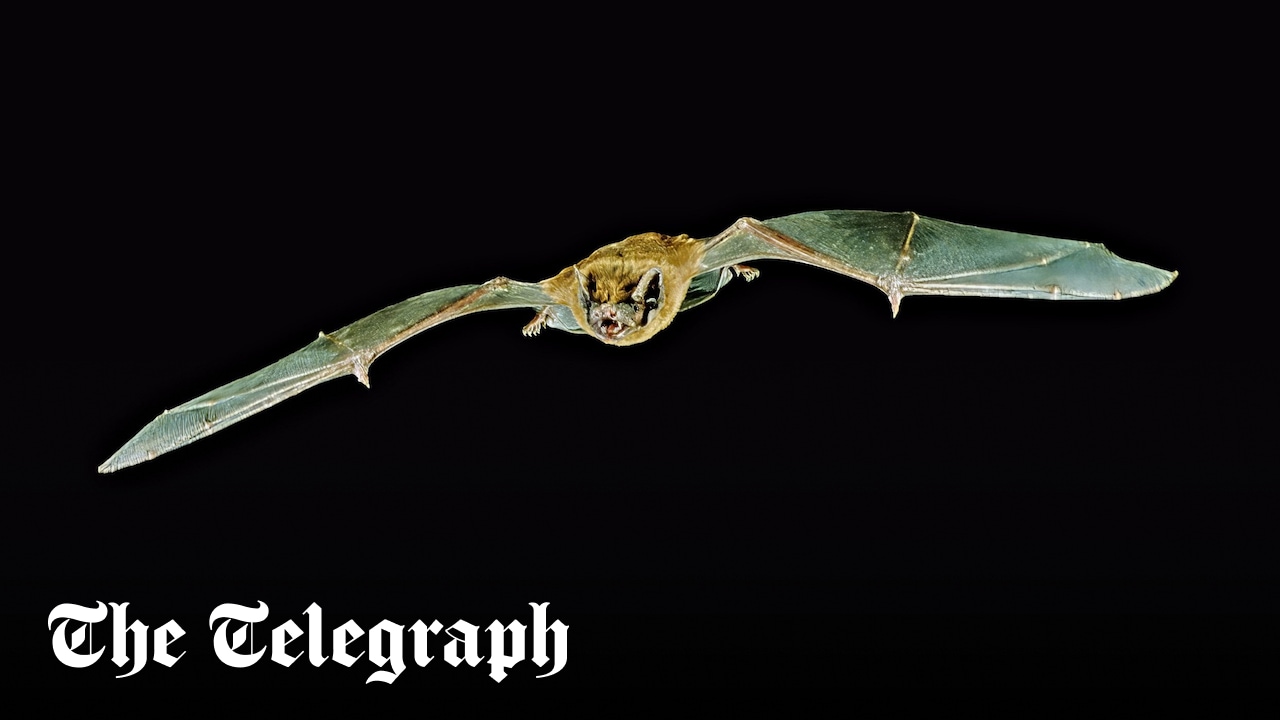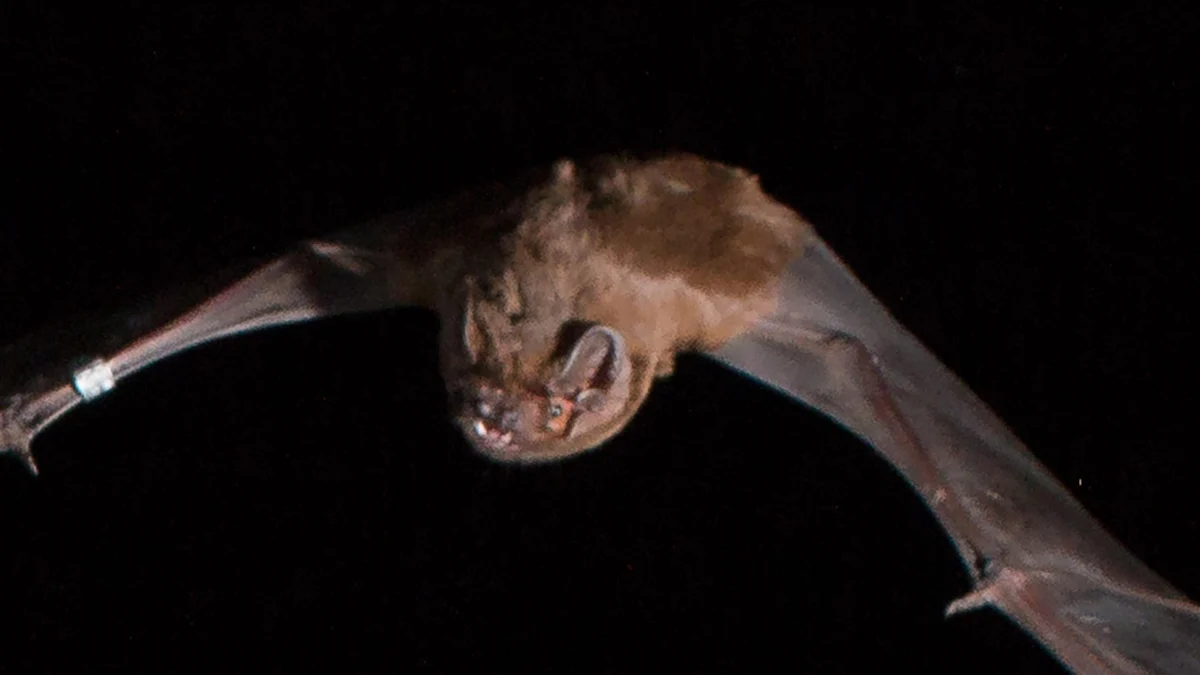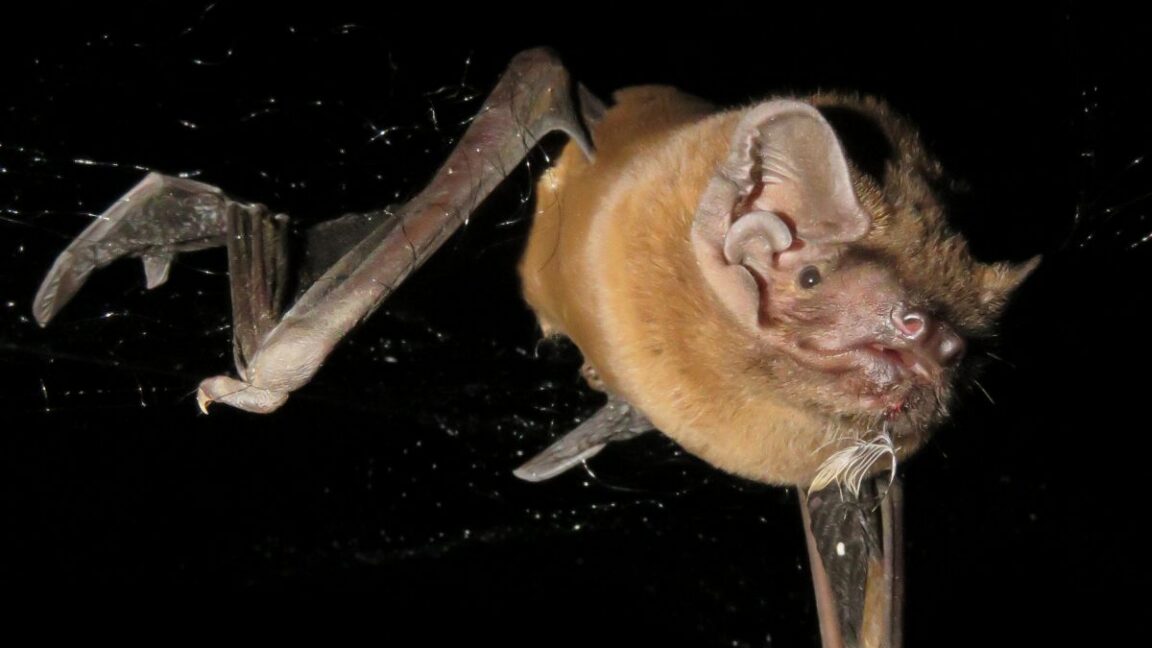
Before the Spanish study, some scientists had been sceptical about the mammals attacking migratory birds
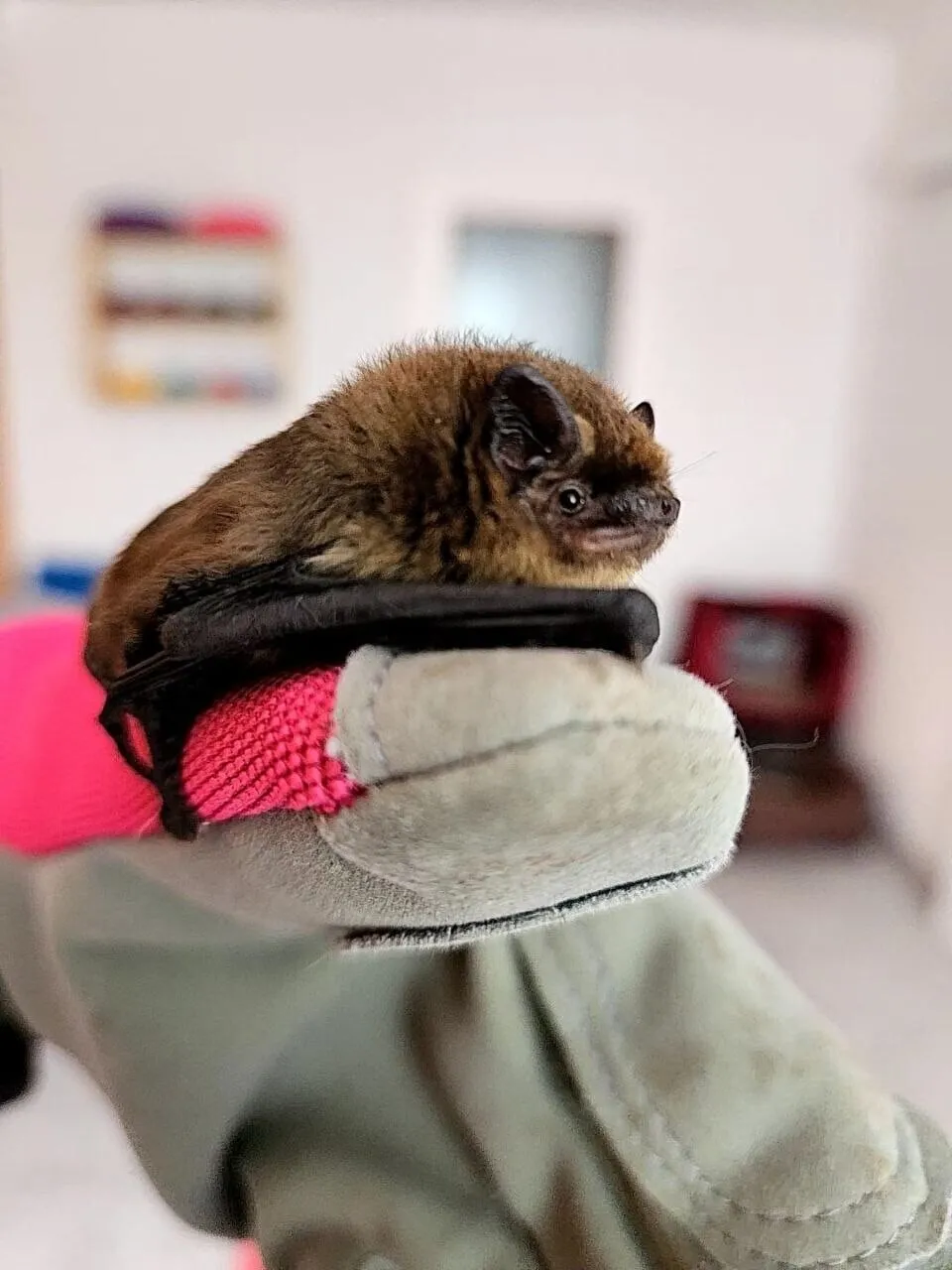
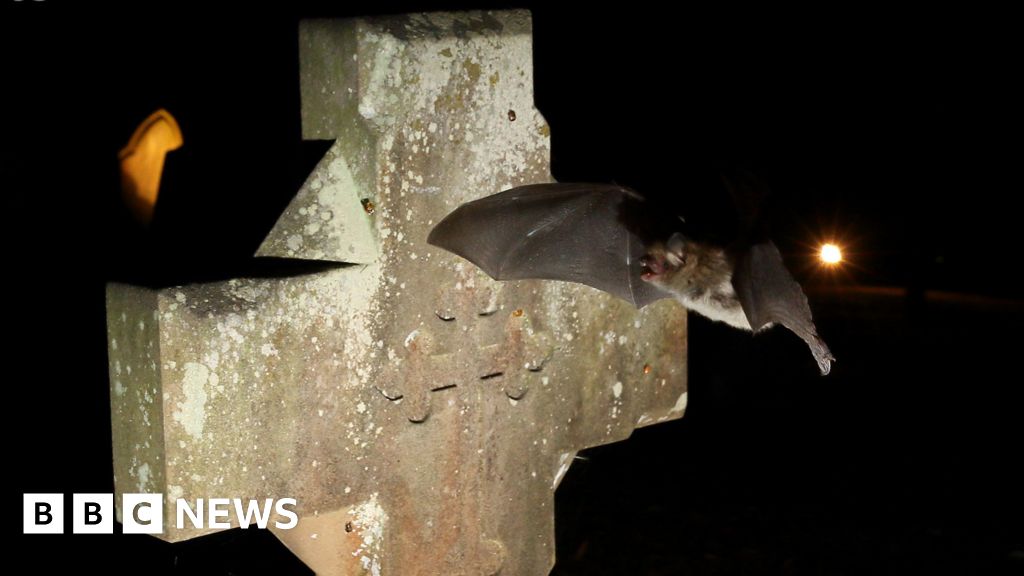
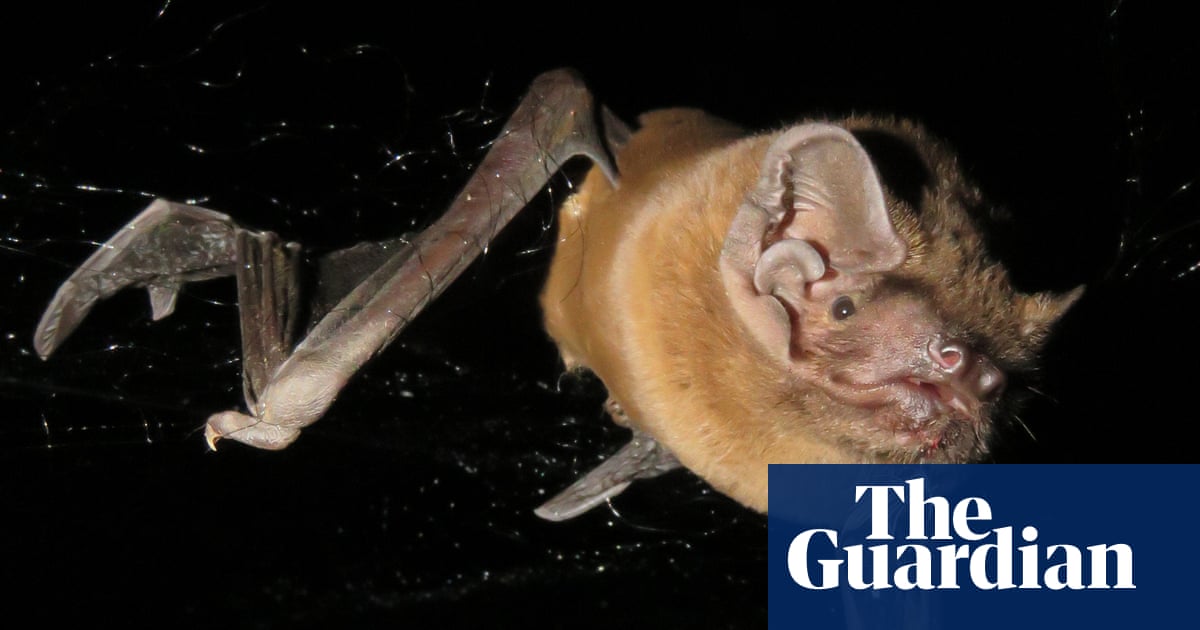
Bats are generally viewed as harmless, if spooky, creatures of the night. But scientists have revealed a more savage side, after witnessing a greater noctule bat – Europe’s largest bat species – hunting, killing and devouring a robin mid-flight.
The grisly recording reveals the bat as a formidable predator, climbing to 1.2km (4,000ft) before embarking on a breakneck-speed dive in pursuit of its prey. On capture, the bat delivered a lethal bite and subsequent chewing sounds, recorded between echolocation calls, indicated that the bat consumed the bird continuously during flight for 23 minutes without losing altitude.
“It’s fascinating that bats are not only able to catch them, but also to kill and eat them while flying,” said Dr Laura Stidsholt, a co-author of the research based at Aarhus University. “A bird like that weighs about half as much as the bat itself – it would be like me catching and eating a 35-kilo animal while jogging.”
Billions of birds seasonally migrate at night and over long distances at high altitude and their flight paths are known to intersect with bat hunting grounds. Dr Carlos Ibáñez, of the Doñana Biological Station, Seville, first made the case that birds were an important food resource during the pre-hibernation – autumn – and gestation – spring – periods after observing feathers in bat faeces 25 years ago. Other scientists were sceptical, however, and in the intervening years Ibáñez and colleagues have deployed surveillance cameras, military radar and ultrasound recorders attached to hot air balloons in a quest for smoking gun evidence.