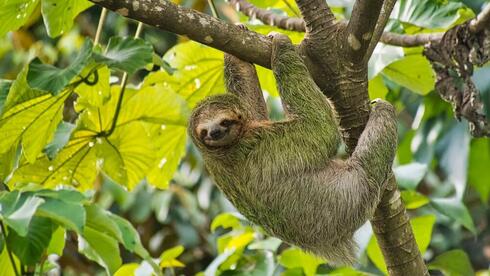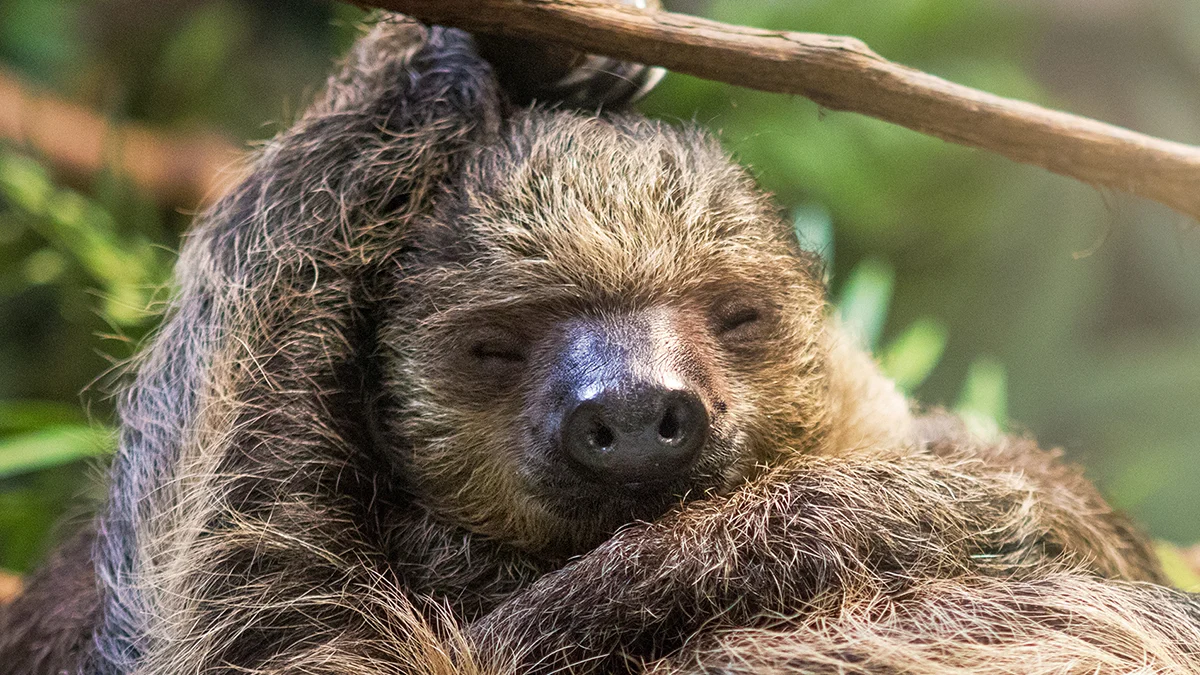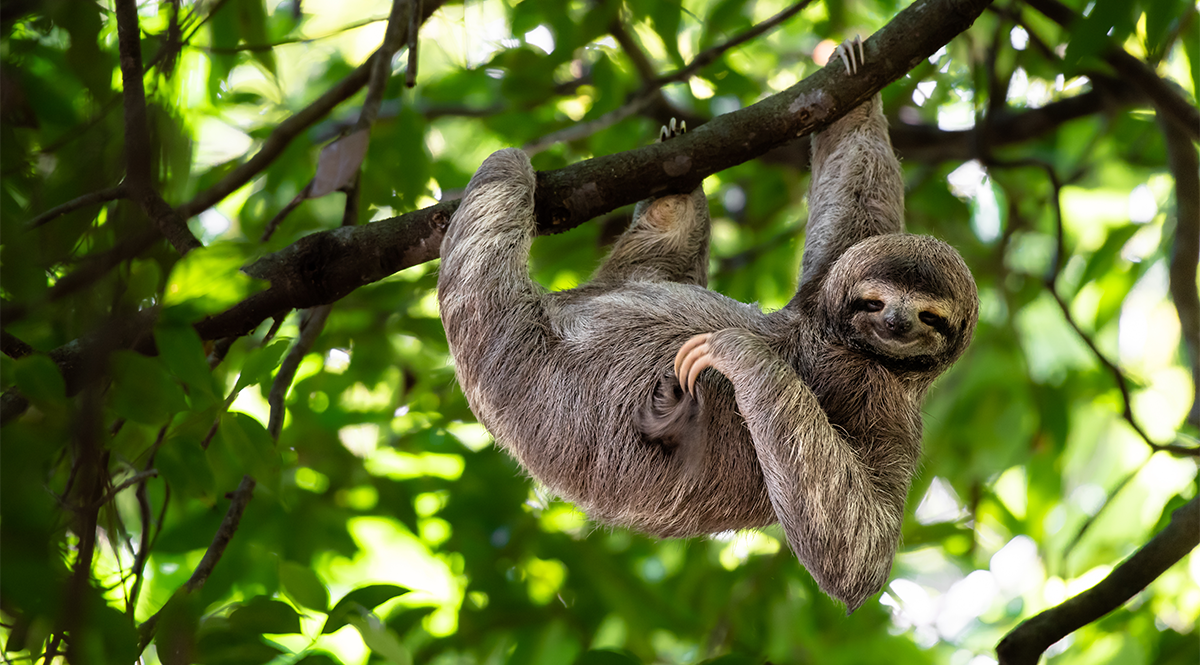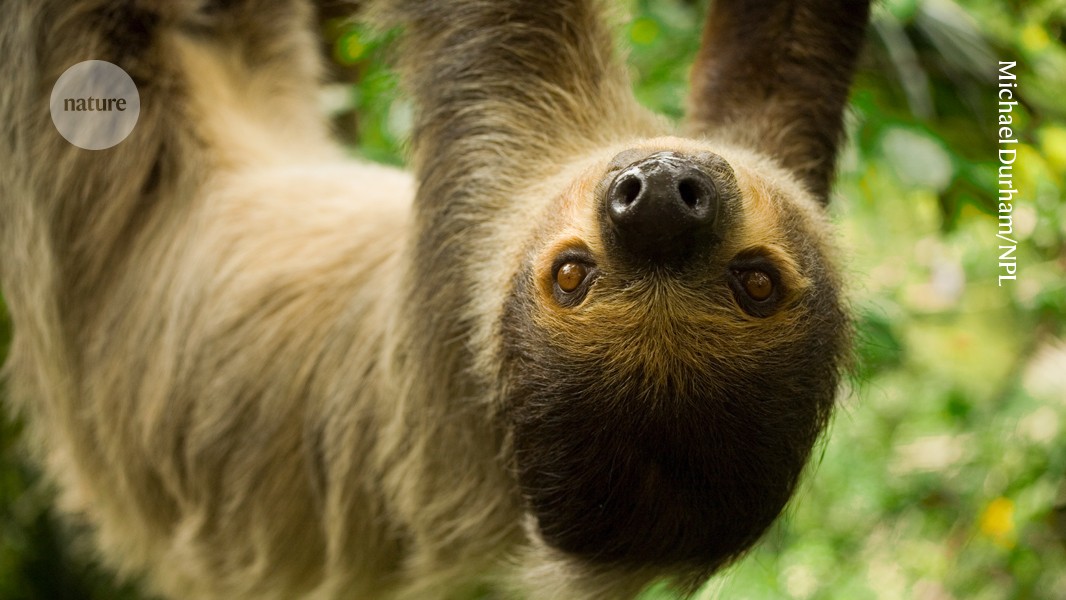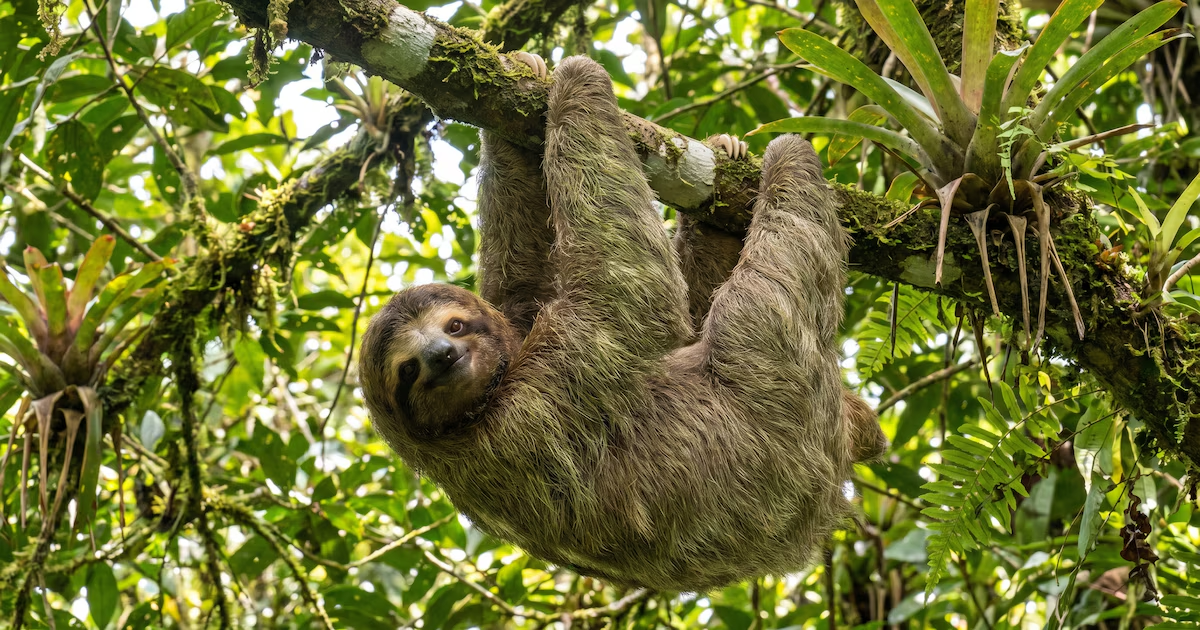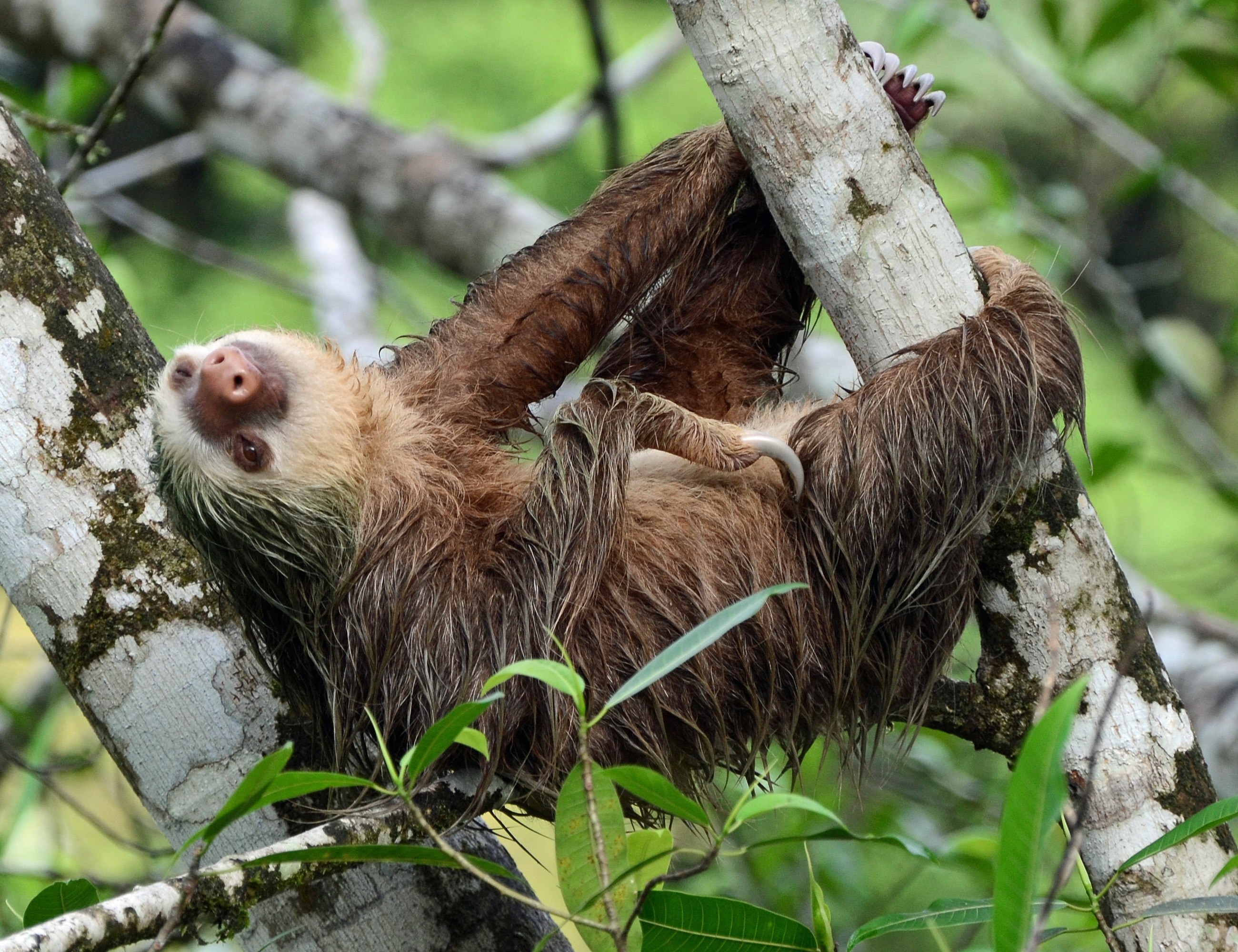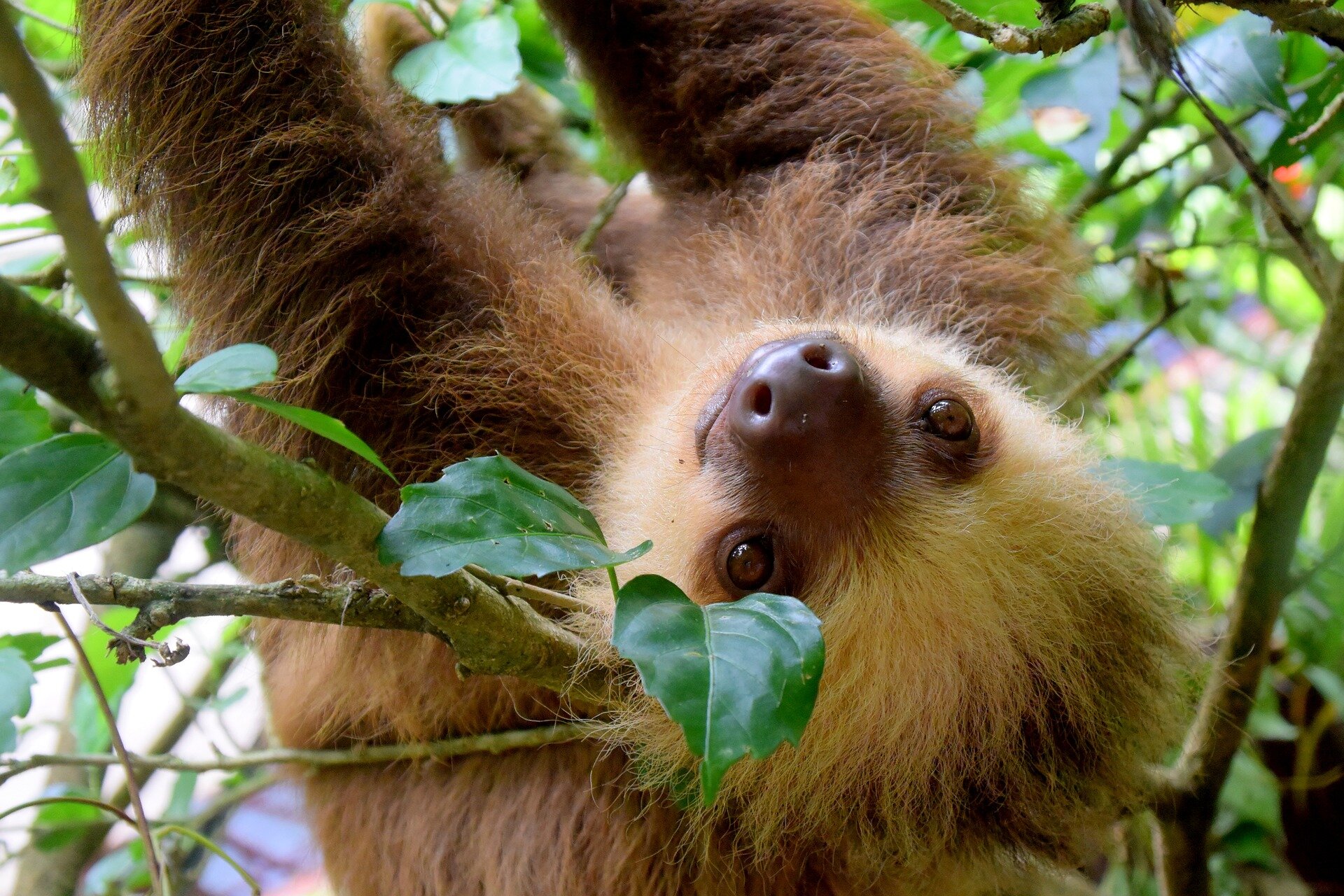
Sloths are the slowest mammals on the planet, but living in dense jungles has made them notoriously difficult to study. For the first time, scientists have now sequenced and analyzed the two-toed sloth genome and revealed the genetics behind its extremely slow metabolism.
Building on work initiated at the Leibniz Institute for Zoo and Wildlife Research (IZW) in Berlin, Germany, researchers at the Wellcome Sanger Institute, IZW, Hospital Sírio Libanês in São Paulo, Brazil, and their collaborators sequenced and analyzed the genome of a captive two-toed sloth. By mapping its evolution, they discovered sloth-specific "jumping genes" that have been conserved over millions of years and are linked to its metabolism.
The results, published in BMC Biology, begin to uncover the genetics behind the sloth's unique biology and could lead to new research into metabolism-associated conditions and aging in other mammals, including humans.
How sloths evolved
Along with armadillos and anteaters, sloths are members of Xenarthra, the only clade of placental mammals to have originated in South America. Xenarthrans have been around for 65.5 million years, with extinct sloth ancestors including elephant-sized giant ground sloths. Modern-day sloths are all tree-dwelling and belong to two groups—two-toed sloths and three-toed sloths.