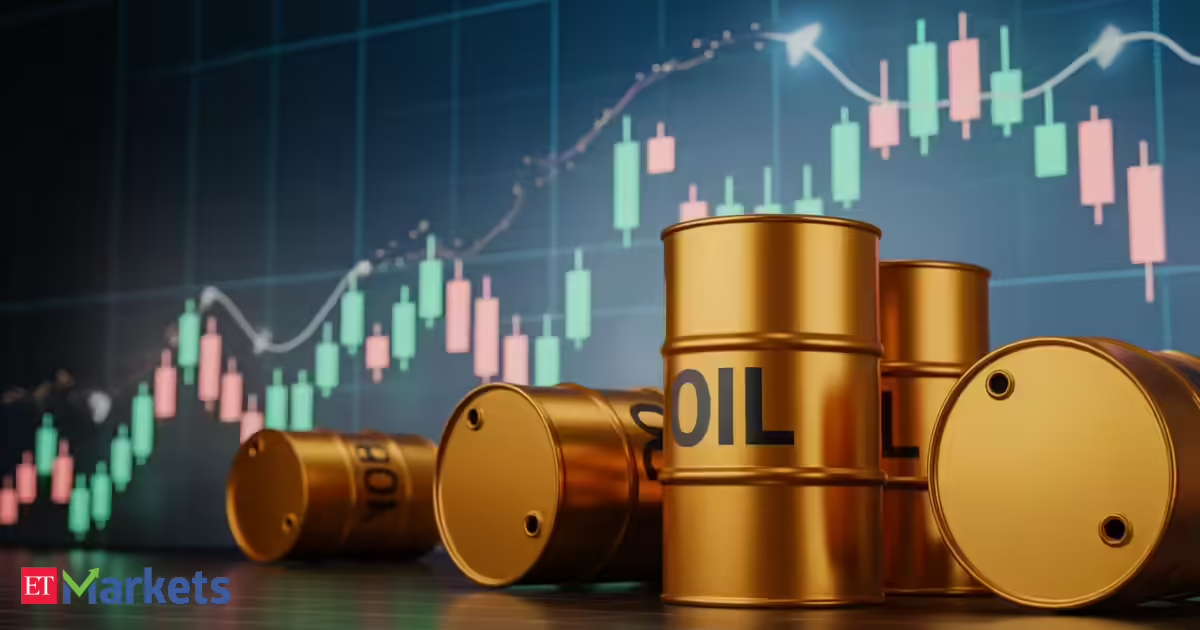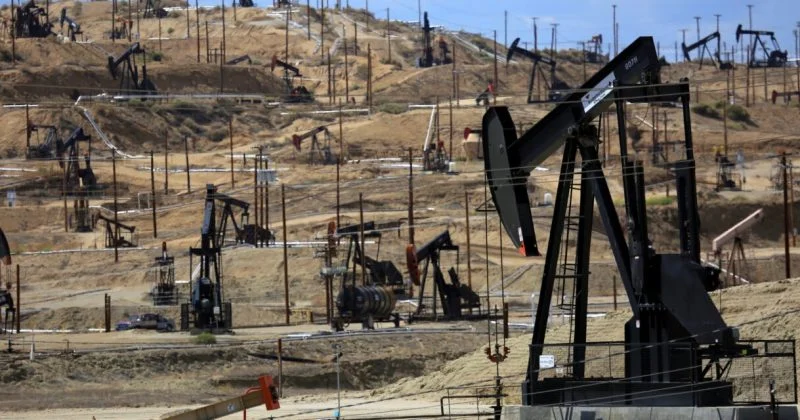
Crude oil traded near $89 a barrel this week as renewed U.S.-Iran hostilities rattled global markets, and the price flashing across every screen was not the cost of a physical barrel changing hands. It was the price of a futures contract. Futures set the benchmark prices for oil, gold, corn, and the S&P 500 itself, which is why every premarket headline can tell you where stocks are likely headed before the opening bell rings.Futures are standardized contracts that obligate the buyer to purchase, and the seller to deliver, a specific asset at a set price on a set date in the future.They trade on regulated exchanges such as the Chicago Mercantile Exchange, where volume hit a record average of 28.1 million contracts per day in 2025 and climbed another 15% year over year this May, reflecting how heavily institutions and individual traders now rely on these markets.Because every contract on an exchange has identical terms, the only thing buyers and sellers negotiate is price, which makes futures one of the most liquid and transparent markets in the world.How a Futures Contract WorksEvery futures contract specifies four things: the underlying asset, the quantity, the expiration date, and how it settles.One crude oil contract covers 1,000 barrels, so with oil near $89, a single contract controls roughly $89,000 of crude.One E-mini S&P 500 contract is worth $50 times the index level, which at recent levels around 7,400 works out to about $370,000 of exposure, while the Micro E-mini version is one tenth that size.Positions are marked to market daily, meaning gains and losses are credited or debited to your account every trading day rather than at expiration.Most traders never take delivery of anything, because they close or roll their positions before expiration, and many contracts, including equity index futures, settle in cash anyway.Who Uses Futures and WhyFutures exist because businesses need price certainty.A corn farmer can sell futures in the spring to lock in a harvest price, and an airline can buy fuel futures to protect itself from a spike like the one traders have hedged against during the recent Middle East escalation.Speculators take the other side of those trades, accepting risk in pursuit of profit, and in the process they keep the market liquid enough for hedgers to use.Index futures also serve as the market's overnight scoreboard, which is why Nasdaq futures jumped 135 points ahead of the SpaceX IPO on June 12, hours before regular trading began.Leverage Cuts Both WaysYou do not pay the full contract value to trade futures. You post margin, a good-faith deposit that often runs between 3% and 12% of the contract's notional value.That leverage means a 1% move in the underlying asset can translate into a gain or loss of 10% or more on your deposited capital.Losses can exceed your initial margin, and your broker can issue a margin call requiring you to add funds immediately, so position sizing matters more in futures than in almost any other market.A practical comparison of contract types and their risk profiles is covered in Benzinga's guide to futures trading strategies.How to Start Trading FuturesYou need an account with a broker registered with the Commodity Futures Trading Commission and a member of the National Futures Association.Benzinga's rundown of the best futures trading platforms compares pricing, tools, and account minimums across the major brokers.Beginners often start with Micro contracts, which carry one tenth the size and margin of standard contracts, and a step-by-step walkthrough is available in Benzinga's guide on how to trade futures.If capital is the constraint, funded trading programs offer another route: Apex Trader Funding lets you trade futures with the firm's capital after passing an evaluation, keeping a share of the profits without risking your own account balance.Whichever path you choose, remember that futures trade nearly 24 hours a day, opening Sunday at 6 p.m. ET and running through Friday afternoon, so Monday's market direction starts taking shape while most investors are still finishing the weekend.
What Are Futures Contracts?: A Beginner’s Guide to Trading Futures in 2025 • Benzinga
Discover futures contracts, how they work and why traders use them. Learn the risks, benefits and how to trade futures with confidence.
659 words~3 min read