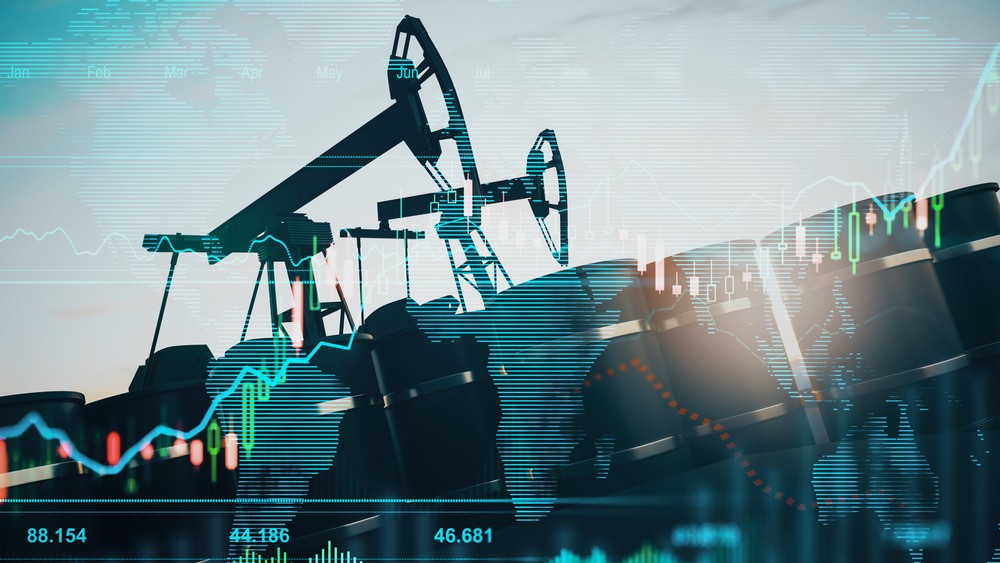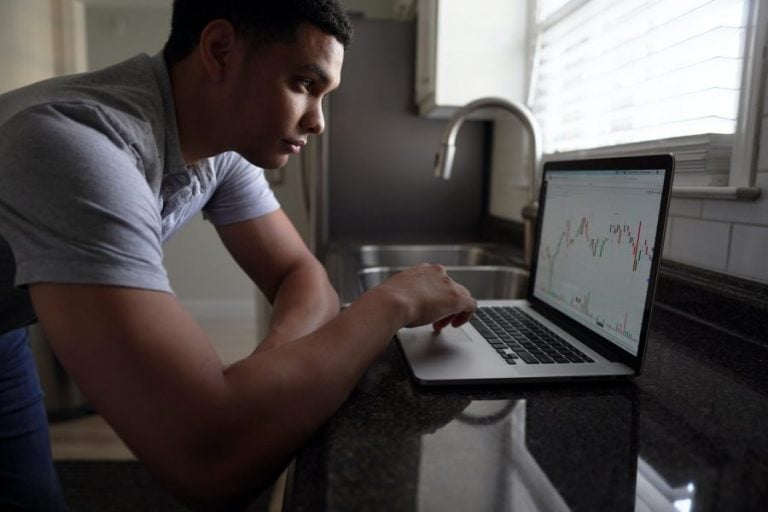
If you watched oil prices this week, you saw futures in action: the August WTI crude contract spiked to $91.62 per barrel on Thursday, then sank to an intraday low of $84.30 as headlines about a possible U.S.-Iran peace deal flipped hour by hour.Every one of those price swings happened in the futures market, the same market that sets the price of the gasoline you pump, the wheat in your bread, and the overnight direction of the S&P 500.What Is a Futures Contract?A futures contract is a standardized, legally binding agreement to buy or sell a specific asset at a set price on a specific date in the future.These contracts trade on regulated exchanges such as the CME Group and ICE, and they are overseen by the Commodity Futures Trading Commission, the federal regulator for U.S. derivatives markets.Standardization is what makes the system work: every contract for a given product specifies the exact quantity, quality, and delivery date, so the only thing traders negotiate is price.One WTI crude oil contract, for example, always represents 1,000 barrels, which means a single contract controls roughly $86,000 of oil at current prices.The Mechanics of a TradeWhen you buy a futures contract, you are "going long," betting the price will rise before the contract expires.When you sell one first, you are "going short," profiting if the price falls.The exchange's clearinghouse stands between every buyer and seller, guaranteeing both sides of the trade so you never have to worry about the counterparty defaulting.Gains and losses are settled daily in a process called mark to market, meaning money moves in or out of your account every trading day based on where the contract closed.Margin and LeverageYou do not pay the full value of a contract upfront. Instead, you post margin, a good-faith deposit that typically runs about 5% to 12% of the contract's notional value.That deposit creates leverage: a roughly $7,000 margin requirement might control $86,000 of crude oil, so a 5% move in the underlying asset can roughly double your money or wipe out your deposit.If losses push your account below the maintenance margin level, your broker issues a margin call requiring you to add funds immediately or have the position liquidated.This is why position sizing and stop orders matter more in futures than almost anywhere else, a point Benzinga covers in depth in its guide to futures trading strategies.Settlement and ExpirationEvery futures contract has an expiration date, and what happens then depends on the contract.Physically settled contracts, like crude oil, require actual delivery of the commodity, though fewer than 2% of contracts ever reach delivery because traders close or roll their positions first.Cash-settled contracts, like E-mini S&P 500 futures, simply pay out the difference between your entry price and the final settlement price.Expiration weeks can get turbulent: the next "triple witching," when stock index futures, index options, and stock options all expire together, lands on Thursday, June 18, moved up a day because the Juneteenth holiday falls on Friday this year.Who Uses Futures and WhyHedgers use futures to lock in prices: an airline buys jet fuel futures to cap costs, while a corn farmer sells futures in spring to guarantee a harvest price.Speculators take the other side, accepting risk in exchange for potential profit, and they provide the liquidity that keeps markets functioning.Even the U.S. government has waded in this year, with Treasury Secretary Scott Bessent reportedly shorting oil futures in an attempt to cool crude prices amid the Iran conflict.Futures also carry a notable tax quirk: under IRS Section 1256 rules, 60% of gains are taxed at long-term capital gains rates regardless of how briefly you held the position.How to Start Trading FuturesYou will need a brokerage account with futures permissions, which involves a margin agreement and a short suitability review.Micro contracts have lowered the barrier considerably: the Micro E-mini S&P 500 is one-tenth the size of the standard E-mini, cutting both margin requirements and per-tick risk by 90%.Benzinga's futures investing guide for beginners walks through choosing a platform, placing your first order, and managing margin step by step.If you want to build skill without risking a large account of your own, Apex Trader Funding offers evaluation programs that let you trade futures with the firm's capital once you demonstrate consistent, rule-based trading.
How Do Futures Contracts Work?
Understand the mechanics of futures contracts and learn how they can benefit your investment strategy with our detailed guide.
TL;DRAI
Un futures contract controlla un asset (crude oil, indici S&P) con leverage 5-12%: $7k margin controllano ~$86k di valore. Movimenti del 5% nel sottostante raddoppiano i guadagni o azzerano il margin; essenziale per hedging ma richiede posizionamento disciplinato.
710 words~3 min read