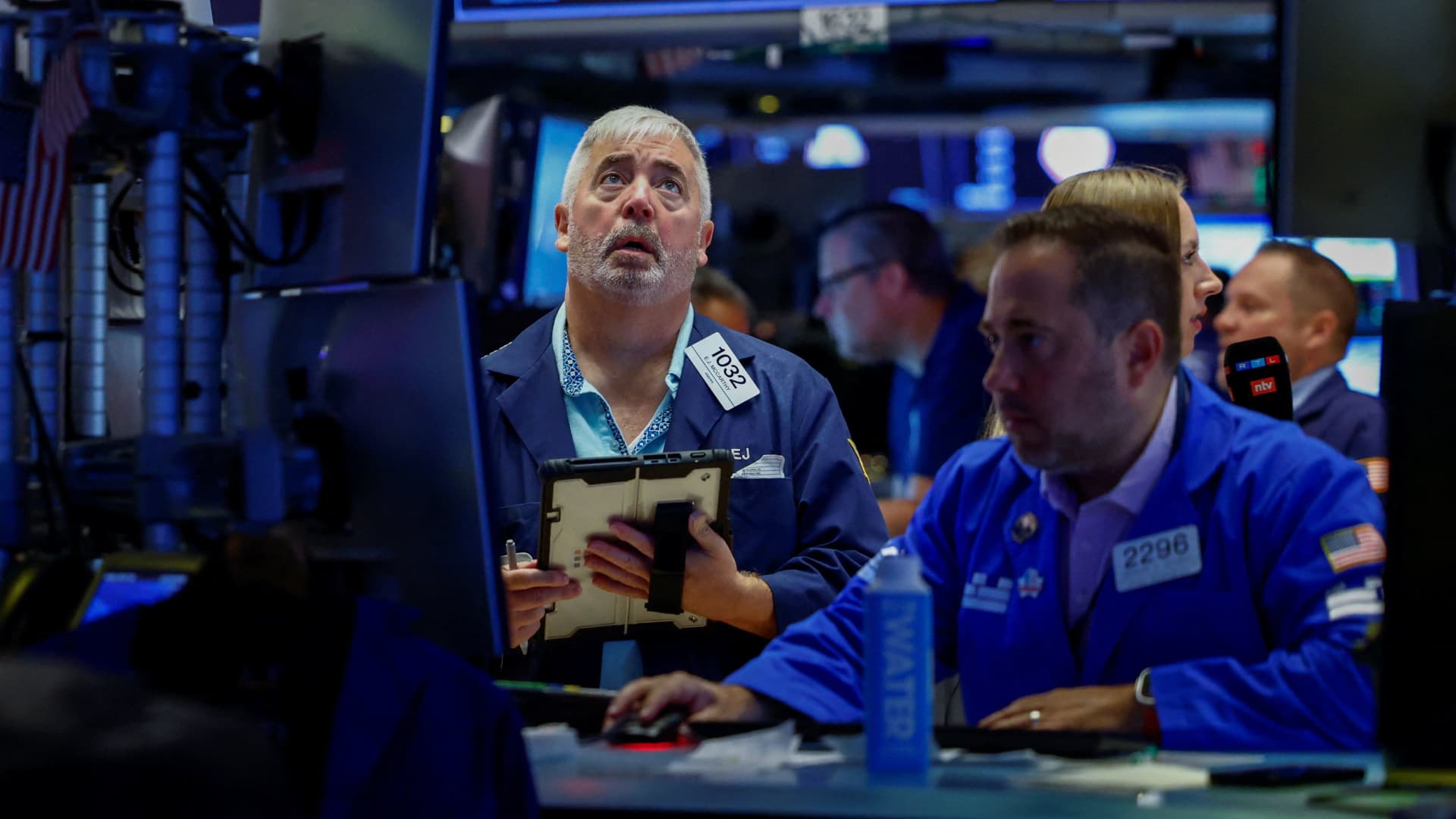
When crude oil futures swung more than 4% in a single session this week as traders weighed reports of a U.S.-Iran deal to reopen the Strait of Hormuz, every one of those trades happened through a futures contract.Futures are the instruments behind the oil, gold, and S&P 500 prices you see quoted every day, and knowing the main contract types is the starting point for trading them or simply understanding the headlines.Futures contracts fall into five broad categories: commodity futures, stock index futures, currency futures, interest rate futures, and cryptocurrency futures.Every contract works the same way at its core: two parties agree today on a price for an asset that will be delivered or settled in cash on a set future date.What changes from one type to the next is the underlying asset, the contract size, and who tends to trade it.Commodity FuturesCommodity futures cover physical goods, including energy products like crude oil and natural gas, metals like gold and copper, and agricultural products like corn, wheat, and soybeans.They are the oldest category, dating back to grain contracts at the Chicago Board of Trade in the 1860s.They are also where the action is right now: Brent crude averaged $107 per barrel in May as the effective closure of the Strait of Hormuz stretched past three months, according to the Energy Information Administration's June outlook. U.S. Energy Information AdministrationA standard WTI crude contract on the CME's NYMEX exchange covers 1,000 barrels, so a $1 move in the oil price means a $1,000 gain or loss per contract.Stock Index FuturesStock index futures track equity benchmarks like the S&P 500, the Nasdaq-100, and the Dow Jones Industrial Average.They settle in cash rather than physical delivery, since nobody can hand over 500 stocks in exact index proportions.Most individual traders use E-mini contracts, which are one-fifth the size of the original contracts, or Micro E-minis, which are one-tenth the size of the E-minis.A Micro E-mini S&P 500 contract moves $5 for every one-point change in the index, making it one of the most accessible entry points into futures.Currency FuturesCurrency futures lock in an exchange rate between two currencies for a future date.The most heavily traded contracts cover the euro, Japanese yen, British pound, and Canadian dollar against the U.S. dollar.Multinational companies use them to protect overseas revenue from exchange rate swings, while speculators trade them on interest rate expectations and economic data.A standard euro FX contract covers 125,000 euros, though micro versions cover 12,500.Interest Rate FuturesInterest rate futures track debt instruments like Treasury bonds, Treasury notes, and the Secured Overnight Financing Rate, or SOFR.They are the largest futures category by volume, because banks, pension funds, and hedge funds rely on them to manage exposure to changing rates.Traders also use SOFR futures to bet on the Federal Reserve's next move, which is why these contracts spike in volume around every Federal Open Market Committee meeting.Cryptocurrency FuturesCrypto futures are the newest category, with CME launching Bitcoin futures in 2017 and Ether futures in 2021.They settle in cash and let traders gain Bitcoin exposure through a regulated exchange without holding the coins themselves.A Micro Bitcoin contract covers just 0.1 Bitcoin, a fraction of the full five-Bitcoin standard contract.How to Choose a Contract TypeMatch the contract to what you actually understand: if you follow the Fed, interest rate futures make sense, and if you track energy markets, crude or natural gas may fit better.Pay close attention to contract size and margin, since leverage cuts both ways and the Commodity Futures Trading Commission warns that losses can exceed your initial deposit.It helps to study proven approaches before risking money, and Benzinga's guide to the best futures trading strategies covers pullbacks, breakouts, and trend-following setups in detail.Beginners can also start with the basics in Benzinga's futures investing guide for new traders before placing a first trade.Your broker matters as much as your strategy, and Plus500 offers commission-friendly futures trading across commodities, indexes, currencies, and crypto through its U.S. platform, with micro contracts that keep position sizes manageable for newer traders.Comparing it against other venues is worth the time, and Benzinga's roundup of the best futures trading platforms breaks down fees, margin requirements, and tools side by side.With oil volatility elevated and the Fed's next rate decision approaching, contract volumes across nearly every category are running well above their 2025 averages, which means tighter spreads and deeper liquidity for traders entering the market now.
6 What are the Different Types of Futures Contracts? • Benzinga
Types of Futures Contracts: Stocks, Currencies, & More! Explore different futures options for trading commodities, indexes, and global markets.
732 words~3 min read