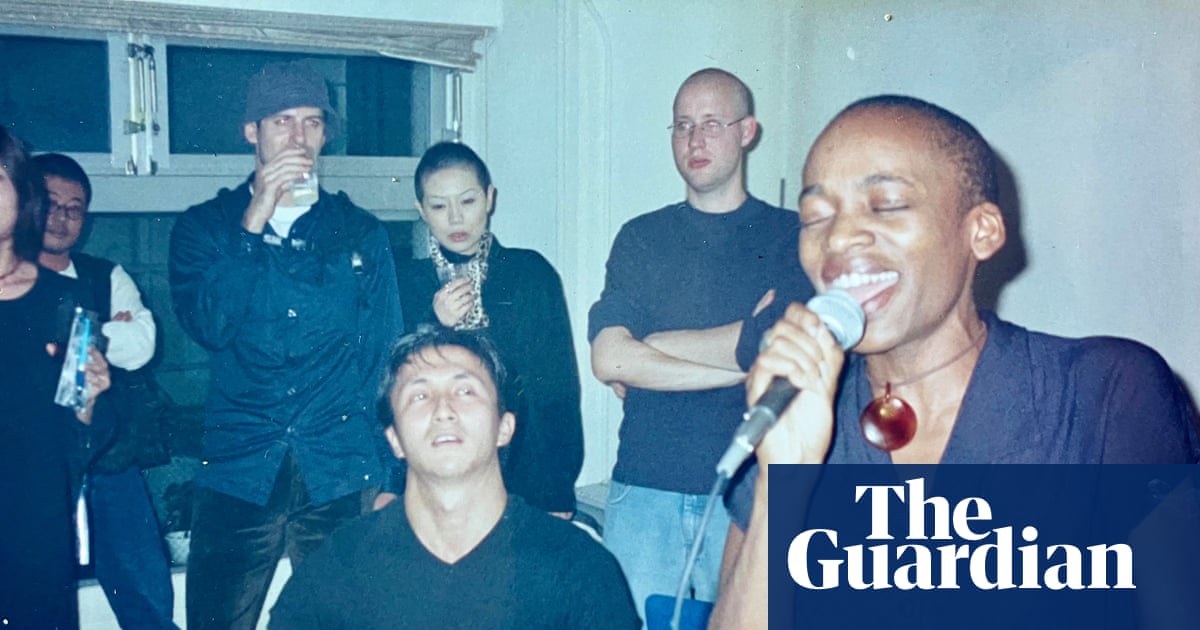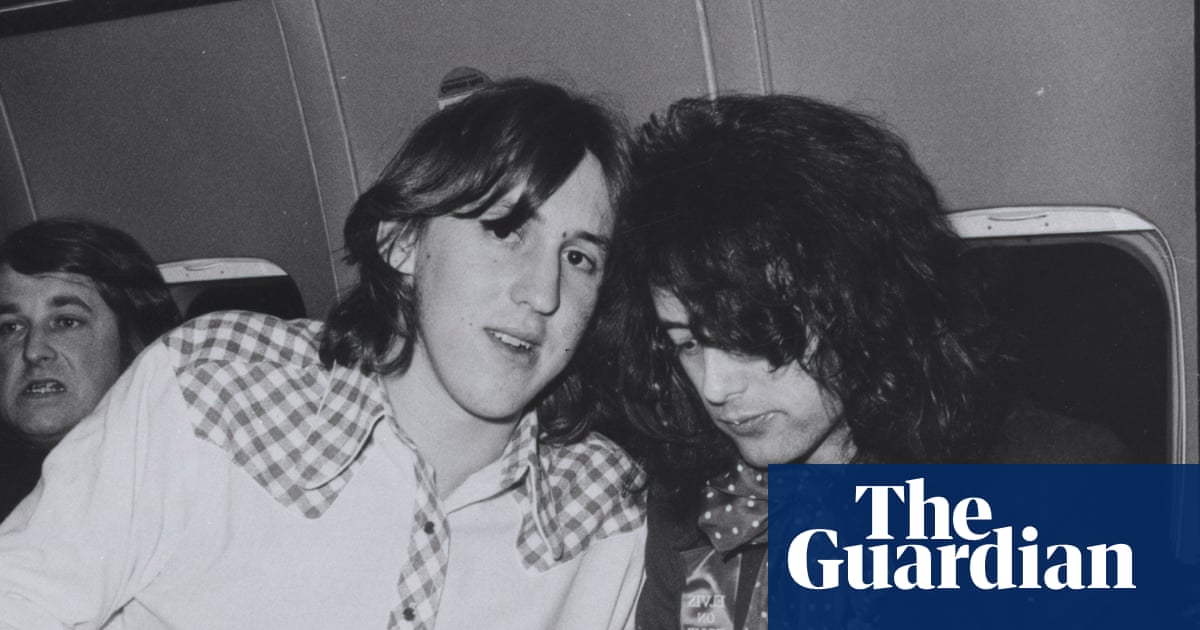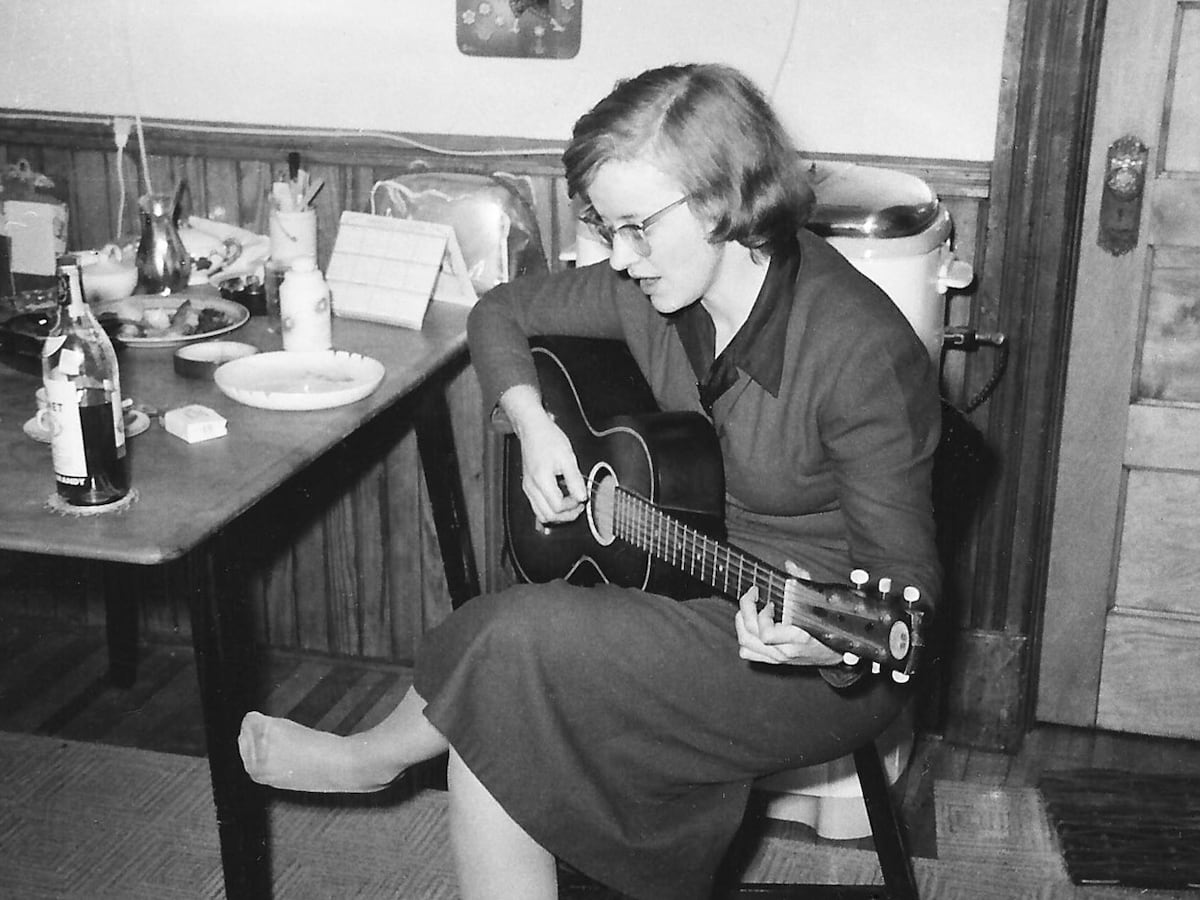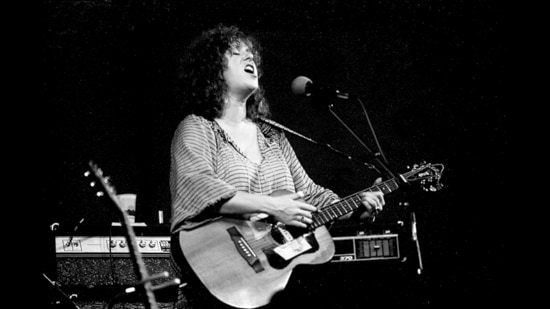
It is a night sometime in the mid-1960s, Greenwich Village, New York City. The air in the Cafe Au Go Go on Bleecker Street carries the residue of spilled beer, cigarette smoke, and the rebellious zeitgeist of that era. A young woman with a battered acoustic guitar finishes her set. Across the room, a slight figure with an Afro and a guitar that seems to grow from his shoulder watches with the intensity of a hawk. He approaches, pulls up a barstool, and plays along with her.
This is not yet Jimi Hendrix. He is still Jimmy James, playing small rooms with his band, the Blue Flames. But he has found something in this woman’s music that compels him — that rare, undefinable quality that makes one musician recognise another not merely as a peer but as a co-conspirator. Ellen McIlwaine, red-headed, Nashville-born, Japan-raised, plays the slide guitar like she is squeezing something precious from the instrument, and she sings with a voice that shifts the way fickle weather shifts — sudden, but unstoppable.
That night in the Village is like a microcosm of Ellen McIlwaine’s entire life story: she was the one the great ones came to, and yet the world never quite came to her.
Greenwich Village in the 1960s was the seismic epicentre of American music. You could find Muddy Waters and John Lee Hooker at the same venues where Joni Mitchell and Richie Havens worked out new ways of expressing themselves through song. Nina Simone owned any room she entered. The Village Voice listed gigs at the Bitter End, the Gaslight, and Cafe Wha. Into this world arrived Ellen McIlwaine— born in Nashville in 1945 but raised as the daughter of a Presbyterian missionary in Japan, which gave her something few American musicians possessed: an ear shaped by genuinely foreign music, by US Armed Forces radio and hymns in a country where the blues had not yet been. And, later when she absorbed everything else — the Delta, Chicago, rock and roll — they arrived as one more exotic experience among many.