Dragged along by my dad to see Pentangle, I heard something ancient that kickstarted my obsession with this country’s folklore – an enchanted, subversive and strange version of a Britain where I could truly belong
I
was 15 years old; at that fumbling, awkward age on the precipice of adulthood, desperately trying to figure out who I was, who I wanted to be, and where I belonged in the world. I grew up feeling perpetually “in-between”: half-white, half-black; half-British, half-Caribbean, and on the faultline between what sometimes felt like two worlds at war.
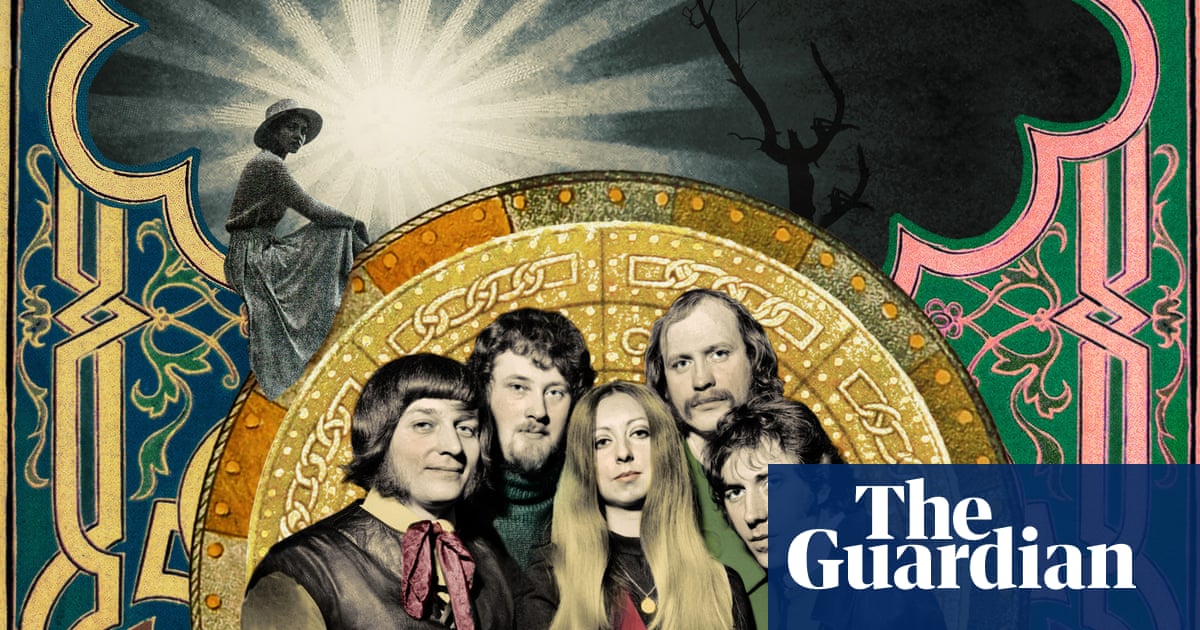
One night in 2008 my dad took me to see Pentangle play at the Royal Festival Hall on London’s South Bank. The band had risen to fame in the late 60s, known for fusing British folk melodies with blues and jazz syncopation. I must have stood out in the crowd – among the bearded men in sandals and socks – with my big hoop earrings and scraped-back hair. And although I dragged my feet on the way in, when I stepped out of the concert later that auspicious summer’s evening, I was changed for ever.
The old folk songs I heard Pentangle perform that night felt haunting and ancient, yet comforting somehow; they spoke to a unnamed longing within me that felt as old as time. I remember being particularly moved by their version of The Cuckoo, a mournful, 18th-century ballad about the migratory bird whose song signals the coming of the summer. I downloaded it as soon as I got home and communed with the song in private, and was instantly transported back in time; not just to the late 60s, when it was recorded, but what felt like even further, to an enchanted British past.