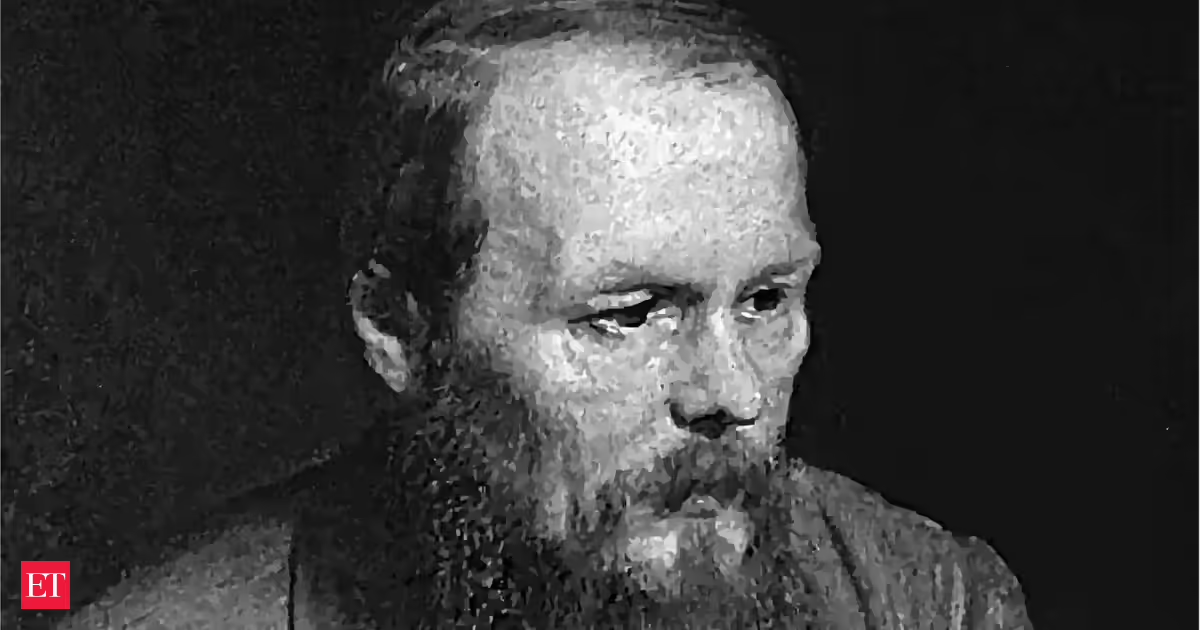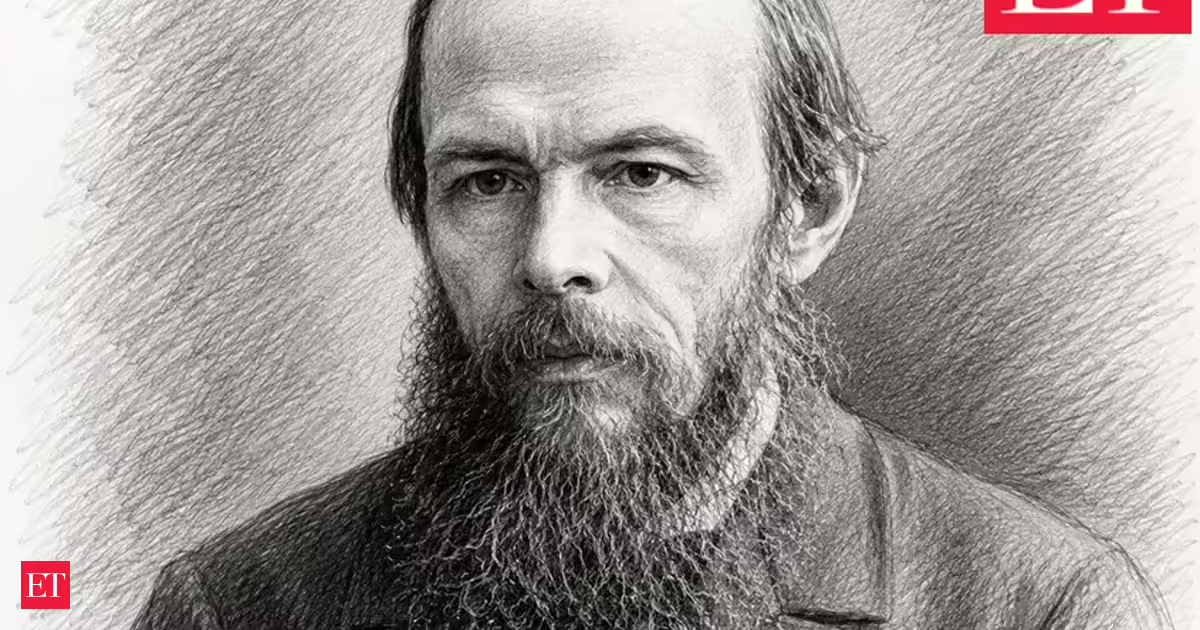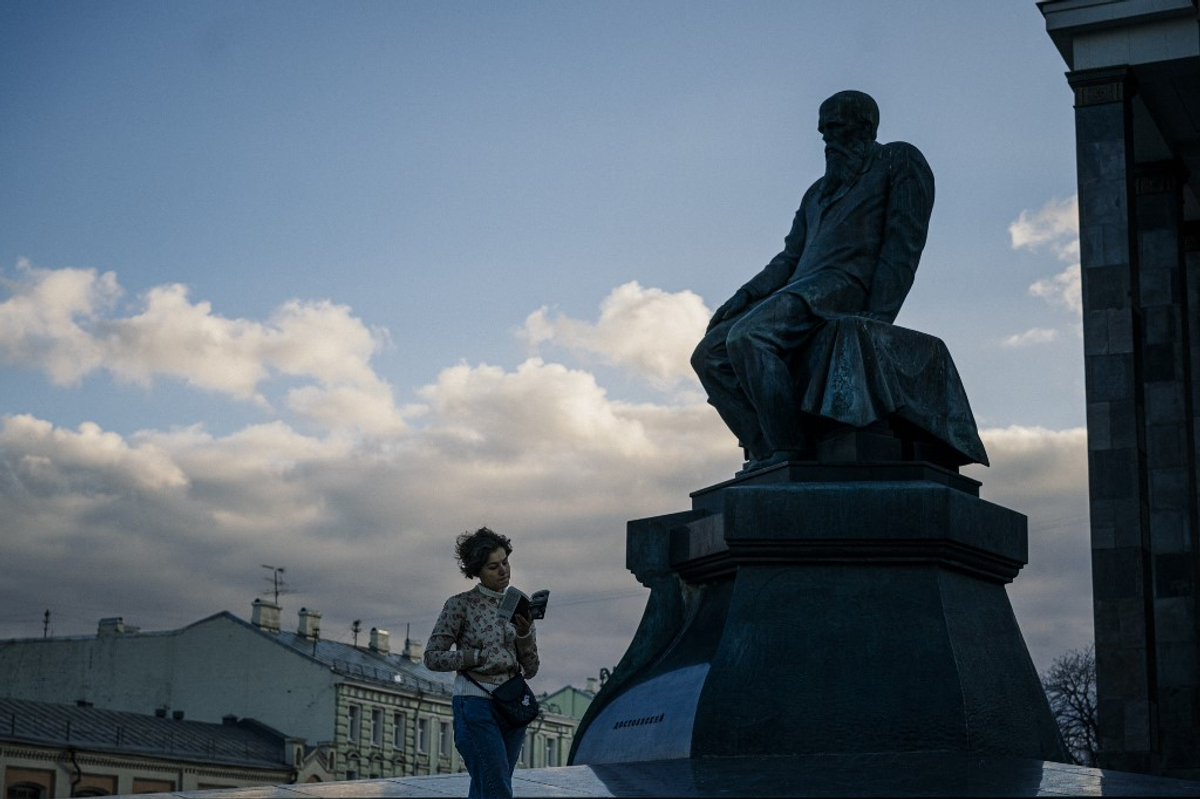
As Russians celebrate their “Russia Day,” let’s pause to reflect on the essence of the Russian souls as Dostoevsky captured it, but which many Westerners largely still fail to grasp. “But what about Dostoyevsky?”JOIN US ON TELEGRAMFollow our coverage of the war on the @Kyivpost_official. Since the start of Russia’s full-scale invasion of Ukraine in 2022, it has become one of the West’s favorite appeals in defense of Russia and its culture. Yes, I have read him. Like millions of people across the former Soviet Union, I studied Dostoyevsky at school. During one visit to my cousin’s apartment, I even borrowed a copy printed in pre-revolutionary Russian. Years later, I watched The Idiot television series and read the much less popular Humiliated and Insulted, a story of St. Petersburg’s gutter – both moral and physical. Since then, I have given up on Russian literature. With the exception of Bulgakov, whose Heart of a Dog contains historical elements relevant to my line of work, I refuse to read it – not merely because of Russia’s ongoing war against Ukraine, but because I simply cannot comprehend, or accept, its nature. Whatever the book, the themes seemed remarkably similar: alcoholism, emotional abuse, allusions to sexual perversion, chaotic love affairs, the inevitability of doom, and internal submission. Why did Raskolnikov kill the old woman and her sister in such a gruesome manner? What explains Prince Myshkin’s sudden romantic pivot from Nastasya Filippovna to Aglaya Epanchina?
What Dostoyevsky Reveals About Russia That the West Ignores
A deeper look at Dostoyevsky challenges the West’s admiration for Russian literature, exposing a dark psychological and moral landscape still reflected in many Russian crimes today.
1,123 words~5 min read