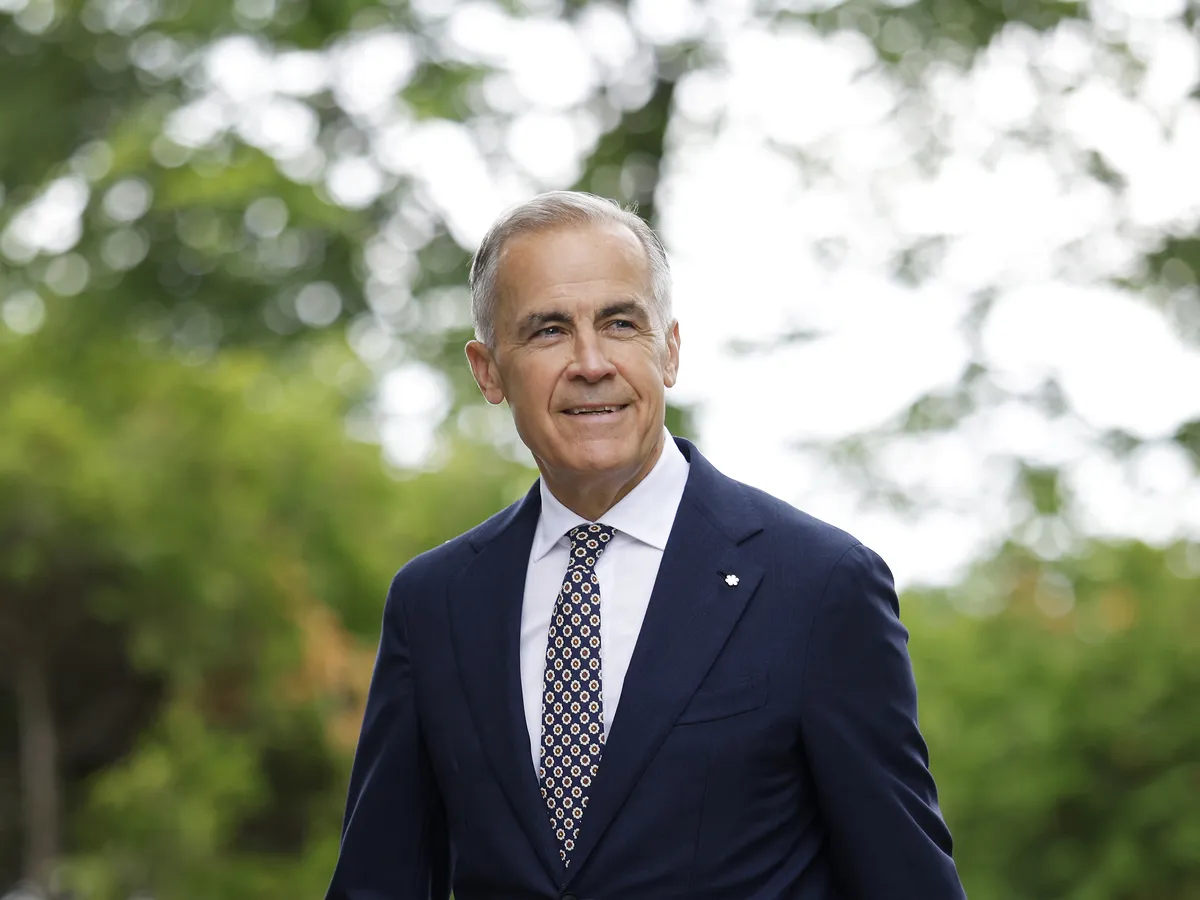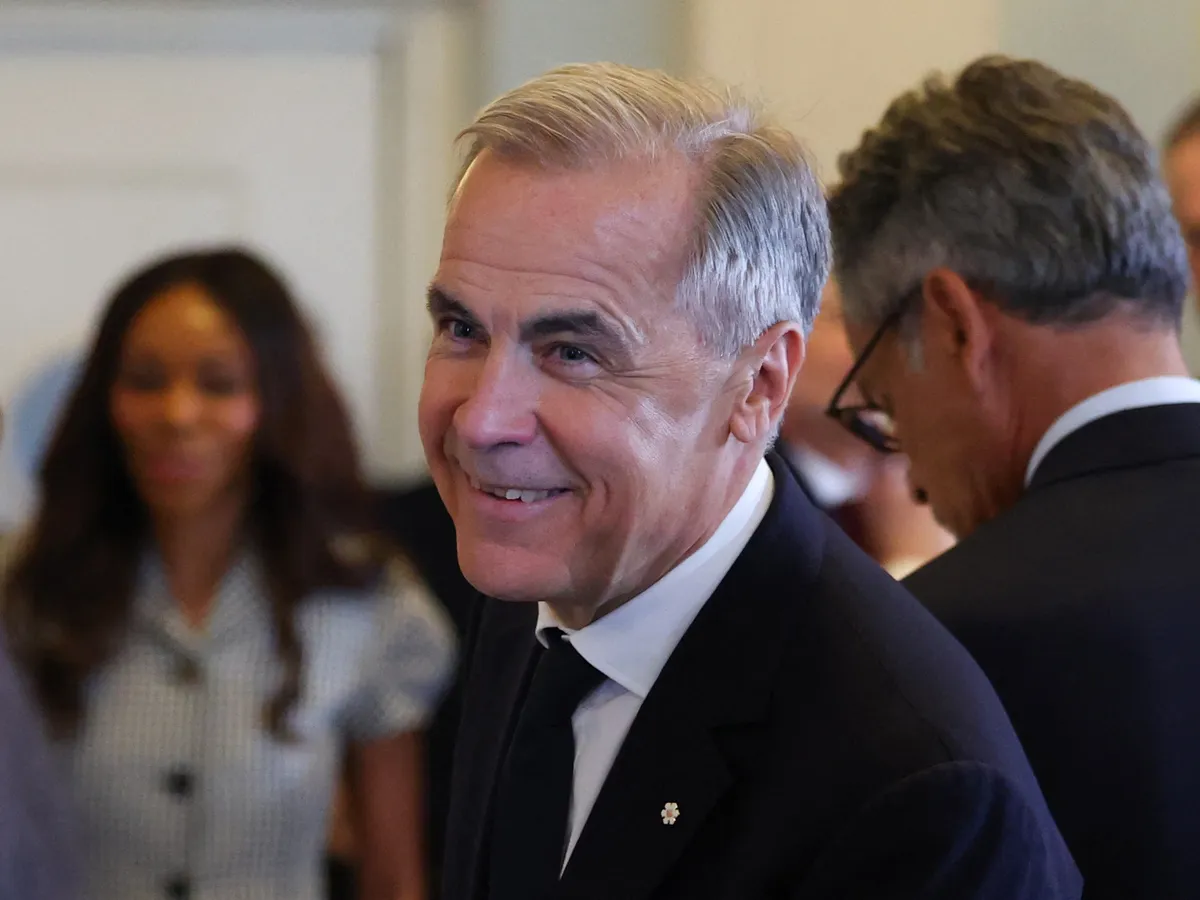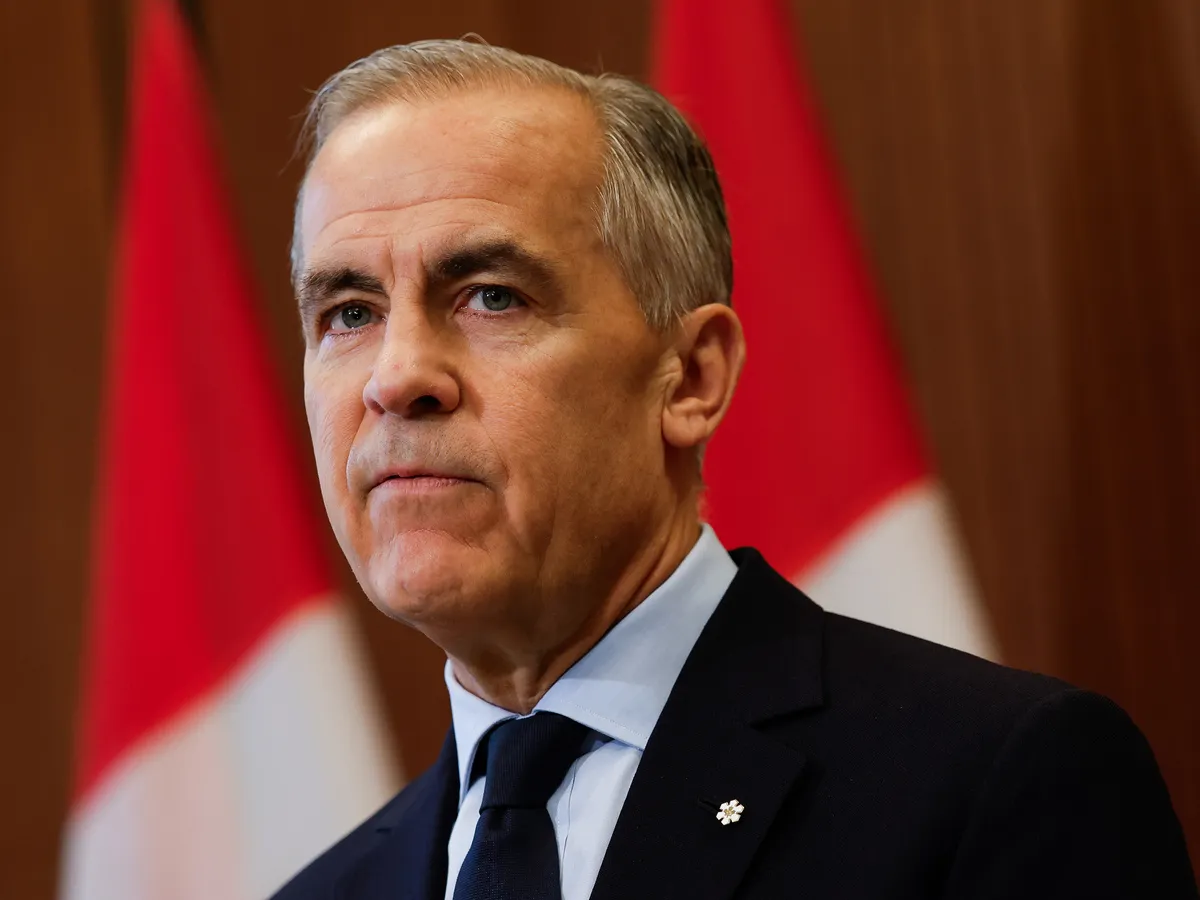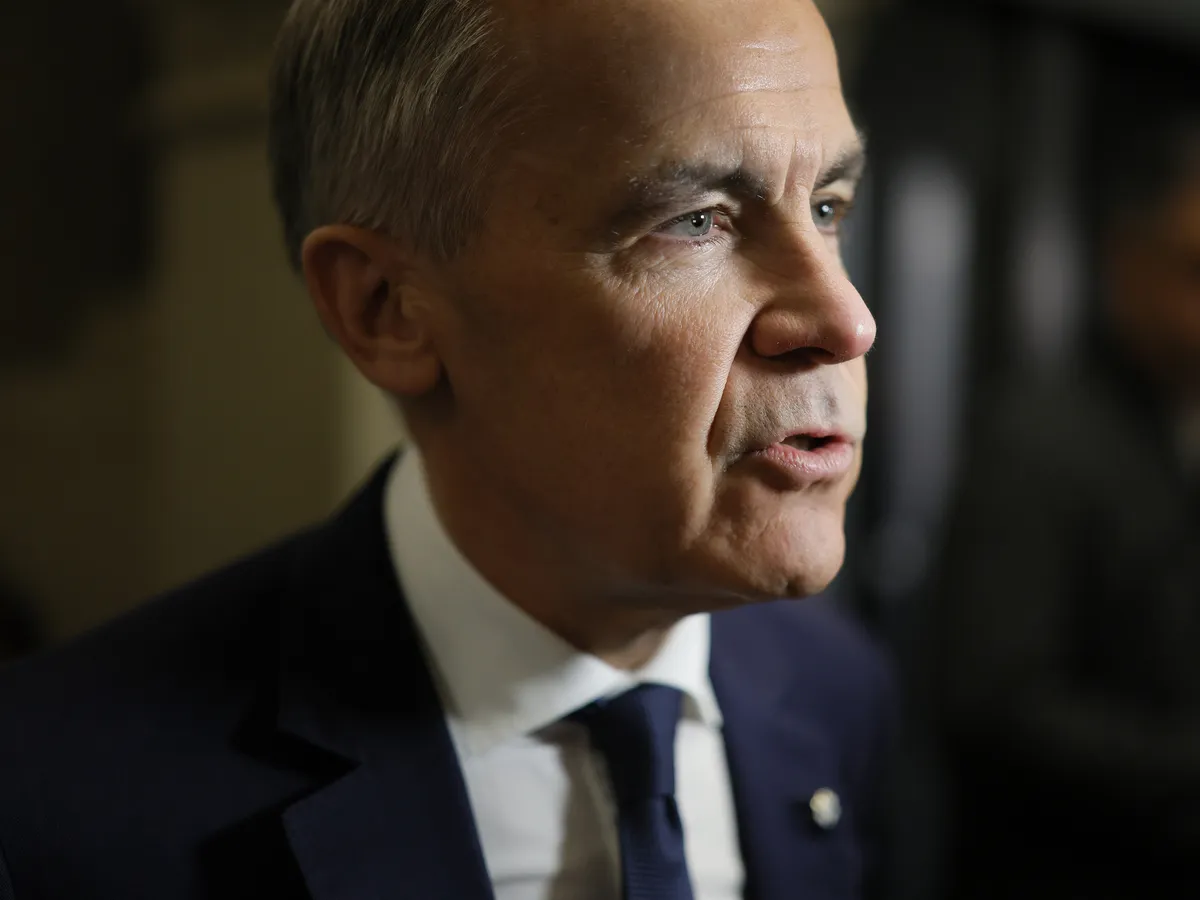
Skip to Content News Archives Economy Energy Oil & Gas Renewables Electric Vehicles Mining Commodities Agriculture Real Estate Mortgages Mortgage Rates Finance Banking Insurance Fintech Cryptocurrency Work Wealth Smart Money Wealth Management Investor Personal Finance Family Finance Retirement Taxes High Net Worth FP Comment Executive Women Puzzmo Newsletters Financial Times Business Essentials More Innovation Information Technology FP500 Podcasts Small Business Lives Told Tails Told Shopping Financial Post Store Obituaries Place a Notice Advertising Advertising With Us Advertising Solutions Postmedia Ad Manager Sponsorship Requests Classifieds Place a Classifieds ad Working Profile Settings My Subscriptions Saved Articles My Offers Newsletters Customer Service FAQ News Economy Energy Mining Real Estate Finance Work Wealth Investor FP Comment Executive Women Puzzmo Newsletters Financial Times Business Essentials HomeFP CommentOpinion: Bank governor Carney aced ‘forward guidance.’ Not PM CarneyThe key to good guidance is to be clear in what you promise and then follow through on it. Mark Carney is failing at bothLast updated 1 hour ago You can save this article by registering for free here. Or sign-in if you have an account.Prime Minister Mark Carney arrives to a Liberal caucus meeting on Parliament Hill on June 10. Photo by Blair Gable/Postmedia filesAs Bank of Canada governor during and following the financial crisis of the 2000s, Mark Carney helped perfect the now-common central banking tactic of “forward guidance” — essentially telling people what you plan to do in given circumstances. To be effective, forward guidance needs to be clear, concise and credible. Markets and the public must believe you will act as you say. But if government actions are not consistent with the guidance, that creates policy uncertainty and market unpredictability. In short, forward guidance places a high premium on consistent follow-through.Subscribe now to read the latest news in your city and across Canada.Exclusive articles from Barbara Shecter, Joe O'Connor, Gabriel Friedman, and others.Daily content from Financial Times, the world's leading global business publication.Unlimited online access to read articles from Financial Post, National Post and 15 news sites across Canada with one account.National Post ePaper, an electronic replica of the print edition to view on any device, share and comment on.Daily puzzles, including the New York Times Crossword.Subscribe now to read the latest news in your city and across Canada.Exclusive articles from Barbara Shecter, Joe O'Connor, Gabriel Friedman and others.Daily content from Financial Times, the world's leading global business publication.Unlimited online access to read articles from Financial Post, National Post and 15 news sites across Canada with one account.National Post ePaper, an electronic replica of the print edition to view on any device, share and comment on.Daily puzzles, including the New York Times Crossword.Create an account or sign in to continue with your reading experience.Access articles from across Canada with one account.Share your thoughts and join the conversation in the comments.Enjoy additional articles per month.Get email updates from your favourite authors.Create an account or sign in to continue with your reading experience.Access articles from across Canada with one accountShare your thoughts and join the conversation in the commentsEnjoy additional articles per monthGet email updates from your favourite authorsSign In or Create an AccountorSince entering politics, Mark Carney has made several bold policy commitments. But how consistent has his government been in executing on its forward guidance? In several areas, gaps are emerging between early statements of intent and subsequent actions.Get the latest headlines, breaking news and columns.By signing up you consent to receive the above newsletter from Postmedia Network Inc.A welcome email is on its way. If you don't see it, please check your junk folder.The next issue of Top Stories will soon be in your inbox.We encountered an issue signing you up. Please try againCandidate Carney presented himself as uniquely qualified to deal with President Donald Trump — though it’s not clear anyone can really do that. More than a year into Trump-whispering, we continue to face punishing sectoral tariffs, little if any progress in renegotiating CUSMA and almost no public clarity about Canada’s trade and security strategy with the U.S.Confusion is compounded by the puzzling communications journey from the PM’s much-lauded Davos speech invoking ruptures in the postwar global fabric, to his April YouTube “forward guidance” address signalling that “Many of our former strengths, based on our close ties to America, have become our weaknesses, weaknesses that we must correct,” to his recent New York speech, which proposed a “fortress North America” in certain sectors and rhetorically argued that a “Canada Strong will help make America great again.”A second area of concern: Carney promised a safe pair of fiscal hands and committed to “spend less to invest more.” And yet, the government’s April economic statement shows spending continuing to rise rapidly, with all new revenue growth going to new initiatives and no binding fiscal anchors to force tough choices and sustain market confidence. The resulting growth in the structural deficit is a problem. With federal net debt hitting $1.6 trillion by the decade’s end, debt service costs are rising rapidly, eating up more of each tax dollar. We’re not in a crisis yet, but our growing fiscal problem calls to mind the Hemingway quote “How did you go bankrupt? Two ways. Gradually, then suddenly.”On economic policy, the prime minister has talked about Canada becoming the fastest-growing country in the G7 but, at the same time, has cautioned that our economy is saddled with anemic productivity, excessive regulation, weak corporate investment and internal trade barriers, as well as Trump’s tariffs and CUSMA uncertainty. What squares this rhetorical circle is that tackling these structural weaknesses urgently and decisively will create the conditions for strong and sustained growth and rising per capita incomes.Carney has criticized weaknesses in policy execution and program delivery during the Trudeau era, but his own management approach has been to establish new, boutique agencies to work around such problems rather than fix them at source. That may work for a few major projects and some high-profile defence procurements, but timely execution of an ambitious agenda the prime minister says is key to Canada’s future depends on directly addressing the operational bottlenecks within government.The forward guidance in Carney’s Davos speech was the need to confront a world in crisis with resolute actions to rebuild our economic and fiscal resiliency and protect our sovereignty. But recent narratives lack such focus and urgency. What is needed now is to put priority on implementing the bold changes the government has laid out.Kevin Lynch was Deputy Minister of Finance (2000-4) and Clerk of the Privy Council (2006-9). Join the Conversation This website uses cookies to personalize your content (including ads), and allows us to analyze our traffic. Read more about cookies here. By continuing to use our site, you agree to our Terms of Use and Privacy Policy.
Opinion: Bank governor Carney aced ‘forward guidance.’ Not PM Carney
The key to good guidance is to be clear in what you promise and then follow through on it. Mark Carney is failing at both. Read more.
1,120 words~5 min read