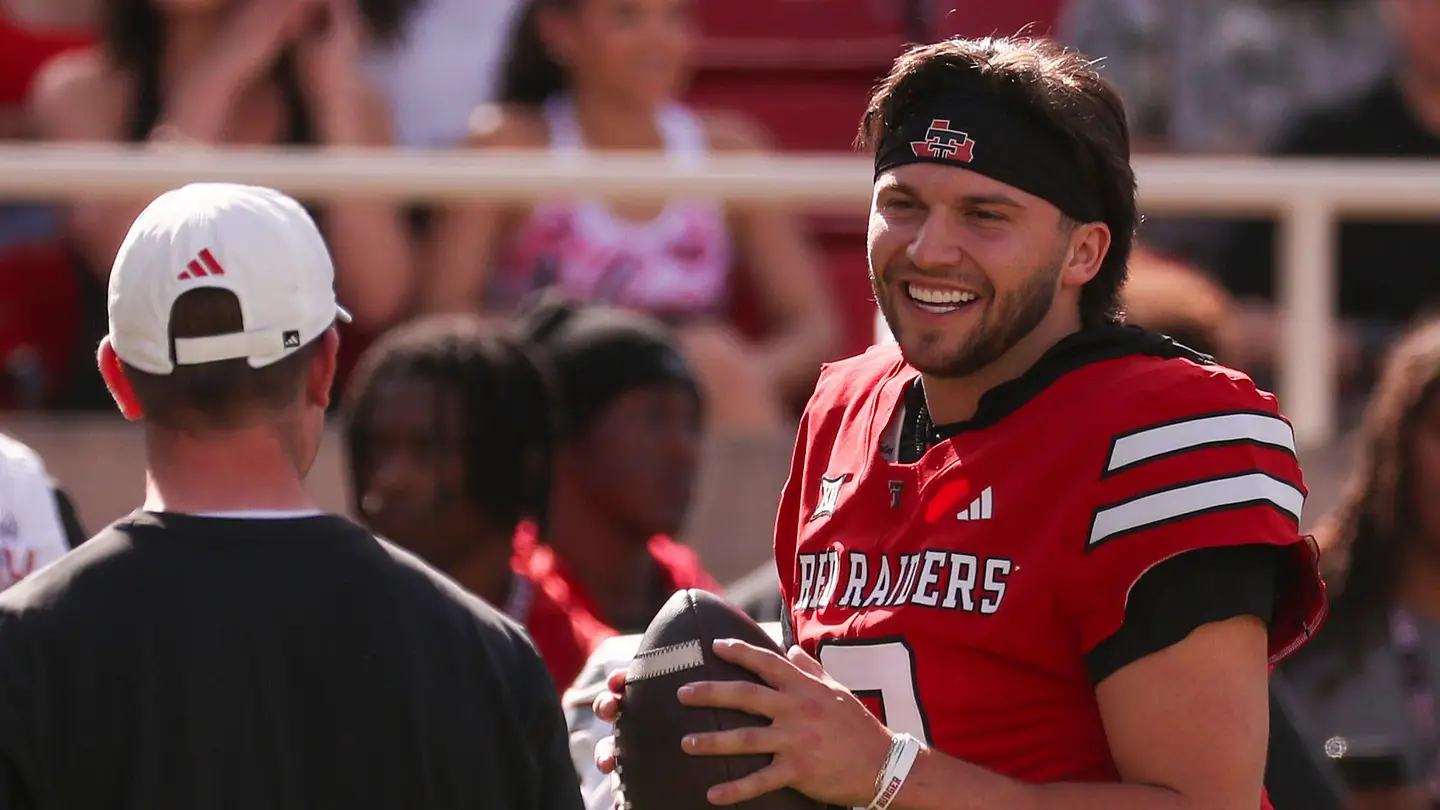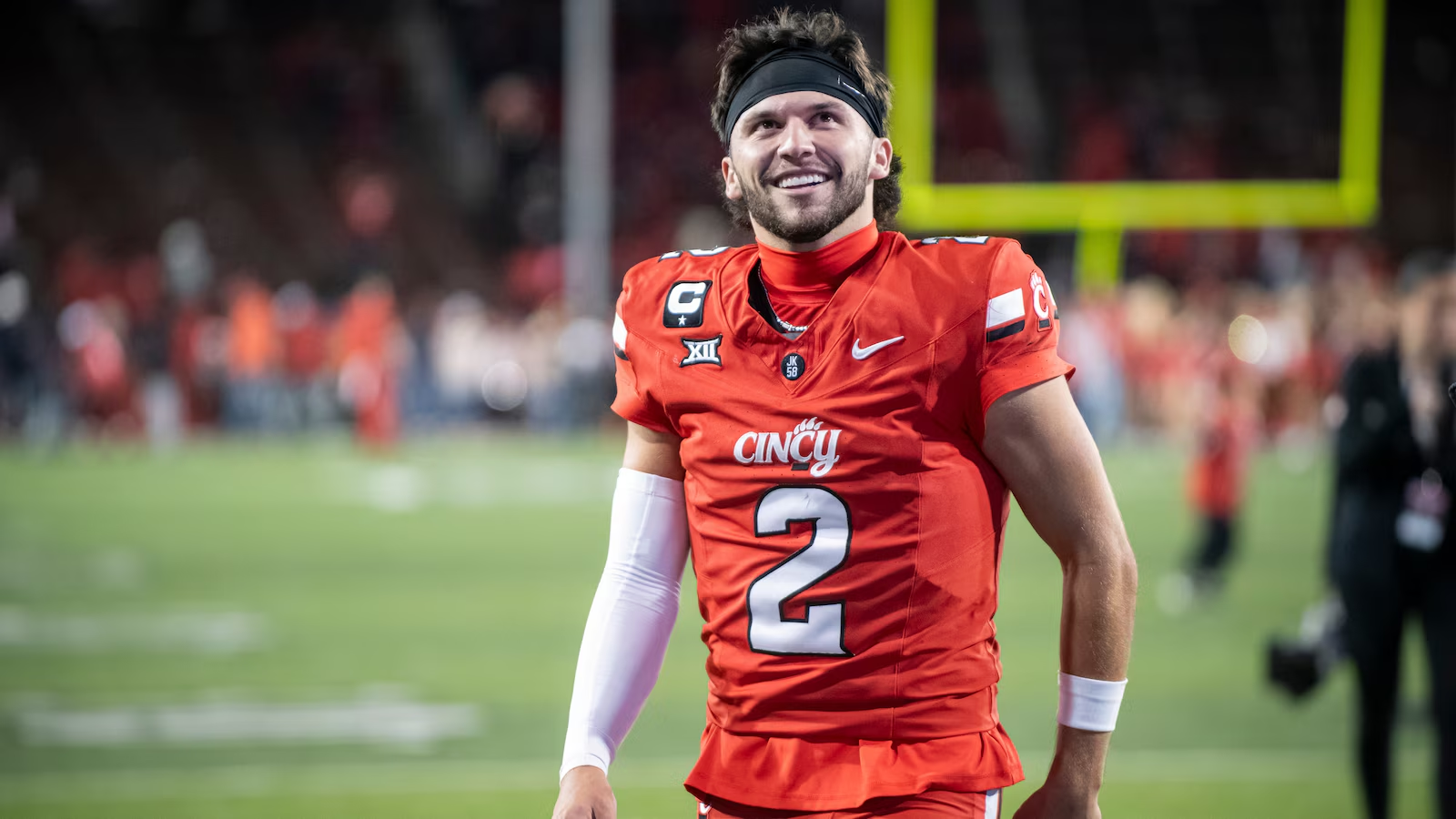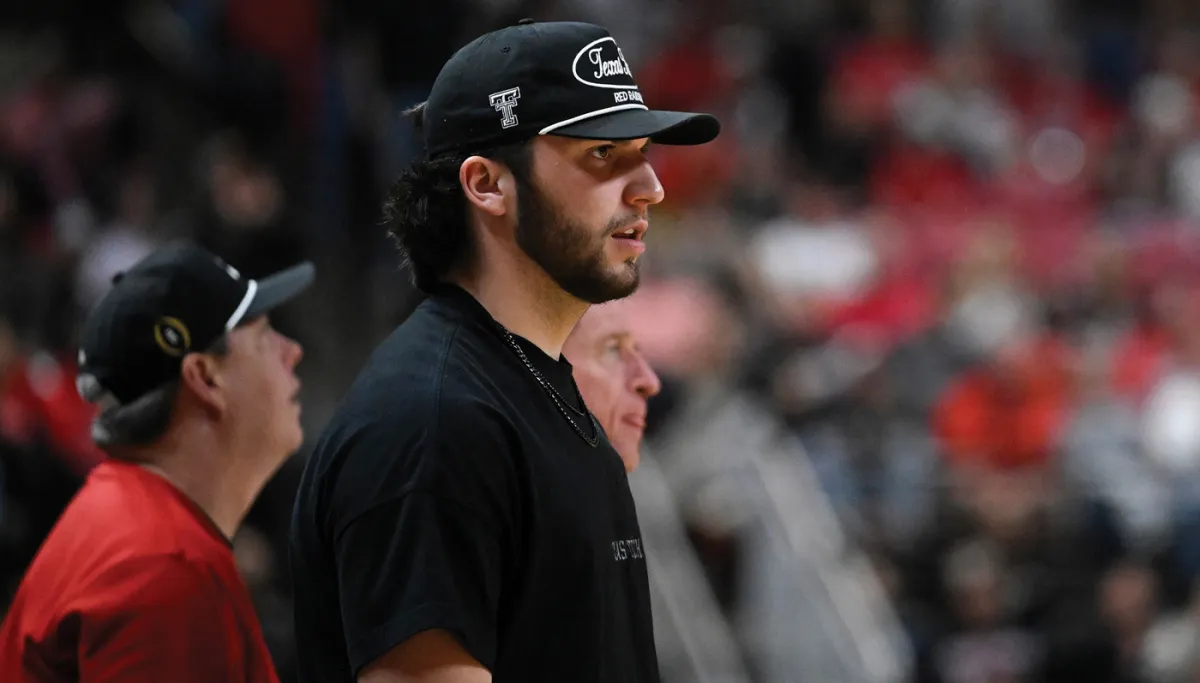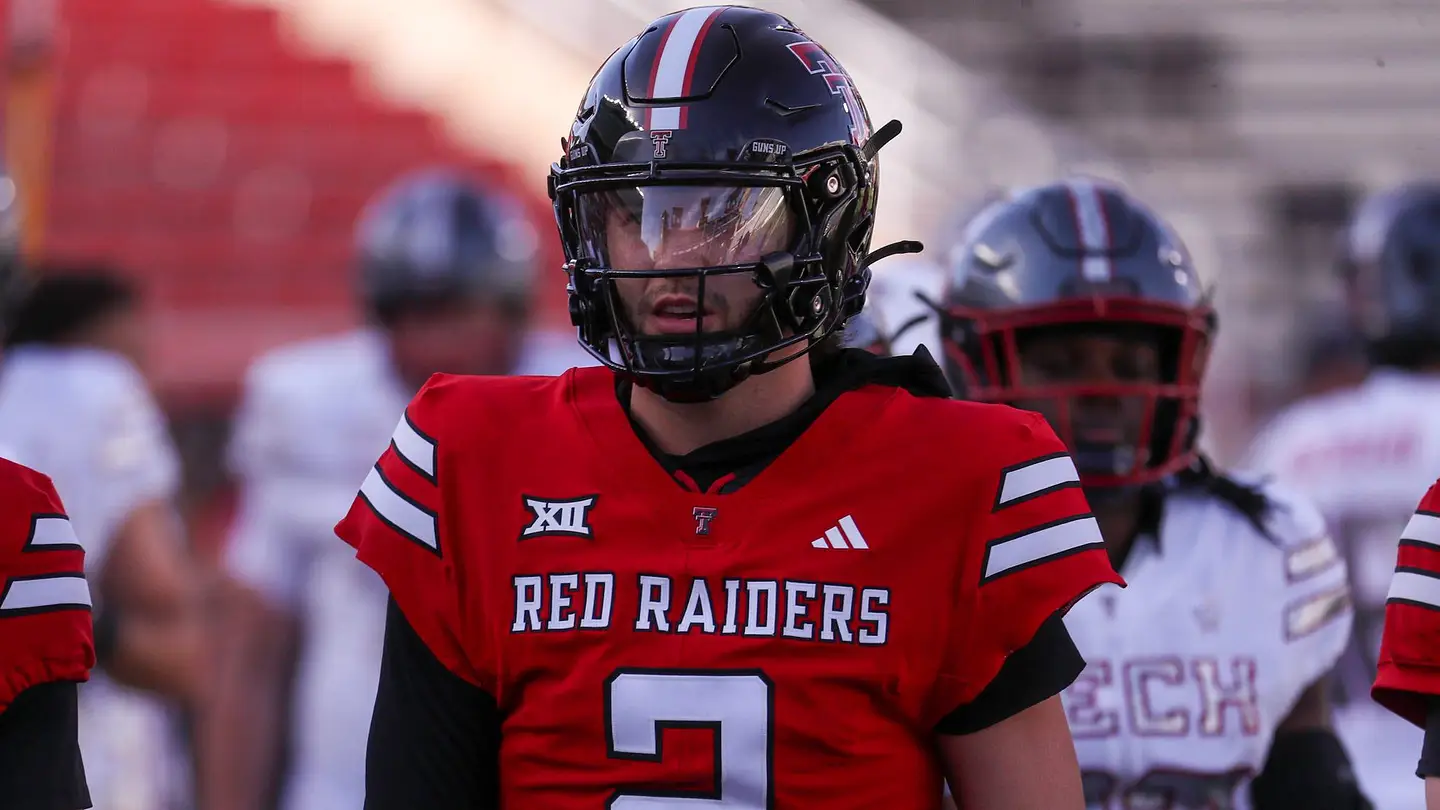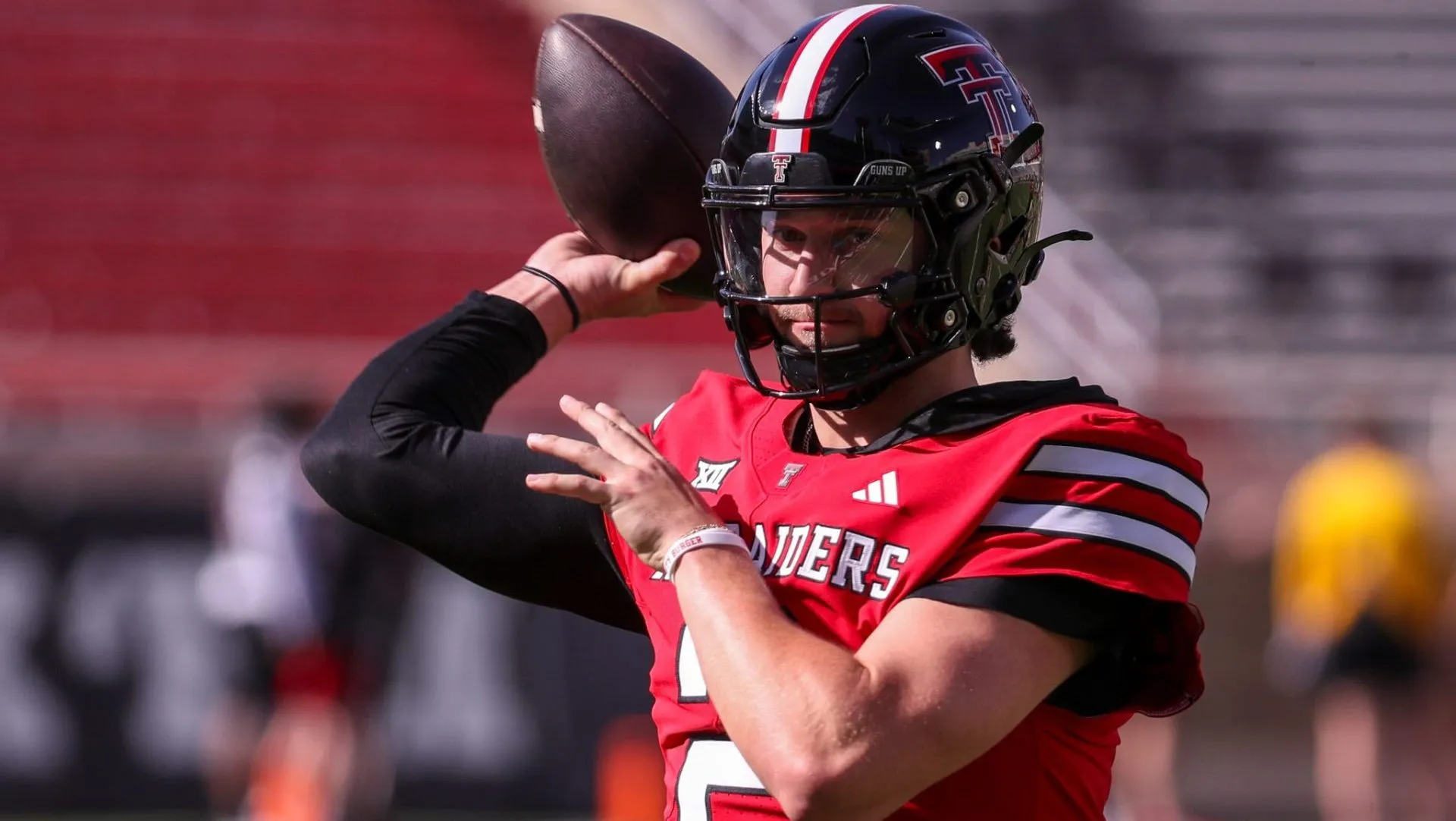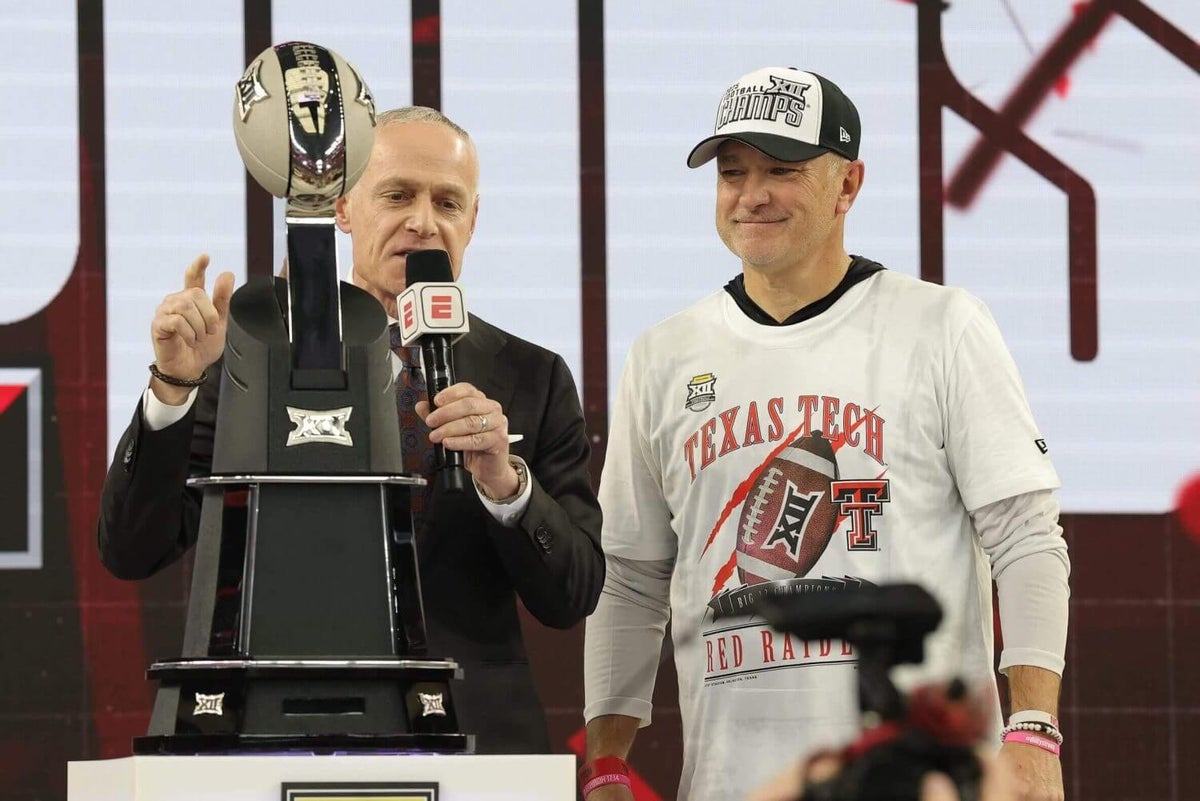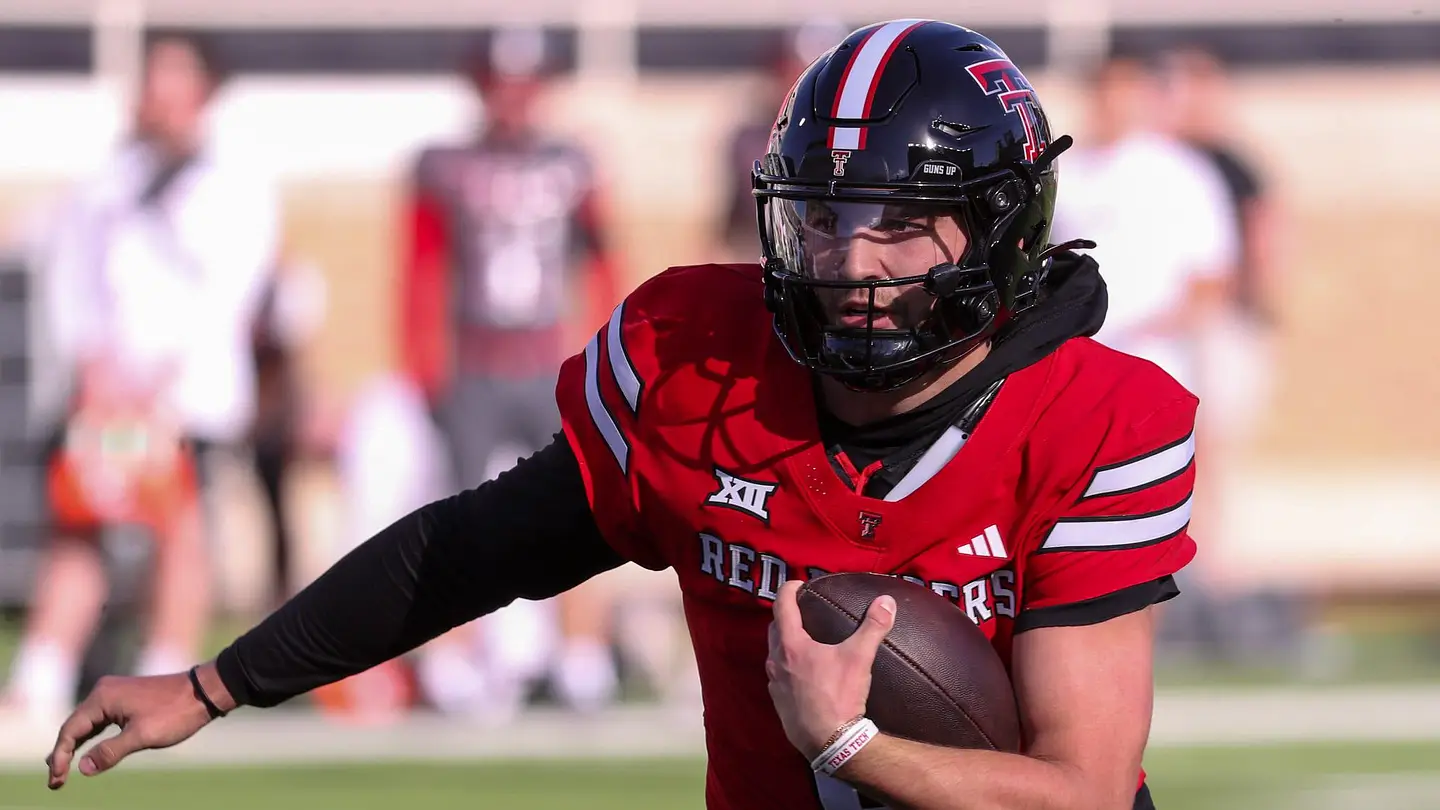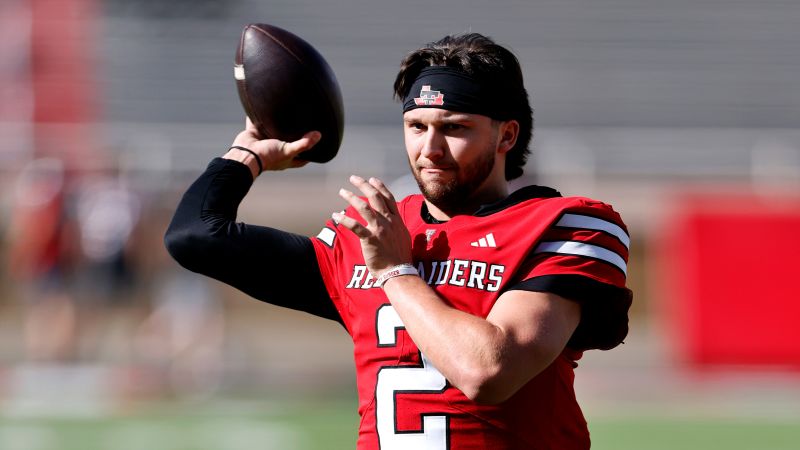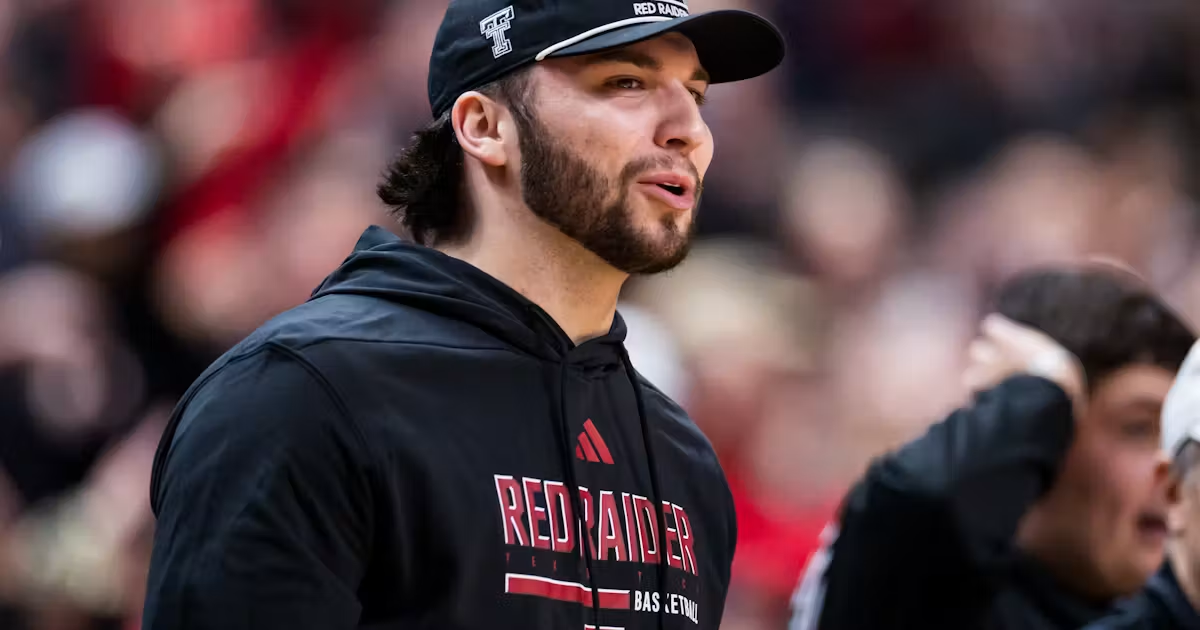
Sports are governed by rules. Those rules separate a ball from a strike, a fumble from an incomplete pass, and foul balls from a fair. Without rules, sporting events are nothing more than random people getting some exercise. And without people to enforce those rules, there is no integrity, no fairness, and no genuine competition.By those standards, college sports is currently the world’s most lucrative workout club. A state judge in Texas ordered the NCAA earlier this month to reinstate Brendan Sorsby, a quarterback at Texas Tech University who has admitted to placing bets at sportsbooks on, among other things, his own team at a previous school.The NCAA had refused to reinstate Sorsby while it conducts an investigation into the scope of his gambling policy violations. He then sought a temporary injunction that would allow him to continue playing in 2026 and “clarify” his status before he would have to apply for the NFL’s supplemental draft later this summer. The judge sided with Sorsby; the NCAA has vowed to appeal.Sorsby’s case is far from the only legal battle that the NCAA has found itself in in recent years. But the lawsuit speaks volumes about the constitutional crisis in which collegiate athletics now finds itself—and the shortcomings of the NCAA’s solutions. As long as it resists treating athletes like workers, these problems will only get worse.The most recent crisis for college sports began in April when Texas Tech announced that Sorsby, who had transferred there from the University of Cincinnati in January, had entered an inpatient treatment facility for gambling addiction. NCAA rules prohibit student-athletes from placing bets on collegiate or professional sports.Sorsby is far from the first athlete to be embroiled in a gambling scandal since 2018, when the Supreme Court struck down a federal ban on sports betting and paved the way for its widespread legalization by states. But his case may be the most egregious one on record.According to court documents filed in May, Sorsby wagered more than $90,000 on online sportsbooks over a four-year period. He used accounts registered to friends and family members to evade detection by sportsbooks and school officials. His claims of addiction are also hard to dispute: In an 18-month span while attending Indiana University, for example, he reportedly placed a minimum of 2,900 bets on various sports.“It became a habit for me to bet,” Sorsby told the NCAA in a statement, according to ESPN. “My betting became a compulsion which made it virtually impossible to resist the constant notifications I received from betting apps. I lost complete control of my addiction. I now realize the apps controlled me and I did not control them.”The news outlet reported that Sorsby placed at least 40 bets on Indiana University football while playing for the school. The bets were small amounts—ranging from a single dollar to slightly more than $100—but each represents a massive ethical breach. While major sports leagues have adopted a wide range of rules on sports betting over the past few years, none of them allow players to bet on their own sport, let alone their own team.According to court documents reviewed by The Athletic, Sorsby also claimed that he had “never placed any bets on any Indiana football game that I participated in or that I reasonably expected that I could have participated in.” At the time, he noted, he was on Indiana’s scout team “with several quarterbacks ahead of me on the team’s depth chart” and “no reasonable chance that I would play.” Sorsby reportedly claimed that he had never used nonpublic information when placing the bets—which is both unverifiable and extremely hard to believe.None of this mattered under the most recent version of the NCAA’s ban on sports betting by student-athletes. Current rules prohibits student-athletes from placing bets on any sport that the NCAA sponsors, even at the amateur or professional level. The NCAA voted last November to restore its ban on betting in professional sports after federal prosecutors charged multiple NBA players and coaches for their alleged roles in illegal gambling operations.NCAA athletes who violate the organization’s gambling policy can face permanent loss of eligibility. Under NCAA rules, Texas Tech declared Sorsby ineligible after the NCAA opened its investigation into him in April. The school claimed the right to request Sorsby’s reinstatement to restore that eligibility on his behalf. In a lawsuit filed against the NCAA in May, Sorsby claimed that he faced imminent and irreparable harm if the organization did not reach a decision on his eligibility soon. The deadline to apply for the NFL’s supplemental draft is later this month, which would be his last chance to play in the league for its 2026 season. If the NCAA does not reach a decision until after that deadline, Sorsby argued, he could face the loss of both his final year in college football and an entire year in professional football.Judge Ken Curry agreed and granted Sorsby’s request for a temporary injunction, concluding that he was likely to prevail at trial. Curry also scheduled the trial date for February 8, 2027—two weeks after the 2026 college football season ends. As a result, even if the NCAA were to ultimately prevail on the merits, Sorsby will already be out of college athletics. (The judge, for the record, did not attend Texas Tech as an undergraduate or as a law student.)Legal disputes between the NCAA and college athletes aren’t uncommon. Ole Miss quarterback Trinidad Chambliss successfully challenged the NCAA’s decision to deny him a sixth year of eligibility, for example, in Mississippi state court earlier this year. But the Sorsby ruling struck the college sports landscape like a thunderbolt because it called into question the NCAA’s basic ability to sanction players for egregious policy violations.“The NCAA strongly disagrees with the court’s ruling in Sorsby’s case and is deeply concerned about the damaging, far-reaching and broadly destabilizing ramifications of this outcome—which undermines and corrupts the integrity of sports,” the organization said in a statement after the ruling was issued.The university is not a party to Sorsby’s lawsuit, but has expressed a strong interest in having him play in the upcoming season. Sorsby was among the most highly sought players in the transfer portal this spring. Texas Tech struck a NIL deal with him in January that could bring the fifth-year quarterback roughly $5 million for one season of play.“I’ve heard the word ‘integrity’ used a great deal in the last 48 hours,” Texas Tech athletics director Kirby Hocutt said in a statement on Wednesday. “As someone who has dedicated his career to college sports, I, too, believe integrity is central to our industry’s success. I also think integrity applies on more than one front. The integrity of sport matters. So does the integrity of how we treat a 22-year-old who sought help, entered residential treatment, and is working every day toward recovery. These two things don’t have to be in conflict.”Hocutt’s voice appears to be a solitary one. There are widespread reports that other schools and conferences may try to collectively punish Texas Tech for the scandal by refusing to schedule games against them at all levels, effectively freezing its athletics program out of competitions. Texas Tech has responded by threatening to pursue litigation if the other schools try to hold the school accountable for enabling Sorsby’s tactics.College football coaches and officials were openly horrified by the prospect that a court would require a player who admitted to betting on his own team to play in the upcoming season. “As someone who grew up reading about the Black Sox Scandal, and seeing what happened to Pete Rose and just understanding how bright that line seemed to be in all of American sports, I’m stunned that there would be a question at the court level that this is acceptable,” Scott Stricklin, the athletic director for the University of Florida, told ESPN.It is hard to not draw comparisons to baseball’s own gambling scandals, which had a seismic impact on the sport itself and led to fundamental changes in how it operates. The Black Sox scandal, in which several Chicago White Sox players helped gamblers fix the 1919 World Series, led Major League Baseball to create a commissioner’s office with far-reaching powers to regulate the sport’s integrity.Baseball had other advantages that the NCAA lacks. Thanks to a controversial 1922 Supreme Court ruling, Major League Baseball enjoys a free-standing exemption to federal antitrust law. Other major sports leagues are also exempt from antitrust law to some degree by the Sports Broadcasting Act of 1961, which allows teams to collectively negotiate television deals without fear of anticompetitive charges. The NCAA, on the other hand, has faced a decade of legal struggles precisely because it lacks an exemption. The greatest blow came in 2021 when the Supreme Court unanimously upheld a lower court decision that found some of the NCAA’s compensation rules violated federal antitrust law. That ruling opened the door to the NIL era, where players can be compensated semi-indirectly for the use of their name, image, and likeness rights. During oral arguments and in the ruling itself, justices sharply castigated the NCAA for its long-standing opposition to compensating players while reaping millions of dollars in profits from their labor.“Nowhere else in America can businesses get away with agreeing not to pay their workers a fair market rate on the theory that their product is defined by not paying their workers a fair market rate,” Justice Brett Kavanaugh wrote in a concurring opinion. “And under ordinary principles of antitrust law, it is not evident why college sports should be any different. The NCAA is not above the law.”The NCAA evaded legal scrutiny for so long for a variety of reasons, but at least partly through sheer inertia and its byzantine structure. While the NCAA has a governing board and a president—currently Charlie Baker, the former governor of Massachusetts—it is also a largely decentralized organization. Individual schools wield significant power through the various conferences that also oversee college sports, like the Southeastern Conference and the misleadingly named Big Ten Conference. Many of those schools are also public universities, which means they are governed directly by state governments to varying degrees.As a result, it is hard to even describe the NCAA as a sports “league” in any meaningful sense. One crucial difference between NCAA sports and professional leagues is the absence of collective bargaining, which sets ground rules between players and owners. Instead, college athletes are free to accept NIL money and transfer almost at will. Sorsby, for example, is currently facing a lawsuit from the University of Cincinnati over a $1 million exit fee in his NIL contract that the quarterback has not yet paid since refusing to play in last year’s bowl game and transferring to Texas Tech.To “save” college sports from the daunting threats of antitrust enforcement and a robust market for athlete compensation, the NCAA and colleges are doing something unthinkable these days: asking Congress to pass legislation. One bipartisan proposal, the Protect College Sports Act, was drafted by Texas Senator Ted Cruz and Washington Senator Maria Cantwell. It would impose new restrictions on transfers and eligibility that strongly favor schools and constrain student-athletes.Some of college athletics’ top voices, such as former Alabama football head coach Nick Saban, embraced the bill earlier this month during Senate hearings. But significant obstacles remain. The SEC—the conference, not the financial regulator—and the Big Ten said they opposed the bill, in statements earlier this week. Though their reasoning was vague, the bill would prevent conferences from breaking away from the NCAA to form a more lucrative “super league” of top schools. It would require them to potentially share more broadcast revenue with other schools.The NCAA also has not yet endorsed the bill. ESPN’s Dan Murphy noted last month that it lacks one of the organization’s main demands: to bar athletes from being classified as employees, which could open the door to collective bargaining. It would be fitting if the NCAA missed out on vital legal protections because it wanted to preserve its original sin of uncompensated labor.A collective-bargaining agreement would’ve been helpful in the Sorsby case. When major-league players cheat and gamble, they are punished by the procedures laid out in their collective-bargaining agreements, with no role for meddling state judges to override things. Saban lamented during this week’s hearing that “right now in college football we have no rules.” He’s right, but it may be even more accurate to say that the NCAA hasn’t been playing by any rules all along.
The Gambling Scandal That’s Roiling the NCAA
Brendan Sorsby may have violated the league’s rules, but college football’s governing body is discovering just how unsustainable the organization’s legal status really is.
2,084 words~9 min read